Can MDF Be Routed: Unlocking Crafting Potential
Have you ever wondered if MDF can be routed to achieve those intricate designs you’ve envisioned for your home projects? You’re not alone.
Many DIY enthusiasts and professional woodworkers find themselves asking the same question. MDF, or Medium Density Fiberboard, is known for its affordability and versatility, but routing it can seem daunting. Picture this: you’re ready to create that stunning pattern or edge detail, but uncertainty holds you back.
What if MDF chips or breaks? What if your tools aren’t up to the task? These worries can stop you in your tracks, but understanding the capabilities of MDF can unlock a new realm of possibilities for your projects. Imagine the satisfaction of transforming a plain board into a masterpiece, with smooth curves and sharp edges that reflect your creativity and skill.
We’ll dive into the ins and outs of routing MDF. You’ll discover practical tips, essential tools, and expert techniques that make the process easier and more rewarding. By the end, you’ll be ready to tackle your next woodworking project with confidence. Don’t let doubt hold you back—let’s explore the potential of MDF together.
What Is MDF
MDF stands for Medium Density Fiberboard. It is a type of wood product. Made from wood fibers and resin. MDF is very smooth. It has no natural grain. This makes it great for painting. It is often used for furniture and cabinets. MDF is cheaper than solid wood. It is also easy to cut. But, it is not very strong. It can break if not handled well. MDF is also heavy. This can make it hard to move.
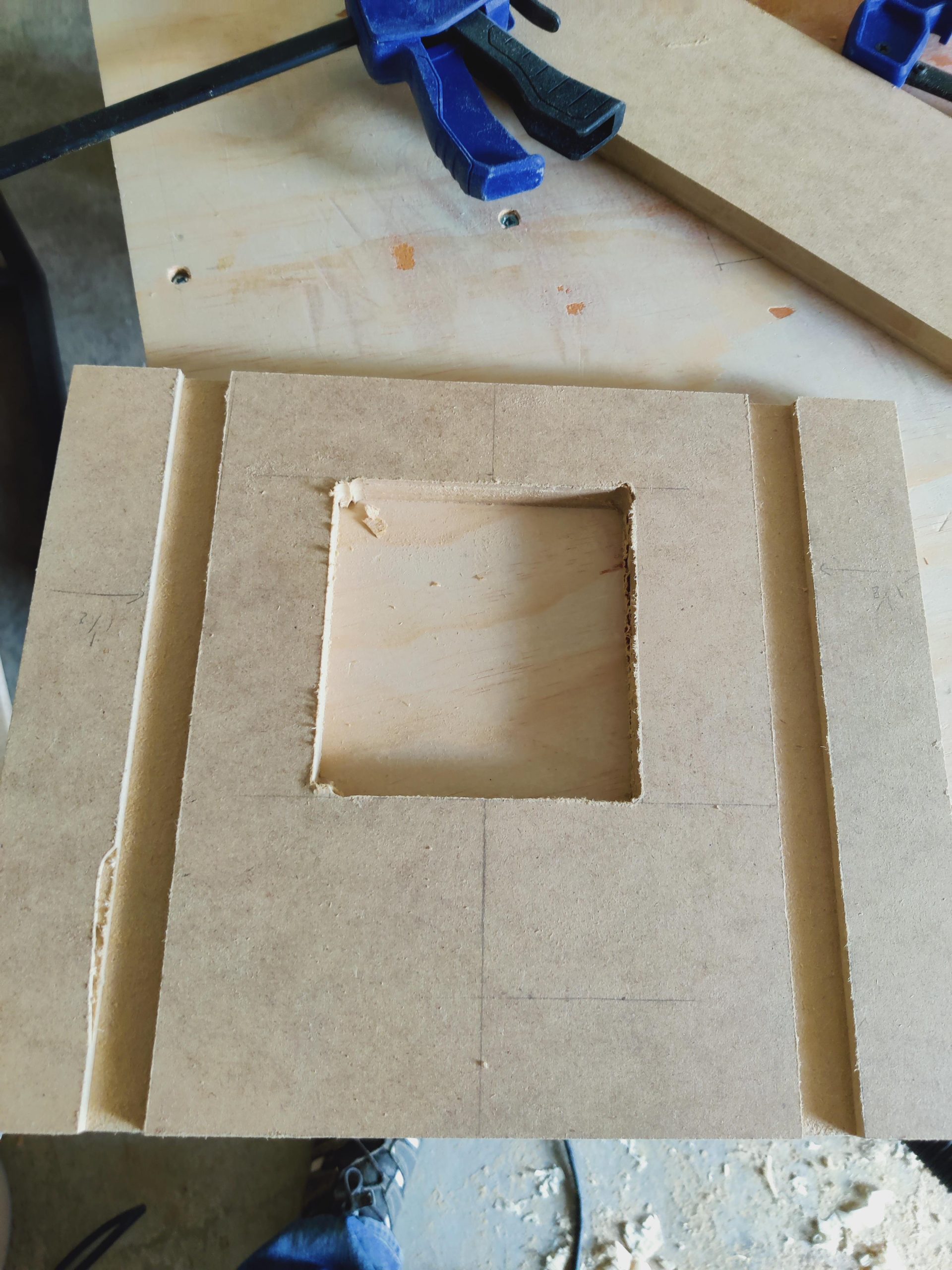
MDF can be routed. This means carving shapes in it. People use routers to do this. Routers are tools. They cut and shape wood. MDF is good for routing. It is soft and easy to shape. But, it makes a lot of dust. Wearing a mask is important. Dust can be harmful to breathe in.
MDF Composition And Properties
MDF stands for Medium-Density Fiberboard. It is made from wood fibers. These fibers are mixed with wax and resin. They are then pressed into panels. MDF is smooth and dense. It is often used for furniture. It is cheaper than real wood. MDF is easy to paint. It is also easy to cut. It has no grain, unlike real wood.
MDF is strong but not water-resistant. It can swell when wet. It is important to seal MDF edges. This prevents damage from moisture. MDF can be routed easily. Its soft texture allows for precise cuts. Dust from MDF is harmful. Always wear a mask when cutting MDF. It is important for safety.
Routability Of MDF
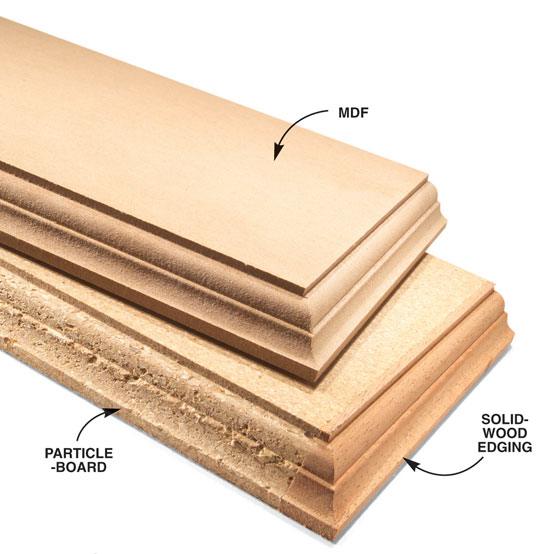
MDF is a popular material for many projects. It is easy to cut and shape. This makes it ideal for routing. The surface of MDF is smooth. It allows for clean cuts and sharp edges. MDF holds its shape well after routing. This is because it is dense and uniform. Beginners find MDF simple to work with. Professionals use it for detailed designs. MDF is versatile and affordable. It is widely available in stores. It is important to use sharp tools. This prevents chipping and splintering. Proper dust control is also important. MDF creates a lot of dust when cut. Always wear a mask for safety. MDF is a great choice for many projects.
Credit: www.popularwoodworking.com
Tools For Routing MDF
Using the right tools makes routing MDF easier. The router is the main tool. A variable speed router helps a lot. It adjusts speed for different tasks. A router table gives better control. It holds the router steady. Dust extraction tools are also needed. MDF creates a lot of dust. Keep the workspace clean and safe. Always wear safety goggles and a mask. Protect your eyes and lungs.
Choosing the right router bits is very important. Use carbide-tipped bits for MDF. They last longer and cut better. Straight bits are common for simple cuts. Rabbeting bits help make edges. Round-over bits give smooth edges. Keep bits sharp for best results. Dull bits make bad cuts. Always check the bit size and type before starting.
Techniques For Successful Routing
Choosing the right speed and feed rate is crucial for routing MDF. A slow speed can cause burns. Fast speed leads to rough edges. A balanced speed ensures smooth cuts. Feed rate must match speed. Too fast, and the router can jump. Too slow, and it might burn. Experiment to find the best balance.
Tear-out is a common issue with MDF. Use a sharp bit to reduce tear-out. A dull bit will make the edges rough. Consider a climb cut technique. This helps to minimize tear-out. Secure the MDF properly. Loose sheets lead to more tear-out. Proper clamps keep the sheet steady. Using masking tape over the cut line can also help. This prevents splintering.
Design Possibilities
MDF is good for creating intricate patterns. The material is smooth and easy to cut. This makes it ideal for detailed designs. Furniture makers and artists love using MDF. They can create beautiful patterns with it. The edges are clean and sharp. Patterns look professional and neat. Routing MDF can turn a plain board into art. It allows for creative freedom. Designs can be as simple or complex as needed.
Creating custom shapes with MDF is easy. The material is soft and flexible. This allows for unique designs and shapes. Custom shapes are popular in furniture and decor. MDF can be cut into almost any shape you need. The edges are smooth, which makes painting easy. MDF is also affordable. So creating custom designs won’t be costly. It’s a favorite in many workshops.
Common Applications
MDF is great for making furniture. It is smooth and easy to cut. Many people use it for shelves and cabinets. It paints well too. This makes furniture look nice and clean. MDF is also affordable. It helps keep costs low. Craftsmen like it for custom designs. They can make tables and chairs easily. MDF is a popular choice in many homes.
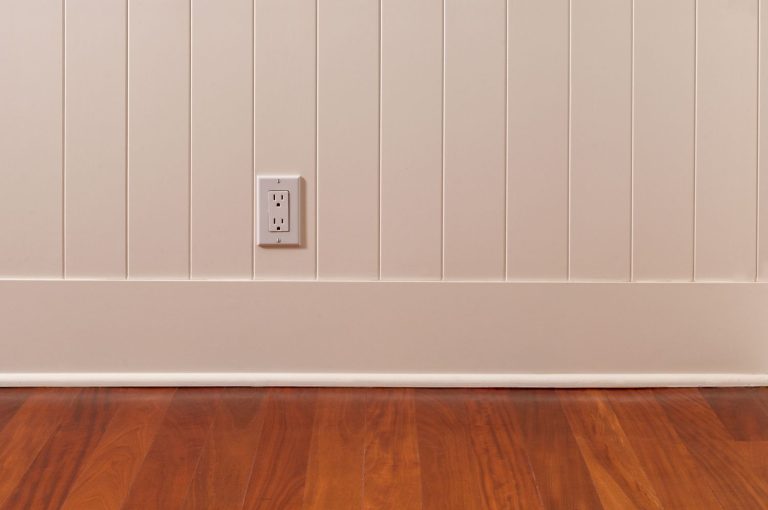
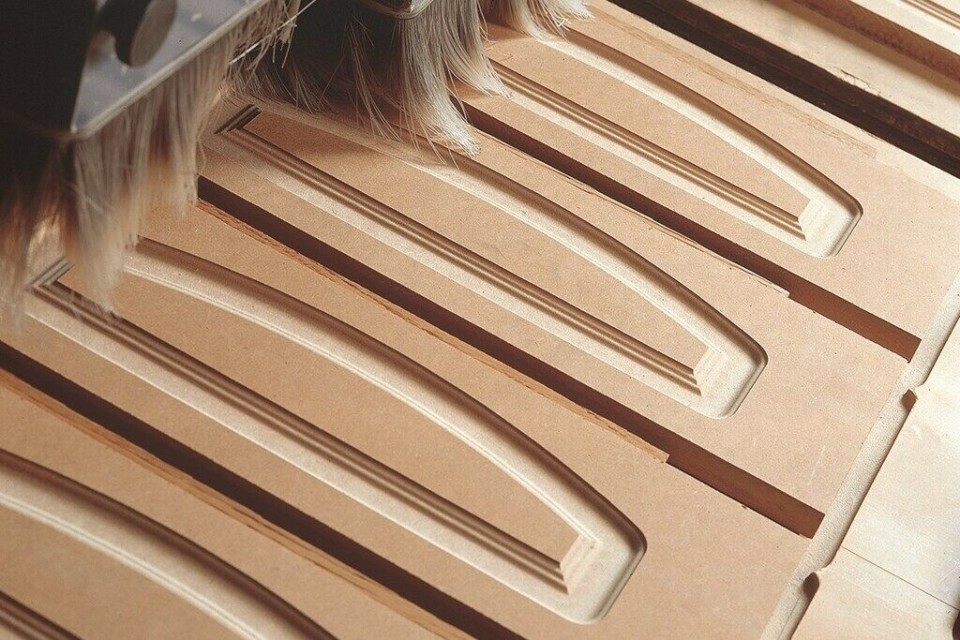
Decorative panels add style to walls. MDF is a good choice for them. It is easy to shape. People can create unique patterns and designs. The panels can be painted any color. This brightens up rooms. MDF panels are also durable. They last a long time. Many hotels and offices use them for a modern look. MDF panels are both practical and pretty.
Credit: www.specifiedby.com
Safety Precautions
Routing MDF produces a lot of dust. Dust can be harmful. Use a dust collector. Wear a mask to protect your lungs. Keep the area clean. Regularly sweep and vacuum. Check the dust collector often. Make sure it works well. Clean the filters. Replace them when needed.
Wearing the right gear is important. Use safety goggles to protect your eyes. Wear ear protection to guard your ears. MDF can be loud when routed. Use gloves to protect your hands. A dust mask keeps your lungs safe. Choose gear that fits well. Comfort is key. Check your gear before use. Make sure it is in good shape. Replace worn-out items.
Sustainability Considerations
MDF can be routed with precision, making it ideal for detailed woodwork projects. This versatile material offers a smooth finish, suitable for various applications. Sustainability considerations arise due to its production process, but responsible sourcing can mitigate environmental impacts.
Environmental Impact
MDF, or Medium-Density Fiberboard, is made from wood fibers. It uses recycled wood waste and binds it with resin. This can reduce the need for cutting new trees. But, the resins in MDF can release harmful chemicals. These chemicals can be bad for the air and water. Making MDF uses energy and resources. It can lead to pollution.
Recycling Opportunities
Recycling MDF is not easy. The resins make it hard to break down. But, some companies are finding ways to recycle it. This can help reduce waste. Recycled MDF can be used in new products. This means less wood is needed. It’s important to find new ways to recycle MDF. This can help the planet.
Tips For Beginners
Starting with MDF can be exciting. Begin with small projects. Simple designs are best. MDF is easy to shape. Always use the right tools. Safety is important. Wear a mask and goggles. Dust can be harmful. Measure twice. Cut once. Plan your project step by step. Clean your tools after use. This helps them last longer.
Many resources can help you. Online tutorials are great. Find videos on MDF routing. Some are free. Books can teach you more. Libraries have many choices. Ask friends for tips. Join a woodworking club. Practice is key. Try new things often. Learn from mistakes. Keep improving every day.

Credit: www.reddit.com
Frequently Asked Questions
Is MDF Good For Routing?
Yes, MDF is excellent for routing. Its smooth surface allows clean cuts. MDF’s consistent density ensures uniform results. It’s ideal for detailed designs. Always wear a mask due to dust.
Can A Router Be Used On MDF?
Yes, you can use a router on MDF. Routers work well for shaping edges and creating grooves. Ensure the router bit is sharp and use dust extraction to manage MDF dust. MDF is dense, so adjust speed settings for optimal performance.
Protective eyewear and masks are recommended for safety.
Can You Cut MDF With A Router?
Yes, you can cut MDF with a router. Use a sharp bit to achieve clean edges. Ensure proper dust extraction for safety. Routers provide precise cuts, making them ideal for shaping MDF. Always wear protective gear to prevent inhaling dust particles during cutting.
Can MDF Go Through A Planer?
Yes, MDF can go through a planer. Use sharp blades and take light cuts. Dust extraction is essential to manage fine dust. Planing MDF may dull blades faster due to its dense composition. Ensure proper safety measures while handling MDF.
Conclusion
MDF can definitely be routed with ease. Its smooth surface allows for precise cuts. This makes it popular for furniture and cabinetry projects. Use sharp tools for clean edges. Keep dust control in mind, as MDF produces fine particles. Always wear protective gear while working.
With the right equipment, routing MDF is straightforward. Many woodworkers prefer it for its affordability and versatility. Remember to handle it with care to avoid damage. MDF offers a great balance of cost and workability. Ideal for both beginners and professionals alike.