Can MDF Be Sanded Smoothly? Expert Tips & Techniques
Have you ever found yourself staring at a piece of MDF, wondering if sanding it is possible? You’re not alone.
Medium Density Fiberboard (MDF) is a popular material in many DIY and professional projects, thanks to its affordability and versatility. But when it comes to achieving that smooth, polished finish, questions arise. Can MDF really be sanded, and if so, how can you do it effectively without damaging the material?
By understanding the ins and outs of sanding MDF, you can unlock the potential of your projects and achieve the professional finish you desire. Dive into this guide to discover the secrets of working with MDF and transform your DIY skills.
What Is Mdf?
MDF stands for Medium-Density Fiberboard. It’s made from wood fibers. These fibers are mixed with wax and resin. Then, they are pressed into sheets. The surface is smooth and flat. This makes it easy to paint. MDF does not have a grain. So, it won’t splinter or crack. It’s denser than plywood. But it’s also heavier. Care is needed when cutting it. It can produce a lot of dust.
MDF is often used in furniture making. It’s also popular for cabinet doors. People use it for shelving and paneling. It’s a favorite for decorative projects. You can find it in molding and trim. It’s less expensive than solid wood. That makes it a budget-friendly choice. But, it’s not water-resistant. So, it’s best for indoor use. Many DIY projects use MDF too. It’s easy to cut and shape.

Credit: www.youtube.com
Why Sand Mdf?
Sanding MDF creates a smooth surfacefree from rough spots. A smooth surface looks better and feels nicer to touch. It helps in getting uniform results when painting. Sanding takes away bumps and makes it even. It is easy to clean and maintain. Dust and dirt do not stick to it. Smooth surfaces are ideal for homes and offices. They enhance the beauty of the furniture.
Sanding MDF helps paint and finish stick better. A rough surface makes paint peel off. Sanding makes the surface ready for paint. It helps in getting a strong bond with the finish. The paint looks bright and even. Sanding saves time when painting. It is important for a lasting finish. Paint stays longer and looks new. It is good for making furniture look nice.
Selecting The Right Tools
Choosing the right sandpaper is important. Start with coarse grit like 60 or 80. It removes rough surfaces. For smooth finishing, use fine grit such as 120 or 150. This makes the surface smooth and ready for paint or varnish. Always sand in a circular motion. It helps to avoid scratches.
Electric sanders are faster. They save time and energy. They are best for big projects. Hand sanding is slow. But it gives more control. It is good for small areas. Choose based on your project size. Both methods can give great results. Just use the right grit and technique.

Credit: www.reddit.com
Step-by-step Sanding Process
Clean the MDF with a dry cloth. Make sure it’s free from dust. Check for any rough spots or bumps. Use a sanding block for even pressure. Choose a medium-grit sandpaper for the first pass. Be gentle. MDF is soft and can damage easily.
Start sanding with circular motions. Keep it light and consistent. Move to fine-grit sandpaper for smoothness. Check the surface often. Look for evenness and smooth feel. Take breaks to check your work. Avoid pressing too hard. It may cause dents or scratches.
Finish with very fine-grit sandpaper. This ensures a smooth finish. Wipe the surface clean. Use a damp cloth for dust removal. Check the surface under light. Look for any missed spots. A smooth surface is ready for paint or finish. Enjoy your well-sanded MDF.
Common Sanding Mistakes
Over-sanding can damage your MDF. It makes the surface uneven. Always use a gentle touch. Keep an eye on your progress. Stop sanding when the surface is smooth. Don’t press too hard. This can wear down the material. Be patient and take your time. Slow and steady wins the race.
MDF edges are fragile. They can chip easily. Use fine-grit sandpaper for edges. Sand lightly and carefully. Avoid sanding edges too much. This keeps them strong. Support the edge with your hand. It helps prevent accidents. Edges need special care. Treat them gently.
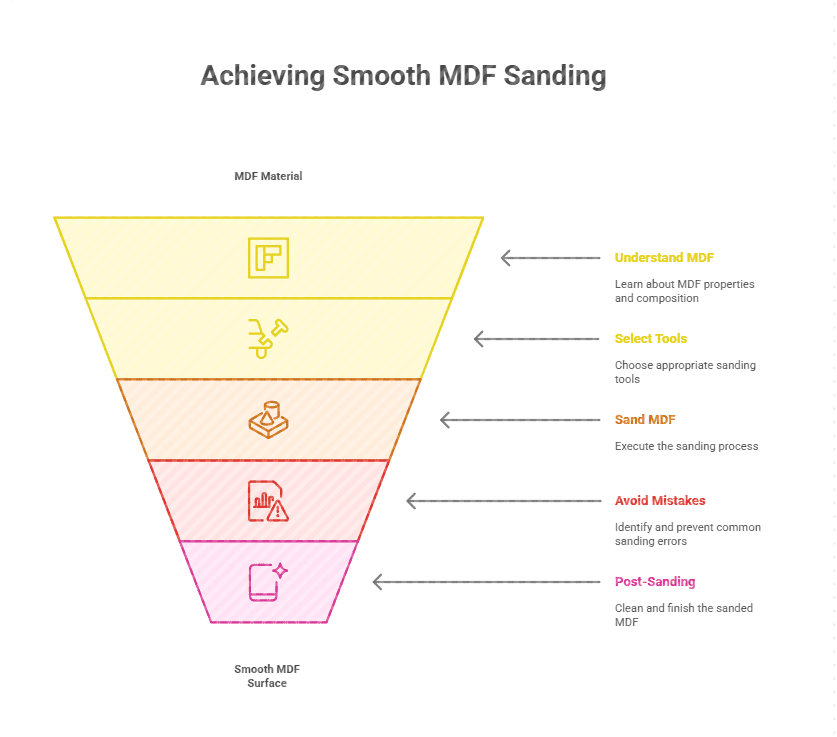
Post-sanding Tips
MDF can be sanded smoothly for a flawless finish. Avoid using coarse sandpaper to prevent surface damage. Dust removal is crucial for optimal paint or finish application.
Cleaning And Dust Removal
After sanding, clean the surface well. Dust and dirt can ruin the finish. Use a soft cloth or vacuum to remove dust. Make sure no dust is left behind. Dust can hide in small cracks. Pay extra attention to corners. A clean surface ensures a smooth finish.
Choosing The Right Sealant Or Finish
Sealants protect the wood from damage. Choose a sealant that suits your project. Water-based sealants dry fast and are easy to use. Oil-based ones offer a rich look. Check the label for instructions. Apply evenly with a brush or roller. Allow the sealant to dry completely. This gives the best results.
Expert Recommendations
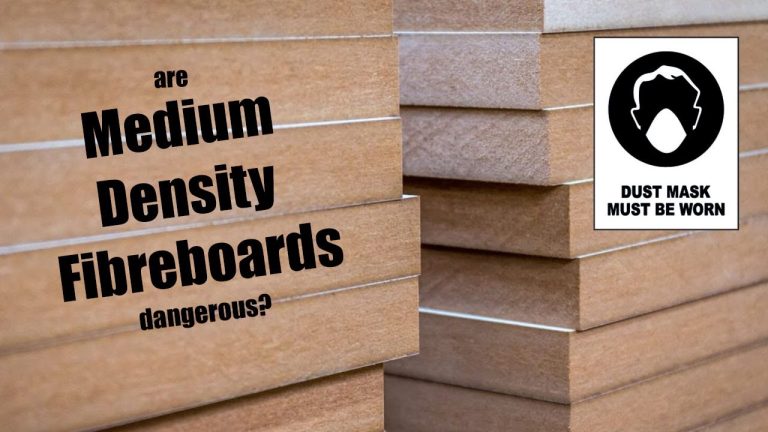
MDF is a popular choice for many projects. Professional woodworkers suggest using a fine-grit sandpaper. This helps in smoothing the surface. Avoid using coarse sandpaper, as it can damage the MDF. Always sand in a well-ventilated area. MDF dust can be harmful. It’s smart to wear a mask and goggles.
Sanding blocks are useful for edges. They provide better control. Electric sanders can make the job faster. But, be careful not to sand too much. This can ruin your project. Always check your progress. It helps in avoiding mistakes.
| Product | Description |
|---|---|
| Fine-grit Sandpaper | Ideal for smooth finishes on MDF. |
| Sanding Block | Great for detailed work and edges. |
| Electric Sander | Speeds up sanding but requires care. |
Frequently Asked Questions
What Kind Of Sandpaper Do You Use On Mdf?
Use 120-grit sandpaper for initial sanding on MDF. Follow with 180-grit for a smoother finish. Ensure even sanding to avoid surface damage. Always sand in a circular motion for best results.
Can I Sand Mdf By Hand?
Yes, you can sand MDF by hand. Use fine-grit sandpaper for smooth results. Sand gently to avoid damaging the surface. Ensure proper ventilation to minimize dust exposure. Hand sanding MDF is effective for detailed work and small areas. Always wear a mask to protect against dust particles.
Can You Plane The Edge Of Mdf?
Yes, you can plane the edge of MDF. Use sharp tools to avoid chipping. Sand the edges smoothly for best results.
Can You Use An Electric Sander On Mdf?
Yes, you can use an electric sander on MDF. Use a fine-grit sandpaper to avoid surface damage. Ensure the sander is kept moving to prevent overheating. Wear a mask to avoid inhaling dust, as MDF produces fine particles. Proper sanding can create a smooth finish for painting or sealing.
Conclusion
Sanding MDF is possible and effective with the right tools. Use sandpaper with fine grit for smoother results. Always wear a mask to avoid inhaling dust particles. Sand in a well-ventilated area for safety. Take breaks to reduce fatigue and ensure better work.
MDF is versatile but requires care during sanding. Proper technique enhances the finish and durability. Avoid excessive pressure to prevent damage. Practice patience for a more professional look. With these tips, your MDF projects will look polished. Enjoy the process and create beautifully finished surfaces.