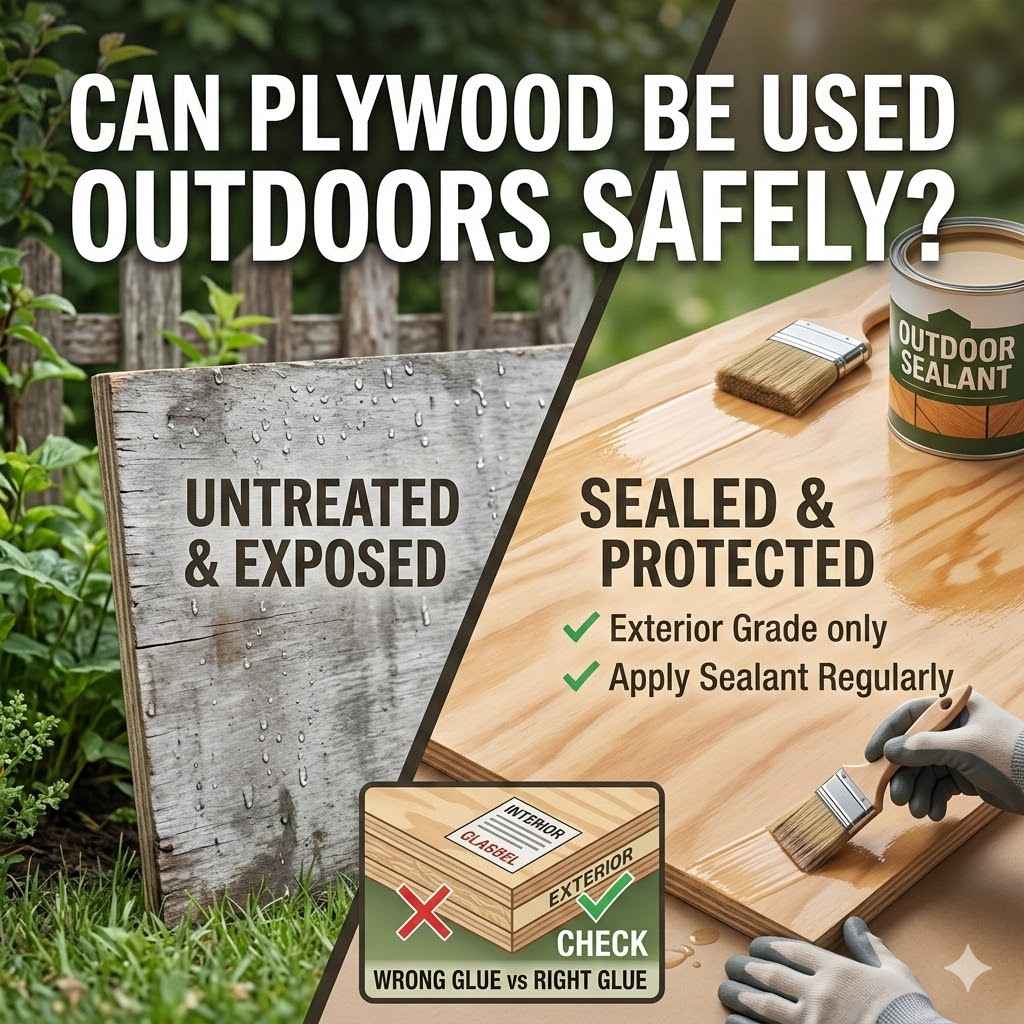
Can Plywood Be Used Outdoors Safely
Figuring out if you can use plywood outside is a question many folks ask. It can seem a bit tricky at first because not all plywood is made the same. Some types are great for sunny days and rain, while others need a bit more protection.
This guide will make it super simple. We’ll walk through everything you need to know step by step. Get ready to learn how to know if Can Plywood Be Used Outdoors Safely? and what to look for.
Understanding Plywood for Outdoor Use
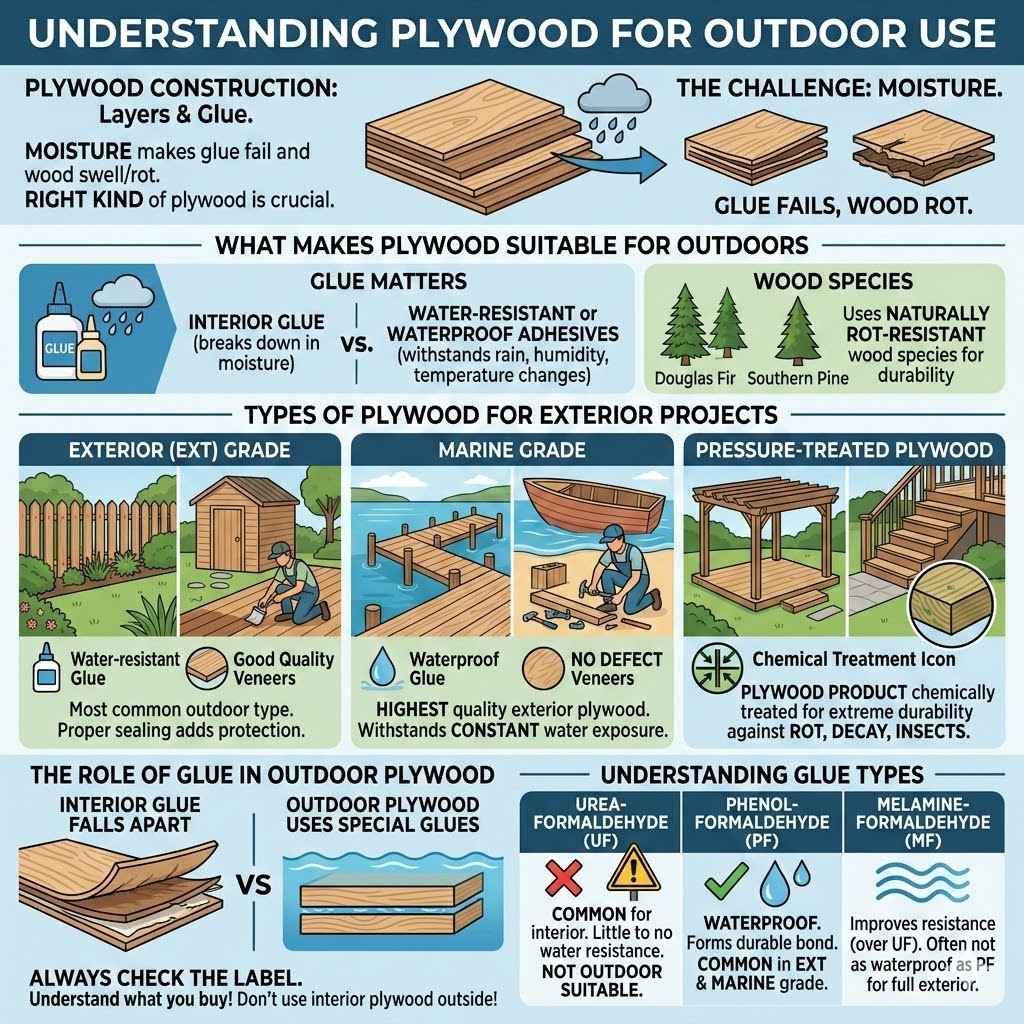
Plywood is a strong building material made from thin layers of wood glued together. When you think about using it outdoors, the biggest challenge is moisture. Water can make the glue fail and the wood itself swell and rot.
That’s why knowing the right kind of plywood is so important for any outdoor project. We’ll explore what makes certain plywood better suited for the elements and how to identify it.
What Makes Plywood Suitable for Outdoors
The key to plywood’s outdoor performance lies in its construction and the glues used. Standard interior plywood uses glues that can break down when exposed to moisture. This leads to delamination, where the layers start to separate.
Outdoor-rated plywood, on the other hand, uses water-resistant or waterproof adhesives. These glues are designed to withstand rain, humidity, and temperature changes without failing. Without these special glues, even the strongest wood can fall apart outdoors.
Another factor is the type of wood used. Some wood species are naturally more resistant to rot and decay than others. Plywood made with these more durable woods will last longer outside.
You’ll often see Douglas fir or Southern pine used in exterior-grade plywood because they offer a good balance of strength and outdoor resilience. The grading of the plywood also matters, as it indicates the quality of the veneer and the presence of defects that could be weak points.
Types of Plywood for Exterior Projects
There are specific types of plywood engineered for outdoor use. These are typically labeled for exterior applications. When you’re shopping, look for these designations.
They tell you that the manufacturer has used water-resistant glues and often better quality wood veneers.
- Exterior (EXT) Grade Plywood: This is the most common type for outdoor projects. It uses water-resistant glues. The veneers are often good quality, with fewer knots or patches compared to interior grades. This makes it suitable for things like fences, sheds, or even some decking applications when properly sealed.
- Marine Grade Plywood: This is the highest quality exterior plywood. It uses waterproof glues and has virtually no defects in its veneers. It’s built to withstand constant exposure to water, making it ideal for boat building, docks, and other projects that will be submerged or frequently wet.
- Pressure-Treated Plywood: While not a type of plywood itself, it’s a plywood product that has been chemically treated. The wood is put into a special chamber, and a chemical solution is forced deep into the wood fibers. This treatment makes the wood resistant to rot, decay, and insect infestation. It’s a very durable option for outdoor structures.
Choosing the right type ensures your project can withstand the weather. Using interior plywood outside is a recipe for disaster. It will start to fall apart very quickly, leading to costly repairs or needing to start your project over.
Always check the label and understand what you are buying.
The Role of Glue in Outdoor Plywood
The glue is arguably the most critical component that determines if plywood can be used outdoors safely. Interior plywood uses glues that are sensitive to moisture. When these glues get wet, they soften and lose their bond.
This causes the layers of wood to separate, a process called delamination. You might see the edges of the plywood start to peel apart, or the entire sheet could become weak and unusable.
Exterior grade plywood uses glues that are specifically designed to resist water. These are often referred to as water-resistant or waterproof adhesives. Water-resistant glues can handle occasional exposure to moisture, like rain or high humidity, without significant damage.
Waterproof glues, on the other hand, are meant to withstand continuous immersion in water. This makes marine grade plywood exceptionally durable for applications where it will be constantly exposed to wet conditions.
Understanding Glue Types
Common types of glues used in plywood manufacturing include:
- Urea-Formaldehyde (UF) Glue: This is a very common adhesive for interior plywood. It’s strong and cost-effective but offers little to no resistance to moisture. It is not suitable for outdoor use.
- Phenol-Formaldehyde (PF) Glue: This is a waterproof adhesive commonly used in exterior and marine grade plywood. It forms a strong, durable bond that can withstand prolonged exposure to moisture and varying temperatures without breaking down.
- Melamine-Formaldehyde (MF) Glue: Sometimes used in combination with UF, melamine can improve water resistance, but it’s not typically as waterproof as PF glue for full exterior applications.
The presence of PF glue in a plywood panel is a strong indicator that it is suitable for outdoor use. Manufacturers will often state the type of glue or indicate its suitability for exterior applications on the product packaging or specifications. Always verify this information before purchasing for an outdoor project.
Protecting Plywood for Outdoor Longevity
Even with the right type of plywood, protecting it from the elements will significantly extend its life. Outdoor projects are constantly exposed to sun, rain, wind, and temperature fluctuations. Without proper protection, even the most durable exterior plywood can eventually degrade.
Applying finishes and sealants creates a barrier that keeps moisture out and prevents the wood from drying out and cracking.
This protection is not just about appearance; it’s crucial for structural integrity. Water that seeps into the wood can lead to mold, mildew, and rot. UV rays from the sun can break down the wood fibers, making them brittle.
By taking preventative measures, you ensure your outdoor plywood structures remain strong and safe for years to come.
Sealing and Painting Plywood
Applying a good quality exterior sealant or paint is one of the most effective ways to protect plywood. Sealants penetrate the wood and form a protective barrier against moisture. Paints provide a thicker, more durable coating that shields the wood from both water and UV damage.
- Exterior Sealants: Look for water-based or oil-based sealants specifically designed for outdoor wood applications. These come in clear, tinted, or solid colors. They help prevent water absorption and can also offer UV protection. Applying two coats is generally recommended for maximum protection.
- Exterior Paints: High-quality exterior latex paints are a good choice. They are flexible enough to expand and contract with the wood as temperatures change, reducing the risk of cracking. Always use a primer designed for exterior wood before painting. This helps the paint adhere better and provides an extra layer of protection.
It’s important to prepare the surface properly before applying any finish. This means cleaning the plywood thoroughly to remove dirt, dust, or any old coatings. Sanding the surface can also help create a smoother finish and improve adhesion.
For best results, apply finishes when the wood is dry and the weather is mild, with no rain expected for at least 24-48 hours.
Applying Finishes Effectively
When painting or sealing plywood for outdoor use, follow these steps:
- Surface Preparation: Clean the plywood surface with a stiff brush or broom to remove loose debris. If the surface is dirty or stained, wash it with a mild detergent and water, then rinse thoroughly. Allow the wood to dry completely.
- Sanding: Lightly sand the surface with medium-grit sandpaper (around 120-grit) to create a smooth surface. This helps the primer and paint or sealant adhere better. Wipe away all sanding dust with a clean cloth or tack cloth.
- Priming: Apply a coat of high-quality exterior wood primer. This is especially important if you are painting. Primers help seal the wood, provide a uniform base color, and improve the adhesion and durability of the topcoat. Ensure the primer is suitable for the type of wood and finish you will be applying.
- Applying Topcoat: Once the primer is dry, apply your chosen exterior paint or sealant. Follow the manufacturer’s instructions for application, paying attention to drying times between coats. Typically, two coats of paint or sealant are recommended for adequate protection.
- Maintenance: Regularly inspect the finish for any signs of wear, such as peeling, cracking, or fading. Reapply sealant or paint as needed, usually every few years, to maintain protection.
Remember that even with the best finishes, some maintenance will be required over time. Outdoor elements are harsh, and periodic touch-ups will keep your plywood looking good and performing well.
Ventilation and Drainage for Outdoor Plywood
Proper ventilation and drainage are crucial for preventing moisture buildup, which is the main enemy of outdoor plywood. Even if the plywood is exterior grade and well-sealed, trapped moisture can still cause problems. Designing your project with these principles in mind will make a significant difference in its lifespan.
Good ventilation allows air to circulate around the plywood. This helps to dry out any moisture that might get in, whether from rain, dew, or condensation. Drainage ensures that any water that does accumulate can escape quickly and efficiently.
Without these features, moisture can sit against the wood, promoting rot and the growth of mold and mildew, even within the wood structure.
Designing for Airflow and Water Runoff
Here are some key considerations for ensuring good ventilation and drainage:
- Elevate Structures: If you’re building a platform, deck, or shed base, ensure it’s elevated off the ground. This allows air to circulate underneath and prevents water from pooling. Using concrete footings or piers is better than direct contact with soil.
- Gaps and Openings: For structures like sheds or outdoor furniture, incorporate small gaps or openings where possible. These can be strategically placed to allow for airflow without compromising security. For example, leaving a small gap at the top of a fence panel or under a workbench can make a big difference.
- Sloped Surfaces: Design any horizontal surfaces, like tabletops or roofing, with a slight slope. This encourages water to run off rather than collect in puddles. Even a small angle can be very effective in managing water.
- Avoid Traps: Be mindful of areas where water could collect and become trapped. This might include joints, corners, or areas where two pieces of wood meet at a right angle without a way for water to escape.
For instance, if you’re building an outdoor planter box, don’t just use a solid piece of plywood for the base. Drill drainage holes in the bottom to allow excess water to escape. If you’re building a workbench, make sure there are gaps between the top planks, or design it so that spills and rain can easily drip through and not sit on the surface.
A common mistake is to enclose a structure completely without any thought to airflow. This can lead to condensation forming on the inside, especially when there are significant temperature swings. This internal moisture can then damage the plywood from the inside out.
Always think about how air and water will move around and through your project.
Real-Life Examples and Scenarios
Understanding the theory is one thing, but seeing how it works in practice helps solidify the concepts. Many successful outdoor projects rely on the correct use of plywood, while others fail due to oversight. These examples illustrate the importance of choosing the right materials and taking the necessary protective steps.
Consider the difference between a hastily built backyard shed using standard plywood and one constructed with exterior-grade materials and proper sealing. The shed made with the wrong material will likely show signs of warping, delamination, and rot within a couple of years, especially in humid or rainy climates. The shed built correctly, however, will stand strong for much longer, requiring only occasional maintenance.
Successful Outdoor Plywood Projects
Outdoor kitchens, decks, fences, and garden sheds are all common projects where plywood is used. When exterior-grade plywood is chosen and properly finished, these structures can last for many years. For example, many deck skirting panels are made from exterior plywood.
When painted and maintained, they hold up well against the elements.
A popular DIY project is building raised garden beds. Using exterior-grade plywood for the sides, along with a good sealant, ensures the wood won’t break down from constant contact with moist soil and frequent watering. Even some outdoor furniture, like benches and tables, can be constructed from exterior plywood.
With the right finishing, they can be a cost-effective and durable option.
Here’s a scenario:
- A homeowner wants to build a small outdoor storage unit for garden tools. They opt for exterior-grade plywood and paint it with a good quality exterior paint after priming. They also ensure the unit is slightly elevated and has a sloped roof. This unit remains in good condition for over ten years with minimal upkeep, only needing a fresh coat of paint after about seven years.
- Another homeowner decides to save money by using standard interior plywood for a similar storage unit. They paint it, but the glue begins to fail within two years due to constant exposure to rain and humidity. The edges of the plywood start to peel, and the panels become soft and warped, requiring replacement much sooner than anticipated.
These examples highlight that the initial cost difference between interior and exterior plywood is often minor compared to the long-term cost of repair or replacement.
Common Pitfalls to Avoid
One of the most frequent mistakes is using interior plywood for outdoor projects. This is often done to save money upfront. However, this oversight quickly leads to premature failure of the project.
The plywood will warp, delaminate, and rot, rendering it useless.
Another pitfall is failing to properly seal or paint exterior-grade plywood. While it’s designed for outdoor use, it’s not invincible. Without a protective coating, moisture can still penetrate the wood, leading to rot and decay over time, especially in areas with heavy rainfall or high humidity.
UV rays can also degrade the wood fibers.
Here are some common pitfalls:
- Assuming all plywood is the same: This is a dangerous assumption for outdoor projects. Always verify the grade and intended use of the plywood.
- Skipping the primer: A good primer is essential for the longevity of paint or sealant. It seals the wood and provides a uniform surface for the topcoat.
- Poor drainage and ventilation: Not allowing for water to run off and air to circulate can trap moisture and cause rot, even in treated or exterior-grade wood.
- Neglecting maintenance: Outdoor projects require regular inspection and upkeep. Failure to address minor issues like peeling paint or small cracks can lead to larger problems down the line.
For instance, consider a picnic table made from exterior plywood. If it’s left unsealed and untreated, the surface will quickly become rough, stained, and susceptible to rot. However, if it’s sealed and painted, it can withstand years of use and weather exposure, becoming a beloved outdoor fixture.
Can Plywood Be Used Outdoors Safely? The Verdict
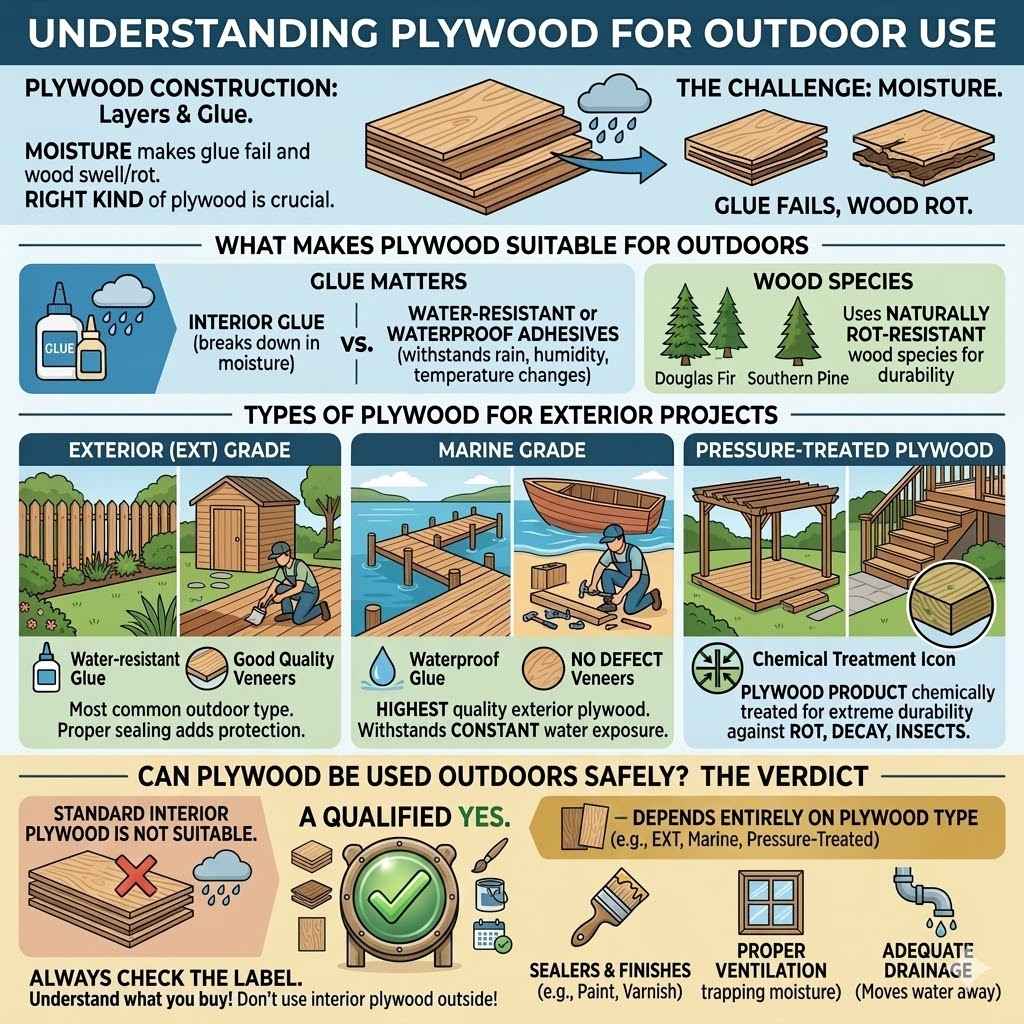
The answer to “Can Plywood Be Used Outdoors Safely?” is a qualified yes. It depends entirely on the type of plywood and how it’s prepared and maintained. Exterior-grade plywood, marine-grade plywood, or pressure-treated plywood are all suitable for outdoor use when installed correctly.
Standard interior plywood is not suitable and will not last outdoors.
Protecting any plywood used outdoors with appropriate sealants, paints, and finishes is crucial for its longevity and safety. Proper ventilation and drainage are also key to preventing moisture damage. By making informed choices and taking these protective measures, you can confidently use plywood in a wide range of outdoor applications.
Frequently Asked Questions
Question: What is the main difference between interior and exterior plywood?
Answer: The main difference lies in the type of glue used. Exterior plywood uses water-resistant or waterproof adhesives, while interior plywood uses glues that break down when exposed to moisture.
Question: Can I use any plywood for a garden planter box?
Answer: It’s best to use exterior-grade plywood or pressure-treated plywood for garden planter boxes. These materials are designed to withstand moisture from the soil and watering. Remember to add drainage holes.
Question: How often should I reapply sealant to outdoor plywood?
Answer: You should inspect the sealant annually and reapply as needed, typically every two to five years, depending on the climate and the quality of the sealant used.
Question: What happens if I use interior plywood outside?
Answer: Interior plywood will delaminate, warp, and rot quickly when exposed to outdoor elements like rain and humidity. It will lose its structural integrity and become unusable.
Question: Is marine grade plywood necessary for all outdoor projects?
Answer: Marine grade plywood is the highest quality and uses waterproof glues and defect-free veneers. It’s ideal for projects with constant water exposure, like boat building. For many other outdoor projects, exterior-grade plywood is sufficient and more cost-effective.
Summary
Yes, plywood can be used outdoors safely if you choose the right type. Always opt for exterior-grade, marine-grade, or pressure-treated plywood. Protect it with quality sealants and paints.
Ensure good airflow and drainage. With these steps, your outdoor projects will be strong and last a long time.