Is Polywood Good for Outdoor Furniture? (Real Numbers Inside)
Polywood — the generic name for outdoor furniture made from recycled HDPE (high-density polyethylene) lumber — is an excellent choice for outdoor furniture, with one real exception: budget, lightweight seating. HDPE pieces run $150–$600 per chair, weigh 30–60 lbs each, and only earn that price with a real warranty behind them — the original POLYWOOD® brand backs its lumber for 20 years residential use. If you’re weighing it against building your own cushions from fabric instead, see our by-the-yard fabric vs Polywood comparison. This guide covers the weight, warranty, and cost numbers most reviews skip, plus when wood, aluminum, or wicker still wins.
Note: Insert your Affiliate Disclosure reusable block here.
Quick Answer
Yes — Polywood (recycled HDPE lumber) resists rot, insects, moisture, and UV fading without painting, staining, or sealing, and most brands rate it for 15–20+ years outdoors. The trade-offs: it costs more upfront than aluminum or resin wicker, and a single Adirondack chair typically weighs 30–60 lbs.
What Is Polywood, Actually?
Best Polywood Cleaner Pick
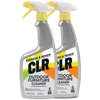
CLR Outdoor Furniture Cleaner, 26 oz (Pack of 2)
A general-purpose outdoor cleaner safe on HDPE, aluminum, and most patio surfaces — built for the pollen film and grime polywood collects even though it never needs sealing.
- Best for: Routine cleaning of HDPE Adirondack chairs, tables, and benches
- Why we picked it: Rinses clean with a hose, no scrubbing required on smooth HDPE surfaces
- Main drawback: Not formulated for wood — keep it off any real-wood pieces on the same patio
Compare more polywood care options
 Option 1 Krud Kutter Degreaser Spray, 32 oz
|
 Option 2 Rejuvenate Outdoor Restorer, 16 oz
|
 Option 3 Mold Armor Mold Blocker, 32 oz
|
As an Amazon Associate we earn from qualifying purchases.
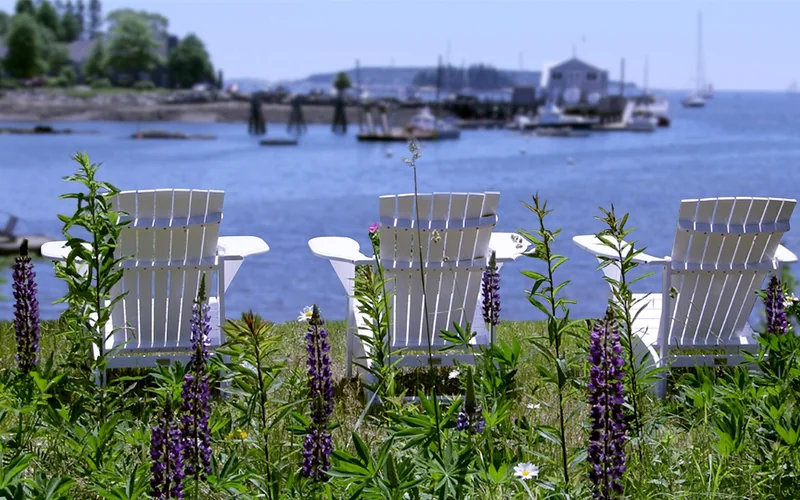
Polywood is high-density polyethylene (HDPE) lumber — recycled plastic (mostly milk jugs and detergent bottles) melted, blended with UV-stabilizing color pigment, and extruded into boards that are cut and assembled like real lumber. It doesn’t have grain, doesn’t splinter, and needs no finish.
One terminology mix-up worth clearing up: POLYWOOD® is also a registered furniture brand (POLYWOOD, LLC, founded in the early 1990s in Edgewater, Florida), the way Kleenex is a tissue brand. Over time “polywood” became the generic term shoppers use for any HDPE outdoor furniture, whether it’s made by POLYWOOD, Trex Outdoor Furniture, DuraWood, or a dozen smaller HDPE makers. This guide uses “polywood” the generic way — the material category — and calls out the branded product specifically wherever a number (like the warranty) only applies to that one company.
The Real Numbers: Weight, Warranty, and Weight Rating
Most polywood reviews repeat the same three adjectives — durable, low-maintenance, weather-resistant — without a single number attached. Here’s what the spec sheets and ASTM testing actually say:
| Spec | Typical Number | Why It Matters |
|---|---|---|
| Chair weight | 30–60 lbs (Adirondack style) | Won’t blow around in wind, but two hands needed to move it |
| Weight capacity | 300 lbs standard, up to 650 lbs on oversized models | Tested to ASTM commercial-use standards, not just residential |
| Residential warranty | Up to 20 years (brand-dependent) | Covers cracking, splintering, rot, and insect damage — check before buying an off-brand HDPE set with no stated term |
| Realistic lifespan | 15–20+ years outdoors | Roughly double a mid-grade cedar or teak set with the same care level |
| Price per chair | $150–$600 | Branded HDPE runs 2–3x generic composite lumber; the warranty is usually the difference |
Not every seller states a warranty term — that omission is itself useful information. If an HDPE furniture listing doesn’t list a specific number of years, assume it’s closer to a standard 1–3 year manufacturer defect warranty, not the 20-year residential coverage the original POLYWOOD brand offers.
Polywood vs. Wood, Metal, and Resin Wicker
| Material | Maintenance | Best For |
|---|---|---|
| Polywood (HDPE) | Soap and water only — no sealing | Buy-once, forget-it seating near pools, decks, and coastlines |
| Teak / cedar | Annual oiling or sealing to prevent graying | Buyers who want a natural wood look and don’t mind upkeep |
| Aluminum | Occasional rinse; won’t rust | Lightweight seating that needs to be moved or stored often |
| Resin wicker | Rinse; cushions need indoor storage | Lower upfront cost, softer look, shorter lifespan (5–10 years) |
If pressure-treated wood is also on your shortlist, the maintenance gap is the deciding factor: PT lumber still needs re-sealing every 1–2 years outdoors, where HDPE needs none.
Design, Color, and Comfort
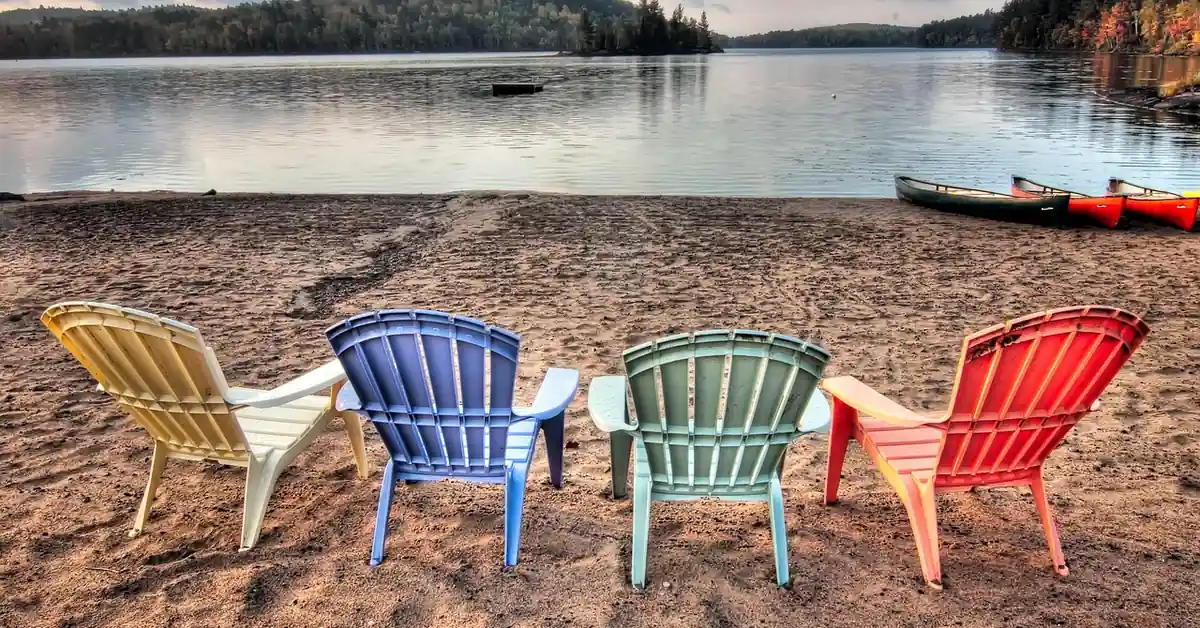
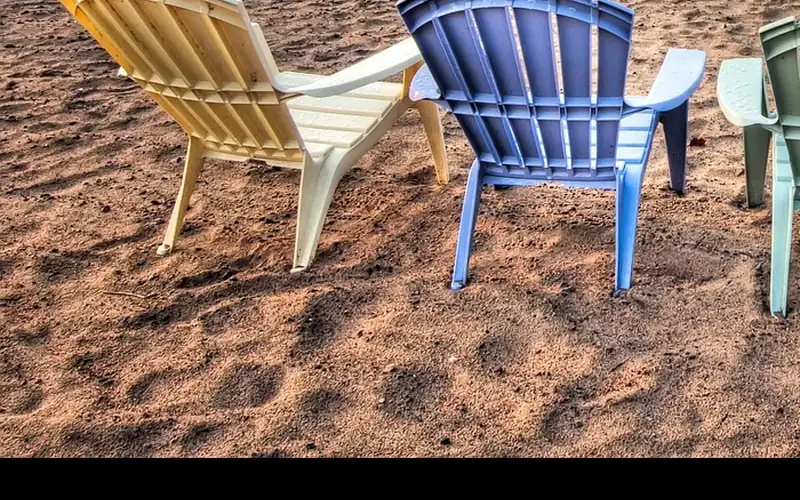
HDPE lumber is colored all the way through during extrusion, not painted on the surface — so a scratch shows the same color underneath instead of bare plastic or primer. That’s why polywood holds up to scuffs better than a painted wood or metal chair over time. Styles run from classic slatted Adirondack chairs to modern curveback and folding designs, in 10–20+ colors depending on the maker.
Practical Considerations Before You Buy
Two issues show up in real backyards that most articles skip. First, dark colors heat up in direct sun — a black or dark-brown HDPE seat can get uncomfortably hot on a 90°F afternoon, more than a wood seat of the same color, because plastic doesn’t dissipate heat the way wood does. Choose a lighter color for full-sun spots. Second, smooth light colors show mildew film faster than textured or darker finishes, especially in humid climates — a quick wipe-down every few weeks in summer prevents the gray haze from setting in, which is cheaper than a full restoration treatment later.
Polywood Pros and Cons
| Pros | Cons |
|---|---|
| No painting, staining, or sealing — ever | Higher upfront cost than aluminum or resin wicker |
| Resists rot, insects, rust, and moisture damage | Heavier than most alternatives (30–60 lbs per chair) |
| 15–20+ year realistic lifespan | Dark colors get hot in direct sun |
| Made from recycled plastic; fully recyclable again at end of life | Doesn’t replicate real wood grain or texture |
Is Polywood Durable For Outdoor Use?
Yes. HDPE lumber resists moisture, UV rays, and temperature swings without cracking, chipping, or fading the way painted wood does. Most brands back it with a residential warranty of 10–20 years, which is the more reliable durability signal than marketing copy alone.
How Does Polywood Compare To Real Wood?
Polywood needs no annual oiling, staining, or sealing, while teak and mahogany both require upkeep to prevent graying. Polywood costs more upfront but usually costs less over a 10–year span once you factor in the sealant, sandpaper, and labor real wood needs.
Is Polywood The Same Thing As HDPE?
Yes, in the generic sense — “polywood” is the common name for HDPE (high-density polyethylene) lumber. It’s a separate thing from POLYWOOD®, the specific furniture brand; every POLYWOOD-brand piece is HDPE, but not every HDPE piece is made by the POLYWOOD brand.
Does Polywood Furniture Get Hot In The Sun?
It can, particularly in dark colors. Because HDPE plastic conducts and holds heat differently than wood grain, a black or espresso-colored seat can feel noticeably hotter to the touch than a tan or white one on the same sunny afternoon.
Is Polywood Eco-Friendly?
Yes. It’s made primarily from recycled plastic — commonly milk jugs and detergent bottles — diverting material from landfills, and HDPE lumber itself is recyclable again at the end of its life, unlike treated wood or composite blends with glued-in wood fiber.
Is Polywood Worth The Higher Price?
For furniture you plan to keep 10+ years without repainting or replacing, yes — the per-year cost usually beats cheaper materials once maintenance and replacement are factored in. For a rental property or a piece you expect to replace in a few seasons, aluminum or resin wicker is the more budget-friendly call.
Bottom Line
Polywood earns its reputation: HDPE lumber genuinely resists rot, insects, and weather without upkeep, and a 15–20 year lifespan backed by a real warranty makes the higher price defensible for furniture you’re keeping long-term. Budget for the weight (30–60 lbs per chair), pick a lighter color if the spot gets full sun, and check the warranty term before buying an off-brand set. If you’re set on a natural wood look and don’t mind yearly maintenance, teak or mahogany is still the better fit; for maximum portability, aluminum wins.
Sponsored / affiliate links. As an Amazon Associate I earn from qualifying purchases. I may earn additional commission from eligible campaigns.