Can You Use a Storage Unit as a Workshop? Fire Code & Tool Rules
Most self-storage leases and fire code ban power tools, welding, and sawdust work inside a unit, though drive-up and climate-controlled units sometimes allow hand-tool work with written permission. Break the no-business clause and the facility can evict you without refund, and homeowners insurance typically caps off-site tool coverage at 10% of your personal property limit. This guide covers what is actually banned, real unit-size pricing, and why 40-55% humidity control matters more for wood than for anything else stored.
Quick Answer
Generally no for power-tool woodworking — most storage leases and fire codes prohibit machinery, welding, and prolonged occupancy inside a unit. Quiet hand-tool work (assembly, hand sanding, small finishing jobs) is sometimes allowed in drive-up or climate-controlled units with the facility’s written permission. Always confirm with management before moving in tools; violating the lease can mean eviction without a refund.
What Storage Facilities Actually Allow
Best Mini Dehumidifier Pick

ToLife Dehumidifier, 1000 Sq Ft, 95 oz Tank with Sleep Mode
Rated for up to 1000 sq ft with a two-mode design and auto shutoff — sized for a drive-up unit rather than a closet.
- Best for: Larger drive-up units (10×15 or 10×20) where humidity swings the most
- Why we picked it: The 95 oz tank and 1000 sq ft rating mean fewer empty-and-restart trips if you’re not visiting daily
- Main drawback: At nearly 14 inches tall, it takes up more bench-adjacent space than a corner unit needs
Compare more dehumidifier options
 Option 1 TABYIK 35 OZ Compact Dehumidifier
|
 Option 2 BEDRED 95OZ Dehumidifier, 1000 Sq Ft
|
 Option 3 CLEVAST Small Quiet Dehumidifier, 30 oz
|
As an Amazon Associate we earn from qualifying purchases.
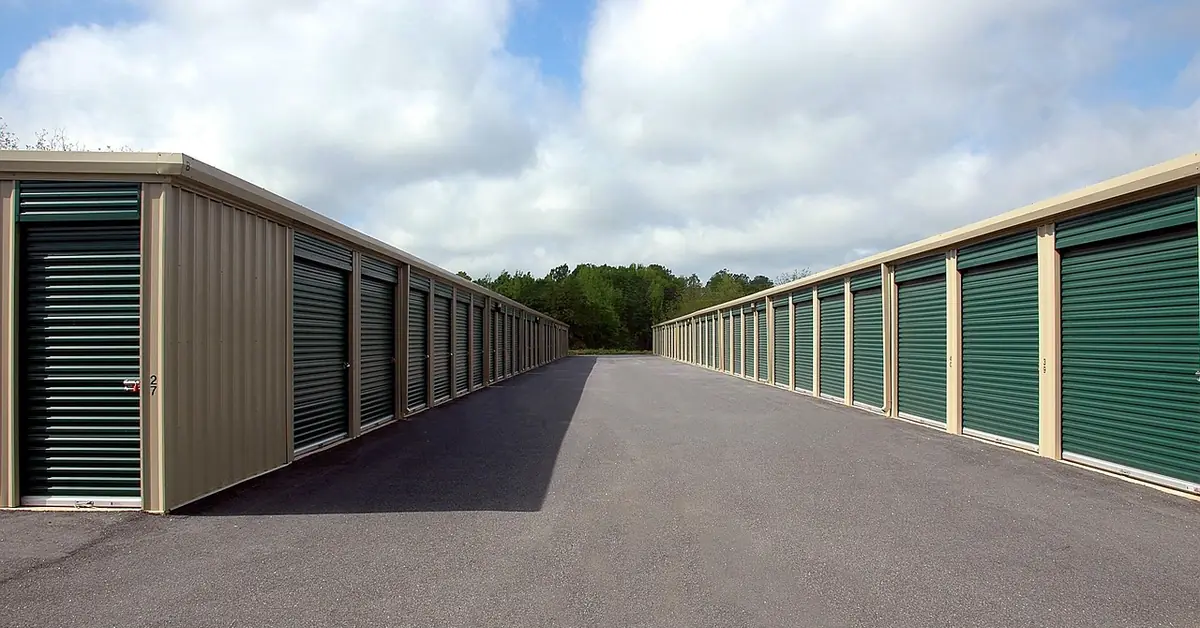
Nearly every self-storage lease includes a clause barring “business operations” or “manufacturing” from the unit — and self-service storage facilities are classified under a separate occupancy category from workshop or industrial space, which is the legal basis facilities use to enforce it. Zoning follows the same logic: a storage park is zoned for storage, not for a use that generates noise, dust, or foot traffic.
That said, enforcement varies a lot by facility. Some drive-up locations look the other way on quiet hand-tool work as long as you’re not running machinery, taking on paying customers, or spending hours there every day. The only way to know for certain is to ask the property manager directly and get the answer in writing — a verbal “should be fine” from a front-desk employee isn’t the same as an addendum to your lease. If a storage unit turns out not to work for your situation, our full collection of workshop and tool setup guides covers more permanent alternatives.
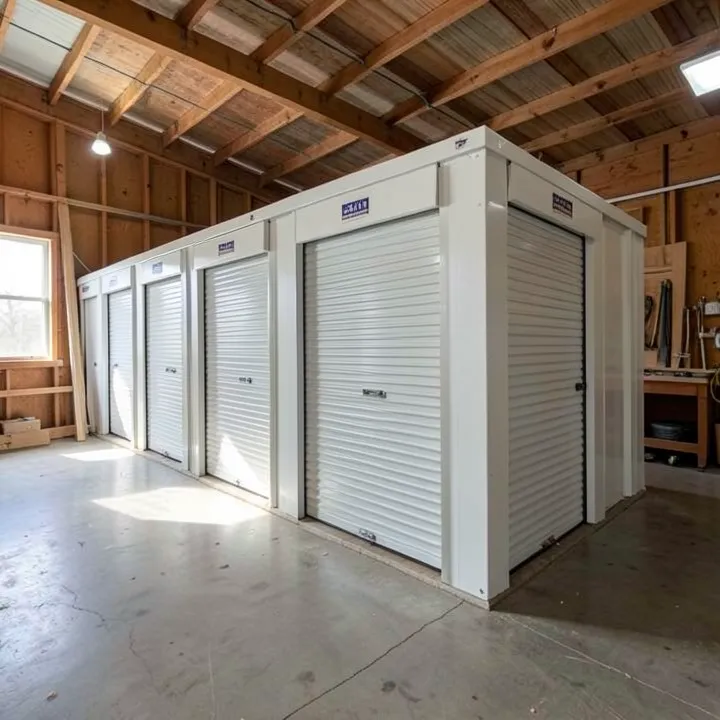
Woodworking-Specific Rules: What’s Banned vs. What’s Fine
Generic “can I use a storage unit as a workshop” advice lumps woodworking in with quiet hobbies like painting miniatures or organizing collectibles. Woodworking is different — it produces combustible dust, uses motorized equipment, and often involves flammable finishes, which is exactly the combination fire code and facility insurance are written to keep out of a shared building. Here’s what that actually means tool by tool:
| Activity / Tool | Typical Status | Why |
|---|---|---|
| Hand tools, cordless drill/driver, hand sanding, glue-ups | Usually allowed with permission | No open flame, minimal dust, low fire load |
| Table saw, miter saw, planer, router, sanders | Banned at most facilities | Continuous sawdust plus a motor is treated as production/manufacturing use under fire code |
| Spray finishing, lacquer, aerosol stains | Banned almost everywhere | Flammable vapors build up in an unventilated, enclosed unit |
| Welding, torch work, soldering | Banned everywhere | Open flame is a fire-code violation in a shared building |
| Air compressors, generators | Banned at most facilities | Exceeds the unit’s electrical capacity and triggers noise complaints |
| Storing bulk solvents or flammable finishes | Banned or restricted | Same fire-code classification as flammable-liquid storage |

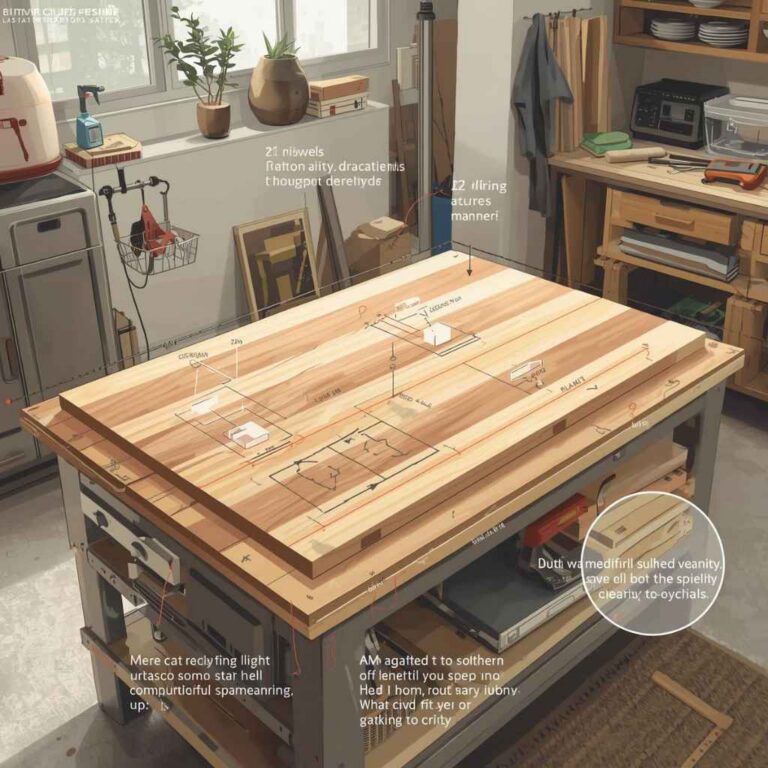
In practice, that leaves a storage unit workshop best suited to assembly, finishing that’s already cured elsewhere, glue-ups, hand-tool joinery, and inventory storage — not stock breakdown or machine work. If your project needs a table saw or planer, plan to do that step at home, a makerspace, or a friend’s shop, then use the unit for the quieter steps.
A Real Example: Storage-Unit Workshops in Practice
The video below shows a furniture-flipping business run out of storage units — a useful look at what facilities that do permit light work actually expect from tenants, and where the practical limits show up.
Storage Unit Sizes and Real Pricing for a Workshop
Unit size drives both cost and what you can realistically do inside. Industry pricing data puts workshop-suitable units in these ranges:
| Unit Size | Typical Monthly Cost | What Actually Fits |
|---|---|---|
| 5×10 | $60–$120 | Tool tote storage and a fold-down bench — no room to run stock through anything |
| 10×10 | $90–$160 | A compact workbench and clamping station, light assembly work |
| 10×15 | $120–$220 | Workbench plus lean storage for sheet goods, moderate hand-tool work |
| 10×20 (drive-up) | $150–$280 | Full sheet-goods storage and the best airflow of the bunch with the door up — the strongest option if a facility allows any powered work at all |
A drive-up 10×20 costs roughly double a 5×10, but it’s the only size on this list where opening the door actually solves your ventilation problem instead of just creating a smaller one.
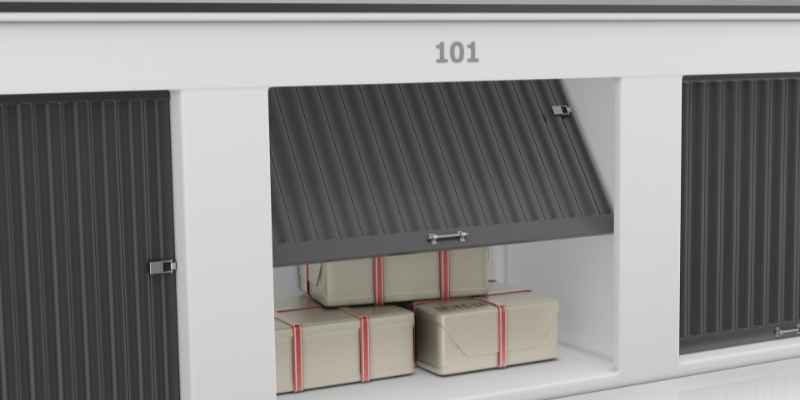
Why Humidity Control Matters More for Wood Than Almost Anything Else You’d Store
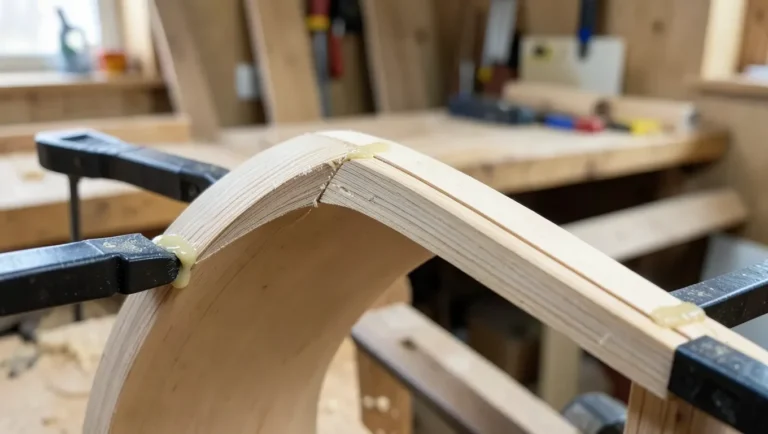
Climate-controlled storage is a unit type that holds temperature and humidity inside a narrow range instead of tracking the outdoor swing. For most of what people store — furniture, electronics, documents — that’s a nice-to-have. For wood, it’s closer to a requirement, because wood glue and finish both need a stable 40–55% relative humidity to cure correctly; outside that range, joints can delaminate and finishes can cloud or fail to level out.
📊 Wood adhesives and finishes need 40–55% relative humidity to cure without delaminating or clouding — a standard (non-climate-controlled) unit can swing far outside that range between seasons.
Non-climate-controlled units also run hotter and more humid than they look from the outside, since they’re uninsulated metal boxes sitting in direct sun. That’s a bigger deal for glue-ups and finish work than it is for stacking totes.
In my own shop, a swing from around 30% to 70% relative humidity across a season is enough to open hairline gaps in edge-glued panels — and a storage unit with no HVAC will see wider swings than that. If you’re gluing up panels or waiting on a finish to cure inside the unit, the extra monthly cost of a climate-controlled or drive-up-with-AC option is usually worth it.
— Woodworking Advisor, from 12+ years in the shop
Power, Lighting, and Dust Control
Most storage units are wired for one overhead light and a single outlet — enough for a shop light and a battery charger, not enough for shop-vac-and-tool-at-once. A portable power station with multiple outlets solves the outlet shortage without exceeding the unit’s electrical capacity, which facility management will flag if you trip a breaker for the whole row.
Dust is the bigger issue than most people expect. Many storage buildings share hallway airflow or HVAC returns across multiple units, so sawdust isn’t just a personal housekeeping problem — it’s a shared-building fire-code concern, since fine wood dust is combustible in enough concentration. That’s a real part of why facilities enforce the no-power-tools rule as strictly as they do, not just liability paperwork.
Insurance: What’s Actually Covered
Homeowners and renters insurance usually caps off-premises personal property coverage at around 10% of your total personal property limit — and business equipment kept off-site is frequently excluded outright, since the policy assumes personal, not commercial, use. If your tools represent a real investment, ask your agent about a business property endorsement or a standalone policy before you rely on your homeowners policy to cover a break-in or fire at the unit.
- Ask the facility whether their own tenant-protection plan covers tools and equipment, not just general contents
- Confirm whether your existing policy’s off-premises clause excludes items used for business purposes
- Photograph and keep receipts for higher-value tools stored in the unit — insurers ask for this after a claim, not before
Common Mistakes That Get Storage-Unit Workshops Shut Down
- Skipping written approval: a verbal okay from staff isn’t binding if a different manager or corporate audit flags the unit later.
- Running anything that trips a breaker: repeated electrical overloads get units flagged fast, since they affect neighboring tenants too.
- Storing flammable finishes in bulk: a few cans of finish for personal use reads differently to a facility than a shelf of solvents and thinners.
- Noise audible outside the unit: if a neighbor can hear it through the wall, it’s already too loud for most facility policies.
- Treating it like a second home: extended hours on-site, sleeping, or regular visitors reads as occupancy, which most leases separately prohibit.
Alternatives If Your Facility Says No
If the facility’s answer is a hard no, a storage unit can still work as pure tool and material storage while the actual cutting and machine work happens somewhere that allows it. A wood shed you build yourself gives you a dedicated structure without a facility’s fire-code restrictions, since it’s not shared space. For dust control wherever you end up working, a shop vacuum sized to your tools and the right dust collector bags matter more in a small space than in an open garage, since there’s less air volume to dilute the dust.
A community makerspace is worth checking too — you get access to shared table saws, planers, and dust collection systems that no storage unit will ever legally host, often for less than the cost of a 10×20 drive-up unit. And if space at home is the real constraint, upgrading a garage or basement corner with a proper tool setup sized to the room usually beats a storage unit long-term, since you’re not paying rent on top of the tools themselves.
Frequently Asked Questions
Can I use a storage unit as a workshop?
Generally not for power-tool woodworking. Most storage leases and local fire codes prohibit machinery, welding, and extended occupancy inside a unit. Quiet hand-tool work is sometimes allowed in drive-up or climate-controlled units, but only with the facility’s written permission — always confirm with management before moving tools in.
What tools are typically banned in a storage-unit workshop?
Table saws, miter saws, planers, routers, sanders, welding equipment, air compressors, and generators are banned at most facilities because they create sawdust, sparks, fumes, or noise that violates fire code and lease terms. Hand tools and cordless drivers are usually fine with permission.
Do storage units have power outlets for tools?
Most units include only a single overhead light and one outlet, which is enough for a work light or a battery charger but not for running power tools continuously. A portable power station can add outlets without exceeding the unit’s electrical capacity.
Does climate control matter for a woodworking storage unit?
Yes. Wood glue and finish need roughly 40–55% relative humidity to cure properly, and a standard non-climate-controlled unit can swing well outside that range between seasons, risking delamination or a finish that never levels out. Climate control matters far more for wood than for most other items people store.
Do I need insurance for a workshop in a storage unit?
Yes. Homeowners and renters insurance typically caps off-premises coverage at around 10% of your personal property limit, and equipment used for business purposes is often excluded outright. Ask your insurer about a business property endorsement if your tools represent a significant investment.
What size storage unit works best for a woodworking workshop?
A 10×20 drive-up unit ($150–$280/month) gives the most usable floor space and the best airflow with the door open. A 10×10 or 10×15 ($90–$220/month) works for lighter hand-tool assembly and moderate material storage; a 5×10 is really tool and tote storage rather than a workspace.
Conclusion: Is It Right for You?
A storage unit works as a woodworking space only within real limits: hand tools and assembly are usually fine with the facility’s written permission, but power tools, welding, and spray finishing are banned nearly everywhere for fire-code reasons that won’t bend for a good excuse. If your projects genuinely need machine work, treat the unit as material and tool storage and do the cutting elsewhere — a community makerspace, a home garage, or a shed you control outright. Get the facility’s answer in writing, size the unit for airflow rather than the bare minimum, and budget for climate control if glue-ups or finishing happen inside.
Sponsored / affiliate links. As an Amazon Associate I earn from qualifying purchases. I may earn additional commission from eligible campaigns.