Can Pressure Treated Wood Be Used Inside? Key Insights
Yes, pressure treated wood can be used inside for certain applications such as sub-flooring, interior framing, and attic and basement wall framing. However, it is often costly and unnecessary to do so.
It is important to note that pressure treated wood should not be used in areas where it may come into direct or indirect contact with food, animal feed, or drinking water. While pressure treated wood is treated with chemicals to resist rot and decay, it is important to use it safely and appropriately.
We will discuss the use of pressure treated wood indoors and where it is recommended to use it. We will also cover some frequently asked questions about pressure treated wood.
Introduction To Pressure Treated Wood
Pressure treated wood can be used safely indoors for applications such as sub-flooring, interior framing, and attic and basement wall framing. While it may be costly and unnecessary, it can provide durability and protection against moisture and pests. However, it should not be used in direct contact with human or animal food or beehives.
Properties Of Pressure Treated Wood
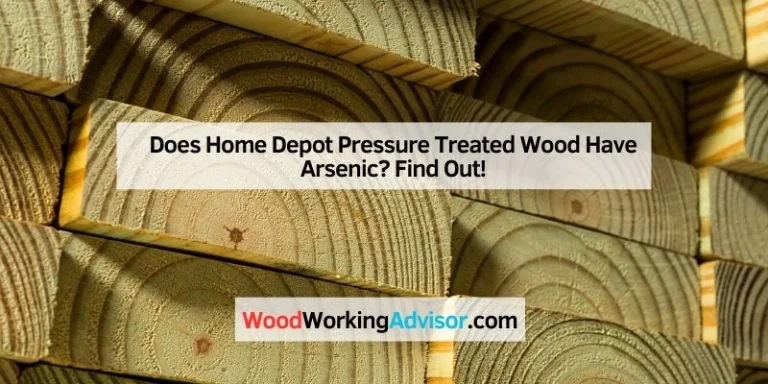
Pressure treated wood is infused with preservatives to protect it from decay, rot, and insect damage. The treatment process involves placing the wood in a pressurized cylinder, where the preservatives are forced into the wood fibers. This makes the wood highly resistant to environmental factors, making it durable and long-lasting. The most common preservatives used include alkaline copper quaternary (ACQ) and copper azole.
Common Uses Of Pressure Treated Wood
Pressure treated wood is extensively used in outdoor structures such as decks, fences, and landscaping features. It is also commonly used for outdoor furniture, playground equipment, and utility poles. The high resistance to decay and insect damage makes it suitable for applications in direct contact with the ground or water. Additionally, pressure treated wood is often used in marine environments due to its ability to withstand moisture and exposure to saltwater.
Indoor Use Of Pressure Treated Wood
Pressure treated wood is commonly used for outdoor projects due to its resistance to rot, decay, and insect damage. However, there may be instances where using pressure treated wood indoors is necessary. In this article, we will explore the considerations, safety concerns, and cost implications of using pressure treated wood inside your home.
Safety Considerations
While pressure treated wood can be used safely in indoor applications, it is important to take certain precautions. The treatment process involves impregnating the wood with chemicals, such as copper-based compounds, to protect it from pests and decay. These chemicals can potentially leach out of the wood over time and may pose a risk to human health.
To ensure safe indoor use of pressure treated wood, consider the following:
- Only use pressure treated wood that is labeled for indoor use.
- Avoid using pressure treated wood in areas where it may come into direct contact with food, such as kitchen countertops or dining tables.
- Seal the wood with an appropriate sealant or paint to minimize the risk of chemical leaching.
- Follow proper handling and disposal guidelines for pressure treated wood waste.
Cost Implications
Using pressure treated wood indoors can be more expensive compared to alternative options. Pressure treated wood typically costs more than untreated wood, and the additional cost may not be necessary for indoor applications where the wood is not exposed to moisture or pests.
Consider the following cost implications:
- Explore alternative materials such as untreated wood, composite materials, or engineered wood products that may be more cost-effective for indoor projects.
- Consult with a professional contractor or builder to determine the best material for your specific indoor project, considering both cost and performance.
While pressure treated wood can be used indoors, it is important to weigh the safety considerations and cost implications before making a decision. By understanding the potential risks and exploring alternative options, you can ensure a safe and cost-effective choice for your indoor projects.
Risk Assessment
When considering the use of pressure treated wood indoors, it is crucial to conduct a thorough risk assessment to ensure the safety of occupants and compliance with regulations. The assessment should focus on chemical treatments and potential health risks, as well as applicable regulations and safety standards.
Chemical Treatments And Health Risks
Pressure treated wood is infused with preservatives to protect it from decay and insect damage. The most common chemical treatments include chromated copper arsenate (CCA), alkaline copper quat (ACQ), and copper azole. These treatments can pose health risks if proper precautions are not taken. Exposure to the chemicals in treated wood, through inhalation of sawdust or direct skin contact, can lead to various health issues, including skin irritation, respiratory problems, and, in the case of CCA, potential arsenic exposure.
Regulations And Safety Standards
Regulatory bodies such as the Environmental Protection Agency (EPA) and Occupational Safety and Health Administration (OSHA) have established guidelines and safety standards for the use of pressure treated wood. It is imperative to adhere to these regulations to minimize potential health hazards and environmental impacts. Safety measures such as wearing appropriate protective gear, utilizing proper ventilation, and following specific handling and disposal procedures are essential when working with pressure treated wood indoors.
Practical Indoor Applications
Pressure treated wood can be used indoors for certain practical applications such as sub-flooring, interior framing, and attic or basement wall framing. However, it may be costly and unnecessary for indoor use. It’s important to consider the specific needs of the project before deciding to use pressure treated wood inside.
Sub-flooring And Framing
Pressure-treated wood can be a practical option for sub-flooring and framing in indoor applications. Sub-flooring refers to the layer of material that sits directly on top of the floor joists and provides a stable base for the finished floor. Using pressure-treated wood for sub-flooring can help protect against moisture damage, mold, and rot, especially in areas prone to high humidity or potential water exposure.
When it comes to framing, pressure-treated wood can be used for interior walls or partitions in areas such as bathrooms, kitchens, or laundry rooms, where moisture levels may be higher. The treated wood can provide added durability and resistance to moisture-related issues, ensuring the structural integrity of the framing.
Attic And Basement Considerations
In attics and basements, pressure-treated wood can be beneficial for framing walls and supporting structures. These areas are more susceptible to moisture, humidity, and potential water leaks, making pressure-treated wood a suitable choice for added protection against rot and decay.
Using pressure-treated wood in attics and basements can help prevent the growth of mold and mildew, which can be harmful to the indoor air quality and overall health of occupants. It also provides peace of mind knowing that the wood is resistant to insect damage, such as termites.
Overall, while pressure-treated wood can be used safely in indoor applications, it is important to consider the specific needs of each project and assess whether the added cost and treatment chemicals are necessary. For practical purposes, sub-flooring, framing, attic, and basement wall framing are suitable indoor applications where the benefits of pressure-treated wood outweigh any potential drawbacks.
Installation Tips For Indoor Use
Pressure treated wood can be used indoors for certain applications like sub-flooring and interior framing, but it may not be cost-effective or necessary. However, it should be avoided in areas where it may come into contact with human or animal food.
Additionally, using pressure treated wood in direct or indirect contact with drinking water is not recommended.
If you’re planning to use pressure treated wood indoors, there are some important installation tips you need to keep in mind. Here are the top three:
Drying Before Installation
Before installing pressure treated wood indoors, it’s important to allow the wood to dry completely. This is because pressure treated wood contains chemicals that can be harmful if not allowed to dry properly. To dry the wood, stack it in a dry, well-ventilated area for at least 48 hours. You can use a moisture meter to check the wood’s moisture content before installation.
Appropriate Fasteners And Hardware
When installing pressure treated wood indoors, it’s important to use appropriate fasteners and hardware. This is because pressure treated wood contains chemicals that can corrode certain metals. Use fasteners and hardware that are specifically designed for use with pressure treated wood. Stainless steel, hot-dipped galvanized, and polymer-coated fasteners are all good options.
Proper Finishing
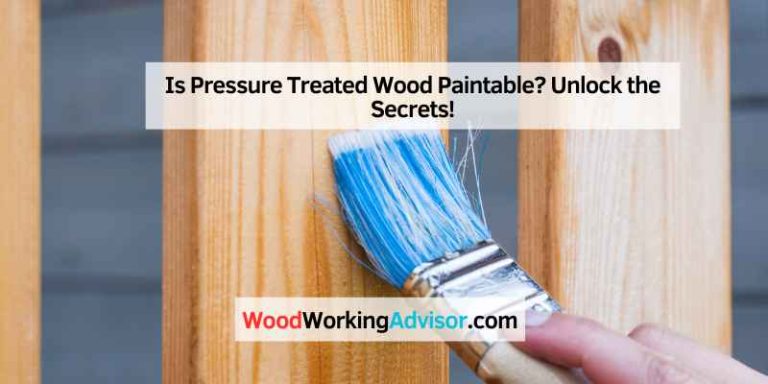
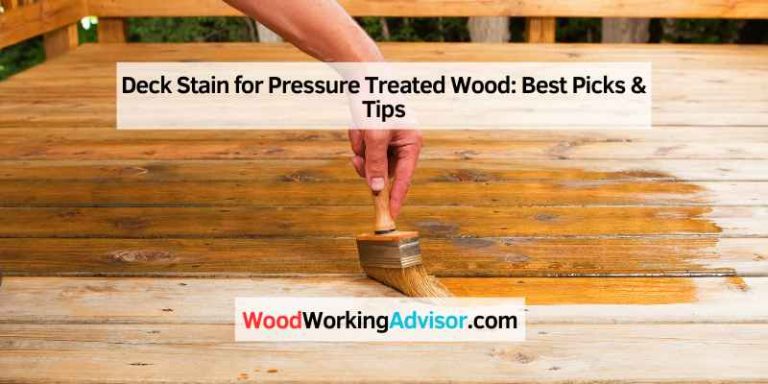
Proper finishing is key when using pressure treated wood indoors. This is because the wood’s chemicals can cause it to warp or crack if not properly sealed. Before finishing, make sure the wood is completely dry and clean. Apply a high-quality primer and then a paint or stain specifically designed for use with pressure treated wood.
By following these installation tips, you can safely and effectively use pressure treated wood indoors. Remember to always wear protective gear when handling pressure treated wood and to dispose of any scraps or sawdust properly.
Alternatives To Pressure Treated Wood
Pressure treated wood is not recommended for use indoors due to the chemicals used in the treatment process. However, there are alternatives available such as untreated wood, composite materials, or reclaimed wood that can be used for interior projects. These alternatives provide safer and more environmentally friendly options for indoor applications.
Non-treated Wood Options
If you’re looking for an alternative to pressure treated wood, there are many non-treated wood options available. Some of the most popular non-treated wood options include cedar, redwood, and cypress. These woods are naturally resistant to rot and decay, making them ideal for indoor applications. In addition to being naturally resistant to rot, these woods are also beautiful and can add a touch of elegance to any interior space.
Composite Materials
Another alternative to pressure treated wood is composite materials. Composite materials are made from a combination of wood fibers and plastic, which makes them durable and long-lasting. Composite materials are also resistant to rot and decay, making them ideal for indoor applications. In addition to being durable and long-lasting, composite materials are also available in a variety of colors and textures, making them a great option for those who want to add a unique touch to their indoor space.
When it comes to using pressure treated wood indoors, there are alternatives available that are just as durable and long-lasting. Non-treated wood options like cedar, redwood, and cypress are naturally resistant to rot and decay, making them perfect for indoor applications. Composite materials are also a great alternative to pressure treated wood and are available in a variety of colors and textures. Consider these alternatives when planning your next indoor project.
Maintenance And Longevity
While pressure-treated wood can be used indoors for sub-flooring, interior framing, and attic and basement wall framing, it may not always be necessary or cost-effective. However, it’s important to avoid using pressure treated wood where it may come into contact with food, animal feed, or drinking water.
Additionally, it’s crucial to properly dispose of treated lumber and avoid burning it.
Indoor Vs. Outdoor Lifespan
When it comes to the maintenance and longevity of pressure-treated wood used inside, it’s important to consider the difference between indoor and outdoor lifespans. While pressure-treated wood is designed to withstand the harsh elements of the outdoors, it can also provide durability and longevity when used indoors.
Indoor environments typically have more controlled conditions, with less exposure to moisture, sunlight, and temperature fluctuations. This means that pressure-treated wood used indoors can last significantly longer compared to its outdoor counterparts.
However, it’s important to note that the lifespan of pressure-treated wood can still be influenced by factors such as the level of exposure to humidity and moisture in the indoor space. Regular maintenance and care are essential to ensure the wood remains in good condition over time.
Care And Upkeep
Proper care and upkeep are vital to maintaining the longevity of pressure-treated wood used indoors. Here are some important considerations:
1. Regular Cleaning: Dust and dirt can accumulate on the surface of the wood, affecting its appearance and potentially leading to deterioration. Regularly clean the wood using a mild soap and water solution, followed by thorough drying.
2. Moisture Control: While indoor environments generally have lower humidity levels compared to the outdoors, it’s still important to control moisture levels to prevent damage to the wood. Ensure proper ventilation and address any leaks or moisture issues promptly.
3. Sealing: Applying a sealant or protective coating can help enhance the durability and lifespan of pressure-treated wood used indoors. Choose a sealant specifically designed for interior use and follow the manufacturer’s instructions for application.
4. Inspection: Periodically inspect the wood for any signs of damage, such as cracks, warping, or discoloration. Address any issues promptly to prevent further deterioration.
5. Avoid Direct Contact with Water: While pressure-treated wood is resistant to moisture, it’s still best to avoid direct contact with water. Wipe up spills promptly and use coasters or mats to protect the wood surface from prolonged exposure to liquids.
Remember, the specific care requirements may vary depending on the type of pressure-treated wood used and the conditions of your indoor environment. Consulting with a professional or following the manufacturer’s recommendations can help ensure proper care and maintenance for your pressure-treated wood.
Overall, with proper care and maintenance, pressure-treated wood can be a durable and long-lasting choice for indoor applications. By following these care and upkeep tips, you can maximize the lifespan and enjoy the benefits of pressure-treated wood inside your home or commercial space.
Disposal And Recycling
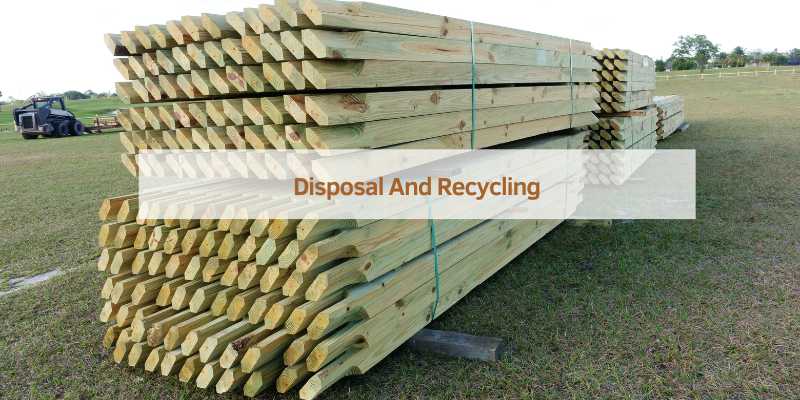
When it comes to pressure treated wood, proper disposal and recycling are important considerations for environmental sustainability. Here’s what you need to know about the best practices for disposing of and recycling pressure treated wood.
Proper Disposal Methods
Properly disposing of pressure treated wood is crucial to prevent environmental harm. Here are some recommended disposal methods:
- Check local regulations for specific disposal guidelines.
- Dispose of pressure treated wood at designated facilities or hazardous waste collection sites.
- Avoid burning pressure treated wood, as it releases harmful chemicals into the air.
- Do not use pressure treated wood debris as mulch.
Recycling Pressure Treated Wood
Recycling pressure treated wood can contribute to sustainable waste management. While recycling options may vary by location, here are some general considerations:
-
- Check with local recycling facilities to determine if they accept pressure treated wood.
- Some facilities may offer specialized services for recycling treated wood products.
- Consider alternative uses for pressure treated wood, such as repurposing it for outdoor projects.
- Consult with environmental authorities for guidance on environmentally responsible recycling practices.
Frequently Asked Questions
Is It Safe To Use Pressure Treated Lumber Indoors?
Pressure treated lumber can be used safely indoors, but it can be costly and unnecessary. It is commonly used for sub-flooring, interior framing, and attic and basement wall framing. However, it should not be used for cutting boards and countertops.
It’s important to avoid using treated wood where it may come into contact with human or animal food or with beehives. Additionally, it’s best to let the wood dry before painting or installing it.
How Long Does Pressure Treated Wood Last Indoors?
Pressure treated wood can last indoors for a long time, typically around 20-30 years. However, it is important to note that using pressure treated wood indoors is often unnecessary and can be costly. It may be suitable for sub-flooring, interior framing, and attic or basement wall framing.
What Should Never Be Done With Pressure Treated Wood?
Avoid using pressure treated wood where it may contact food, drinking water, or beehives. Do not burn it or use the debris as mulch.
Where Is Treated Lumber Not Recommended For Use?
Treated lumber is not recommended for use where it may come into contact with drinking water, food, animal feed, or beehives. It should also not be burned or used as mulch.
Conclusion
While pressure treated wood can be used indoors, it is often unnecessary and costly. However, there are certain applications where it may be useful, such as sub-flooring, interior framing, and attic and basement wall framing. It is important to avoid using pressure treated wood in areas where it may come into contact with food, drinking water, or beehives.
Overall, carefully considering the specific needs and requirements of your project will help determine whether pressure treated wood is suitable for indoor use.