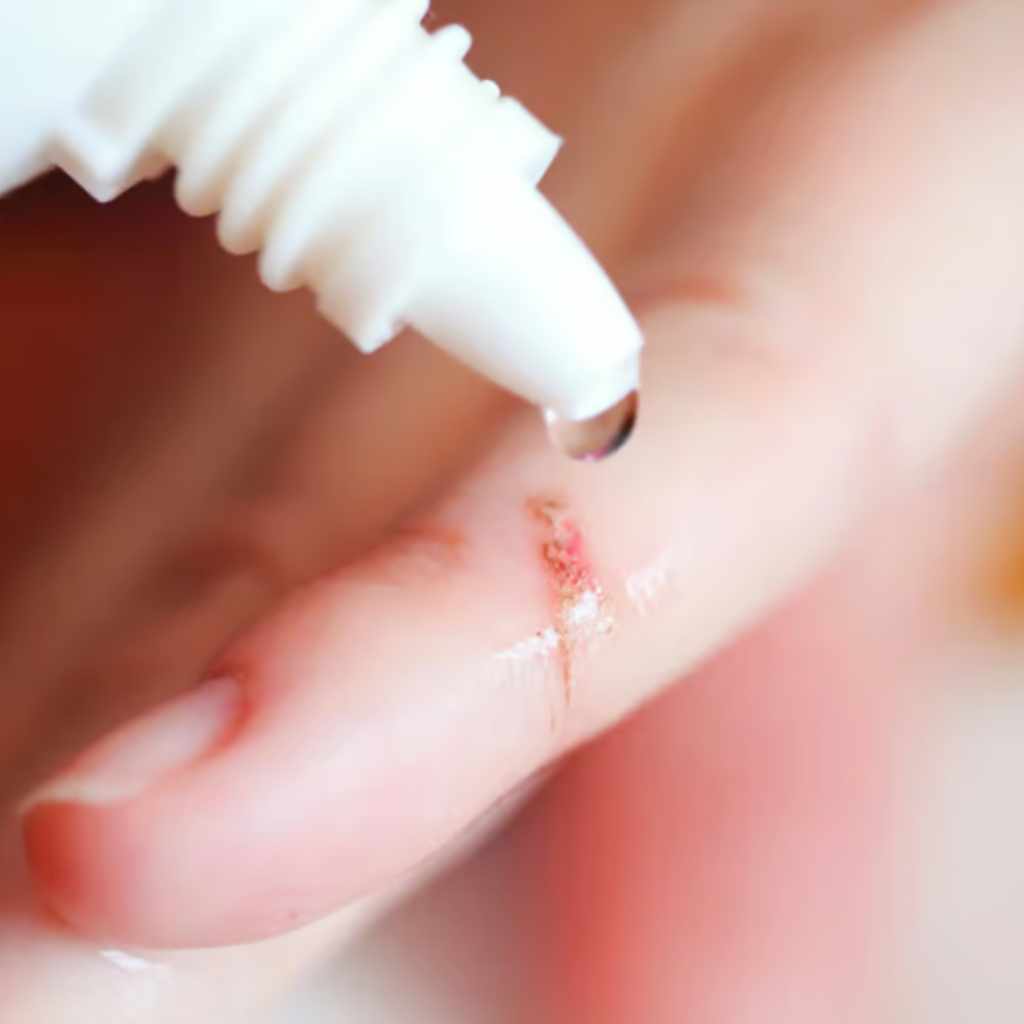
Can Super Glue Be Used On Cuts: Shocking Danger
Disclaimer: This article is for informational purposes only and is not a substitute for professional medical advice, diagnosis, or treatment. Always seek the advice of a qualified healthcare provider for any medical condition or injury.
Super glue (cyanoacrylate) should NOT be used on cuts or open wounds. While specialized medical adhesives exist, household super glue contains toxins, generates heat during curing, and can cause irritation or tissue damage. Misusing industrial glue significantly increases the risk of infection, chemical burns, and severe allergic reactions. Always use sterile medical-grade adhesives or seek professional care for wound closure.
Working on DIY projects—especially with power tools—means small nicks and cuts are part of the game. When a small wound opens up, many of us reach for the strongest adhesive we have in the toolbox: super glue. It makes sense, right? If it seals wood and plastic, it should seal skin!
But hold on a second. Grabbing that familiar tube of super glue from your bench and applying it to your skin is a serious mistake. This common DIY myth holds a shocking danger. As a fellow woodworker, I want to keep you safe and your projects moving forward. Let’s break down the truth about using glue on cuts and learn the proper, safe methods for wound care in the workshop.
The Shocking Truth About Super Glue and Your Skin
The core ingredient in nearly all super glues is a chemical called cyanoacrylate. When the original formula was accidentally discovered in 1942, it was quickly recognized for its incredible bonding power. Fast forward to the Vietnam War, and an early version of cyanoacrylate was actually used by battlefield medics as a temporary field dressing to close wounds quickly.
So, if doctors once used it, why can’t we use the stuff we buy at the hardware store?
The simple answer is formulation. What Big Box stores sell is an industrial-grade chemical designed for rigid, non-porous materials—not biological tissue. The formula used medically today is highly specialized, purified, and designed to minimize toxic reactions.
Using regular super glue carries three main risks that make it unsafe for wound care:
- Toxicity and Additives
- Heat Generation (Exothermic Reaction)
- Lack of Sterility
1. Toxicity and Chemical Additives
Super glue is not a pure substance. To improve flexibility, storage life, and cure time, manufacturers add various solvents, stabilizers, and plasticizers. These chemicals—designed to improve performance on materials like wood or metal—are known irritants and potential toxins when applied directly to an open wound.
When you put industrial glue on your skin, these additives can lead to severe inflammation, contact dermatitis, and chemical burns. Worse, if the wound is deep, these toxic components can enter the bloodstream.
2. The Exothermic Heat Danger
Cyanoacrylate glue hardens through a process called polymerization, which starts when it reacts with moisture (like the natural moisture on your skin or in a wound). This chemical reaction is exothermic, meaning it releases heat.
On non-living materials, this heat is negligible. However, when applied thickly or in large amounts to sensitive tissue, the rapid curing process can generate enough heat to cause a thermal burn. This risk is amplified because you are applying a chemical directly to already compromised skin.
3. Lack of Sterility and Infection Risk
Think about where your typical tube of super glue lives. Mine is usually rolling around in a drawer beside sandpaper, wood dust, and rusty nails. The packaging, the nozzle, and the glue itself are far from sterile.
Applying contaminated glue to a cut means you are likely trapping bacteria, dirt, and chemical residue deep inside the wound. This dramatically increases the risk of a serious localized or systemic infection, prolonging healing and requiring professional medical treatment.
Expert Tip from Md Meraj: Keep a dedicated, well-stocked First Aid Kit right next to your woodworking bench. This isn’t just for show—it ensures you have sterile, easy-to-grab supplies like gauze and medical tape, preventing the impulse grab for the wrong tool (like glue) when you’re under stress.
Medical-Grade Adhesives: The Safe Alternative
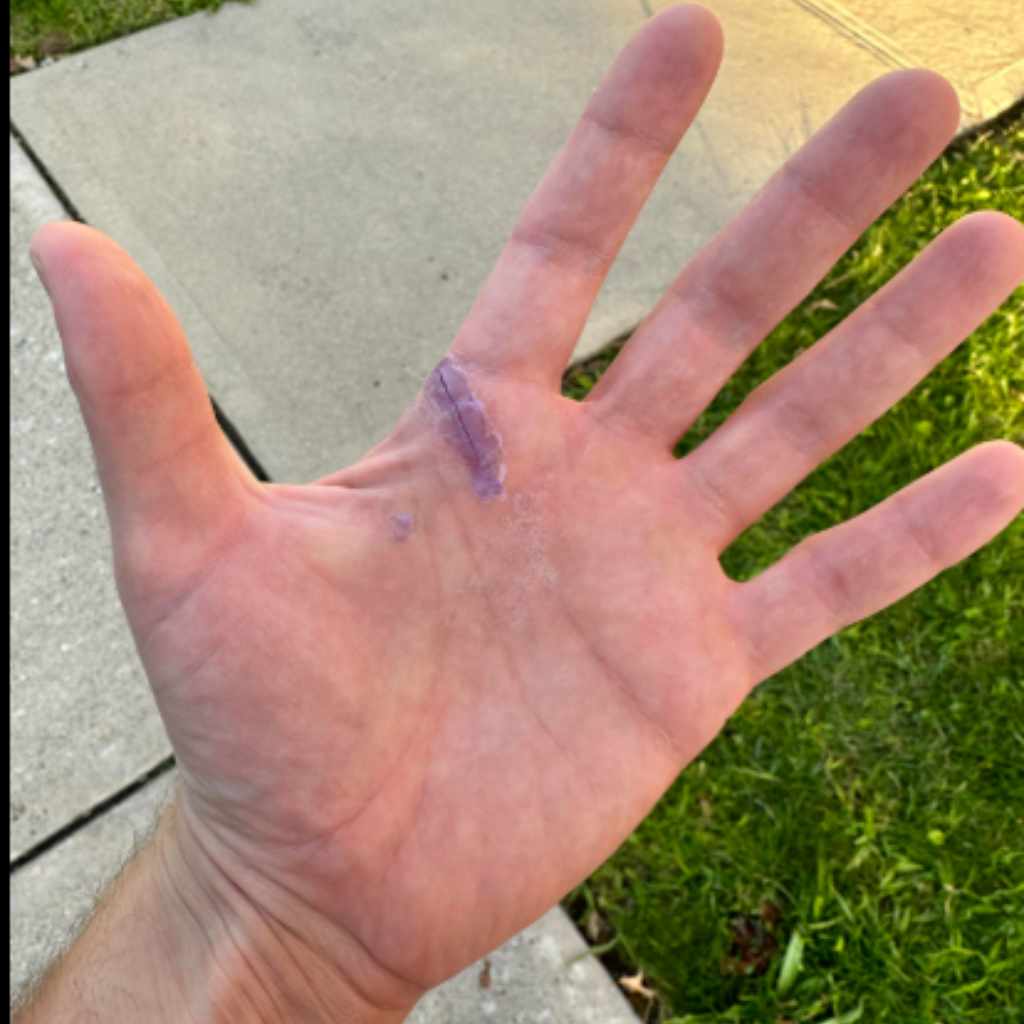
The good news is that medical science took the basic idea of cyanoacrylate and perfected it. If you have ever had a cut closed by a doctor without stitches, they used a specialized product often referred to as “Dermabond” or “tissue adhesive.”
These medical-grade adhesives use a purer form of cyanoacrylate, such as Octyl-2-cyanoacrylate or Butyl-2-cyanoacrylate. Why are these safe, unlike the hardware store version?
The molecular structure of medical glue is optimized for skin. They are designed to be less rigid, allowing the skin to stretch and move without breaking the bond. Crucially, they cure much slower and generate minimal heat, preventing thermal burns. They are manufactured under sterile conditions and are regulated strictly by health organizations like the U.S. Food & Drug Administration (FDA).
Comparing Glues: Industrial vs. Medical
This table clearly shows why you should never swap one product for the other:
| Feature | Industrial Super Glue (Cyanoacrylate) | Medical Tissue Adhesive (e.g., Dermabond) |
|---|---|---|
| Intended Use | Bonding rigid, non-porous materials (wood, metal, plastic) | Surgical/Wound closure of clean, low-tension cuts |
| Chemical Purity | Low; contains additives, plasticizers, and solvents | High; purified and formulated for biological safety |
| Toxicity Risk | High risk of chemical burns, irritation, and inflammation | Low risk; designed to degrade safely |
| Exothermic Reaction | High heat generation upon curing (Burn Risk) | Low/Controlled heat generation for skin safety |
| Sterility | Non-sterile. High infection risk | Manufactured sterile |
When Can Medical Glue Be Used on Cuts?
Even medical-grade glue is not a universal fix for every cut. Doctors follow strict guidelines on which wounds can be safely glued rather than stitched. Knowing these limits can help you decide when a trip to urgent care is necessary.
Glue (or Staples) is Best For:
- Minor cuts that are small (less than 1 inch).
- Clean wounds with straight edges.
- Cuts that are on areas of low skin tension (like the forehead, chest, or arms).
- Superficial wounds (not deep into the fatty tissue).
Stitches or Surgical Repair is Required For:
- Deep, gaping wounds.
- Jagged or crushing wounds (common with table saw kickbacks).
- Cuts over joints or areas of high movement and tension (like knees, elbows, or palms).
- Wounds that show signs of infection (redness, swelling, pus).
- Puncture wounds or animal bites (which must heal from the bottom up).
If you have any doubt about the severity of a cut, especially one caused by rotating power tools, always err on the side of caution and seek professional medical advice.
Step-by-Step Guide: What to Do When You Get Cut in the Workshop
A cut in the workshop can be scary, especially with the adrenaline pumping. However, knowing exactly what to do can drastically improve the outcome and prevent infection. Follow these steps immediately if you sustain a cut while working:
Phase 1: Immediate Action and Safety
Step 1: Stop Working and Assess the Injury
Immediately turn off all power tools, unplug them, and step away from your active project. If you are bleeding heavily, put direct, firm pressure on the wound with a clean cloth or sterile gauze.
Step 2: Elevate the Limb (If Possible)
Raise the injured area above heart level. This simple action helps slow blood flow and minimizes blood loss while you prepare for cleaning.
Step 3: Wash Hands and Prepare Supplies
Wash your hands thoroughly with soap and water to prevent introducing more bacteria to the wound. Put on disposable gloves from your first aid kit if available.
Phase 2: Cleaning the Wound
This is the most critical step for preventing serious infection.
Step 4: Gently Wash the Wound
Hold the cut under cool, running tap water. Use mild soap (avoid harsh, fragrant soaps) and gently wash around the wound. Do not rub the soap directly into the wound, as this can cause irritation.
Step 5: Remove Debris
Woodworking cuts often contain splinters, sawdust, or grit. Use sterile tweezers (if you have them) that have been wiped with rubbing alcohol to gently remove any visible debris. If you cannot remove the debris easily, or if the cut has embedded materials that are deep, stop and seek medical help. Never try to dig things out aggressively.
Step 6: Apply Antiseptic
Apply a standard antiseptic solution or cream (like Neosporin or Polysporin) to the cleaned wound. These creams help keep the area moist and prevent bacterial growth, accelerating the natural healing process.
Phase 3: Dressing the Wound
Step 7: Close and Cover
For small, minor cuts, butterfly bandages can often draw the wound edges together nicely. If the cut is bleeding less and looks clean, apply a sterile, non-stick gauze pad and secure it with medical tape.
Note on Sticking: If gauze constantly sticks, consider using specialized non-stick pads or applying an extra layer of petroleum jelly (Vaseline) to the wound bed before placing the gauze.
Step 8: Change Dressing Regularly
Change the dressing at least once a day, or immediately if it becomes wet or dirty. Look for signs of healing—the cut should start to scab or form new pink tissue in the coming days.
Understanding the Dangers of Misplaced Trust
Why is the myth of using super glue on cuts so persistent? It stems from a deep trust in the material. Woodworkers often rely on adhesives for structural strength, durability, and a clean finish. When we’re in a hurry and see a cut, the brain instinctively reaches for the strongest, fastest sealing agent we know.
However, we must differentiate between engineering solutions and biological ones. Our bodies are complex, resilient systems that require specific care, not a quick industrial fix.
Real Risks of DIY Wound Gluing
Let’s look at the consequences if you ignore the warnings and apply industrial super glue:
- Tissue Necrosis: The chemical reaction, combined with the lack of oxygen, can kill healthy tissue around the wound, leading to a much larger, slower-healing injury.
- Foreign Body Reaction: The body recognizes the glue as a foreign object, triggering a severe inflammatory response, swelling, and pain.
- Allergic Reaction: Though rare, serious localized or systemic allergic reactions to the cyanoacrylate formula and its additives can occur, requiring emergency treatment.
- Scarring: Applying non-smooth, non-flexible industrial glue will almost guarantee a more noticeable, irregular scar compared to proper medical closure.
When you encounter a significant cut or injury, remember that stitches or medical-grade adhesives offer precise wound alignment. This precision supports the natural healing process, minimizing scar tissue and infection risk. A hasty repair with industrial glue doesn’t offer this.
Prevention is the Best Medicine: Workshop Safety Tips
As your trusted woodworking mentor, I always preach that safety is the foundation of good craftsmanship. The best way to avoid having to worry about what to put on a cut is to prevent the cut in the first place.
Here are quick safety reminders for every DIY enthusiast:
- Wear Appropriate PPE: Always wear safety glasses or face shields when operating power tools. Use push sticks and featherboards to keep hands away from blades.
- Keep Blades Sharp: Dull blades require more force, increasing the chance of kickback and slippage, leading to dangerous cuts. Sharp tools are safer tools.
- Maintain Tool Guards: Never defeat safety guards on saws, jointers, or planers, even if they seem to slow you down.
- Mind the Clutter: A messy workshop floor or bench increases the risk of tripping or knocking material into a running tool. Keep your area clean.
- No Distractions: Never operate tools when you are tired, rushed, or distracted (no headphones while cutting!).
For more comprehensive safety guidelines, check resources from organizations like the Occupational Safety and Health Administration (OSHA), which provides free guides on tool safety.
How to Safely Remove Accidentally Applied Super Glue
What if you accidentally get super glue on healthy, intact skin—say, bonding your fingers together while fixing something? In this case, you need to remove the glue carefully without damaging the skin.
Do NOT try to rip your skin apart or scrape the glue off, especially near sensitive areas like the eyes.
Removal Technique (For Non-Wound Areas)
- Soak in Warm Water: Fill a bowl with warm, soapy water and soak the bonded area for five to ten minutes.
- Use Acetone: If soaking doesn’t work, apply a small amount of acetone (found in nail polish remover) to a cotton swab. Gently dab the bonded area. Acetone breaks down the cyanoacrylate bond.
- Work Slowly: Once the glue softens, slowly and patiently try to roll the skin apart using a blunt tool (like the edge of a plastic card or spoon).
- Moisturize: Acetone is very drying. Once separated, wash the area and apply a moisturizing lotion.
If the glue has bonded skin over an open wound, or if it is in the eye, stop immediately and visit an emergency room. Do not attempt removal yourself, as you risk severe chemical burn or tissue damage in the wound.
FAQ: Super Glue and Wound Care
As a mentor, I know beginners always have clear, simple questions. Here are the answers to the most common queries I hear about this topic.
Is Krazy Glue the same as medical adhesive?
No. Krazy Glue and similar brands are industrial-grade cyanoacrylate glues meant for inanimate objects. They contain toxic additives and generate heat. Medical adhesives are highly purified, flexible, and specifically formulated for safe use on human tissue.
Can I use a tiny bit of super glue for a paper cut?
You should still avoid it. While a tiny paper cut is minor, the industrial glue still carries toxicity risk and can cause irritation. Instead, clean the cut, use a small bandage, or use approved liquid bandage products available at pharmacies, which are specifically formulated for minor cuts.
What is the difference between tissue adhesive and liquid bandage?
Tissue adhesive (medical glue) is applied by a professional to close gaping wounds, acting as an alternative to stitches. A liquid bandage (like New-Skin) is an over-the-counter preparation designed for superficial scrapes and cuts. It forms a protective, flexible barrier but does not provide structural closure for deeper wounds.
If super glue was used historically, why did they stop?
Early forms of super glue were used in emergencies because they were fast. However, they were eventually replaced by superior, less toxic, and specialized formulations that heal cleaner, lower infection rates, and reduce the risk of tissue damage and scarring. What we buy today is typically a more rigid, chemically harsher version designed for materials like rubber and wood.
What signs mean I should go to the doctor for a cut?
You should seek immediate medical attention if: the bleeding won’t stop after 10–15 minutes of direct pressure; the cut is deep, wide, or jagged; you can see bone or fat; the wound is on your face, hand, or over a major joint; or if you notice signs of infection a few days later (streaking redness, fever, increased swelling, or pus).
How long does medical glue last on the skin?
Medical tissue adhesive stays in place for about 5 to 10 days. As the skin naturally sheds and the wound heals underneath, the glue will peel off on its own. Do not pick at it or try to remove it prematurely, as this can reopen the wound.
Conclusion: Craftsmanship Demands Safety
As woodworkers and DIY experts, we pride ourselves on building things that last and operating with precision. That commitment to good process must extend to our personal safety and health.
The bottom line is simple: Keep the super glue for your joinery and your furniture. Never use industrial adhesives on your body. If you suffer a cut in the workshop, clean it thoroughly with sterile supplies.