Danish Teak Wood Furniture

Danish Teak Wood Furniture: Why It Never Goes Out Of Style

Danish teak wood furniture is a style that stays popular because of its beautiful grain, durable quality, and smart, simple designs. It looks good in many different homes. It’s also made to last, which means it keeps its value and charm over many years.

The Heart of Danish Teak Furniture

So, what is Danish teak wood furniture exactly? It’s furniture made in Denmark. The main material is teak wood.

This wood comes from tropical trees. Teak is known for being strong and long-lasting. Danish designers during the mid-20th century loved using teak.

They created furniture with clean lines. Their designs were also very functional. This period is often called the “Danish Modern” era.

Many famous designers like Hans Wegner and Arne Jacobsen used teak. Their work set the standard for this style. The focus was on craftsmanship and natural beauty.

They wanted furniture that felt both elegant and useful. This approach is why Danish teak pieces are still so loved today.

Teak itself has unique features. It has a natural richness in its color. This can range from golden brown to deeper reddish tones.

The wood grain is often straight and even. This gives it a smooth, pleasing look. Teak also contains natural oils.

These oils make it resistant to water and insects. This is a big reason why teak furniture lasts so long. It can handle changes in humidity better than many other woods.

In the U.S., especially in different climates, this matters a lot. A humid summer or a dry winter won’t harm it as much. It’s a practical choice as well as a beautiful one.

Many pieces are also built with joinery techniques that are very strong. This means they don’t rely on nails or screws as much. Dovetail joints and mortise and tenon joints are common.

These methods show the skill of the woodworkers. They ensure the furniture can be passed down through families.

The Heart of Danish Teak Furniture

Dive deeper into Ash by checking out this article. Custom Wood Burning Stamps: How To Make Your Own

My First Encounter with Teak

I remember the first time I really noticed Danish teak. It was a few years ago. I was helping a friend move into a new apartment.

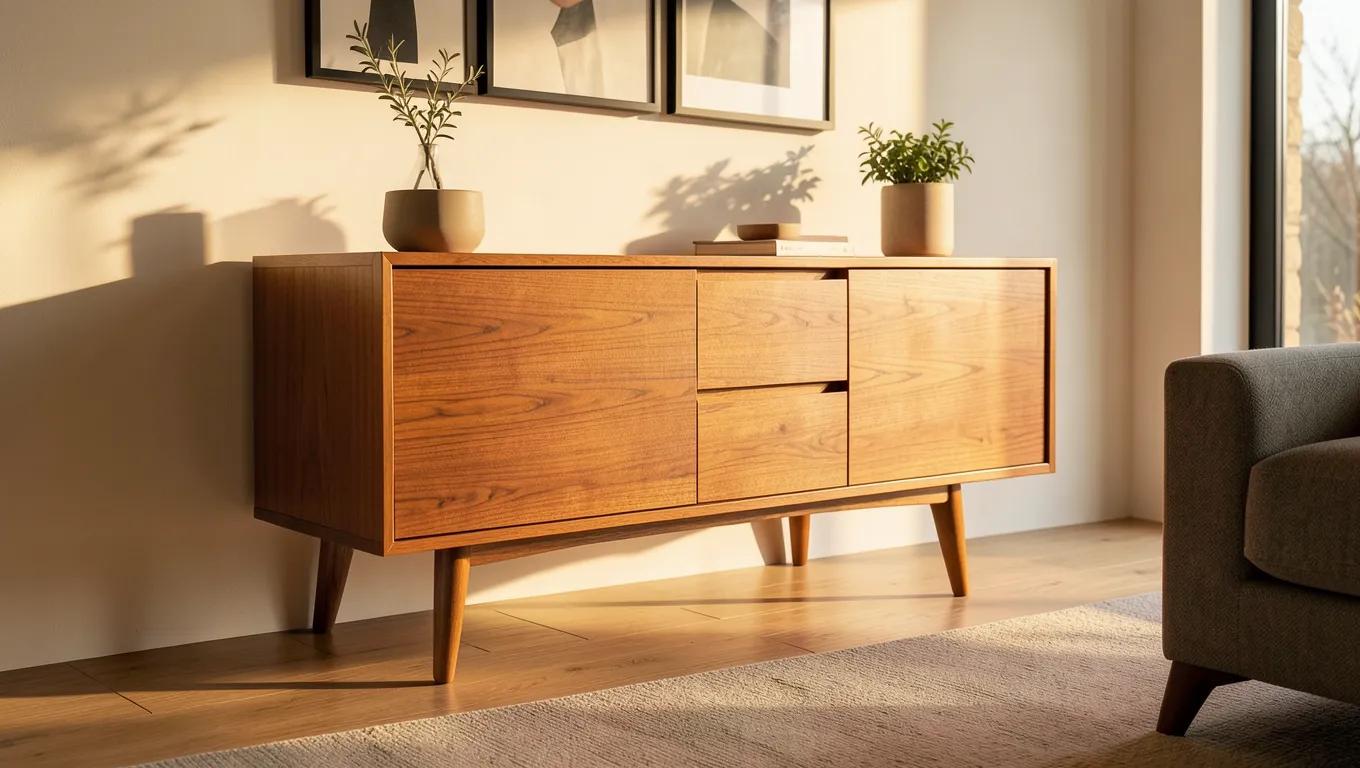
They had bought a used dresser online. When it arrived, I was amazed. It was a low, wide dresser with sleek, tapered legs.

The handles were subtle cutouts, almost invisible. The wood was a warm, honey-brown. The grain flowed beautifully across the drawers.

It looked nothing like the particleboard furniture I was used to. I touched the smooth surface. It felt solid and well-made.

My friend told me it was a Danish teak dresser from the 1960s. I was blown away. It had survived decades and still looked fantastic.

It made their small apartment feel instantly more stylish and grown-up. That dresser sparked my curiosity. I started looking for more information.

I wanted to understand what made this style so special. It wasn’t just furniture; it was like a piece of art. It had a story and a history.

Teak Wood’s Natural Strengths

Durability: Teak is very hard. It resists dents and scratches well.

Water Resistance: Natural oils repel moisture. Good for humid areas.

Pest Resistance: Insects don’t like teak’s oils. It stays strong.

Beauty: Rich color and lovely grain patterns.

Stability: It doesn’t warp or crack easily with temperature changes.

The “Golden Age” of Danish Design

The period between the 1940s and 1960s is often called the golden age of Danish design. During this time, Danish designers were innovating. They wanted to create beautiful things for everyone.

They focused on making furniture that was well-made. It also needed to be practical for everyday life. They looked at how people lived in their homes.

They designed pieces that fit seamlessly. Think about the needs of a growing family. Or someone who entertained guests often.

Their designs were often modular or multi-functional. This was a smart approach. It meant less furniture could do more.

Teak was a preferred wood for these designers. It was strong and could be worked into elegant shapes. The natural beauty of teak also fit their aesthetic.

They didn’t need heavy decorations. The wood itself was the star. This focus on form and function is a core part of Danish design.

Many famous names emerged. Hans Wegner is known as the “master of the chair.” He created iconic designs like the Wishbone Chair. Arne Jacobsen designed many chairs and tables.

Finn Juhl was known for his sculptural pieces. Poul Henningsen brought light into homes with his lamps. These designers didn’t just make objects.

They thought about how people interacted with them. They studied ergonomics and comfort. This is why sitting in a Wegner chair feels so good.

It’s designed to support your body. Their use of teak was deliberate. It offered a warm contrast to the often-modern materials of the time.

It brought a sense of natural comfort. Even today, these designs are highly sought after. They represent a peak of thoughtful, human-centered design.

Their influence can be seen in furniture all over the world.

Want to learn more about Ash? This post could provide more insights. Best Composite Deck Screws For Trex Decking Reviewed

Why Teak Wood Itself is Special

Let’s talk more about teak wood. It’s a hardwood. It comes from the Tectona grandis tree.

These trees grow in South and Southeast Asia. However, teak used in furniture often comes from plantations. These are managed to provide a sustainable source.

The wood’s natural oils are a key feature. These oils act like a built-in protective layer. This is why teak is excellent for outdoor furniture.

It stands up to sun, rain, and humidity. For indoor use, these oils mean the wood is less likely to dry out and crack. This is a big plus in homes with forced air heating or cooling.

These systems can dry out wood significantly. Teak handles these changes with more grace. The color of teak can vary.

New teak often has a lighter, golden hue. Over time, it darkens to a richer, deeper brown. This aging process is part of its charm.

It develops a patina. This is a surface sheen that comes from age and use. It makes the piece look even more distinguished.

The grain of teak is also important. It’s typically straight and fine. This makes it easy to work with for craftsmen.

It also gives the furniture a smooth finish. You won’t find many rough spots. This evenness contributes to its elegant look.

Teak is also quite dense. This means it’s heavy and sturdy. A solid teak table or chair won’t wobble.

It feels substantial and well-built. This density also helps it resist wear and tear. Surface scratches are less common.

And if they do happen, they often blend in with the grain over time. This is a trait many owners love. It means the furniture doesn’t need to be perfect.

Small marks become part of its story. When you look at a piece of Danish teak furniture, you’re seeing wood that has natural strengths. These strengths make it ideal for creating furniture that lasts for generations.

Eager to delve deeper into Ash? Check out this article for more insights. Custom Wood Burning On Tiktok: Trends You Need To Try

Teak vs. Other Woods

Feature Teak Oak Pine
Durability Very High High Low
Water Resistance Excellent Moderate Poor
Cost High Moderate Low
Grain Appearance Even, Straight Varied, Pronounced Knotty, Distinct

The Danish Design Philosophy: Form Follows Function

A core idea in Danish design is “form follows function.” This means the shape and look of an item should be based on what it’s used for. Designers didn’t just make things pretty. They made them work well.

For furniture, this meant comfort and practicality were key. A chair needed to be comfortable to sit in for a long time. A table needed to be the right height and size for meals or work.

This philosophy led to simple, clean designs. There were no unnecessary frills or decorations. The beauty came from the shape of the wood itself.

It came from the smooth lines. It came from how well the piece was made.

This approach is why Danish teak furniture is so versatile. It fits into many different home styles. It doesn’t look out of place next to modern decor.

It also complements more traditional settings. The furniture is often described as “organic.” This means its shapes mimic nature. Think of gentle curves or smooth, flowing lines.

This makes the furniture feel welcoming. It’s not harsh or imposing. Many pieces were designed with adaptability in mind.

A sideboard might have adjustable shelves. A dining table might have leaves to extend its size. This practicality made the furniture suitable for real homes.

It was made for living, not just for show. This enduring practicality is a major reason for its lasting appeal. It’s furniture that serves you well, day after day.

The emphasis on craftsmanship was also vital. Danish furniture makers took great pride in their work. They used time-tested techniques.

They paid attention to every detail. This resulted in furniture that was not only beautiful but also incredibly strong. Dovetail joints are a prime example.

They are strong and also look good. They show the skill of the craftsman. These joinery methods don’t use glue as the main support.

They rely on the precision of the wood pieces fitting together. This makes the furniture far more durable. It’s built to withstand the test of time.

This commitment to quality is a hallmark of Danish teak furniture. It’s why pieces from decades ago are still in use today.

Interested in more about Ash? Here's an article you might find helpful. Ever After High Cedar Wood: Character Guide & Fun Facts

Real-World Teak in American Homes

Danish teak furniture found a welcoming home in American households, especially in the mid-20th century. Post-World War II America was ready for a new aesthetic. People wanted homes that felt modern and stylish.

They were moving away from heavier, more ornate styles. Danish design offered a fresh, clean alternative. It fit perfectly with the growing popularity of modern architecture and interior design.

Teak wood’s warm tones provided a comforting contrast to the often-minimalist designs. It brought a sense of natural beauty into the home. This made spaces feel more inviting.

Families embraced these pieces for their living rooms, dining rooms, and bedrooms. A teak dining set became a symbol of good taste and modern living.

In different U.S. climates, teak’s natural properties proved beneficial. In the humid Southeast, its resistance to moisture was a godsend.

In dry Western regions, its stability meant less warping. Even in New England homes with chilly winters, the wood held up well. People appreciated that it didn’t require constant fussing.

While it benefited from proper care, it wasn’t overly fragile. This made it ideal for busy American households. Kids could eat at a teak table without parents constantly worrying about stains or damage.

Parents could trust that a teak chest of drawers would last through their children’s growth. This blend of beauty, durability, and practicality made it a perfect fit for the American dream of a comfortable, stylish home. It was an investment in quality that paid off over the years.

Many American families passed down teak pieces. A grandmother’s teak sideboard might become a centerpiece in a grandchild’s first home. This creates a wonderful continuity.

It connects generations through shared furniture. It also speaks to the enduring quality. This furniture isn’t disposable.

It’s built to be cherished. You often see teak furniture in cities and suburbs alike. It suits apartments and larger houses.

Its timeless design means it adapts. It doesn’t feel dated. Instead, it brings a sense of history and established style.

This is a powerful draw for many homeowners. They want their homes to tell a story. Danish teak furniture is a beautiful way to do that.

Want to uncover more about Ash? This article might interest you. Decking Installation Price: What To Expect In 2025

Teak Furniture Placement Ideas

Living Room: Use a teak coffee table or media console. A teak bookshelf adds warmth.

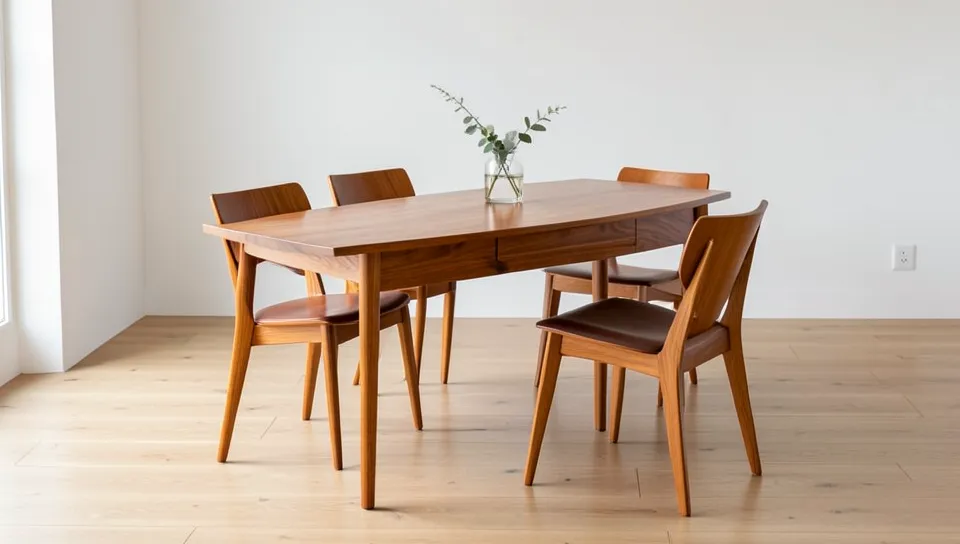
Dining Room: A teak dining table with chairs is a classic choice. A teak sideboard stores dishes.

Bedroom: A teak dresser or nightstand adds a cozy feel. A teak bed frame makes a statement.

Home Office: A teak desk offers a professional yet warm workspace.

The Appeal of Natural Grain and Patina

One of the most captivating aspects of Danish teak furniture is its natural grain. Every piece of teak wood is unique. The way the grain patterns flow, swirl, and interlace creates a one-of-a-kind look.

When Danish designers used teak, they celebrated this natural beauty. They often arranged the wood veneers so the grain matched up beautifully. This created visually stunning surfaces.

Think of a teak tabletop where the grain forms a symmetrical pattern. Or a cabinet door where the grain seems to flow uninterrupted. This attention to detail is what elevates the furniture.

As teak ages, it develops a patina. This is a soft sheen that forms over time. It’s caused by exposure to light, air, and natural oils.

The color deepens and becomes richer. The surface feels smoother. This patina is not a sign of wear and tear; it’s a mark of character.

It tells the story of the piece’s life. For many collectors and enthusiasts, this patina is highly desirable. It signifies authenticity and age.

It gives the furniture a warmth and depth that new wood can’t replicate. It’s like fine wine or aged cheese; it gets better with time. This evolution makes each piece of Danish teak furniture feel more personal.

When you look at a vintage teak piece, you’re not just seeing wood. You’re seeing the history of that wood. You’re seeing how it has aged gracefully.

This is a stark contrast to mass-produced furniture that can look “tired” after a few years. The natural beauty of teak, enhanced by its patina, is a key reason it never looks dated. It feels timeless.

It connects us to a sense of enduring quality. This is something many people crave in their homes. They want pieces that feel grounded and meaningful.

The unique grain and evolving patina of teak offer exactly that. It’s a natural artistry you can live with.

Caring for Your Danish Teak Furniture

Taking care of Danish teak furniture is important. It helps maintain its beauty and durability. The good news is that teak is naturally resilient.

Basic care goes a long way. For daily cleaning, a soft, dry cloth is usually enough. This removes dust and prevents buildup.

If you need to clean spills or spots, use a slightly damp cloth. Make sure to wipe it dry right away. Avoid harsh chemicals or abrasive cleaners.

These can strip away the wood’s natural oils or damage the finish. For most Danish teak furniture, there’s a protective finish like lacquer or oil. Harsh cleaners can damage this finish.

Over time, the finish might wear down. You might notice dull spots or a slight change in color. You can reapply a teak oil or a suitable furniture polish.

Always test any product on an inconspicuous area first. This ensures it doesn’t discolor the wood or affect the finish. If you’re unsure, it’s best to consult a professional restorer.

For major scratches or damage, professional help is recommended. They have the skills and tools to repair the wood properly. They can often match the original finish.

It’s also a good idea to avoid placing hot items directly on the surface. Use coasters for drinks. Use placemats for hot dishes.

This protects the finish from heat and moisture marks. With a little attention, your teak furniture will stay beautiful for years.

Humidity can affect wood. In very dry climates, using a humidifier in the room can help. This prevents the wood from drying out too much.

Conversely, in very humid climates, ensure good air circulation. This prevents moisture from sitting on the surface for too long. Understanding your home’s environment is key.

Danish teak furniture is robust, but it’s not indestructible. Gentle, consistent care is the best approach. It’s about preserving the natural beauty and the craftsmanship.

It’s about ensuring the piece continues to be a source of pride and enjoyment. This attention to care is part of the experience of owning quality furniture.

Quick Teak Care Checklist

Daily: Dust with a soft, dry cloth.

Spills: Wipe immediately with a slightly damp cloth, then dry.

Avoid: Harsh chemicals, abrasive cleaners, excessive heat/water.

Maintenance: Apply teak oil or polish as needed (test first).

Protection: Use coasters and placemats.

When Teak Furniture Isn’t Teak

It’s important to know that not all furniture that looks like teak is actual teak. Some furniture is made from other woods. These woods might be stained to look like teak.

This is common in mass-produced furniture. While these pieces can still be nice, they won’t have the same quality or durability. Actual teak is an investment.

Its natural properties are hard to replicate. Be aware of what you’re buying. If a price seems too good to be true for a solid teak piece, it probably is.

Look for solid teak construction or high-quality teak veneers. Veneers are thin layers of real teak glued to a less expensive core material.

Genuine Danish teak furniture often has maker’s marks. These are stamps or labels indicating the manufacturer. Famous Danish brands include Dux, Mobelfabrik, and companies associated with specific designers.

Researching the maker can help confirm authenticity. The joinery is also a good indicator. Look for well-executed dovetail joints.

Check that drawers slide smoothly. The weight of the piece is another clue. Solid teak is dense and heavy.

If a large piece feels surprisingly light, it might not be solid teak. Don’t be afraid to ask questions when buying. Knowing these details helps you appreciate the genuine article.

It also helps you avoid being misled.

There’s also a difference between solid teak and teak veneer. Solid teak is teak all the way through. Teak veneer is a thin layer of teak applied over a substrate like plywood or particleboard.

High-quality Danish teak furniture often uses both. For example, a table might have a solid teak edge and apron, but a teak veneer top. This is done for cost-effectiveness and stability.

A solid teak top can be more prone to warping in humid conditions. Veneers, when properly applied, can be very durable and beautiful. The key is how they are constructed.

Solid wood is generally considered more premium. But well-made veneer pieces are excellent too. The important thing is that it is real teak veneer.

Spotting Genuine Teak

Weight: Solid teak is dense and heavy.

Grain: Look for natural, varied patterns. Not a uniform stain.

Joinery: Examine how pieces are joined. Dovetails are a good sign.

Maker’s Mark: Look for stamps or labels from Danish manufacturers.

Price: Be wary of prices that seem too low for solid teak.

Sustainability and Teak

There’s often a question about the sustainability of teak. Historically, teak was harvested from natural forests. This led to deforestation and environmental concerns.

However, the furniture industry has shifted. Much of the teak used today comes from sustainably managed plantations. These plantations are grown specifically for timber.

They are managed to ensure a continuous supply without harming natural forests. Responsible sourcing is key for modern furniture. Many companies now provide certifications.

These certifications prove the teak is from sustainable sources. Look for labels like FSC (Forest Stewardship Council). This ensures the wood is harvested in a way that protects forests.

Buying vintage Danish teak furniture is also a sustainable choice. It means you’re not consuming new resources. You’re giving a beautiful piece of furniture a new life.

This is a form of recycling and reduces waste. It’s a way to enjoy high-quality design without contributing to new environmental impact. The longevity of teak furniture also plays a role.

Because it lasts so long, it doesn’t need to be

The Danish approach to design always included a sense of respect for materials. They chose woods like teak for their natural beauty and durability. This inherent quality means the furniture serves its purpose for a very long time.

This contrasts with the “fast furniture” trend. Fast furniture is often low-quality and made to be replaced quickly. Danish teak furniture is the opposite.

It’s an investment. It’s designed to be part of a home for decades. This thoughtful use of resources and focus on longevity is a key part of why the style remains relevant and respected.

It’s a part of the enduring charm.

What This Means for Your Home

Why does all this matter for your home? Owning Danish teak furniture means you’re choosing quality and style. You’re bringing pieces into your home that have a history.

They have a story. These items are not just functional. They are also beautiful works of art.

Their timeless design means they won’t go out of fashion. You can update your home around them. Your teak pieces will still look relevant and elegant.

This saves you money and hassle in the long run. You won’t need to constantly buy new furniture.

Teak furniture also adds warmth and natural beauty to any space. The rich tones and unique grain of teak are very inviting. They can make a room feel cozier and more welcoming.

This is true even in modern, minimalist homes. The natural element of wood balances other materials. It creates a more complex and appealing aesthetic.

It’s also a practical choice. The durability means you can use it every day. You don’t have to be overly precious with it.

It can handle the demands of family life. This combination of beauty and practicality is hard to beat.

When you look at Danish teak furniture, consider its longevity. It’s a piece that can grow with you. It can be passed down to children or grandchildren.

This creates a sense of continuity and connection. It’s an investment in your home and in quality. It’s furniture that tells a story.

It has character. It’s not just another item; it’s a piece of design history. It brings a touch of mid-century modern elegance.

It adds warmth and timeless appeal. It’s a choice that reflects a desire for lasting beauty and quality.

Quick Tips for Buying or Finding Teak

If you’re looking for Danish teak furniture, here are some tips. Start by browsing vintage and antique shops. Look online on sites like Craigslist, Facebook Marketplace, and specialty vintage furniture retailers.

Examine pieces carefully before buying. Check for solid wood construction or high-quality veneers. Look for maker’s marks to confirm authenticity.

Inspect the joinery – are drawers smooth? Are joints tight? Pay attention to the condition of the finish.

Minor wear is often okay, but major damage might be costly to repair. Don’t be afraid to negotiate prices, especially for pieces that need some restoration.

Consider visiting estate sales. These can be treasure troves for vintage furniture. Be prepared for competition, though.

Research common Danish designers and manufacturers. This helps you identify valuable pieces. Understand that prices vary based on rarity, condition, and designer.

A piece by a well-known designer will cost more. A simple teak dresser might be more affordable. If you find a piece you love but it needs work, consider the cost of restoration.

Sometimes a piece that looks rough can be transformed with a bit of care. This can be a rewarding process.

When in doubt, seek advice from antique dealers or furniture restoration experts. They can offer insights into a piece’s authenticity and value. Even if you’re just browsing, learning about Danish teak furniture is enjoyable.

It’s a style that has stood the test of time for good reason. Its blend of form, function, and natural beauty is captivating. Enjoy the hunt!

Finding that perfect teak piece can be a very rewarding experience. It’s like finding a hidden gem that will enhance your home for years to come.

Quick Tips for Buying or Finding Teak

Frequently Asked Questions About Danish Teak Furniture

Is Danish teak furniture still made today?

While the golden age of Danish modern design was in the mid-20th century, many companies continue to produce furniture inspired by these classic designs. However, authentic vintage Danish teak pieces from that era are highly prized. Modern reproductions exist, but they may not have the same craftsmanship or material quality as the originals.

How do I identify if my furniture is real teak?

Look for the wood’s weight (teak is heavy), grain pattern (natural and varied), joinery (dovetails are a good sign), and maker’s marks or labels. If a price seems too low for what’s advertised as solid teak, be cautious. A good indicator is the smell; real teak has a distinct, subtle leathery scent.

Can I use teak oil on all Danish teak furniture?

Most Danish teak furniture has a finish like lacquer or varnish. Applying teak oil directly to a lacquered surface might not be ideal and could interfere with the existing finish. It’s best to identify the current finish first.

If it’s an oiled finish, then teak oil is appropriate. If it’s lacquered, you might use a furniture polish designed for lacquered wood or consult a professional for refinishing.

Is Danish teak furniture good for humid climates?

Yes, teak is excellent for humid climates. Its natural oils make it highly resistant to moisture, rot, and insect damage. This makes it a very stable wood that is less likely to warp or swell compared to many other hardwoods.

This durability is a key reason for its long-lasting appeal.

How much should I expect to pay for vintage Danish teak furniture?

Prices vary greatly. Small items like side tables might range from a few hundred dollars. Larger pieces like dining sets, credenzas, or desks from renowned designers can cost several thousand dollars.

Condition, designer, rarity, and authenticity are major factors influencing price. Be prepared to invest more for truly authentic, well-preserved designer pieces.

What is a patina on teak furniture?

A patina is a soft sheen or luster that develops on wood over time due to exposure to light, air, and natural oils. On teak, it deepens the color and adds a warm, rich appearance. It’s considered a sign of age and character, making the furniture look more distinguished and valuable, rather than worn out.

The Enduring Charm of Danish Teak

Danish teak wood furniture remains a beloved choice for many reasons. Its beautiful, natural grain and warm tones add a timeless elegance. The smart, functional designs of the mid-century masters make it practical for modern living.

Its incredible durability means these pieces are an investment. They can last for generations. Whether you’re buying new or vintage, teak offers lasting style.

It’s a piece of design history you can enjoy every day. It brings a touch of warmth, quality, and enduring beauty to your home.

Similar Posts