Can Wood Ash Be Used to Filter Water: Discover the Benefits
Yes, wood ash can be used to filter water. It helps remove impurities and contaminants.
But, how effective is it? Let’s find out. Wood ash has long been a byproduct of burning wood for heat or cooking. Instead of discarding it, many people have explored its various uses. One such use is filtering water. In this blog, we will explore the science behind using wood ash for water filtration.
We will discuss how it works, its effectiveness, and potential risks. This method is gaining attention as a natural and cost-effective way to purify water. By the end of this post, you will have a clear understanding of whether wood ash is a viable option for filtering your water.
Introduction To Wood Ash
Wood ash is often seen as a byproduct of burning wood. However, it can have many uses beyond the fireplace. One intriguing question is whether wood ash can be used to filter water. Let’s dive into the fascinating world of wood ash.
Origins And Composition
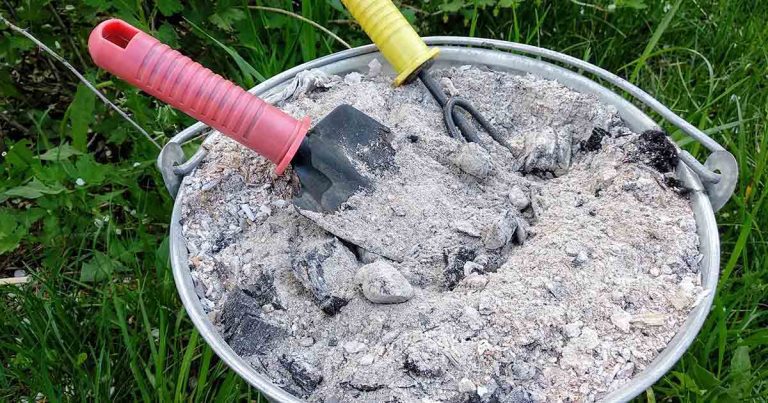
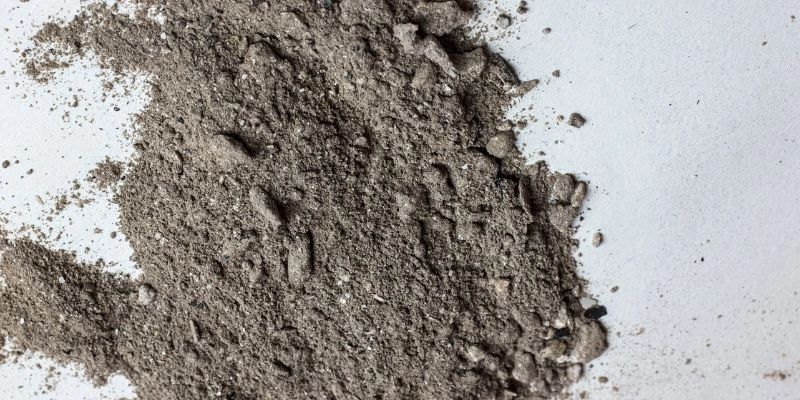
Wood ash comes from the burning of wood in stoves, fireplaces, and campfires. When wood burns, it leaves behind ash, a fine gray or white powder. This ash is mostly made up of minerals like calcium, potassium, and magnesium, along with trace amounts of other elements.
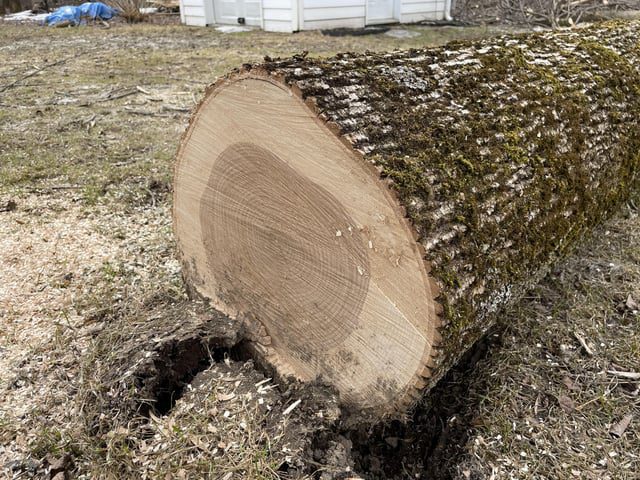
Interesting Fact: Did you know that the composition of wood ash can vary depending on the type of wood burned? Hardwoods like oak and maple tend to produce more ash compared to softwoods like pine.
Historical Uses
Throughout history, wood ash has been used for various purposes. Ancient civilizations discovered its value early on. Here are a few historical uses:
- Fertilizer: Wood ash has been used to enrich soil with essential nutrients for plants.
- Cleaning Agent: It was often used to make soap and as a natural abrasive for cleaning.
- Preservative: In some cultures, wood ash was used to preserve food by creating an alkaline environment that deterred pests.
These historical uses highlight the versatility of wood ash and set the stage for exploring its potential in water filtration.
Stay tuned as we delve deeper into the science and practicalities of using wood ash to filter water in our upcoming sections!
Water Filtration Basics
Water is essential for life, but not all water is safe to drink. Filtering water can remove harmful substances and make it safe. Let’s explore the basics of water filtration, starting with common methods and the importance of having clean water.
Common Methods
There are several ways to filter water. Each method has its own pros and cons. Here are some popular options:
- Boiling: Boiling water kills most germs and bacteria. It’s simple but requires fuel and time.
- Activated Carbon Filters: These filters use carbon to remove impurities. They are effective but need regular replacement.
- UV Light: UV light can kill bacteria and viruses. It’s fast but needs electricity.
- Reverse Osmosis: This method forces water through a membrane to remove contaminants. It’s very effective but can be expensive.
Importance Of Clean Water
Clean water is vital for health. Drinking contaminated water can cause illnesses like diarrhea and cholera. Here are some reasons why clean water is so important:
- Health: Prevents waterborne diseases and keeps you healthy.
- Hydration: Clean water keeps you hydrated and helps your body function properly.
- Cooking: Safe water is necessary for cooking food safely.
- Hygiene: Clean water is crucial for personal hygiene and sanitation.
Remember, filtering water is not just about safety, but also about improving the taste and odor. So, next time you think about drinking water, make sure it’s clean and safe!
Wood Ash As A Filtration Material
Have you ever wondered if something as simple as wood ash could be used to filter water? It might sound surprising, but wood ash has unique properties that make it an interesting material for this purpose. In this section, we’ll explore the amazing potential of wood ash for water filtration. From its basic properties to the way it filters water, let’s dive into the details.
Properties Of Wood Ash
Wood ash is what’s left after wood is burned. It contains various minerals and compounds that are quite useful. Here are some key properties:
- Alkalinity: Wood ash is highly alkaline, with a pH level usually between 9 and 11.
- Calcium Carbonate: It contains calcium carbonate, which is also found in limestone.
- Trace Elements: Wood ash has trace amounts of important elements like potassium, magnesium, and phosphorus.
These properties make wood ash not just waste, but a resource that can be used in several ways, including water filtration.
How It Filters Water
So, how does wood ash filter water? Let’s break it down:
- Adsorption: The alkaline nature of wood ash helps in adsorbing impurities. This means that contaminants in the water stick to the surface of the ash particles.
- Neutralization: The high pH of wood ash can neutralize acidic contaminants, making the water less harmful.
- Mineral Addition: As water passes through wood ash, it can pick up beneficial minerals like calcium and magnesium, which are good for health.
Does this mean you should rush to use wood ash in your home water filter? Not so fast! While wood ash can help in emergency situations, it’s not a complete solution. Professional filtration systems are still the best choice for everyday use.
Next time you see wood ash, think of it as more than just burnt residue. It’s a material with potential, especially in times when access to clean water is a challenge. Who knew something so simple could be so useful?
Benefits Of Using Wood Ash
Wood ash is a versatile material often overlooked. Yet, it offers several practical uses, including filtering water. Using wood ash can bring many benefits. Let’s explore some of these advantages.
Cost-effectiveness
Wood ash is usually free. If you have a fireplace or stove, you likely have wood ash. This makes it a cost-effective option for filtering water. It allows you to reuse a material that would otherwise go to waste. Compared to commercial filters, wood ash saves money.
Environmental Impact
Using wood ash is eco-friendly. It repurposes a byproduct that would otherwise end up in landfills. This reduces waste and promotes sustainability. Wood ash can also enhance soil quality when disposed of. This makes it a dual-purpose resource with minimal environmental impact.
DIY Wood Ash Filter
Ever wondered if you could make your own water filter at home using materials you already have? Enter the DIY Wood Ash Filter. This simple yet effective method can help you filter water using wood ash, which is both sustainable and cost-effective. Let’s dive into how you can create your own wood ash water filter with ease.
Materials Needed
Before we get started, let’s gather everything we need. Don’t worry, the list is short and sweet:
- Wood Ash
- Clean Sand
- Gravel
- Charcoal
- Two Buckets (one with a hole at the bottom)
- Cheesecloth or Fine Mesh
- Water Collection Container
Step-by-step Guide
Now that we have all our materials, let’s walk through the process step-by-step.
- Prepare the Buckets: Take the bucket with the hole and place the cheesecloth or fine mesh at the bottom. This will prevent the filtering materials from falling out.
- Add Gravel: Start by adding a layer of gravel at the bottom of the bucket. This layer should be about 2-3 inches thick.
- Add Sand: Next, add a layer of clean sand on top of the gravel. The sand layer should also be around 2-3 inches thick.
- Add Charcoal: Crush the charcoal into small pieces and add a 2-inch layer on top of the sand. The charcoal helps in removing impurities and odors.
- Add Wood Ash: Finally, add a layer of wood ash on top of the charcoal. Ensure the ash is fine and free of large chunks.
- Filter the Water: Place the bucket with the filtering materials on top of the second bucket (the collection container). Pour the water to be filtered into the top bucket and let it pass through the layers. The filtered water will collect in the bottom bucket.
And there you have it! Your very own DIY wood ash water filter. This method is not only practical but also environmentally friendly. Remember to always test the filtered water to ensure it’s safe for consumption.
Now, isn’t that a handy trick to have up your sleeve? Whether you’re camping, in an emergency, or just experimenting, this wood ash filter could be a game-changer. Happy filtering!
Effectiveness And Safety
When it comes to purifying water, many might think of high-tech filters or chemical treatments. But have you ever considered using wood ash? This age-old method might seem unconventional, but it has its own set of merits. Let’s dive into the effectiveness and safety of using wood ash to filter water.
Contaminant Removal
Wood ash can be surprisingly effective at removing certain contaminants from water. The calcium carbonate in the ash acts as a natural coagulant, clumping together impurities that can then be filtered out. This means that substances like heavy metals, which are often found in polluted water sources, can be significantly reduced. For example, lead and mercury, which are dangerous in high amounts, can be captured by the ash particles.
However, it’s not a one-size-fits-all solution. While wood ash is great at tackling some contaminants, it might not be as effective against others, like bacteria and viruses. So, while it’s a handy tool in your water purification toolkit, you might need to combine it with other methods for the best results.
Health Considerations
Now, let’s talk about safety. Using wood ash to filter water might sound natural and eco-friendly, but it’s important to understand the potential health implications. If not done correctly, you could end up with water that is still unsafe to drink.
First off, the type of wood matters. Hardwoods like oak produce ash with higher calcium content, which is more effective for filtration. Softwoods, on the other hand, might not offer the same benefits. Secondly, the ash must be clean and free of any contaminants itself. Ash from treated wood or wood with paint can introduce harmful chemicals into the water.
Also, while wood ash can reduce certain heavy metals, it doesn’t eliminate all pathogens. This means that the water might still harbor bacteria or viruses, which can cause illness. Boiling the water after filtering can help mitigate this risk.
- Use hardwood ash for better results.
- Ensure ash is clean and free from contaminants.
- Boil water after filtering to kill any remaining pathogens.
In conclusion, while wood ash can be a useful tool for water filtration, it’s not without its limitations. Understanding its effectiveness and safety will help you make informed choices, especially if you’re considering this method for survival situations or eco-friendly living.
Comparing With Other Methods
When exploring ways to filter water, many options are available. Wood ash is one method, but how does it compare with others? Let’s look at some common methods to filter water.
Charcoal Filters
Charcoal filters use activated charcoal. This substance traps impurities. It’s effective in removing chemicals and bad odors. Many people trust charcoal for its filtering power. It’s widely used in households.
Commercial Filters
Commercial filters are another option. These filters come in different types. Some use carbon blocks. Others use ceramic or UV light. They are designed for maximum efficiency. Commercial filters are often tested for safety. They can remove bacteria, viruses, and heavy metals. Many households use these for clean water.
Real-world Applications
Wood ash can effectively filter water by removing impurities and contaminants. This natural method helps improve water quality, making it safer for consumption.
Using wood ash to filter water is not just a theoretical concept. People around the world have found practical uses for this method. It has shown promising results in various settings, from homes to small communities.
Case Studies
In rural areas of Africa, some communities use wood ash to filter water. They mix the ash with sand and gravel. This simple setup helps remove impurities from their drinking water.
In India, a small village experimented with wood ash filters. They found that it reduced heavy metals in the water. The villagers now use this method regularly.
In South America, researchers tested wood ash filters in remote areas. They found it effective for removing contaminants. This has provided cleaner water to many families.
Potential For Widespread Use
Wood ash filters could be useful in disaster situations. They are easy to make and use local materials. This makes them ideal for emergency water purification.
Small communities could benefit from wood ash filters. They offer a low-cost solution for improving water quality. This is especially helpful in areas without access to advanced filtration systems.
Even urban households could use wood ash filters. People could use them as a backup method for water purification. This would add an extra layer of security for their drinking water.
Wood ash filters offer a sustainable and practical solution. They can improve water quality for many people. This makes them a valuable tool in the quest for clean water.
Frequently Asked Questions
Can Wood Ash Filter Water?
Yes, wood ash can filter water. It removes impurities and contaminants by trapping particles and neutralizing acids.
What Happens If You Mix Wood Ash With Water?
Mixing wood ash with water creates a basic solution called lye. This can be used for cleaning or making soap.
Is Ash Water Safe To Drink?
Ash water is not safe to drink. It can contain harmful chemicals and contaminants. Always opt for clean, potable water.
How Does Ash Purify Water?
Ash purifies water by absorbing impurities and killing bacteria. It contains activated carbon which helps remove toxins.
Conclusion
Wood ash can indeed help filter water. It removes some impurities effectively. This natural method offers an eco-friendly option. Remember to test filtered water for safety. Not all impurities get removed by wood ash. Always prioritize health and well-being. Use wood ash as a supplementary method.
Combine it with other filtration systems for best results. Stay informed and cautious. Clean water is essential for life.