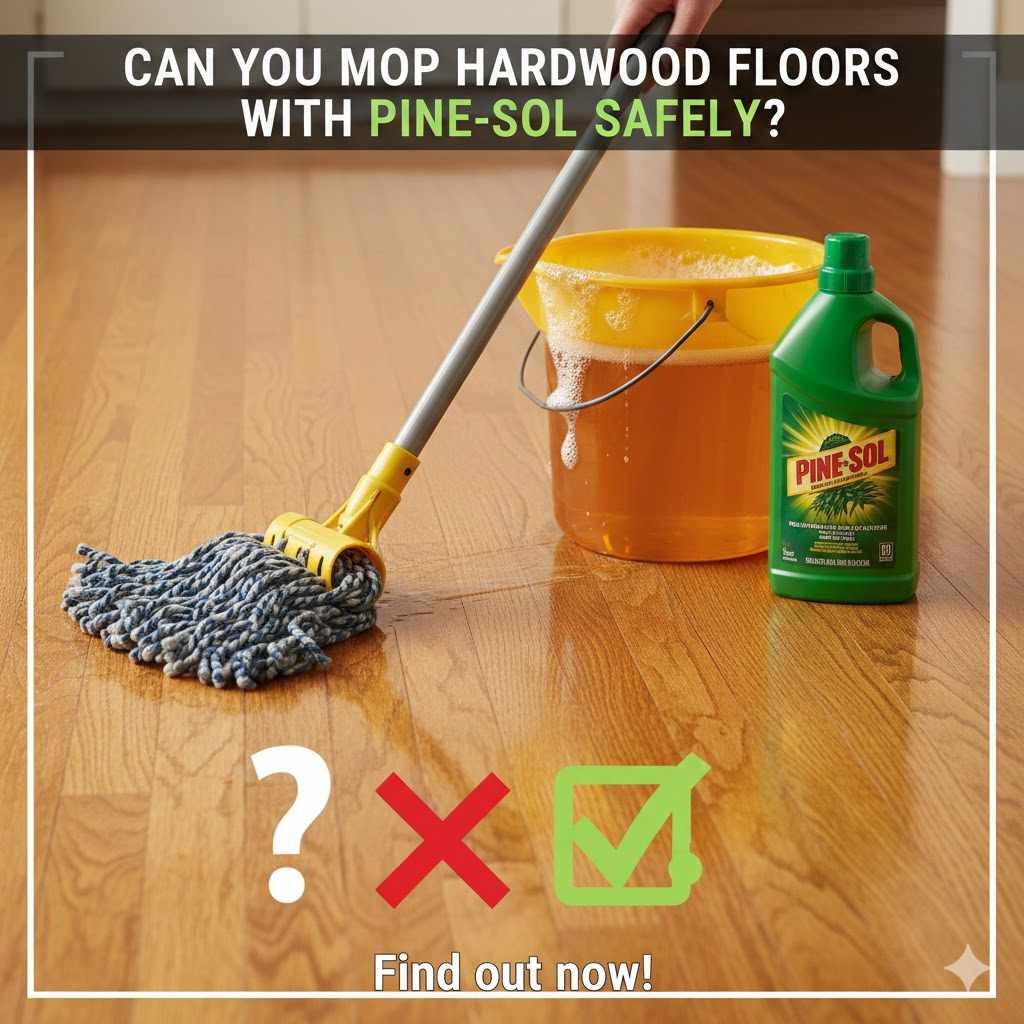
Can You Mop Hardwood Floors With Pine-Sol Safely?
Many people wonder, Can You Mop Hardwood Floors With Pine-Sol Safely? It can be a bit confusing because Pine-Sol is a popular cleaner, but hardwood floors are delicate. Beginners often worry about damaging their beautiful wood. This guide will clear things up and give you a simple way to clean your floors.
We will walk through what you need to know to keep your hardwood looking its best.
Is Pine-Sol Safe For Hardwood Floors
This section helps you understand if using Pine-Sol on your hardwood floors is a good idea. We will look at what makes hardwood special and why some cleaners can cause problems. You will learn about the ingredients in Pine-Sol and how they might affect wood finishes.
This will give you a clear picture of the risks and benefits before you even pick up a mop.
Understanding Hardwood Floor Finishes
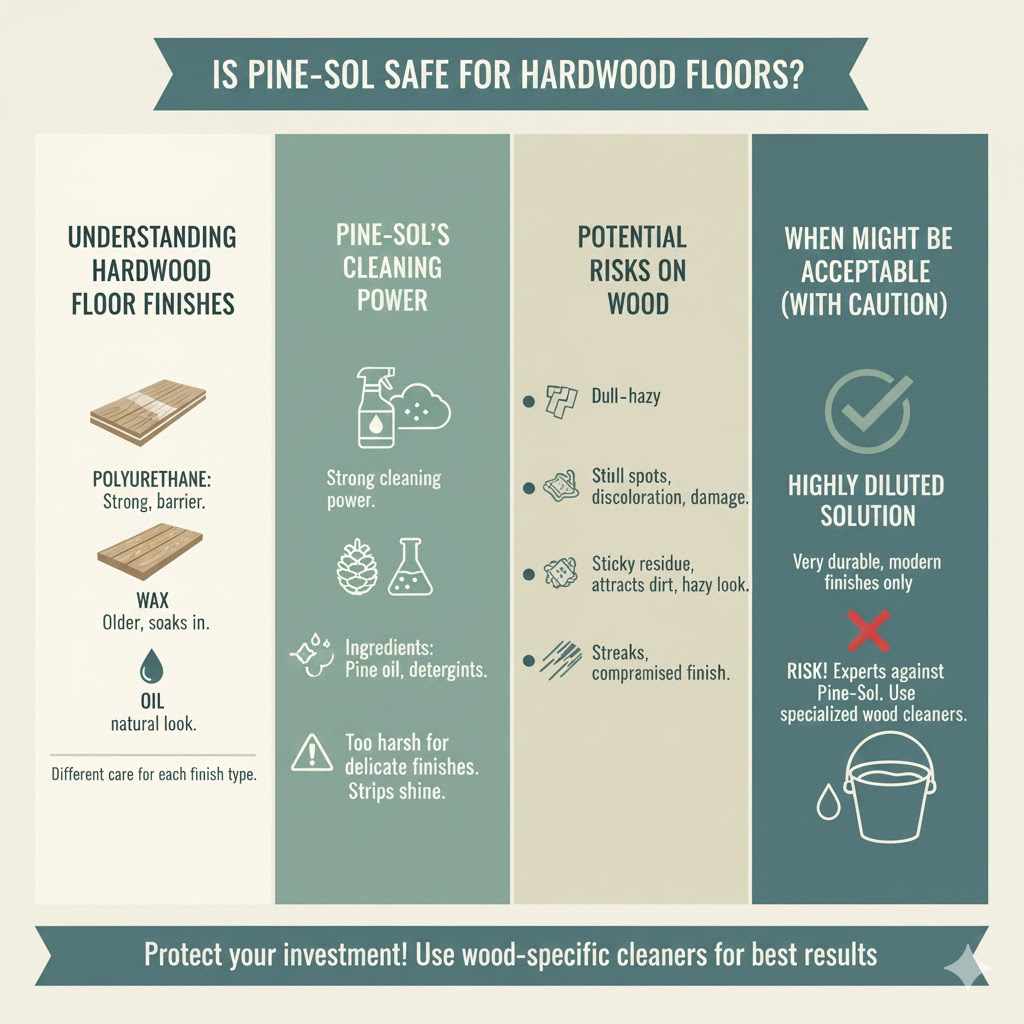
Hardwood floors are covered with a protective layer called a finish. This finish keeps the wood looking nice and prevents damage from spills and wear. There are different types of finishes, like polyurethane, wax, and oil.
Each type needs different care.
Polyurethane finishes are the most common today. They are strong and form a barrier on top of the wood. Wax finishes are older and soak into the wood.
Oil finishes also penetrate the wood and give it a natural look. Knowing your floor’s finish is the first step to cleaning it correctly.
Different finishes react differently to cleaning solutions. A cleaner that works well on one type of finish might harm another. This is why it’s important to be careful when choosing what to use on your hardwood.
Pine-Sol’s Cleaning Power
Pine-Sol is known for its strong cleaning power. It contains ingredients like pine oil, which helps to cut through grease and grime. It also has detergents that lift dirt from surfaces.
For many common household cleaning tasks, Pine-Sol is very effective.
However, its cleaning strength can also be a concern for delicate surfaces. The chemicals in Pine-Sol are designed to disinfect and deodorize, which is great for kitchens and bathrooms. But these same chemicals might be too harsh for the protective layer on your hardwood floors.
The goal of cleaning hardwood is to remove dirt without stripping away its natural shine or damaging the finish. This means finding a balance between effective cleaning and gentle care. We need to see how Pine-Sol fits into this balance.
Potential Risks of Using Pine-Sol on Wood
Using Pine-Sol directly on hardwood floors can cause several problems. The strong chemicals can break down the finish over time. This can lead to dull spots, discoloration, and even damage to the wood itself.
For example, if you use too much Pine-Sol or let it sit on the floor, it can leave a sticky residue. This residue attracts more dirt and can be hard to remove. It might also make your floors look hazy or cloudy, ruining their natural beauty.
Some people have reported that Pine-Sol can leave streaks on their wood floors. This is often due to the concentration of the cleaner or improper rinsing. These streaks are not only unsightly but also a sign that the finish might be compromised.
When Pine-Sol Might Be Acceptable (With Caution)
In some very specific situations, a highly diluted Pine-Sol solution might be considered. This usually involves floors with very durable, modern finishes and only for light cleaning tasks.
The key here is extreme dilution. You would use a tiny amount of Pine-Sol in a large bucket of water. This would significantly reduce the concentration of the harsh chemicals.
However, even with dilution, there is still a risk. Many flooring experts and manufacturers advise against using Pine-Sol on hardwood floors altogether. They recommend specialized wood floor cleaners instead.
This is because the potential for damage outweighs the benefit of using a general-purpose cleaner.
How To Clean Hardwood Floors Safely
Now that we understand the risks, let’s talk about the best ways to clean your hardwood floors. This section will guide you through effective and safe cleaning methods. We’ll cover what tools you need and the simple steps to follow.
Your goal is to keep your floors looking fantastic without any worry.
Choosing The Right Cleaning Products
The best approach to cleaning hardwood floors is to use products specifically made for them. These cleaners are formulated to be gentle yet effective on wood finishes.
Look for cleaners labeled “for hardwood floors” or “pH-neutral floor cleaner.” These products are designed to clean without stripping or dulling the finish. They often contain conditioners that can help maintain the wood’s natural sheen.
Avoid using all-purpose cleaners, ammonia-based cleaners, or abrasive scrubbers. These can cause permanent damage to your hardwood. Always read the product label carefully to ensure it’s safe for your specific type of wood floor finish.
If you’re unsure about a product, it’s always best to test it in an inconspicuous area first. This could be in a closet or behind a large piece of furniture. Wait to see how the floor reacts before cleaning the entire room.
The Best Way To Mop Hardwood Floors
Mopping hardwood floors requires a gentle touch. The key is to use minimal moisture and the right technique. Excessive water is the enemy of hardwood, as it can seep into the wood and cause warping or staining.
Start by sweeping or vacuuming your floors to remove loose dirt and debris. This prevents you from just pushing dirt around with the mop. Then, prepare your cleaning solution.
If you’re using a specialized wood floor cleaner, follow the dilution instructions on the bottle.
Use a mop that is designed for wood floors, such as a microfiber mop. These mops absorb less water and allow for better control. Wring out the mop thoroughly so it is just damp, not wet.
Mop in sections, working with the grain of the wood. This helps to ensure an even clean and prevents streaks. It’s also important to dry any excess moisture with a clean, dry cloth immediately after mopping.
DIY Gentle Cleaning Solutions
If you prefer to make your own cleaner, there are a few safe and effective options. These DIY solutions can provide good cleaning power without the harsh chemicals found in some commercial products.
One popular option is to use a mixture of water and a very small amount of mild dish soap. Use only a few drops of soap in a large bucket of warm water. This is enough to help lift dirt without leaving a residue.
Another effective DIY cleaner is a solution of white vinegar and water. Mix one cup of white vinegar with one gallon of warm water. Vinegar is acidic, which helps to break down grime, but it’s diluted enough not to harm most finishes.
However, some manufacturers advise against vinegar, so check your flooring warranty or manufacturer’s instructions.
After using any DIY solution, always go over the floor with a damp mop rinsed in plain water. This step is crucial to remove any lingering cleaner residue. Finally, dry the floor with a soft cloth.
Dealing With Spills and Stains Promptly
The most important rule for maintaining hardwood floors is to clean up spills immediately. Wood is porous and can absorb liquids quickly, leading to stains and damage.
For fresh spills, blot them up right away with a clean, absorbent cloth or paper towel. Don’t rub, as this can spread the spill. The goal is to soak up as much liquid as possible.
For sticky messes or dried-on spills, you might need a slightly damp cloth. Use a cloth that has been wrung out very well. Gently wipe the affected area.
If a standard damp cloth isn’t enough, you can use a tiny amount of your preferred wood floor cleaner on the cloth itself, not directly on the floor.
After cleaning a spill, make sure the area is completely dry. You can use a fan or a dry microfiber cloth to speed up the drying process. Prompt action will prevent most stains and damage.
When Pine-Sol Is Definitely Not Recommended
There are certain situations and types of hardwood floors where using Pine-Sol is strongly discouraged. Understanding these exceptions is vital to protect your investment in your flooring. This section highlights the clear boundaries for Pine-Sol use on wood.
Unfinished or Oil-Treated Floors
Unfinished hardwood floors have no protective coating and are very absorbent. Oil-treated floors have a finish that soaks into the wood, giving it a natural look but also making it more susceptible to stains and damage from harsh chemicals.
For these types of floors, Pine-Sol is a definite no-go. The chemicals can penetrate the wood directly, causing deep stains, discoloration, and lasting damage. They can strip away the natural oils and leave the wood looking dull and unhealthy.
The best approach for unfinished or oil-treated floors is to use cleaners specifically designed for them. These cleaners are usually oil-based or contain natural ingredients that nourish and protect the wood. Always consult the flooring manufacturer or a professional if you’re unsure about the best cleaning method for your specific floor type.
High-Gloss or Polyurethane Finishes (General Rule)
While polyurethane is a common and durable finish, Pine-Sol can still pose a risk, especially with higher gloss finishes. The chemicals in Pine-Sol can break down the top layer of polyurethane over time, leading to a dull appearance.
Manufacturers of hardwood flooring often provide cleaning guidelines, and many explicitly warn against using Pine-Sol or other harsh cleaners. These products can react with the sealants and cause them to degrade prematurely. This means your floors will lose their shine and protective qualities much faster.
Even if you dilute Pine-Sol significantly, there’s still a chance of residue buildup. This residue can be difficult to remove and can create a cloudy or hazy look on your floors. It’s safer to stick to cleaners recommended by your flooring’s manufacturer.
Flooring Warranties and Manufacturer Guidelines
Your hardwood flooring likely came with a warranty. Using cleaning products that are not recommended by the manufacturer can void this warranty. This is a significant reason to be cautious with products like Pine-Sol.
Always refer to the documentation that came with your flooring. It will outline the approved cleaning methods and products. If you can’t find the original documentation, check the manufacturer’s website.
They usually have detailed care and maintenance guides available.
Adhering to these guidelines ensures that you are protecting your floor and maintaining its warranty. It’s a simple step that can save you a lot of money and headaches in the long run.
Avoiding Residue and Streaking
Pine-Sol is notorious for leaving behind a sticky residue and streaks, especially on smooth surfaces like hardwood. This happens because of its high concentration of chemicals and surfactants, which are designed to lift dirt but can also leave a film.
This residue can attract more dirt, making your floors look dirtier faster. It can also make the floor slippery. Streaking occurs when the cleaner doesn’t evaporate evenly or when too much is used.
These visual imperfections are a clear sign that the cleaner might not be suitable for your floors.
Even if you rinse thoroughly, some of the components in Pine-Sol can be difficult to remove completely, leading to a dulling effect over time. For a pristine finish, it’s best to avoid products that are prone to leaving such residues.
Alternatives to Pine-Sol for Cleaning Hardwood
Fortunately, there are many excellent alternatives to Pine-Sol that are perfectly safe and effective for hardwood floors. This section explores these better options, so you can achieve a clean and beautiful home without risking damage.
Recommended Wood Floor Cleaners
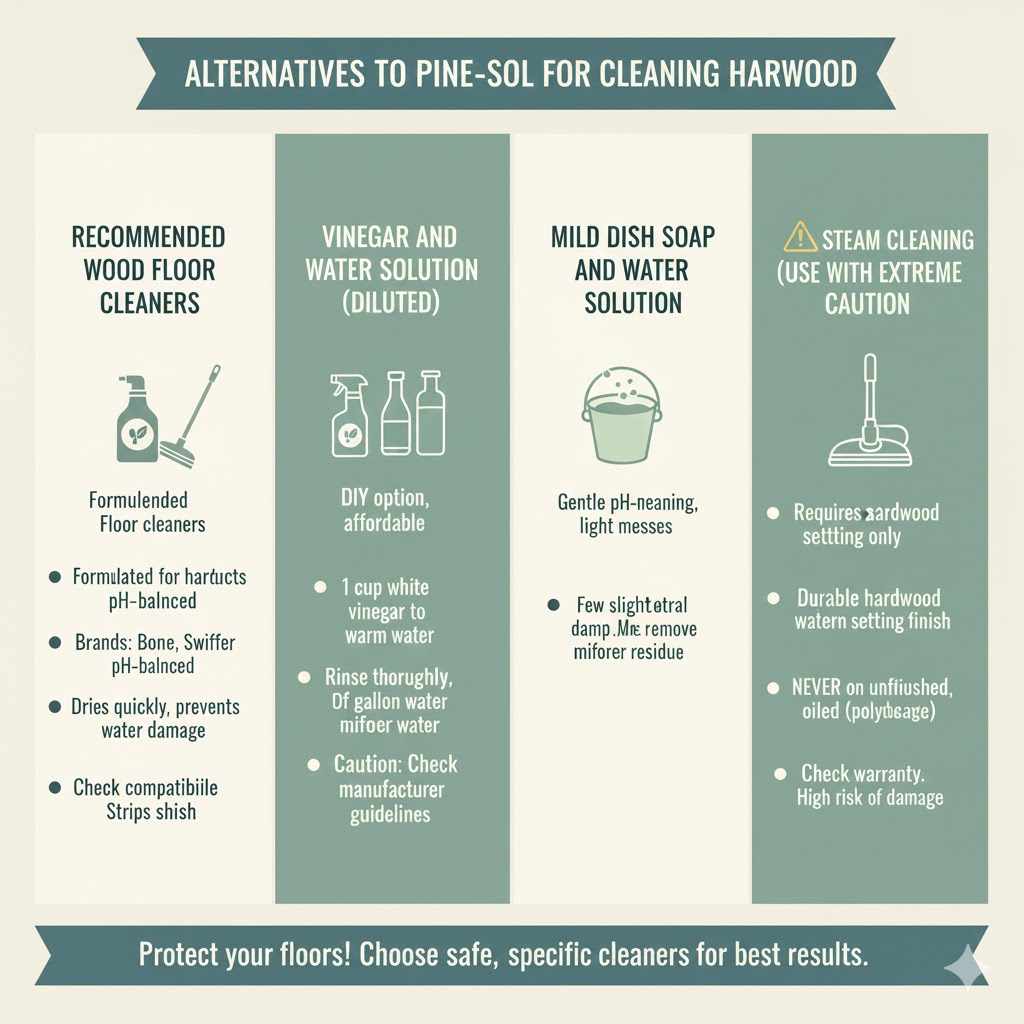
The market is full of high-quality cleaners made specifically for hardwood. These products are formulated to clean effectively while protecting your floor’s finish. They are often pH-balanced and contain conditioning agents.
Some popular and well-regarded brands include Bona, Bruce, and Swiffer WetJet Wood Floor Cleaner. These cleaners are easy to use and readily available. They are designed to dry quickly, minimizing the risk of water damage.
When choosing a wood floor cleaner, look for one that is compatible with your floor’s finish. Most modern finishes are polyurethane, so cleaners designed for polyurethane are usually a safe bet. Always read the product reviews and manufacturer’s recommendations.
Using these specialized cleaners is often the simplest and safest way to maintain the beauty of your hardwood floors. They take the guesswork out of cleaning and provide consistent, reliable results.
Vinegar and Water Solution (Diluted)
As mentioned earlier, a diluted white vinegar and water solution can be a good DIY option for many hardwood floors. It’s an affordable and accessible way to clean.
The recommended ratio is typically one cup of white vinegar to one gallon of warm water. This dilution is key to ensuring the acidity of the vinegar doesn’t harm the floor’s finish. Always use warm water, as it helps to dissolve dirt and grime more effectively.
After mopping with this solution, it’s essential to rinse the floor with plain water. This removes any vinegar residue that could potentially dull the finish over time. Then, dry the floor thoroughly with a clean microfiber cloth or a fan to ensure no moisture remains.
While many people have success with this method, it’s always wise to check your flooring manufacturer’s guidelines. Some manufacturers specifically advise against using vinegar on their products, as it can sometimes etch certain finishes.
Mild Dish Soap and Water Solution
For a very gentle cleaning option, a tiny amount of mild dish soap in water can be effective. This is suitable for light cleaning and everyday messes.
Use only a few drops of a pH-neutral dish soap, like Dawn or Palmolive, in a large bucket of warm water. The soap helps to lift grease and light dirt. Too much soap, however, will leave a residue that is difficult to remove and can make your floors look dull.
The key is to use as little soap as possible. Wring your mop out extremely well so it’s only slightly damp. After mopping, you will likely need to rinse the floor with plain water to remove any soap residue.
Follow up by drying the floor completely.
This method is best for quick cleanups of minor spills and smudges. It’s not ideal for deep cleaning or tackling tough stains, where a specialized wood floor cleaner might be more appropriate.
Steam Cleaning (Use With Extreme Caution)
Steam cleaners can be used on some hardwood floors, but it requires extreme caution. The heat and moisture from steam can damage the wood and its finish if not used properly.
Only use a steam cleaner that has a specific setting for hardwood floors. These settings typically use less steam and lower temperatures. Always ensure your floors have a durable, water-resistant finish like polyurethane.
Never use a steam cleaner on unfinished, waxed, or oiled floors. The moisture can cause significant warping, swelling, and irreparable damage. Always follow the steam cleaner’s instructions carefully and move the steamer quickly over the floor, not dwelling in one spot.
Even with precautions, many flooring manufacturers advise against steam cleaning altogether. If you’re considering this method, it’s crucial to consult your flooring’s warranty and manufacturer’s recommendations first. The risk of damage can be very high.
Frequently Asked Questions
Question: Can I use Pine-Sol on laminate wood flooring
Answer: No, Pine-Sol is generally not recommended for laminate flooring either. Laminate has a protective wear layer that can be damaged by the harsh chemicals in Pine-Sol, similar to hardwood floors. It’s best to use cleaners specifically made for laminate.
Question: Will diluted Pine-Sol still damage my hardwood floors
Answer: Even when diluted, Pine-Sol contains chemicals that can eventually break down your floor’s finish. While it might seem less risky, the long-term effects can still lead to dullness and damage. It’s safer to use products designed for hardwood.
Question: How often should I mop my hardwood floors
Answer: The frequency depends on traffic and how dirty your floors get. Generally, sweeping or vacuuming daily or every other day is good. Mopping once a week or every two weeks with a suitable cleaner is usually sufficient.
Question: Can I use Pine-Sol on sealed wood
Answer: While “sealed wood” might sound protected, Pine-Sol is still too harsh for most wood sealants, including polyurethane finishes. The chemicals can degrade the sealant over time, leading to damage and dullness.
Question: What is the main risk of using Pine-Sol on hardwood
Answer: The main risk is that Pine-Sol’s strong chemicals can break down and damage the protective finish on your hardwood floors. This can lead to dull spots, streaks, discoloration, and eventually irreparable harm to the wood itself.
Summary
In short, while Pine-Sol is a powerful cleaner, it is not recommended for hardwood floors. Its harsh chemicals can damage the finish, leading to dullness and long-term harm. Always opt for cleaners specifically made for hardwood or simple DIY solutions like diluted vinegar or mild dish soap.
Keeping your floors clean and protected ensures they remain beautiful for years to come.