Can You Paint Over Stained Wood With Acrylic Paint: Expert Tips
Have you ever looked at your stained wood furniture and wondered if a fresh coat of acrylic paint could give it a new life? Perhaps you’re tired of the same old look and crave something more vibrant and exciting.
You’re not alone! Many people are curious about transforming their stained wood pieces without losing the natural beauty beneath. But can you really paint over stained wood with acrylic paint? We’ll uncover the secrets to successfully painting over stained wood, ensuring a stunning finish that will make your furniture the talk of the town.
Keep reading to discover the tips and tricks that will help you achieve a flawless transformation and satisfy your creative itch!
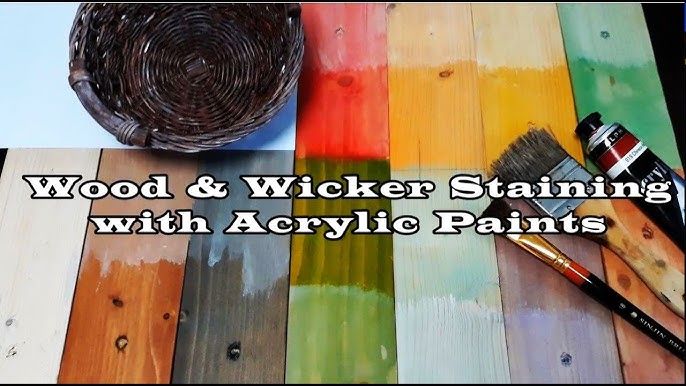
Credit: www.youtube.com
Choosing The Right Acrylic Paint
Picking the right acrylic paint is importantfor stained wood. Look for paints marked as high-quality. These stick better to surfaces. Some paints are labeled for wood use. They work well on stained wood. Choose a color that coversdark stains. Bright colors cover better than dull ones.
Consider the finishof the paint. Glossy finish can make wood shine. Matte finish gives a softer look. Always check the labelfor durability. Durable paints last longer on wood. Some paints are waterproof. They protect wood from moisture. Ensure the paint is non-toxicand safe for indoor use.
Credit: www.familyhandyman.com
Preparing Stained Wood Surface
First, remove any dust or dirt from the wood. Use a soft cloth for this. Mix some soap with water in a bowl. Wet a sponge with the soapy water. Gently scrub the wood surface. Rinse the sponge and wipe off the soap. Let the wood dry completely before moving on.
Sanding makes the wood smooth and ready. Use fine-grit sandpaper for best results. Rub the paper over the wood gently. Do this until the surface feels smooth. Wipe away dust with a clean cloth. Sanding helps the paint stick better.
Primer helps paint stick to wood. Choose a primer made for stained wood. Apply a thin coat with a brush or roller. Let it dry as per instructions. This step prepares the wood for acrylic paint. Now, the wood is ready for the final paint layer.
Painting Techniques
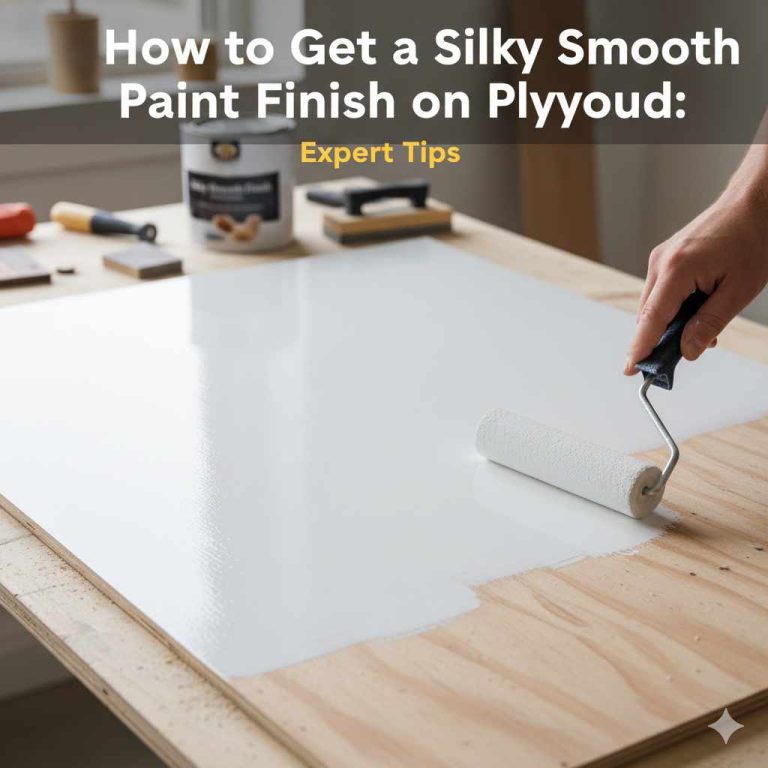
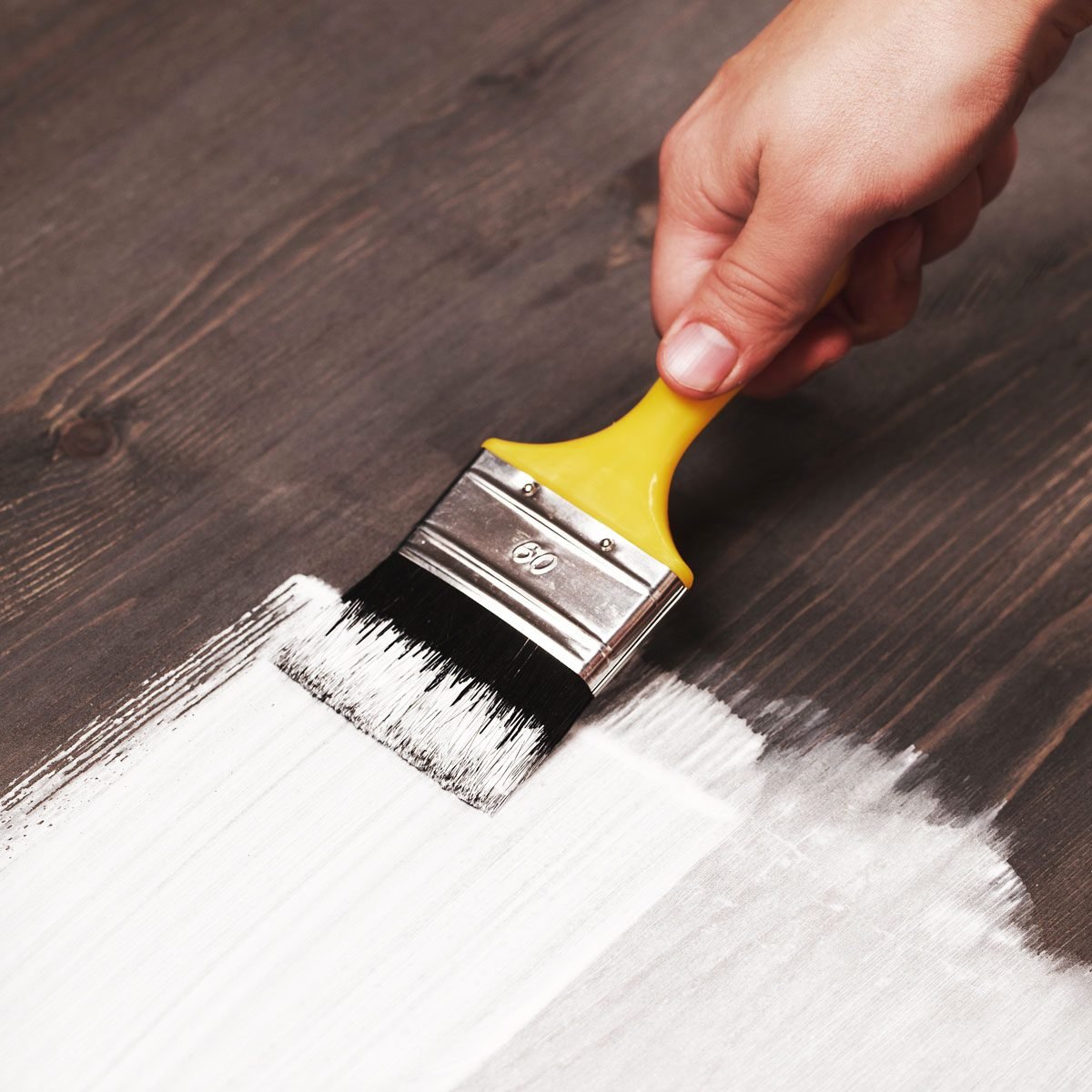
Using a brushgives you more control. It’s best for small areasand details. You can paint cornersand edgeseasily. A rolleris good for large areas. It makes the work fast. The finish is smooth. Choose your tool based on the job. Brushes are for precision. Rollers are for speed.
Layeringis important for a smooth finish. Start with a thin coat. Let it dry completely. Add more layers if needed. Each layer should be even. This helps in coveringthe wood well. Don’t rush the process. Take your time. It makes the paint job last longer.
Sealing And Finishing
Painting over stained wood with acrylic paint is possible with proper preparation. Clean the surface and apply a primer for better adhesion. Seal the paint with a clear finish to enhance durability and shine.
Types Of Sealants
Sealants protect the wood. They stop stains and dirt. Polyurethane is popular. It is clear and strong. Shellac gives a shiny look. It is natural. Varnish is also used. It is thick and glossy. Lacquer dries fast. It is smooth and durable. Wax adds softness. It is easy to apply. Each type has its own style.
Application Methods
Sealants can be brushed on. Use a clean brush. Apply in even strokes. Spraying is another way. It covers large areas fast. Dipping is for small items. Make sure to wipe off excess. Rolling works for flat surfaces. It gives a smooth finish. Padding is gentle. Use a soft cloth. Each method gives a different look.
Common Mistakes To Avoid
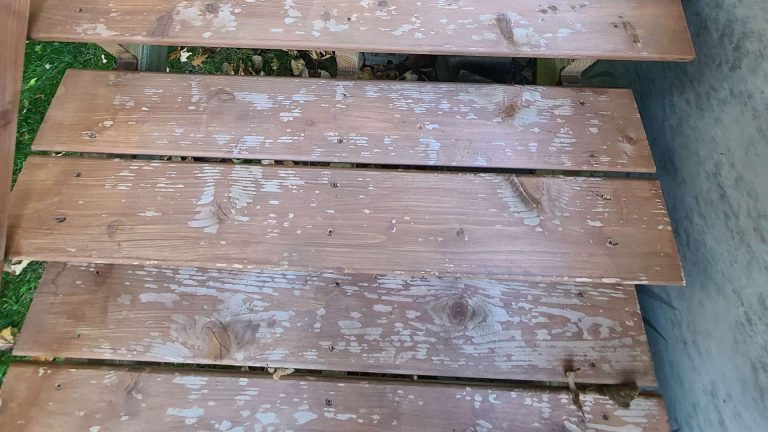
Using the wrong primercan ruin your paint job. Always choose a primer that works well with acrylic paint. Skipping the sanding step is another big mistake. Sanding helps the paint stick better. Clean the wood before painting. Dust and dirt can cause the paint to peel. Applying too much paint at once can lead to drips. Use thin coats for a smooth finish. Ignoring drying time is also a problem. Let each layer dry fully before adding another. Choosing cheap brushes can affect the final look. Good brushes spread paint evenly. Don’t forget to seal the paint. A clear coat protects your work. Following these tips will help you avoid common mistakes.
Maintenance Tips
Use a soft cloth to clean the painted wood. Dust the surface gently to keep it looking fresh. Avoid using harsh chemicals or abrasive pads. Mild soap and water work well for sticky spots. Dry the wood quickly after cleaning. Moisture can damage the paint. Regular cleaning keeps the wood beautiful.
Scratches and small marks can happen over time. Use a small brush for touch-ups. Match the paint color carefully. Thin layers work best. Let the paint dry between coats. Sanding lightly can smooth rough spots. Preserve the original beauty of the wood with these tips.

Credit: www.youtube.com
Frequently Asked Questions
What Kind Of Paint To Paint Over Stained Wood?
Use a high-quality latex or oil-based primer before painting stained wood. Choose water-based acrylic or oil-based paint for the topcoat. Sand the surface lightly to ensure better adhesion. Ensure the wood is clean and dry before starting the process.
Can I Paint Over Stained Wood Without Sanding?
Yes, you can paint over stained wood without sanding. Use a high-quality bonding primer first. This ensures the paint adheres well. Clean the surface thoroughly to remove dust and grease. Apply two coats of paint for the best results. Choose the right paint type for wood surfaces.
Can I Paint Directly On Wood With Acrylic Paint?
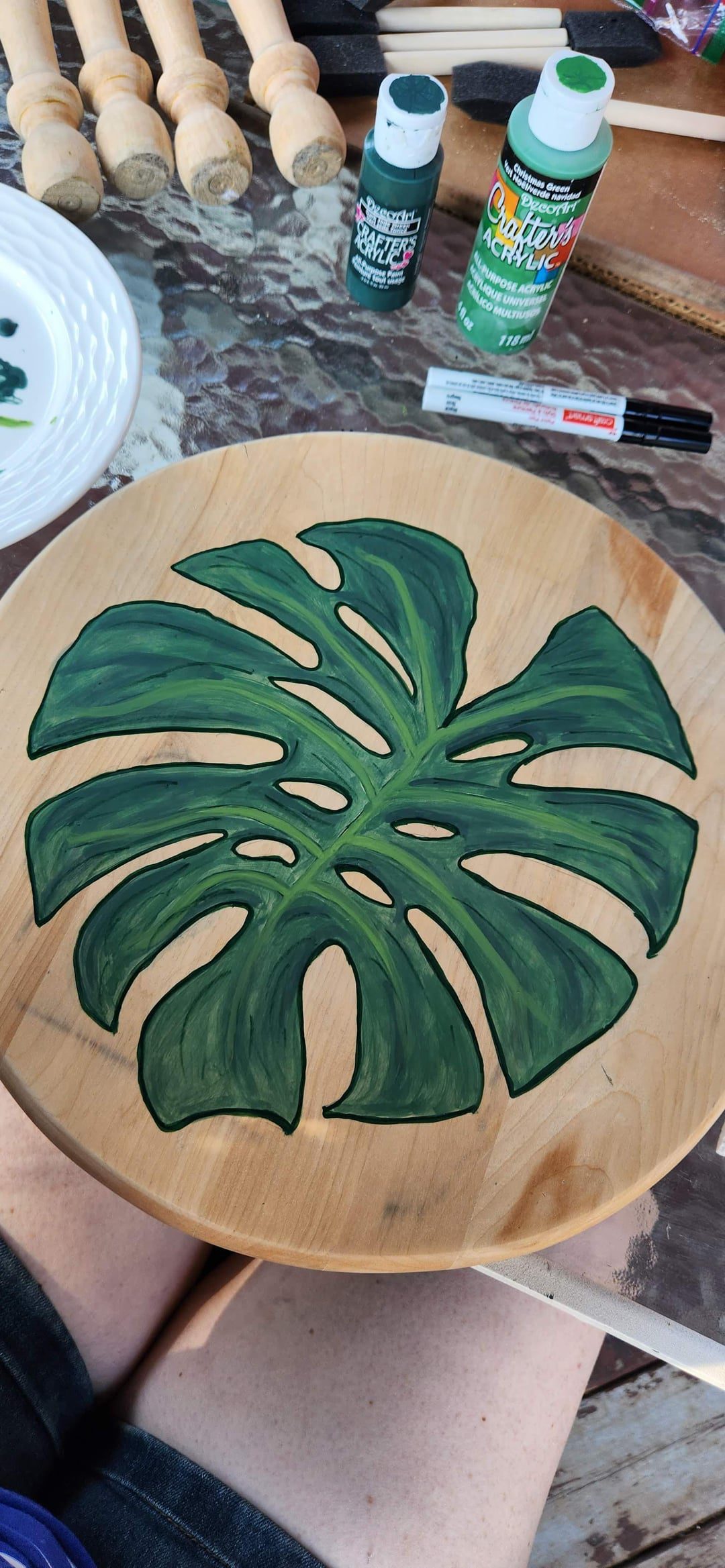
Yes, you can paint directly on wood with acrylic paint. Clean the surface first, then apply a primer for better adhesion. Acrylics dry quickly and offer vibrant colors. Using a sealant afterward protects your work and enhances durability.
Can You Paint On Top Of A Wood Stain?
Yes, you can paint over wood stain. Clean and sand the surface first. Use a primer to ensure better adhesion. Choose a high-quality paint suitable for wood surfaces. Ensure the stain is fully dry before painting for best results.
Conclusion
Painting over stained wood with acrylic paint is possible. The process requires proper preparation. Sanding helps the paint adhere better. Cleaning the surface removes dust and grease. A primer ensures even coverage and color. Choose quality acrylic paint for lasting results.
Be patient during drying times. Several coats may be needed for rich color. Protect your work with a clear sealant. This keeps the paint vibrant and durable. Enjoy your refreshed wooden surfaces! Acrylic transforms stained wood beautifully.