How Long Should Paint Dry Before Putting Furniture Back? (By Type)
Paint is dry to the touch in 24 to 48 hours, but it doesn’t fully cure for up to 30 days, according to Behr and Sherwin-Williams technical data. Moving furniture back too soon is the most common cause of dented or imprinted fresh paint. This guide covers exact dry and cure times by paint type and brand, plus how to protect surfaces if you can’t wait the full 30 days.
Insert your Affiliate Disclosure reusable block here
Paint Dry Time vs. Cure Time: The Difference That Matters
Best Furniture Protection Pick
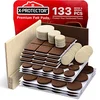
X-PROTECTOR 133-PC Felt Furniture Pads
A mixed-size, self-stick felt pad pack that fits nearly any chair, table, or dresser leg you’re setting back onto a freshly painted floor.
- Best for: covering every leg in a room in one pack, mixed furniture sizes
- Why we picked it: widest size range of any pack we found, so you’re not guessing on fit
- Main drawback: self-stick backing needs reapplying every 6–12 months on high-traffic pieces
Compare more furniture protection options
 Option 1 Scotch Felt Pads, 162 PCS
|
 Option 2 X-PROTECTOR Furniture Sliders, 16 PCS
|
 Option 3 Yelanon Felt Pads, 182 PCS
|
As an Amazon Associate we earn from qualifying purchases.
“Dry” and “cured” are not the same thing, and mixing them up is the actual reason furniture leaves dents and shiny imprints in fresh paint.
Dry time is a paint that no longer transfers or feels sticky to a light touch — usually 30 minutes to 8 hours depending on the paint. Cure time is how long the paint film needs to fully cross-link and reach its final hardness, which for most wall paints is 21 to 30 days. A wall can look and feel completely dry after a day while the film underneath is still soft enough for a table leg, a picture frame corner, or a shelf bracket to leave a permanent mark.
Sherwin-Williams draws this line explicitly in its own drying guidance: paint is safe to touch and recoat within hours, but full film hardness — the point where the surface resists scuffing, blocking (furniture sticking to the paint), and pressure marks — takes weeks, not days. For finishes beyond paint, like stains, oils, and sealers, see our full wood finishing guide.
📊 Oil-based paints are typically touch-dry in 6 to 8 hours but can fully cure in as little as 5 to 7 days — because they harden through oxidation rather than water evaporation, the opposite of what most people assume about “slow-drying” oil paint. Latex and acrylic wall paints, by contrast, need the full 21 to 30 days to cross-link completely.
How Long Different Paint Types Take to Dry
Every paint type has its own dry-to-touch, recoat, and full-cure window. If you’re still deciding which paint to use on a piece in the first place, see our guide on what kind of paint to use on wood.
| Paint Type | Dry to Touch | Safe to Recoat | Safe for Light Furniture | Full Cure |
|---|---|---|---|---|
| Latex / Acrylic (wall paint) | 30–60 min | 2–4 hrs | 24–48 hrs | 21–30 days |
| Oil-Based | 6–8 hrs | 24 hrs | 3–7 days | 5–7 days |
| Chalk Paint | 30–60 min | 1 hr | 24 hrs (light use) | ~30 days (with wax topcoat) |
| Epoxy Floor Coating | 4–24 hrs | N/A | 24–72 hrs | 3–7 days |
Chalk paint feels dry fastest of all of these, but that speed is deceptive — without a protective wax or poly topcoat it stays soft and scuffs easily for weeks. If you’re finishing a chalk-painted piece, see our breakdown of putting polyurethane over chalk paint for how a topcoat changes that timeline. Spray paint and rattle-can finishes generally track closer to the latex numbers above — check whether yours is oil- or water-based before you plan around it.
Manufacturer Dry & Cure Times: Behr vs. Sherwin-Williams vs. Benjamin Moore
Generic “24 to 48 hours” advice glosses over real differences between the three paint lines most homeowners actually buy. Here’s what each manufacturer’s own technical data lists for a standard interior latex product, at 70–77°F and 50% humidity:
| Brand | Dry to Touch | Safe to Recoat | Full Cure |
|---|---|---|---|
| Behr (Premium Plus Interior) | 1 hr | 2 hrs | 4 weeks (28 days) |
| Sherwin-Williams (interior latex) | 30–60 min | 2–4 hrs | 21–30 days |
| Benjamin Moore (Aura interior) | 1 hr | 1 hr | 7–30 days |
Benjamin Moore’s Advance alkyd line is the outlier worth knowing about: its own guidance says not to return shelves or tabletops to service for at least 3 to 5 days, even though the surface feels dry to the touch within hours — because the alkyd resin keeps hardening well past the point where it stops feeling wet. Whichever brand you’re using, the safest rule stays the same: dry-to-touch numbers tell you when to recoat, not when it’s safe to load weight onto the surface.
What Actually Speeds Up (or Slows Down) Drying
- Temperature: 65–85°F is the ideal drying range. Below 50°F, latex paint can take days longer to skin over.
- Humidity: Keep it between 40–50% if you can. Above 70% humidity roughly doubles dry time for water-based paint.
- Airflow: Open windows and a box fan pointed across the surface (not directly at it) speed evaporation without stirring up dust onto the wet film.
- Coat thickness: One thick coat dries slower and less evenly than two thin coats — and is more likely to stay soft underneath even after the surface looks dry.
- Surface porosity: Bare or lightly primed wood pulls moisture out of the paint faster than a previously painted, sealed surface.
A hair dryer can speed up small touch-up spots, but it’s not a substitute for real cure time on a whole wall or tabletop — we tested exactly how much it helps (and where it doesn’t) in will a hair dryer make spray paint dry faster.
Signs Paint Is Actually Ready for Furniture
- Press a fingernail edge gently into an inconspicuous spot — it should leave no dent or mark.
- The color has reached its final, fully-dried shade. Most paints look slightly darker and duller while still curing.
- Nothing transfers to a white cloth when you wipe the surface lightly.
- At least the minimum “safe for furniture” window from the tables above has passed for your specific paint type.
One common myth worth correcting: a faded paint smell does not mean the paint has cured. Smell fading just means the VOCs (volatile organic compounds) have finished off-gassing, which typically happens well before the paint film reaches full hardness. A room can smell completely neutral on day 3 while the paint underneath still won’t be fully cured for another three to four weeks.
How to Protect Walls and Floors If You Can’t Wait the Full Cure Time
Most people can’t leave a room empty for 30 days. If furniture has to go back before the paint is fully cured, these steps cut the risk of dents, imprints, and paint pulling away with the furniture:
- Wait for the minimum safe-for-furniture window: Never move furniture back before the dry-to-touch and light-use times in the tables above, even if you’re short on time.
- Add felt or rubber pads under every leg: Distribute weight and stop hard contact points from denting the film while it’s still soft.
- Pull furniture an inch or two off the wall: Direct wall contact is where blocking (furniture sticking to paint) happens most.
- Use furniture sliders for heavy pieces: Sliding a soft-bottomed dresser or cabinet across a freshly painted floor is far safer than dragging it directly on bare wood or a hard base.
- Avoid leaning anything directly against a painted wall: A leaned picture frame or broom concentrates pressure on a single point — exactly where imprints show up first.
Common Mistakes When Moving Furniture Back Too Soon
- Trusting the calendar over the paint: humidity and temperature shift the numbers above by days in either direction — a cold, damp basement can double the wait.
- Ignoring the label: every can lists its own recoat and cure guidance; generic “24 to 48 hours” advice is a starting point, not a substitute.
- Dragging instead of lifting: even fully cured paint can scuff under a dragged table leg — lift furniture into place rather than sliding it across a painted floor.
- Skipping primer on stained or glossy wood: paint over unprepped stained wood can stay tacky longer and bond poorly — see our guide to painting over stained wood for the prep steps that avoid this.
Frequently Asked Questions
How long should paint dry before putting furniture back?
Wait at least 24 to 48 hours for latex or acrylic paint before putting furniture back, and 3 to 7 days for oil-based paint. Those are safe-for-light-use windows, not full cure — avoid heavy pressure, dragging, or leaning anything directly against the surface until the full cure time (21 to 30 days for latex) has passed.
What’s the difference between paint dry time and cure time?
Dry time is how long paint takes to stop feeling wet or sticky, usually 30 minutes to 8 hours. Cure time is how long the paint film needs to fully harden and cross-link, which takes 5 to 30 days depending on the paint type. Paint can be dry to the touch and still soft enough underneath to dent or stick to furniture.
Can you put furniture against a wall after 24 hours?
For most latex wall paint, 24 hours is enough to lightly touch the wall but not to press furniture firmly against it. Pull pieces an inch or two off the wall for the first few weeks, and wait the full safe-for-furniture window from the paint’s label before direct contact.
Does oil-based paint take longer to cure than latex?
No, not always. Oil-based paint is slower to dry to the touch (6 to 8 hours versus 30 to 60 minutes for latex), but it can fully cure faster — in as little as 5 to 7 days — because it hardens through oxidation. Latex and acrylic paints typically need 21 to 30 days to fully cure.
Will furniture stick to a freshly painted floor?
Yes, if it’s moved back too soon. This is called blocking, and it happens when a surface still under a warm, soft paint film is pressed against another surface. Waiting the recommended safe-for-furniture window and using felt pads or sliders under legs both reduce the risk significantly.
Does paint smell mean it’s still wet?
No. Paint smell comes from VOCs off-gassing, which usually fades within a few days — well before the paint film is fully cured. A room can smell neutral while the paint underneath is still three to four weeks from full hardness, so don’t use smell alone to judge whether it’s safe to load furniture.
Conclusion
Wait at least 24 to 48 hours for latex paint and 3 to 7 days for oil-based paint before moving furniture back, and treat the full 21- to 30-day cure window as the real deadline for anything pressed directly against the surface. If you’re staining rather than painting, the timeline is different — see our wood staining dry-time guide for those specifics.
When time is tight, felt pads, furniture sliders, and a few inches of clearance from the wall do more to protect a still-curing paint job than any amount of extra waiting alone. Check your specific paint can’s label first — brand and formula differences of several days are common, as the manufacturer comparison above shows.
Sponsored / affiliate links. As an Amazon Associate I earn from qualifying purchases. I may earn additional commission from eligible campaigns.