What Paint to Use on Cornhole Boards: Primer, Latex & Clear Coat Guide
The best paint for cornhole boards is a gloss exterior acrylic latex, applied over a primer and locked under a clear topcoat. That is also what the American Cornhole Organization (ACO) describes for the playing surface: high gloss latex paint or varnish. The paint gives you the color and the topcoat gives you the slide, so choosing them together matters more than picking a brand.
This guide covers the whole paint system in order: primer, color coats, clear coat, and dry times, plus the coverage math for a full set of two boards and the one label check that trips up a lot of DIY builders. If you already have the boards built, start here. If you still need to sand, edge and prep the plywood, the full cornhole finishing walkthrough covers that stage in more detail.
Best Paint for Cornhole Boards: The Short Answer
Best Gloss Latex Paint Pick
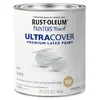 |
Rust-Oleum Painter’s Touch Latex Paint, Gloss White, 1 Quart: about $16 A gloss water-based acrylic latex listed for indoor and outdoor use, which matches the high gloss latex finish the ACO describes for a playing surface.
|
A paint job that lasts on a cornhole set has four layers, and skipping any of them is what causes peeling, bag-scuffed color or a sticky surface. Here is the system in one table.
| Layer | What to use | Why it is there | Typical wait before the next step |
|---|---|---|---|
| Primer | Water-based all-surface primer (for example a bonding gray primer) | Seals plywood grain so color coats look even and stick | About 1 hour to recoat for a bonding primer; check the can |
| Color coats | Gloss or semi-gloss exterior acrylic latex, 2 thin coats | Color and weather resistance | 2 to 4 hours between coats on a typical latex; longer in cool or humid weather |
| Clear coat | Water-based polyurethane rated for your use, 3 thin coats on the playing surface | Protects the paint from bag abrasion and sets the slide | 2 hours or more between coats; follow the label |
| Cure | Time, not product | Lets the film harden so bags do not scuff or stick | Several days minimum before serious play |
The waits in the table come from typical manufacturer label claims: a bonding water-based primer that recoats in about an hour, and a water-based clear coat that recoats after roughly two hours. Always follow your own can, because temperature and humidity change everything.
What the Official Rules Say About Board Finish
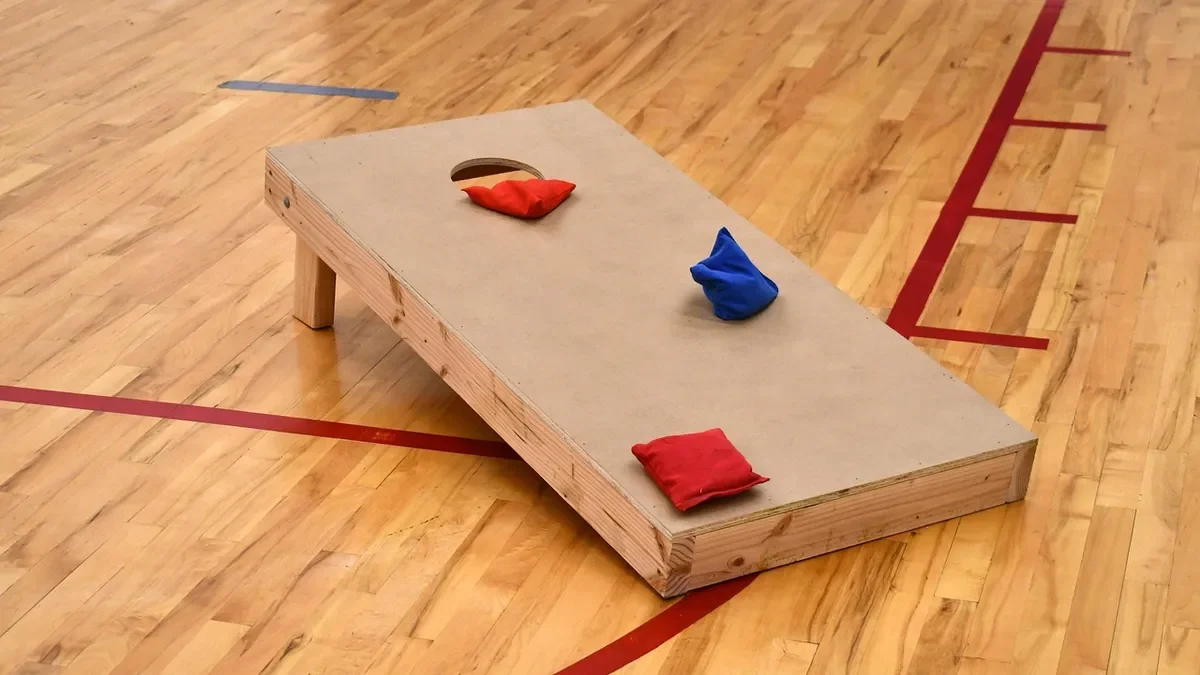
The ACO board specifications describe a hardwood plywood playing surface, 24 inches wide by 48 inches long (with a small tolerance), a 6 inch hole centered 9 inches from the top edge, and a surface that is sanded smooth. On finish, the ACO says the playing surface can be painted with a high gloss latex paint or varnish, and that it should let bags slide when thrown without being so slippery that they slide back down the board.
Notice what that wording does not say. It does not demand a specific brand, a specific sheen for the color coats, or a factory-style multi-layer coating. If you want to know how tournament boards are actually coated, see what ACL boards are finished with. For backyard boards, gloss latex plus a clear topcoat fits the ACO description and costs a fraction of the price. Board size is covered in cornhole board dimensions if you are still building.
Latex, Acrylic, Oil-Based or Spray Paint?
Most people asking about paint for cornhole boards are really choosing between four options. Here is how they compare for a board that gets outdoor use and thrown bags.
| Paint type | Pros | Cons | Verdict |
|---|---|---|---|
| Exterior acrylic latex (brush or roller) | Water cleanup, flexible film, fits the ACO gloss latex description, tint options everywhere | Needs primer on bare plywood; stays soft for days if the coats are thick | Best all-around choice |
| Acrylic craft paint | Great for small designs and logos | Too thin for the whole surface; needs a sealer over it | Use for details only |
| Oil-based enamel | Hard, glossy film | Long dry times, strong fumes, yellows in white and light colors, and water-based clear coats may not bond well without sanding | Skip unless you already have it |
| Spray paint (exterior enamel or acrylic) | Very smooth, no brush marks, good for solid colors | Overspray, needs ventilation, easy to get runs if you spray heavy | Good for solid colors if you spray thin coats |
If you plan to seal the paint with polyurethane, the paint-to-clear compatibility question comes up a lot. Water-based polyurethane over fully dry latex is a routine combination, and the site has a separate breakdown in can you apply polyurethane over paint.
Prep and Primer: The Part That Decides How Long the Paint Lasts
Sand the top of each board with 120 grit, then finish with 180 to 220 grit so the surface is smooth to the touch. Ease the sharp plywood edges and the rim of the hole slightly so the paint does not chip there first. Wipe off the dust with a damp cloth and let the wood dry completely.
Then prime. Raw plywood drinks up paint unevenly, and the first coat of color on bare wood usually looks blotchy. One coat of a water-based bonding primer evens that out, gives the color coats something to grip and, if you pick a gray primer, improves coverage under strong colors like red and blue. Lightly sand the dry primer with 220 grit to knock down raised grain and wipe again.
How Much Paint Does a Set of Cornhole Boards Need?
This is the number most guides skip. Each regulation board is about 24 by 48 inches, which is 8 square feet per face. If you paint the top, the bottom and the edges of a 3/4 inch board, that is roughly 16.75 square feet per board, or about 33.5 square feet for a pair. Two coats of each product across the whole set comes to about 67 square feet of coverage, before legs.
A quart of typical brush-on latex is listed at up to about 100 to 120 square feet of coverage, so one quart of primer and one quart of color will cover a pair of boards with paint to spare. If you add a second color for stripes, a stencil design or a logo, a small sample pot or craft paint is enough. Coverage claims are best-case numbers, so treat them as a ceiling.
Step-by-Step: Painting the Boards
- Sand the surface smooth and round the edges slightly, then wipe off the dust.
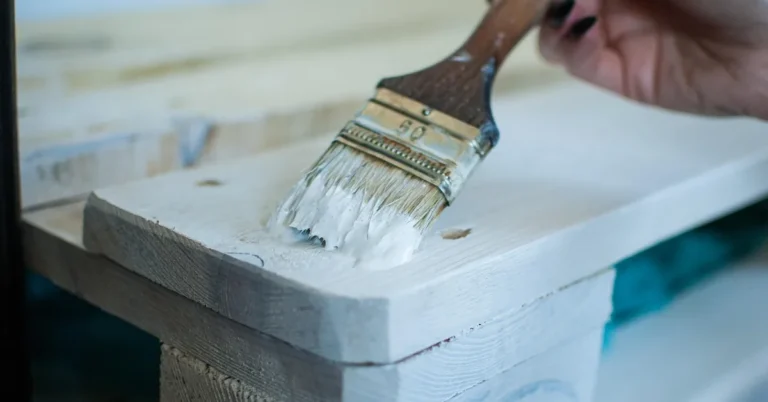
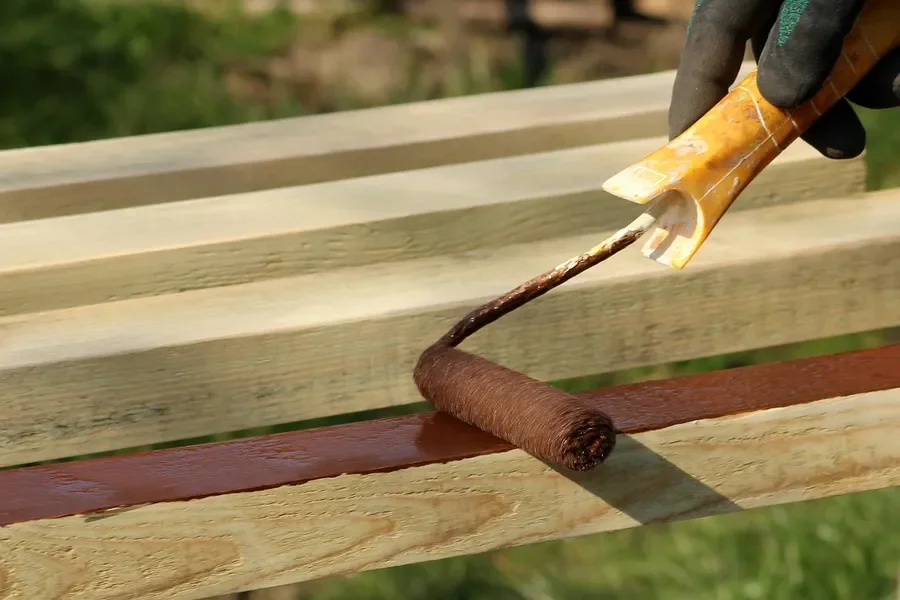
- Apply one coat of water-based primer with a 3/8 inch nap roller, using a brush for the hole edge and the board perimeter. Let it dry per the label, then sand lightly with 220 grit.
- Apply the first color coat thin. Two thin coats beat one thick coat, because thick latex stays soft longer and shows roller marks.
- Let the coat dry fully, sand very lightly with 220 grit if you feel raised grain, wipe, and apply the second coat.
- Add any stencils or vinyl designs only after the base color is firm, not just tacky. Peel painter tape at a low angle to avoid lifting the edges.
- Let the paint dry before clear coating. Give it at least a day, and longer in cold or humid weather, so moisture can escape before you trap it under a topcoat.
Clear Coat: Where Most Paint Jobs Go Wrong
Bags scrape across the playing surface hundreds of times a game. Bare paint gets scuffed, chalks and eventually shows the primer, so a clear coat is not optional if you want the boards to last more than a season. It also sets how the boards slide.
Here is the check that catches people out: read the label on your polyurethane or Polycrylic. Minwax Polycrylic, the popular water-based clear coat, is marketed for interior wood projects. That is fine for boards that live in a garage or basement and come out on nice days, but for boards that will sit on a porch or get carried to a tailgate in damp weather, choose a clear coat whose label allows exterior use, such as a spar urethane. We walk through that decision in how to seal cornhole boards.
- Water-based clear coat: stays clear, dries faster, easy cleanup, does not tint white or pale colors.
- Oil-based clear coat: more durable, but it ambers over time and can turn white or light blue paint yellowish.
- Number of coats: apply thin coats with a quality synthetic brush or foam applicator, sanding lightly with 220 grit between coats for a smooth surface. Three coats is a common minimum on the playing surface.
If you use an oil-based clear coat, lay used rags flat outdoors to dry or soak them in water in a sealed metal can before disposal. Oil-soaked rags can heat up and ignite on their own when bunched together. And when spraying anything, work outdoors or with strong airflow and wear a respirator rated for the product.
Getting the Slide Right
A common myth is that a matte paint makes a slow board and a glossy paint makes a fast one. In practice the clear coat is what the bag touches, so the topcoat sheen and how well it is sanded decide the slide. The ACO wording is a useful target: bags should slide, but not slide back. A satin or semi-gloss clear coat, lightly sanded and fully cured, usually lands in that range. If your finished boards are too grippy or too fast, adjust the surface rather than repainting, and see how to make cornhole boards slippery for the safe options.
Fresh paint and fresh clear coat both feel tackier than they will once cured. Bags stick to a soft film, so play on new boards only after several days and expect the slide to improve over the first couple of weeks.
Adding Designs, Stripes and Logos
Apply designs on top of the cured base color and under the clear coat, not over it. That way the clear coat seals the edges of the design and the graphics do not wear off the first time a bag lands on them. Painter tape with a light coat of clear sealer along its edge is a classic way to keep stripes sharp. Vinyl decals also work, but seal the edges with several thin clear coats so they do not lift.
Keep the Paint Looking Good
- Wipe the boards with a damp cloth after play; avoid harsh solvents on the clear coat.
- Store the boards flat or on edge, off concrete and out of direct sun. See how to store cornhole boards.
- Touch up chips quickly: sand the area lightly, dab paint, then clear coat, before moisture gets under the film.
Common Paint Mistakes to Avoid
- Painting bare plywood with no primer, then wondering why the color looks patchy.
- Applying thick coats in one pass, which leaves drips and a soft film.
- Using an interior-only clear coat on boards that live outdoors.
- Skipping the light sanding between coats, which leaves raised grain under the finish.
- Playing on the boards before the finish has cured.
Frequently Asked Questions
What type of paint should I use for cornhole boards?
Use a gloss or semi-gloss exterior acrylic latex, applied over a water-based primer. The ACO describes high gloss latex paint or varnish for the playing surface.
Do I need to prime cornhole boards before painting?
Yes, in most cases. Bare plywood soaks up paint unevenly, and a primer gives the color coats an even base and better adhesion, especially under strong colors.
What kind of clear coat should I use on painted cornhole boards?
Use a water-based polyurethane or similar clear coat, and check the label for exterior use if the boards stay outdoors. Polycrylic is marketed for interior projects, so choose a spar urethane if your boards live outside.
Can I use spray paint on cornhole boards?
Yes. Spray paint works well for solid colors if you spray thin coats and work with good ventilation. Let it dry fully before adding a clear coat.
How long should cornhole paint dry before playing?
Let each coat dry per the label, wait at least a day before clear coating, and let the finished clear coat cure for several days before serious play so bags do not stick or scuff it.
Conclusion
Prime the plywood, paint two thin coats of gloss exterior latex, and protect it with a clear coat that matches where the boards live. Then wait for it to cure. That sequence beats any single magic paint.
Sponsored / affiliate links. As an Amazon Associate I earn from qualifying purchases. I may earn additional commission from eligible campaigns.