Which Fire Extinguisher for Wood, Paper & Fabric? Class A + Ratings
For fires involving wood, paper and fabric, use a Class A fire extinguisher. NFPA defines Class A fires as fires in ordinary combustibles such as wood, cloth, paper, rubber and many plastics. Any multipurpose ABC extinguisher qualifies if its label shows an A rating. This guide decodes ratings like 3-A:40-B:C, covers shop hazards that Class A alone does not, and explains when to fight a fire and when to leave.
Which Extinguisher Class Is for Wood, Paper and Fabric Fires?
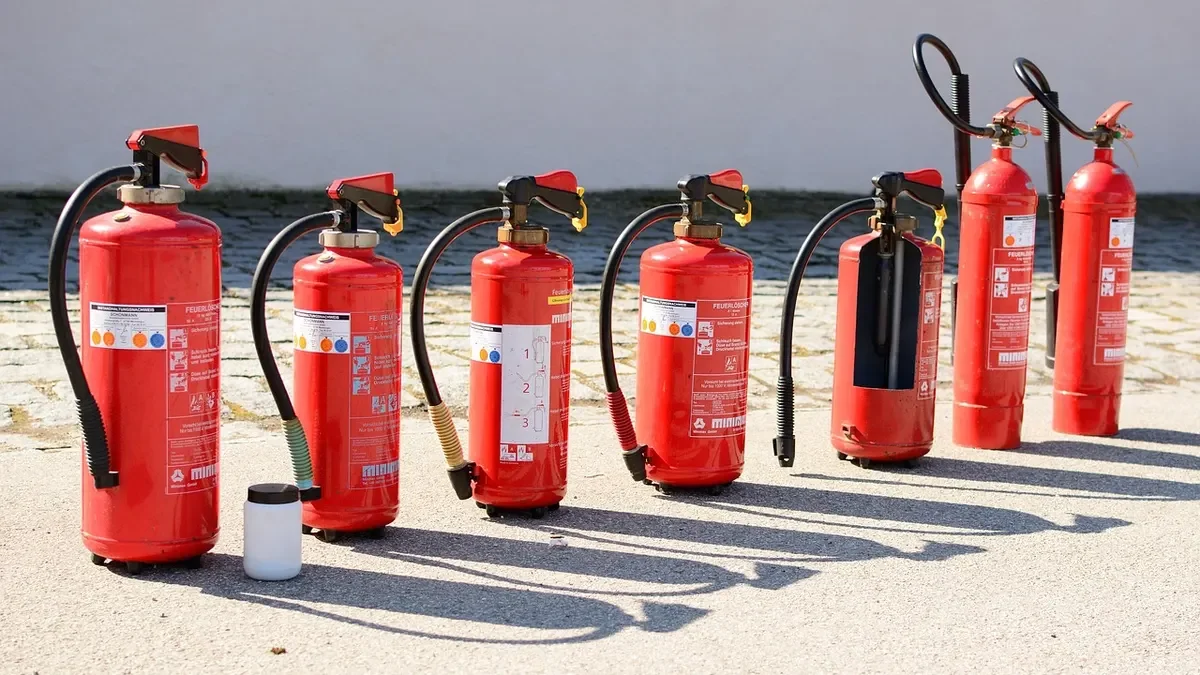
Class A is the answer for any fire where the fuel is wood, paper or fabric, and it is also the answer to the common quiz question “which type of fire extinguisher should be used for fires involving wood, paper, and fabric.” The key point most pages skip: the letter is a label for the fuel, not a type of chemical. According to NFPA, extinguishers get a letter rating and sometimes a number, both from testing to UL 711, and the letter says which type of fire the unit can put out.
Best Shop-Size Class A Pick |
|
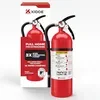 |
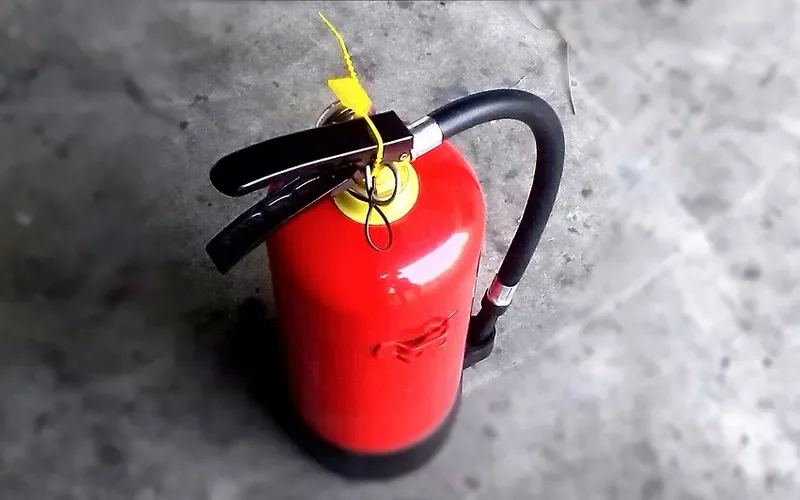
Kidde Full Home Fire Extinguisher, 3-A:40-B:C (KD176-340ABC), $49.94 The label rating is what matters for wood, paper and fabric: the 3-A part is the Class A rating, and the B and C parts add coverage for finishing liquids and live electrical gear in a shop.
|
As an Amazon Associate we earn from qualifying purchases. Price and stock checked on Oct 1, 2026 and may change.
That is why a multipurpose extinguisher is also a Class A extinguisher. NFPA says it is common to see an ABC-rated unit that is fine for ordinary combustibles, flammable liquids and energized electrical equipment. If the label does not show an A, it is not rated for wood, paper or fabric, no matter what is inside the cylinder.
The Fire Classes at a Glance
These definitions come from the NFPA fire class list, with a woodshop example added for each.
| Class | Fuel (NFPA definition) | Shop example | Number on the label? |
|---|---|---|---|
| A | Ordinary combustibles: wood, cloth, paper, rubber, many plastics | Lumber offcuts, shop rags, cardboard, upholstery | Yes (1-A up to 40-A) |
| B | Flammable and combustible liquids, oil-based paints, solvents, lacquers, alcohols, flammable gases | Lacquer thinner, mineral spirits, oil-based stain | Yes |
| C | Energized electrical equipment | Table saw motor, dust collector, extension cord | No, and always paired with A and/or B |
| D | Combustible metals such as magnesium, titanium, lithium | Rare in a wood shop | No |
| K | Cooking oils and fats in cooking appliances | Kitchen deep fryer | No |
Note the Class C row. NFPA says C is tested for electrical conductivity, so you will never find an extinguisher with only a C rating, and for de-energized equipment you use an A or B rated unit.
How to Read a Rating Like 3-A:40-B:C
The number in front of the A and B letters is extinguishing potential: the higher the number, the greater the potential. NFPA gives a concrete picture of the A number. To earn a 3-A, an extinguisher has to put out a stacked wood crib made of 144 pieces of 1 1/2 inch by 1 1/2 inch by 29 inch dry wood, and Class A ratings run from 1-A to 40-A. That is a real fire test on lumber, which makes it the most relevant number in this article for a wood shop.
Here is how that plays out on real home models, using the ratings printed on their Amazon listings and the listed prices on Oct 1, 2026:
| Kidde model | Rating on listing | Class A number | Listed price |
|---|---|---|---|
| Basic 110 (FA110G) | 1-A:10-B:C | 1-A | $19.97 |
| Living Area (KD143-210ABC) | 2-A:10-B:C | 2-A | $43.98 |
| Full Home (KD176-340ABC) | 3-A:40-B:C | 3-A | $49.94 |
The jump from 1-A to 3-A costs about $30 here, which is a cheap increase in wood-fire capability. Prices change, so treat the table as a snapshot of rating versus cost, not a price promise.
Choosing The Right Extinguisher
For the home, NFPA home fire safety guidance is to pick a multipurpose extinguisher that is large enough to put out a small fire but not so heavy that it is hard to handle, and to buy one carrying the label of an independent testing laboratory. For a woodworking shop, three additions follow from the class table above:
- Insist on the A rating. A B:C-only unit will not carry the A letter and is not rated for the lumber and paper in your shop.
- Keep the B rating too. NFPA lists oil-based paints, solvents and lacquers as Class B fuels, so an ABC unit covers both the lumber and the finishing products.
- Pick the highest A number you can lift comfortably. The Kidde Full Home listing gives a 5.5 lb agent charge.
If you employ people or run a shop as a business, the OSHA 29 CFR 1910.157 workplace rule says Class A extinguishers must be spaced so the travel distance to any one is 75 feet or less. It is a handy benchmark for a home shop as well: if you cannot reach an extinguisher in a few seconds from your table saw, move it.
Woodshop Fire Risks That Class A Alone Does Not Cover
Wood is the obvious fuel in a shop, but two others cause more surprises. The first is dust. OSHA lists wood, furniture and paper among the industries with combustible dust explosion hazards, and regular housekeeping is the control. Sweep or vacuum fine dust off ledges, motors and the top of your dust collector, and read our guide to dust collector bags and filter sizing if your collection setup is undersized.
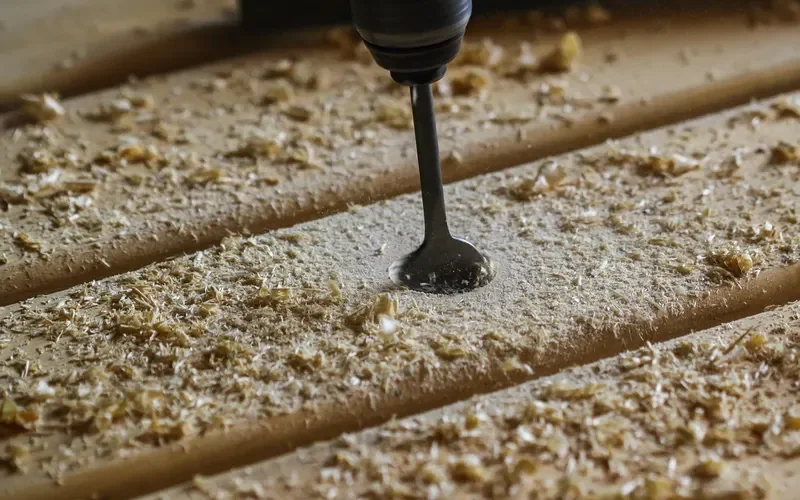
The second is finishing rags. The San Rafael Fire Department tells residents to assume that all paints, stains and oils used will spontaneously combust, and recommends placing the materials in a metal container with a tight top, laying them flat to dry away from structures, or soaking them in a bucket of water first. Our pages on whether wood stain is flammable and how to dispose of oily rags cover the details. You can also slow the spread of a shop fire by learning how to make wood fire retardant.
“The #1 priority for residents is to get out safely.”
NFPA, fire extinguisher guidance
How To Use A Fire Extinguisher
Do not start with the pin. Start with the decision. Per NFPA home fire safety guidance, use a portable extinguisher only when the fire is confined to a small area such as a wastebasket and is not growing, everyone has exited the building, the fire department has been called or is being called, and the room is not filled with smoke. If any of those fails, leave. NFPA also says to keep your back to a clear exit while you use it.
Then use the PASS steps from the same NFPA page:
- Pull the pin, holding the extinguisher with the nozzle pointing away from you.
- Aim low, at the base of the fire.
- Squeeze the lever slowly and evenly.
- Sweep the nozzle from side to side.
NFPA also advises reading the instructions on your unit and becoming familiar with its parts before a fire, and notes that local fire departments or fire equipment distributors often offer hands-on training.
Maintenance And Inspection
The OSHA workplace rule requires a monthly visual inspection and an annual maintenance check, with hydrostatic testing on a schedule that depends on the extinguisher type. A home shop does not have to follow that rule, but its monthly routine is simple and worth copying: confirm the gauge needle sits in the green, confirm the pin and tamper seal are intact, check for visible damage, and make sure nothing is stacked in front of it. Follow the replacement guidance printed in your own unit’s manual, since it varies by model, and note that a single-use model is replaced after discharge.
Frequently Asked Questions
What type of fire extinguisher is used for wood, paper and fabric fires?
A Class A extinguisher. NFPA defines Class A fires as fires in ordinary combustible materials such as wood, cloth, paper, rubber and many plastics. A multipurpose ABC extinguisher also carries the Class A rating, so it covers these fuels too.
Can I use an ABC extinguisher on a paper or wood fire?
Yes, as long as the label shows an A rating. NFPA notes that an ABC-rated extinguisher is common and is suitable for ordinary combustibles, flammable liquids and energized electrical equipment. Check the label for a rating such as 2-A:10-B:C.
What does 3-A:40-B:C mean on a fire extinguisher?
The letters name the fires it can fight and the numbers show extinguishing potential. 3-A means Class A (wood, paper, cloth) at a rating of 3, 40-B means Class B (flammable liquids) at a rating of 40, and C means it is safe on energized electrical equipment. Class C has no number.
Should I fight a wood or paper fire myself?
Only if the fire is small and not growing, everyone has left the building, the fire department is being called and the room is not filling with smoke. NFPA stresses that getting out safely is the number one priority. If any of those conditions fail, leave and call 911.
How often does a workshop fire extinguisher need to be checked?
For workplaces, OSHA 1910.157 requires a monthly visual inspection and an annual maintenance check. For a home shop the same schedule is a sensible habit: confirm the gauge is in the green, the pin is in place, and nothing blocks access.
Conclusion
For wood, paper and fabric, buy and keep a Class A rated extinguisher, which in practice means a multipurpose ABC unit with a visible A number. Choose the highest A number you can handle, mount it near an exit, check it monthly, and treat dust and finishing rags as separate hazards. For more safety and shop guidance, see our woodworking tips and fixes guide.
Sponsored / affiliate links. As an Amazon Associate I earn from qualifying purchases. I may earn additional commission from eligible campaigns.