How Long Should Wood Dry After Rain Before Painting?
Give rained-on wood at least 48 hours in warm, dry, breezy weather before priming or painting, and longer – up to a week – if the wood is thick, shaded, or the rain was heavy. Surface-dry isn’t the same as ready-to-paint: the wood needs to lose the moisture it absorbed below the surface too, not just look dry on top.
If it’s the opposite situation — you already have paint on the deck and need to know how long it can hold up before rain arrives, not how long the bare wood needs to dry — see our guide on how long deck paint needs to dry before rain. And if you just want general drying time for rained-on lumber with no painting deadline attached, our broader guide on how long wood takes to dry after rain by wood type covers that without the paint-specific moisture targets this page focuses on.
Why “It Looks Dry” Isn’t Good Enough Before Painting
Best Way To Confirm Wood Is Actually Paint-Ready
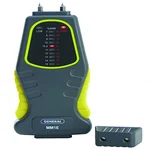 |
General Tools MM1E Moisture Meter – $22.99 Reads an actual moisture percentage in seconds instead of guessing whether rained-on wood is really ready for primer.
|
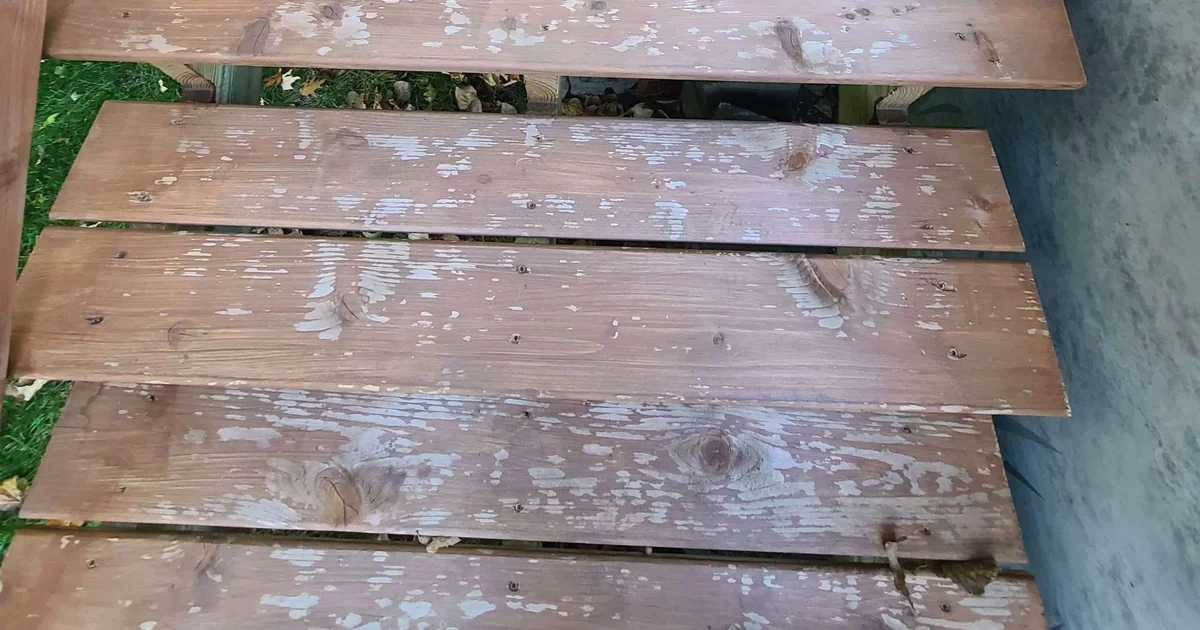
A board can look and feel completely dry on the surface within a few hours of the rain stopping, especially in full sun. But wood is porous, and rain that soaked in for any length of time takes much longer to work its way back out of the wood’s interior than it took to evaporate off the surface. Paint applied over wood that’s dry on top but still damp underneath traps that moisture, which is exactly how you get blistering, peeling, and a paint job that fails within a season instead of lasting years.
How Long Wood Actually Needs, By Situation
A light rain shower on thin trim, fascia, or fencing in full sun and a breeze can be surface-dry within hours and safely paintable within 24 to 48 hours – but that’s the fast end of the range, not the safe default. A heavier, prolonged rain, or wood that’s thick (deck boards, timbers, raised bed lumber) or sitting in shade, needs 3 to 7 days of dry weather before the interior moisture drops enough to paint over safely. Cool, humid, or still air stretches every one of those timeframes further; don’t assume a calendar number applies regardless of the actual weather you’re getting.
Most exterior paint and stain manufacturers specify painting only once wood moisture content is below roughly 15%, which is also the number most moisture meters are calibrated to flag as “ready.” That’s a more reliable target than counting days, since the same 48 hours can mean fully dry in one climate and still soaked in another.
Checking Wood Without A Moisture Meter
If you don’t have a meter, a simple plastic-wrap test gives a rough read: tape a small square of clear plastic wrap tightly over a patch of wood in direct sun and check it after an hour. Condensation forming on the underside of the plastic means the wood is still releasing moisture and isn’t ready. No condensation is a reasonably good sign, though it’s less precise than an actual reading. Beyond that, look for color (wet wood reads noticeably darker than the surrounding dry wood) and press a fingertip against the surface – any coolness or a slightly spongy feel usually means moisture is still present below the surface.
Weather Conditions That Actually Matter For The Paint Job
Beyond the wood being dry, check the paint can’s own application range before you start – most latex paints specify roughly 50°F to 85-90°F ambient and surface temperature, though several newer “low-temp” latex formulas are rated down to around 35°F. Humidity between about 40% and 70% lets paint dry at a normal rate; much higher slows curing and risks trapping moisture under the film, while very low humidity combined with heat can dry the surface too fast and cause cracking or poor adhesion. Check the extended forecast, not just today’s weather – most paints need at least 24 hours without rain to cure enough to survive a shower, and some need longer.
Preparing The Wood Once It’s Actually Dry
Clean off dirt, mildew, and any loose old paint or stain before priming – wood that dried after rain often has a layer of grime that rode in with the water. A stiff brush and mild cleaner handle most of it; a pressure washer works faster on decking but needs a light touch and a wide-fan tip to avoid gouging softer wood. Let the surface dry fully again after washing (this is a second drying wait, separate from the original rain), then sand lightly to knock down any raised grain the moisture caused, dust it off, and prime before the first coat of paint.
Frequently Asked Questions
How Long Does Wood Take To Dry After Rain Before Painting?
Plan on at least 48 hours of dry, mild weather for thin wood in sun and good airflow, and 3 to 7 days for thicker lumber, shaded wood, or after a heavy or prolonged rain. A moisture meter reading below about 15% is a more reliable sign than counting days, since climate and wood thickness both change the real drying time significantly.
How Can You Tell If Wood Is Dry Enough To Paint?
A moisture meter reading below roughly 15% is the most reliable check. Without one, look for the wood returning to its normal lighter color (wet wood reads darker), a dry rather than cool or spongy feel to the touch, and no condensation forming under a taped-down patch of plastic wrap left in the sun for an hour.
How Long To Leave Wet Wood Before Painting?
For wood that was thoroughly soaked rather than just lightly rained on, plan on 3 to 7 days in warm, dry, breezy conditions rather than the 24 to 48 hours that’s often enough for a light shower on thin trim. Checking with a moisture meter removes the guesswork either way.
Can You Paint Wood That Has Been Rained On?
Yes, once it’s actually dry all the way through, not just on the surface. Clean off any grime the rain left behind, let the wood dry again after cleaning, sand lightly, and prime before painting. Painting over wood that’s still damp beneath a dry-looking surface is the most common cause of early paint blistering and peeling on exterior wood.
Conclusion
Rain doesn’t have to derail a painting project by more than a few days, but rushing the dry time is the single most common reason exterior paint fails early. Give the wood real time based on its thickness and your actual weather, confirm with a moisture meter or the plastic-wrap test rather than a guess, and check the paint can’s own temperature and humidity range before you start.
Sponsored / affiliate links. As an Amazon Associate I earn from qualifying purchases. I may earn additional commission from eligible campaigns.