Can You Spray Drywall Mud Through a Paint Sprayer: Tips & Tricks
Have you ever stared at a wall and wished there was an easier way to apply drywall mud? You’re not alone.
The idea of using a paint sprayer to spray drywall mud might sound like a dream come true. Imagine cutting down on the time and effort it takes to get that smooth, perfect finish. But before you dive in, there are a few things you need to know.
This technique could transform your DIY projects and save you hours, but only if done right. Curious to find out if this method really works? Stick around, and we’ll guide you through the ins and outs of spraying drywall mud with a paint sprayer. You might just discover the game-changing solution you’ve been searching for.
Understanding Drywall Mud Composition
Spraying drywall mud through a paint sprayer requires careful consideration of its composition. Drywall mud must be thinned to a suitable consistency. Thick mud can clog the sprayer, while too thin reduces effectiveness. Proper mixing ensures smooth application and prevents issues during spraying.
Types Of Drywall Mud
Drywall mud, or joint compound, is used for walls. There are different types. Each type has a special use. Some are for filling gaps. Others are for finishing touches.
All-purpose mud is common. It suits most tasks. Lightweight mud is easy to work with. It dries fast. Topping mud is for final coats. It gives a smooth finish.
Properties And Consistency
Consistency of drywall mud matters. It should be smooth. Not too thick or thin. If too thick, it can be hard to spray. If too thin, it may not stick.
Water can change mud consistency. Adding water makes it thinner. Thick mud may need mixing. Proper consistency helps in spraying.
Sprayersneed the right mix. It helps to avoid clogs. Good consistency ensures even coverage.
Paint Sprayer Basics
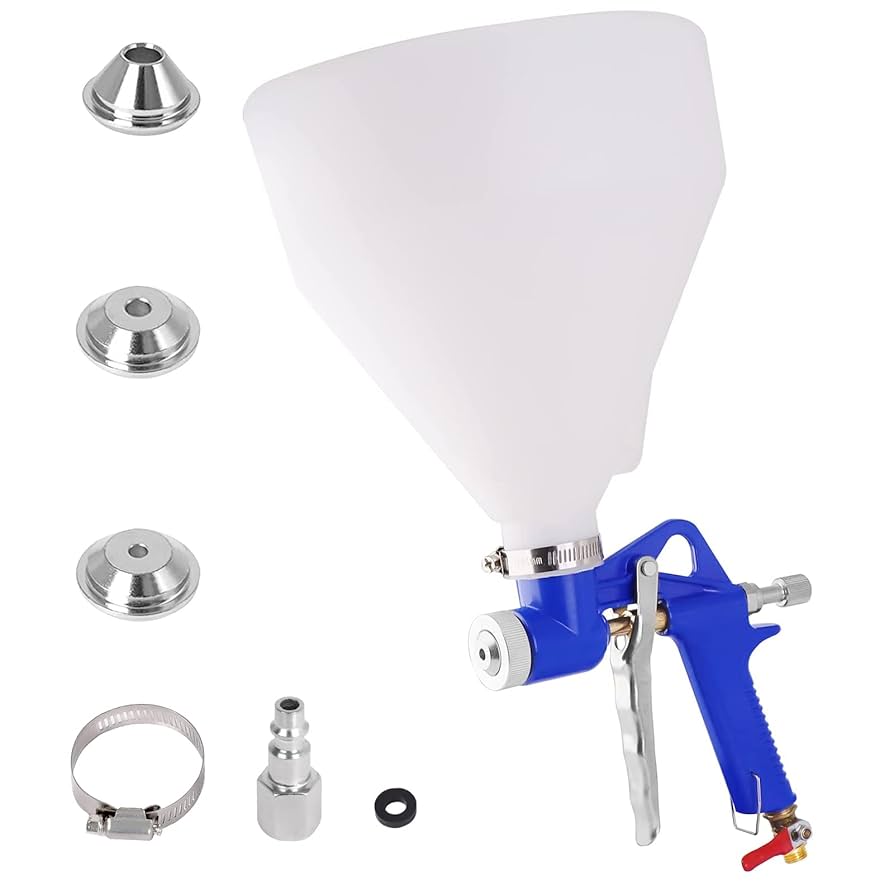
Different paint sprayers serve different needs. Airless sprayerswork fast. They are good for big areas. HVLP sprayersgive a smooth finish. They are best for detail work. Compressed air sprayersare great for small jobs. They are easy to use. Each type has its own use. Choose based on your project needs.
Pressure controlis important. It helps manage paint flow. Look for an easy-to-clean sprayer. Lightweight modelsare easier to handle. Check for adjustable nozzles. They help with different spray patterns. Durabilitymatters for long-term use. Make sure it fits your budget. Quality and price should match. Good grip handles give better control.
Preparing Drywall Mud For Spraying
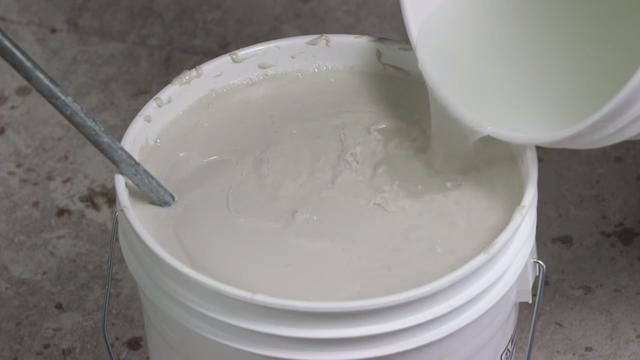
Drywall mud is thick. It needs to be thinned to spray. Use water to thin it. Add a little water at a time. Mix well after each addition. Check the thickness often. It should be like paint. Not too thick or thin.
Mixing the mud is important. Use a drill with a paddle attachment. It helps mix it evenly. Mix until it’s smooth. No clumps should remain. A bucket works best for mixing. Stir slowly to avoid air bubbles. Keep the mud consistent. It should flow easily from the sprayer.

Credit: www.amazon.com
Setting Up The Paint Sprayer
First, make sure the nozzle is right. This is key. Adjusting nozzle settings is important for even spray. A wrong setting can cause clumps. So, take your time with this step. Ensuring proper pressure is next. Too much pressure can be messy. Too little and it won’t spray well. Test the pressure before starting. This helps avoid problems. Remember, the right settings make spraying easier.
Spraying Technique
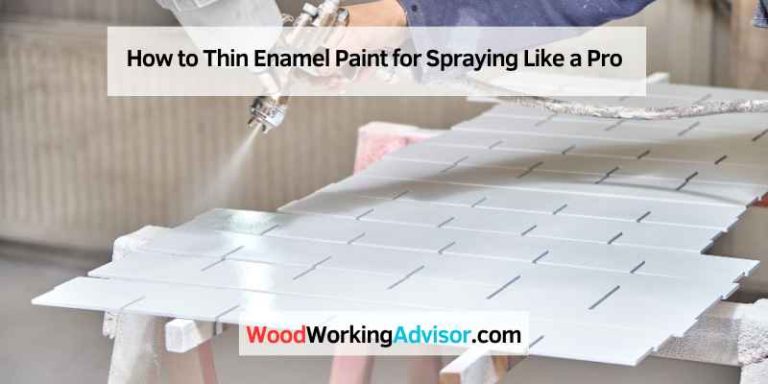
Drywall mudcan be sprayed using a paint sprayer. This method helps cover large areas quickly. It’s important to get the right consistencyfor the mud. Too thick, and it won’t spray smoothly. Too thin, and it may drip. Mixing well is key for even application.
Hold the sprayer steady. Move slowly across the wall. This helps the mud spread evenly. Always keep the sprayer at the same distance. This prevents thick spots. Use a consistent speed when spraying. Stop and check your work often.
Overspray can be a problem. It means mud goes where it shouldn’t. Use tape to protect surfaces. Spray at low pressure to reduce mess. Cover floors and furniture with plastic. This keeps them clean. Always wear a mask. This protects from dust.
Credit: www.amazon.com
Common Challenges And Solutions
Drywall mud can be thick and sticky. It often clogs paint sprayer nozzles. This stops the sprayer from working well. To solve this, thin the mud with water. Mix it slowly and check the thickness. Use a fine mesh filter to catch chunks. Always clean the sprayer after use. This prevents future clogs.
Uneven application of mud can happen easily. It makes walls look messy. The sprayer might spray too much mud in spots. To fix this, test spray on cardboard first. Adjust the sprayer settings for even flow. Move the sprayer in smooth, steady lines. Practice helps to make the mud even. Always check your work as you go.
Safety Precautions
Spraying drywall mud requires caution to avoid clogs and mess. Use the right nozzle and dilute mud properly. Ensure safety gear is worn to protect skin and eyes from splashes.
Protective Gear
Wearing protective gearis very important. Safety goggles keep your eyes safe. A mask helps you breathe clean air. Gloves protect your hands from chemicals. Coveralls keep your clothes clean. Ear plugs protect your hearing from loud sounds.
Ventilation Importance
Proper ventilationis crucial. Open windows and doors to let fresh air in. This helps keep the air clean. Fans can help move air around. Good air flow keeps you safe from harmful fumes. Always work in a well-ventilated area. Fresh air is key to safety.
Cleaning And Maintenance
Spraying drywall mud with a paint sprayer is possible with the right preparation. Thinning the mud and using a high-quality sprayer ensures smooth application. This technique speeds up the process and provides an even finish, making it a handy option for large projects.
Post-spray Cleanup
Clean the sprayer after each use. This keeps it working well. Rinse it with water to remove all mud. Check for clogs and remove them. Dry the parts before storing them. Wipe the outside of the sprayer. This prevents rust. Inspect hoses for damage.
Maintaining Equipment
Maintain your sprayer to make it last. Lubricate moving parts monthly. Replace worn-out parts soon. Store the sprayer in a dry place. Keep it clean and ready. Test it before use. Follow the manual for care tips.
Benefits Of Using A Paint Sprayer
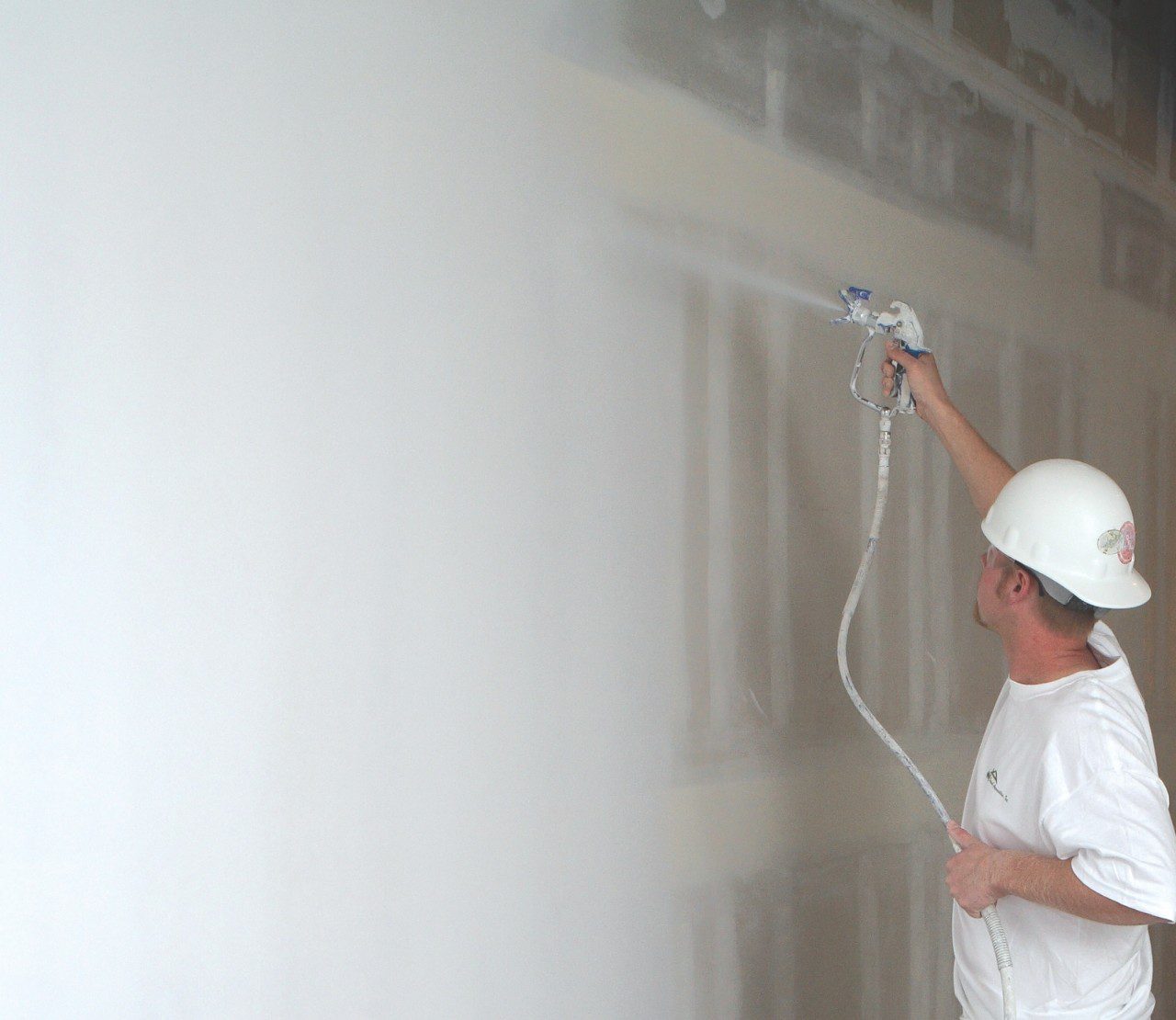
A paint sprayer works very fast. It sprays paint evenly on walls. This tool can save a lot of time. No need for slow brushing. You can cover large areas quickly. Drywall mud can be sprayed too. This makes the work even faster. Cleaning is easy with a sprayer. This saves even more time. Using a sprayer can help finish projects sooner. It’s a smart choice for big jobs.
A paint sprayer gives a smooth finish. Walls look like a pro did the job. No brush marks are left behind. The paint goes on evenly. This makes colors look bright and clean. You can achieve a neat look with ease. Even tricky corners are easy to paint. A sprayer can reach them well. It’s a great tool for a perfect finish.
Credit: www.graco.com
Frequently Asked Questions
Can A Paint Sprayer Be Used For Texture?
Yes, a paint sprayer can apply texture. Use a hopper gun attachment for best results. Ensure the texture material is suitable for the sprayer. Adjust settings for desired texture thickness. Practice on a test surface first. Proper cleaning after use prevents clogging.
Can You Spray On Skim Coat?
Yes, you can spray on skim coat using a specialized sprayer. It provides a smooth, even finish. Ensure proper equipment and technique for best results. This method is faster than traditional application, ideal for large areas. Always follow manufacturer instructions for optimal safety and effectiveness.
Can You Spray Joint Compound For Texture?
Yes, you can spray joint compound for texture. Use a texture sprayer or hopper gun for even application. Adjust nozzle settings to achieve desired texture. Ensure proper consistency by mixing compound with water. Test on a sample surface to perfect technique before application.
Is It Better To Spray Or Roll Textured Walls?
Spraying is faster and provides an even coat on textured walls. Rolling offers better control and reduces overspray. Choose spraying for larger areas and rolling for smaller, detailed sections. Each method has its pros and cons, so consider the specific needs of your project before deciding.
Conclusion
Spraying drywall mud through a paint sprayer is possible. It saves time and effort. Proper tools and technique are essential. Use a sprayer designed for thicker materials. Mixing mud to the right consistency is key. Test on a small area first.
Clean the sprayer thoroughly after use. Practice makes perfect. This method can be a handy skill. It enhances your home projects. Remember safety gear. Safety goggles and a mask help protect you. Spraying can create dust. Ensure proper ventilation. With patience, you can achieve smooth walls.
Happy spraying!