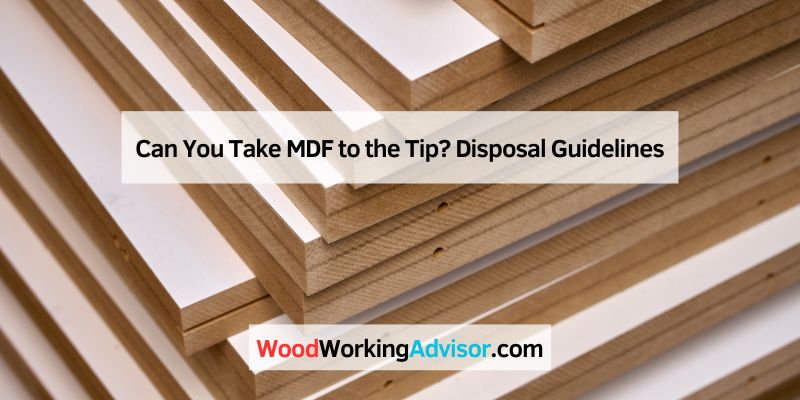
Can You Take MDF to the Tip? Disposal Guidelines
Are you staring at that pile of MDF in your garage, wondering if you can simply take it to the tip? You’re not alone.
Many people find themselves puzzled when it comes to disposing of medium-density fibreboard. You might be thinking, “Can I just toss it with the regular trash, or is there something more I need to know? ” Before you head off to the local waste center, there are a few key things you should consider.
Knowing the right way to dispose of MDF can save you time, keep you compliant with local regulations, and even help the environment. Stick around to discover everything you need to know about safely and effectively getting rid of your MDF waste.
Credit: www.reddit.com
MDF Basics
Wondering if MDF can be taken to the tip? Yes, MDF waste is generally accepted at most local recycling centers. It’s important to check with your local facility to confirm their specific guidelines. Proper disposal ensures a cleaner environment.
What Is MDF?
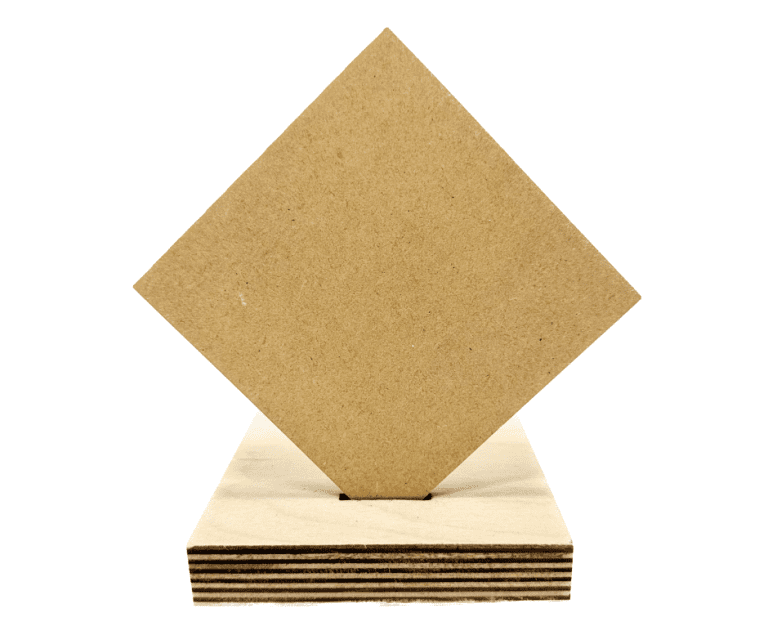
MDF stands for Medium-Density Fiberboard. It’s made from wood fibers glued together. MDF is smooth and dense. It’s often used in furniture and construction. It doesn’t have knots or grain. This makes it easy to paint. It’s cheaper than solid wood. MDF is also easy to cut and shape. But it’s not water-resistant. It can swell if it gets wet. So, it’s best used indoors.
Common Uses Of MDF
MDF is used in many projects. Furniture is a common use. It’s used to make shelves and cabinets. It’s also popular for doors and moldings. MDF is great for crafts too. People use it to make toys and models. It’s often used in speaker boxes. It helps sound travel well. MDF is used for flooring under layers. It’s not good outside. It should be kept dry.
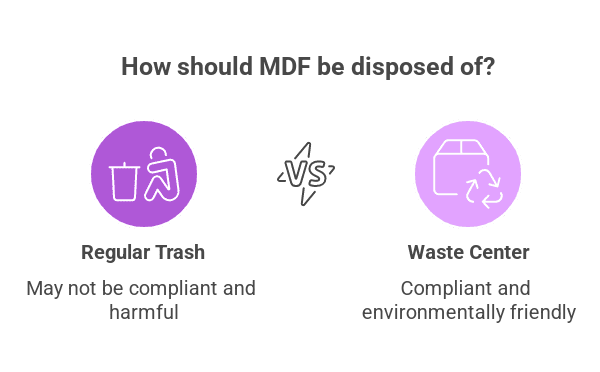
Disposal Options
Most tips accept MDF waste. Check with local facilities first. Some may charge a small fee. Always separate MDF from other waste. This helps with efficient disposal. Use a trailer or truck for larger pieces. Safe transport is important. Wear gloves to protect your hands from splinters. Avoid tipping during peak hours. This saves time and hassle.
MDF can be recycled in some areas. Not all recycling centers accept it. Contact them to know their policies. Some centers shred MDF for reuse. This process is eco-friendly. Keep MDF clean for recycling. Contaminated MDF is harder to recycle. Consider donating usable pieces. Schools and community projects might accept them. This helps reduce waste.
Hire professionals for easy MDF disposal. They handle large volumes efficiently. This saves you time and effort. Companies often provide recycling options. Ask about their methods. Ensure they dispose of MDF legally. Some services offer pick-up from your home. This is convenient for heavy loads. Compare prices to find a good deal. Always check for customer reviews. Trustworthy services have positive feedback.
Environmental Considerations
MDF, or Medium Density Fiberboard, often contains formaldehyde. This chemical harms the environment. MDF waste releases toxins into the air. These toxins can affect plants and animals. Landfills filled with MDF take up space. They don’t break down quickly. This means they stay for years. Pollution from MDF harms soil and water. Clean disposal is important. MDF affects the planet in many ways.
Recycling MDF is a good idea. It saves space in landfills. MDF recycling centers exist in many places. They turn old boards into new ones. Reusing MDF also helps the earth. Make new things from old boards. Think about donating old MDF. Give it to schools or craft groups. Creative projects can use MDF. Make shelves or art pieces. This reduces waste and helps the planet.

Credit: www.familyhandyman.com
Legal Regulations
Local disposal laws can vary a lot. It’s important to know them. MDF disposal rules may differ by region. Some places allow MDF at the tip. Others have stricter rules. Check with your local council before taking MDF to the tip.
Some areas might require special handling. MDF can contain chemicals. These chemicals can be harmful. Proper disposal protects the environment. Always follow local guidelines to avoid fines. It keeps everyone safe.
Tips For Safe Disposal
MDF can be tricky to dispose of safely. Start by cutting it into smaller pieces. This makes it easier to handle. Use a saw for this task. Always work in a well-ventilated area. Dust from MDF can be harmful. Wear a dust mask and safety goggles. These protect your eyes and lungs. Store the cut pieces in a large, sturdy bag. Seal the bag tightly. This keeps dust contained. Make sure the bag doesn’t rip.
Safety is very important when handling MDF. Always wear gloves to protect your hands. Gloves keep splinters away. Use a dust mask to avoid breathing in dust. Work in a place with good air flow. Open windows or use fans. This helps clear the air. Keep children and pets away. MDF dust is not safe for them. Clean your work area after cutting. Use a vacuum with a HEPA filter. This helps remove all dust.
Credit: mdfinstruments.com
Frequently Asked Questions
What Can You Do With MDF Waste?
Recycle MDF waste into new products, use as biomass fuel, or create art and crafts. Always ensure proper disposal to prevent environmental harm.
Is MDF Particle Board Recyclable?
MDF particle board is not easily recyclable due to its resin content. Specialized facilities can recycle it, but options are limited. Always check local recycling guidelines for proper disposal. Consider reusing or repurposing MDF to reduce waste and environmental impact.
Can You Put MDF In A Skip?
Yes, you can put MDF in a skip. Check local regulations for any restrictions or recycling requirements. Always ensure the skip company permits MDF disposal. Proper disposal helps in waste management.
Why Can’t MDF Be Recycled?
MDF can’t be recycled due to its composition. It contains resins and adhesives, making separation difficult. Recycling facilities lack technology to process MDF efficiently. Disposal often involves incineration or landfill, impacting the environment. Choose sustainable alternatives for eco-friendly solutions.
Conclusion
Disposing of MDF at the tip is straightforward. Check your local rules first. Many recycling centers accept MDF. Separate it from other waste. Avoid burning MDF due to harmful chemicals. Consider reusing or donating if possible. Always prioritize safety when handling MDF.
Wear a mask to avoid inhaling dust. Proper disposal helps the environment. Keep your space clean and sustainable. Remember, every little effort counts. Dispose of MDF responsibly and protect our planet.