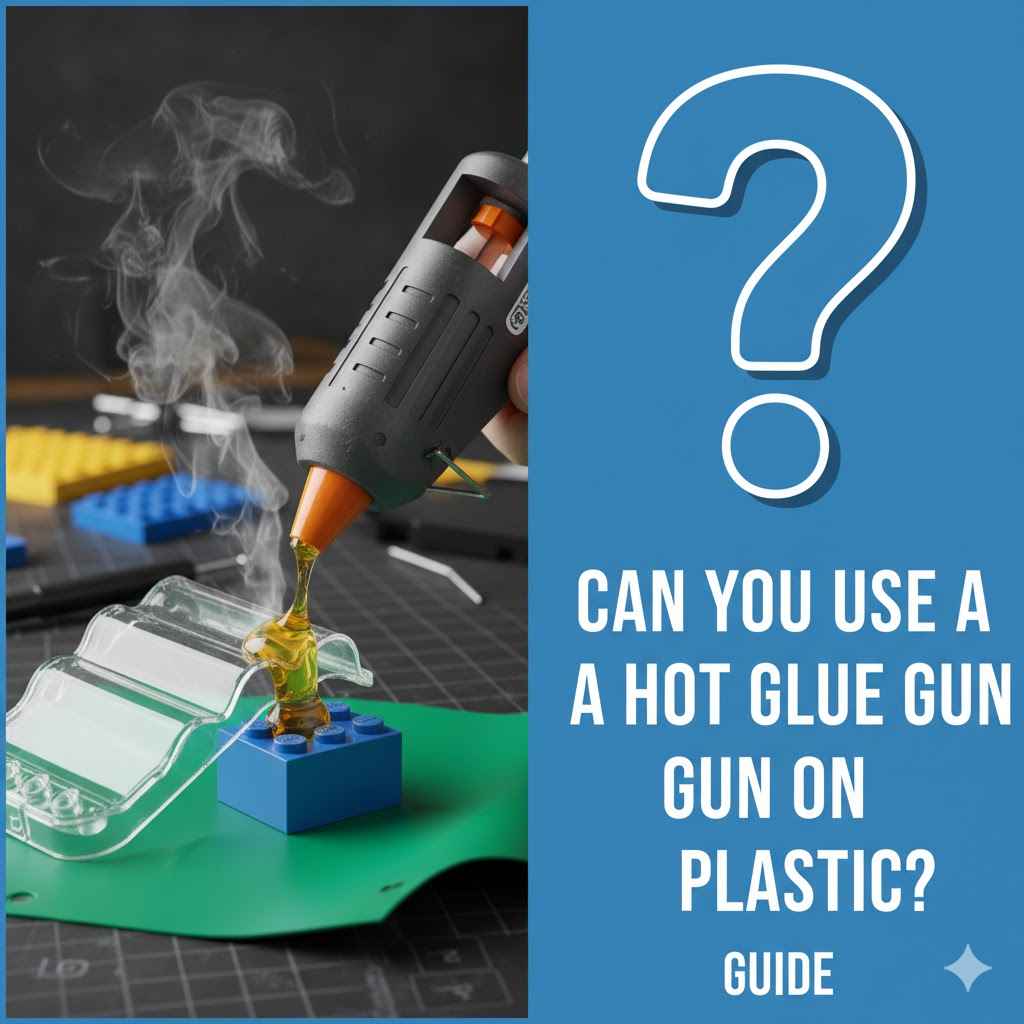
Can You Use a Hot Glue Gun on Plastic? Guide
Many crafters and DIYers wonder, “Can You Use a Hot Glue Gun on Plastic?” This is a super common question, especially when you’re just starting out with crafts. It can seem tricky because not all plastics react the same way to heat. But don’t worry!
We’re going to break it down super simply. This guide will show you exactly what you need to know to use your hot glue gun safely and effectively on plastic.
How Hot Glue Works With Plastic
Hot glue guns are amazing tools for quick fixes and creative projects. They work by melting a solid glue stick. This melted glue is then applied to surfaces.
It cools and hardens very quickly. This makes it a fast way to join things together. When it comes to plastic, this process needs a little extra thought.
The heat from the glue gun can affect different types of plastic in different ways.
Understanding Glue Stick Types
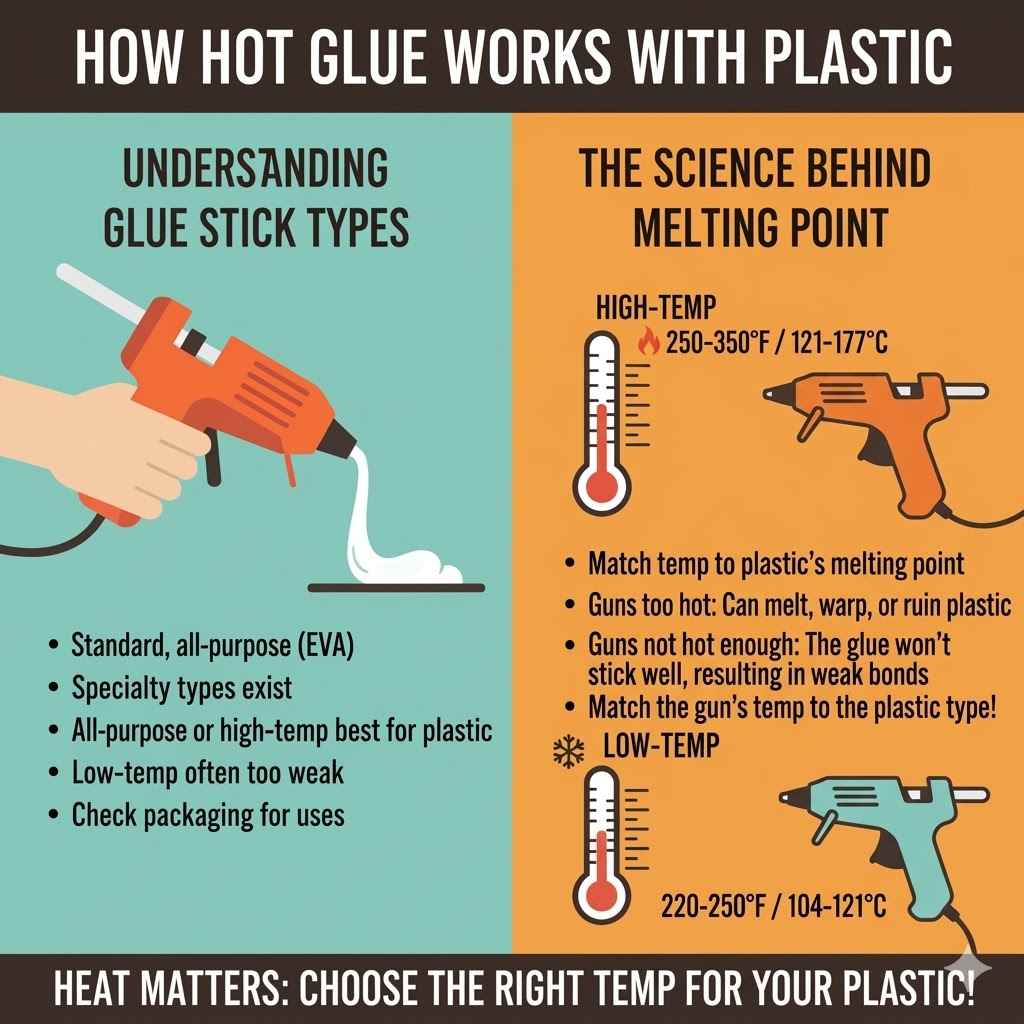
There are several types of glue sticks, and they matter when you’re working with plastic. Standard all-purpose glue sticks are the most common. They are usually made of EVA (ethylene-vinyl acetate).
These are generally safe for many plastics.
Specialty glue sticks exist too. Some are designed for fabric, wood, or even high-temperature applications. For plastic, using an all-purpose or a high-temperature glue stick is usually best.
Low-temperature glue sticks can sometimes be too weak for plastics. They might not create a strong bond. Always check the packaging of your glue sticks for recommended uses.
The Science Behind Melting Point
Every type of plastic has a melting point. This is the temperature at which it starts to soften and deform. Hot glue guns operate within a range of temperatures.
Standard glue guns often reach around 250-300°F (121-149°C). Some high-temperature guns can go up to 350°F (177°C).
The key is to match the glue gun’s temperature to the plastic’s melting point. If the glue gun is too hot, it can melt or warp the plastic. This can ruin your project.
If it’s not hot enough, the glue won’t stick well. This results in a weak bond. Knowing the type of plastic you are working with is a big help.
Can You Use a Hot Glue Gun on Plastic? Yes, But How?
So, can you use a hot glue gun on plastic? The short answer is yes, you often can! However, it’s not a simple yes or no for all plastics.
The success depends on the type of plastic and the hot glue gun’s temperature. This is the core of the Can You Use a Hot Glue Gun on Plastic? Guide.
We’ll explore the factors that make it work.
Types of Plastic and Their Glue Gun Compatibility
Different plastics react differently to heat. Some are very sensitive, while others can handle more warmth.
- Polyethylene Terephthalate (PET) This is common for drink bottles and some packaging. PET has a relatively low melting point. It can easily warp if too much heat is applied. Use caution with PET.
- High-Density Polyethylene (HDPE) Found in milk jugs and some containers. HDPE is more heat resistant than PET. It can often handle hot glue better.
- Polyvinyl Chloride (PVC) Used in pipes and some toys. PVC can release harmful fumes when heated. It’s best to avoid using hot glue guns on PVC unless you have excellent ventilation.
- Acrylonitrile Butadiene Styrene (ABS) Common in LEGO bricks and electronics casings. ABS is fairly durable and can usually withstand hot glue if applied carefully.
- Polystyrene (PS) Used in disposable cups and packaging foam. Polystyrene melts very easily. Hot glue will likely melt it, so it’s not ideal.
- Acrylic (PMMA) Also known as Plexiglass. Acrylic can scratch and warp with heat. It’s generally not a good candidate for hot glue.
Low-Temperature vs. High-Temperature Glue Guns
The temperature of your glue gun plays a crucial role.
- Low-Temperature Glue Guns These usually operate between 250-290°F (121-143°C). They are safer for delicate materials and some plastics like PET. The bond might not be as strong as with high-temperature guns.
- High-Temperature Glue Guns These typically reach 300-400°F (149-204°C). They create stronger bonds, especially on tougher materials. However, they pose a greater risk of melting or deforming heat-sensitive plastics.
For most plastic projects, a standard glue gun that can switch between low and high heat settings is ideal. This gives you flexibility.
Surface Preparation for Plastic Bonding
Getting the plastic surface ready is key for a good bond.
- Cleanliness is Crucial Make sure the plastic surface is free from dirt, dust, grease, and oil. Use rubbing alcohol or a mild soap and water solution to clean it. Let it dry completely. Any residue will prevent the glue from sticking properly.
- Sanding for Grip For some plastics, especially smooth ones, lightly sanding the surface can help. Use fine-grit sandpaper (around 220 grit). This creates tiny scratches that give the glue more to grab onto. Don’t sand too aggressively, as you could damage the plastic.
- Test Area First Always test your hot glue on an inconspicuous spot of the plastic. This lets you see how the plastic reacts to the heat and glue. It also checks the bond strength before committing to your main project.
Step-by-Step Guide: Gluing Plastic With Hot Glue
Following these steps will help ensure your plastic projects turn out well. This part of the Can You Use a Hot Glue Gun on Plastic? Guide is all about doing it right.
Choosing the Right Glue Stick and Gun
As we discussed, selecting the correct glue stick and gun is your first important decision.
- Glue Stick Selection For general plastic bonding, standard EVA glue sticks are often sufficient. If you are bonding plastics that need a very strong hold, consider industrial-strength glue sticks. Always check the manufacturer’s recommendations.
- Gun Temperature Control If your glue gun has temperature settings, start with the lowest setting for plastics. Increase it only if necessary to achieve a good bond. A dual-temperature gun offers the most versatility.
Applying the Hot Glue
How you apply the glue makes a big difference.
- Heat Up Your Gun Plug in your hot glue gun and let it heat up fully. This usually takes about 5-10 minutes.
- Prepare Your Surfaces Ensure both plastic pieces are clean and dry. Lightly sand one or both if they are very smooth.
- Apply Glue Sparingly Apply a thin, even bead of hot glue to one surface. Don’t apply too much, as excess glue can ooze out and create a mess. Also, too much glue can transfer too much heat to the plastic.
- Quick Bonding is Key Press the two plastic pieces together immediately after applying the glue. Hold them firmly in place for at least 30-60 seconds. This allows the glue to cool and set.
- Allow Full Curing Time While hot glue sets quickly, it needs time to fully cure and reach maximum strength. This can take a few hours. Avoid putting stress on the bond during this time.
Troubleshooting Common Issues
Sometimes things don’t go perfectly. Here are common problems and how to fix them.
- Melting or Warping Plastic If the plastic starts to melt or deform, your glue gun is too hot for that type of plastic. Immediately stop applying glue and let the plastic cool. Try a lower temperature setting on your glue gun or a different type of adhesive if the plastic is too sensitive.
- Weak or Peeling Bonds This can happen if the surface wasn’t clean, wasn’t sanded, or if you didn’t hold the pieces together long enough. Reapply the glue after cleaning and preparing the surface again. Ensure you press the pieces together firmly.
- Glue Not Sticking Some plastics, like silicone or certain rubbery types, are very difficult for hot glue to adhere to. For these materials, you might need a specialized adhesive like silicone glue or epoxy.
When Hot Glue Might Not Be The Best Choice for Plastic
While hot glue is versatile, it’s not always the best solution for every plastic project. There are times when other adhesives are superior. Understanding these limitations is part of a complete Can You Use a Hot Glue Gun on Plastic?
Guide.
Projects Requiring Extreme Durability or Flexibility
For projects that will experience a lot of stress, bending, or movement, hot glue might not hold up.
- High-Stress Applications If you’re joining plastic parts that will be pulled, twisted, or constantly flexed, hot glue can become brittle. It might crack or detach over time. Epoxy or strong cyanoacrylate (super glue) with a flex additive might be better choices.
- Outdoor or Extreme Temperature Use Hot glue can soften in direct sunlight or high heat. It can also become brittle and crack in very cold temperatures. For outdoor projects or those exposed to temperature fluctuations, consider silicone sealants or specialized exterior adhesives.
Bonding Heat-Sensitive or Very Smooth Plastics
As we touched upon, some plastics are just not compatible with hot glue due to their properties.
- Polystyrene and Foam Plastics These materials are very low melting point and will almost certainly melt or deform when hot glue is applied. This includes common packing peanuts and foam craft sheets.
- Silicone and Some Rubbers The very smooth and often flexible nature of silicone and some rubbery plastics makes it hard for hot glue to get a good grip. These materials often require specific adhesives designed for their low surface energy.
When Chemical Resistance Is Needed
Hot glue is generally not resistant to many solvents and chemicals.
- Exposure to Solvents If the plastic object will come into contact with oils, solvents, or certain cleaning agents, hot glue might dissolve or weaken. For these situations, a plastic-specific adhesive or a solvent-resistant epoxy would be a better option.
Alternatives to Hot Glue for Plastic Projects
If hot glue isn’t quite right for your plastic project, a variety of other adhesives can work well.
Epoxy Adhesives
Epoxy is a very strong and versatile two-part adhesive.
- How It Works Epoxy involves mixing two components, a resin and a hardener. When mixed, they create a chemical reaction that cures into a very strong bond. It’s excellent for filling gaps and bonding dissimilar materials.
- Best Uses for Plastic Epoxy is great for structural repairs on plastic where strength is paramount. It’s also useful for bonding plastic to other materials like metal or wood. Look for epoxies labeled as safe for plastics.
Cyanoacrylate Adhesives (Super Glue)
Super glue is known for its incredibly fast bonding time.
- Types and Strengths Super glues come in various formulations, some with rubber additives for flexibility. They work by reacting with moisture on the surface to cure almost instantly.
- Best Uses for Plastic It’s ideal for quick repairs and small plastic items. For plastics that might bend or vibrate, a super glue with a rubber additive offers better shock absorption. Some formulations are specifically designed for bonding plastics.
Plastic Cements and Solvents
These adhesives actually melt the plastic surface slightly to create a welded bond.
- The Welding Process Plastic cement contains solvents that temporarily dissolve the plastic surfaces being joined. When the solvent evaporates, the plastic re-hardens, fusing the pieces together.
- Best Uses for Plastic This method creates a very strong, seamless bond. It is perfect for model building and repairing plastic items where the join needs to be invisible and strong, like plastic model kits or certain plastic toys. It’s important to use the correct cement for the specific type of plastic.
Real-Life Examples and Scenarios
Seeing how hot glue works in practice can help solidify your understanding.
Scenario 1: Repairing a Broken Plastic Toy
Imagine a favorite action figure has a broken arm. The plastic is ABS.
- Assess the Break Clean the broken edges of the arm and the connection point on the body.
- Test a Small Area Apply a tiny dot of hot glue to an unseen part of the toy to ensure it doesn’t melt the plastic.
- Apply Glue Heat up a low-temperature hot glue gun. Apply a thin line of glue to one of the broken edges.
- Join and Hold Quickly press the arm back onto the body. Hold firmly for about 60 seconds until the glue cools.
- Cure and Play Let the toy sit for a few hours for the glue to fully cure before playing.
Result: The arm is reattached, and the toy is playable again. The hot glue provides a quick and sufficient bond for this type of repair.
Scenario 2: Crafting with Plastic Containers
You want to decorate a clear PET plastic bottle to use as a vase.
- Clean the Bottle Wash and dry the PET bottle thoroughly.
- Prepare Decorations Gather decorative items like beads, ribbons, or small plastic charms.
- Use Low Temperature Set your dual-temperature hot glue gun to its lowest setting. This is crucial for PET plastic.
- Apply Glue and Attach Apply a small amount of hot glue to the back of a charm. Immediately press it onto the bottle. Hold for a few seconds.
- Repeat and Admire Continue attaching decorations, working in small sections. Allow the glue to cool and set between attachments.
Result: The plastic bottle is transformed into a decorative vase. The low-temperature glue prevents the PET from warping, creating an attractive craft.
Statistics on Adhesive Use in DIY Projects
Adhesives are fundamental in the DIY world.
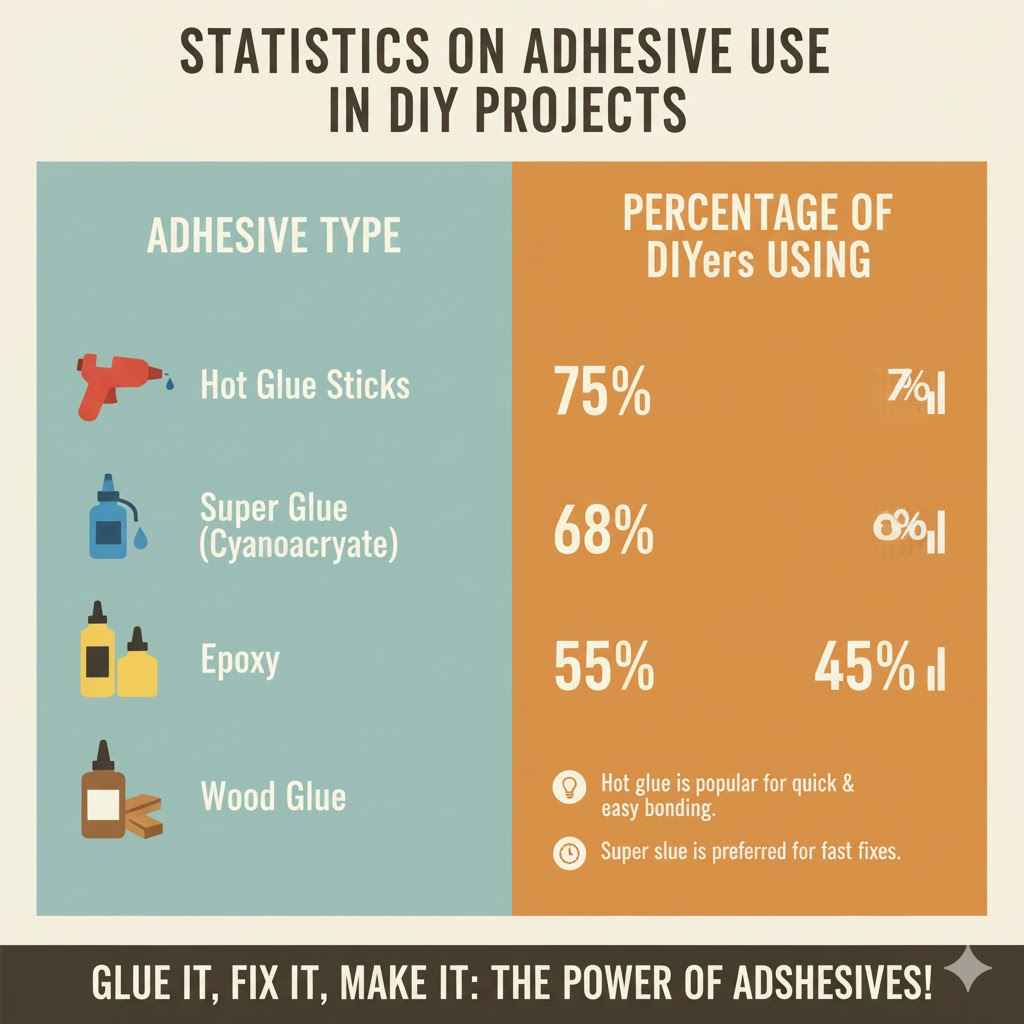
| Adhesive Type | Percentage of DIYers Using |
|---|---|
| Hot Glue Sticks | 75% |
| Super Glue (Cyanoacrylate) | 68% |
| Epoxy | 55% |
| Wood Glue | 45% |
A survey indicated that 75% of DIY enthusiasts regularly use hot glue sticks for various projects. This highlights its popularity for quick and easy bonding. Another study showed that over 68% of crafters turn to super glue for fast fixes, illustrating the need for rapid setting adhesives.
Frequently Asked Questions
Question: Can I use hot glue on all types of plastic?
Answer: No, you should not use hot glue on all types of plastic. Heat-sensitive plastics like polystyrene or acrylic can melt or warp. Always test on a small, hidden area first.
Question: What is the best type of hot glue stick for plastic?
Answer: For most plastics, standard all-purpose EVA glue sticks work well. For very smooth plastics, you might need a specialized adhesive. If bonding flexible plastics, look for glue sticks designed for flexibility.
Question: How do I prevent plastic from melting when using a hot glue gun?
Answer: Use a low-temperature hot glue gun or a dual-temperature gun set to low. Apply the glue quickly and press the pieces together without holding the gun to the plastic for too long.
Question: How long does hot glue take to dry on plastic?
Answer: Hot glue sets up quickly, usually within 30-60 seconds of being pressed together. However, it takes a few hours to fully cure and reach its maximum bond strength.
Question: Can hot glue be used for outdoor plastic projects?
Answer: Hot glue is generally not recommended for outdoor projects. It can soften in heat and become brittle in cold, weakening the bond. Specialized outdoor adhesives or sealants are better choices.
Wrap Up
You can indeed use a hot glue gun on plastic for many projects. The key is selecting the right glue stick and gun temperature for your specific plastic type. Always test first.
Clean surfaces and quick application ensure a strong bond for most common plastics.