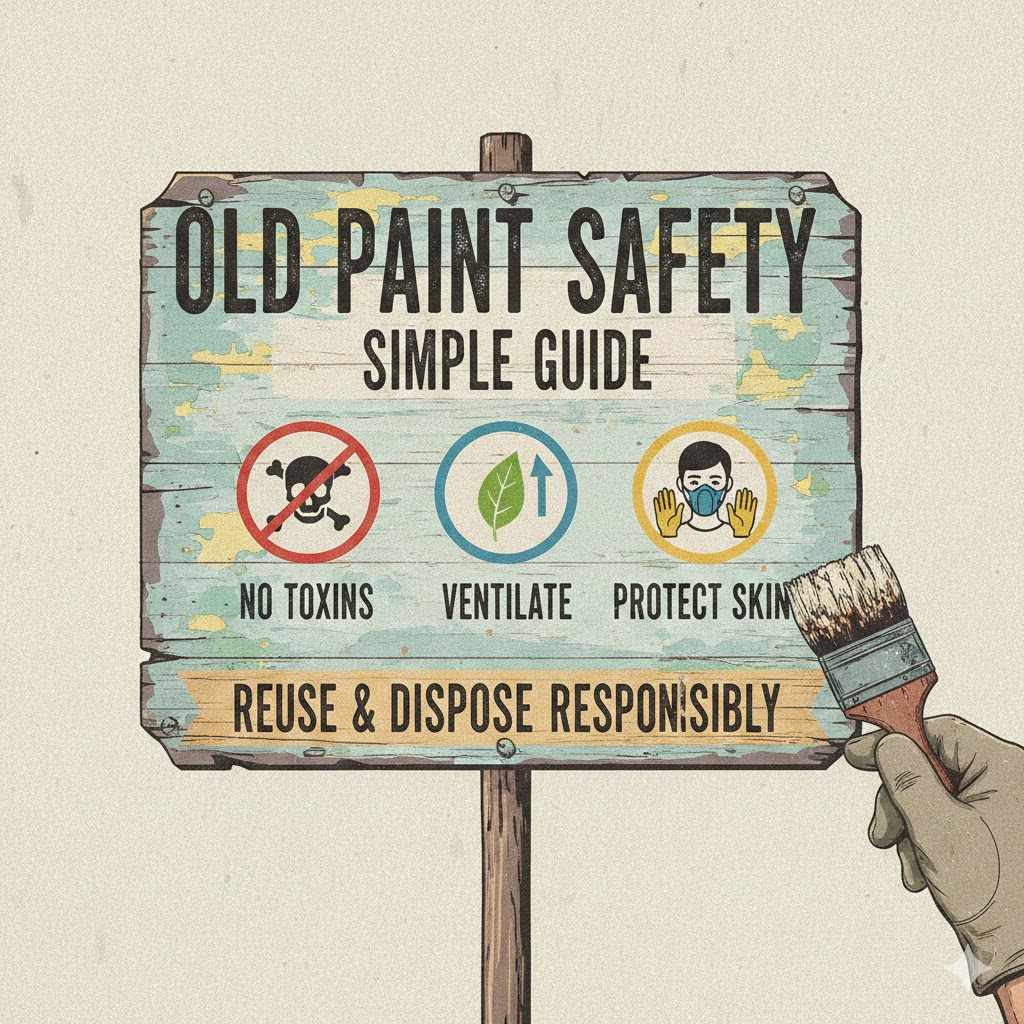
Can You Use Old Paint Simple Safety Guide
Many people wonder, “Can You Use Old Paint?” It can be a confusing question for DIYers. You might have leftover paint from a past project and want to save money. But is it safe and still good to use?
This guide aims to clear things up. We’ll walk you through the simple steps to check your old paint. Get ready to find out if your paint is a keeper, all without the fuss.
Assessing Your Old Paint’s Quality
Before you even think about painting with old paint, it’s smart to check its condition. Paint doesn’t last forever, and some signs tell you if it’s time to toss it out. This section will help you spot the good from the bad so you can make the right choice for your next project.
Checking For Signs of Spoilage
When paint goes bad, it shows it in a few obvious ways. Looking closely can save you a lot of trouble later. You don’t need to be a paint expert to spot these issues.
Just a little bit of careful observation will do the trick.
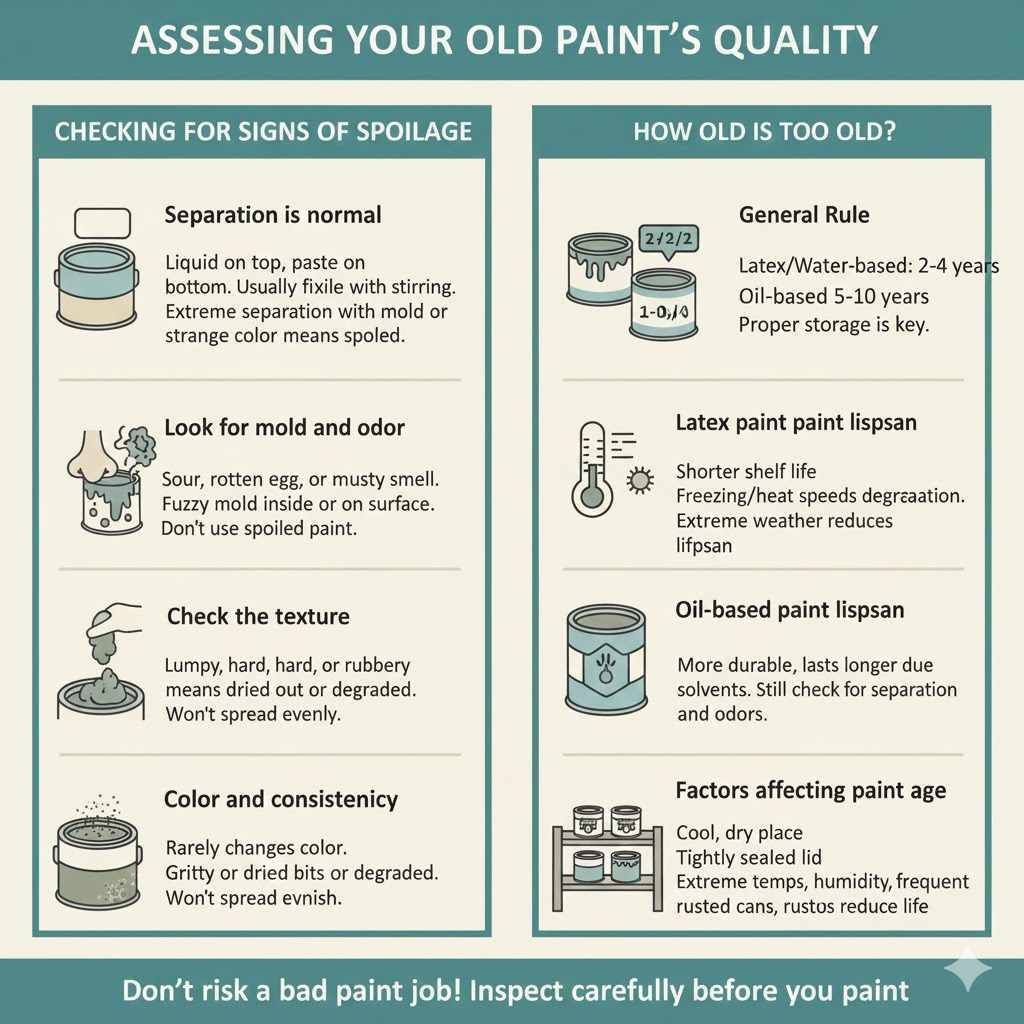
- Separation is normal
Paint naturally separates over time. You’ll see a layer of liquid on top and a thicker paste at the bottom. This is usually okay.
It means the oil and pigment might have settled. You can often stir this back together. However, if the separation is extreme and looks like mold or has a strange color, it might be spoiled.
- Look for mold and odor
A bad smell is a clear sign. If the paint smells sour, like rotten eggs, or has a musty odor, it’s probably gone bad. You might also see fuzzy mold growing inside the can or on the surface.
This mold can cause health problems and will make your paint job look terrible.
- Check the texture
Good paint should be smooth when stirred. If your old paint is lumpy, hard, or has a rubbery consistency, it has likely dried out or degraded. This can happen if the lid wasn’t sealed tightly.
The paint won’t spread evenly or cover well.
- Color and consistency
Sometimes, paint can change color. This is rare but can happen with certain types of paint or if it’s been stored improperly. Also, if the paint feels gritty or has dried bits in it, it’s not good for painting.
It will leave an uneven finish.
How Old Is Too Old?
The age of paint is a big factor in its usability. Most latex or water-based paints are good for about 2 to 4 years. Oil-based paints can last a bit longer, maybe 5 to 10 years if stored well.
This is a general rule. Proper storage makes a huge difference.
- Latex paint lifespan
Latex paint, commonly used for walls, has a shorter shelf life. Exposure to freezing temperatures or heat can speed up its degradation. If you live in a place with extreme weather, your latex paint might not last as long as expected.
- Oil-based paint lifespan
Oil-based paints are more durable. They can often be used for many years. The solvents in oil-based paints help preserve them longer.
However, they can still go bad if not stored correctly. Look for signs of separation and odors.
- Factors affecting paint age
Storage conditions are key. A cool, dry place with a tightly sealed lid is best. Extreme temperatures, humidity, and frequent opening and closing of the can will shorten the paint’s life.
If the can is rusted or dented, it might not seal well.
Testing Old Paint Before Application
Once you’ve done a visual check, it’s wise to test the paint. This is a simple step that helps ensure you won’t ruin your project. A small test can tell you a lot about how the paint will perform on a larger scale.
Small Area Test
Find an inconspicuous spot on the wall you plan to paint or on a scrap piece of drywall. Apply a small amount of the old paint. Let it dry completely.
This allows you to see the true color and how well it covers. It also checks for any unexpected reactions.
- Applying the test sample
Use a small brush or a foam roller. Apply one thin coat. Make sure the area is clean and dry.
This prevents dirt from interfering with the test results.
- Evaluating the results
After drying, check for even coverage. Does it look the same as you remember? Are there any odd streaks or splotches?
If it looks good and covers well, it’s likely ready for use. If not, it’s better to get new paint.
Mixing and Stirring Techniques
If your paint has separated, you’ll need to mix it. A stirring stick is essential. For thicker paint, you might need a paint mixer attachment for a drill.
Start slowly to avoid splashing. Keep mixing until it’s smooth and uniform.
- Using a stirring stick
A wooden or plastic stirring stick works for minor separation. Scrape the sides and bottom of the can. This ensures all the settled pigment and binders are incorporated back into the liquid.
Be patient and mix thoroughly.
- Power mixing for stubborn paint
For paint that is very thick or has dried clumps, a drill with a paint mixer attachment is best. This provides more power and consistency in mixing. Work in short bursts and scrape down the sides often.
Don’t overmix, as this can introduce too much air.
Safety Considerations When Using Old Paint
While using old paint can save money, there are safety aspects to consider. Some older paints might contain materials that are not ideal for use today. It’s important to be aware of these potential risks.
Lead Paint Risks
Paint made before 1978 often contains lead. Lead is a toxic metal that can cause serious health problems, especially in children. If your home was built before this year, and you’re using paint from that era, you need to be very careful.
- Identifying lead paint
You can buy lead test kits at hardware stores. These kits are simple to use. They can tell you if lead is present in the paint.
If you suspect lead, it’s best to avoid disturbing the paint. If you must remove it, hire a professional trained in lead abatement.
- Protecting yourself
If you use lead paint, wear protective gear. This includes a respirator, gloves, and old clothing. Seal off the area with plastic sheeting.
Clean up dust with a wet mop. Never dry sweep lead dust.
Ventilation and Protective Gear
Proper ventilation is always important when painting. Old paint can sometimes release stronger fumes than newer paints. Ensure the area is well-ventilated.
Open windows and doors. Use fans to circulate air.
- Why ventilation matters
Good ventilation helps to clear out paint fumes. This reduces the risk of headaches, dizziness, and respiratory irritation. It also helps the paint dry faster and more evenly.
- Essential protective gear
Always wear safety glasses to protect your eyes from paint splatters. Use gloves to keep paint off your skin. A mask or respirator is recommended, especially if working in a poorly ventilated space or if the paint has a strong odor.
Proper Disposal of Unusable Old Paint
If your old paint has gone bad or you decide not to use it, you need to dispose of it properly. Pouring paint down the drain or throwing it in the regular trash is bad for the environment and often illegal.
Environmental Impact of Paint Disposal
Paint contains chemicals that can harm soil and water if not disposed of correctly. Even dried latex paint can contain binders and pigments that are not environmentally friendly. Proper disposal prevents contamination.
- Water contamination
Liquid paint can leach into groundwater and surface water. This pollutes drinking water sources and harms aquatic life. Many communities have strict rules about how paint can be disposed of to prevent this.
- Soil contamination
If paint spills or is dumped on the ground, it can contaminate the soil. This can make the land unusable for gardening or other purposes for a long time. The chemicals can break down slowly.
Recycling and Hazardous Waste Programs
Many local municipalities have hazardous waste collection sites. These sites accept leftover paint and other hazardous materials. Some paint manufacturers also offer take-back programs.
Check with your local government or waste management service for options.
- Finding local drop-off sites
Search online for “household hazardous waste disposal” in your area. Many cities and counties have designated drop-off days or permanent collection facilities. These sites are equipped to handle paint safely.
- Drying out small amounts
For very small amounts of latex paint, you can sometimes dry it out. Mix it with an absorbent material like cat litter or sawdust. Let it dry completely in a well-ventilated area away from children and pets.
Once solid, it may be acceptable for regular trash, but check local rules first.
Can You Use Old Paint? Simple Safety Guide Conclusion
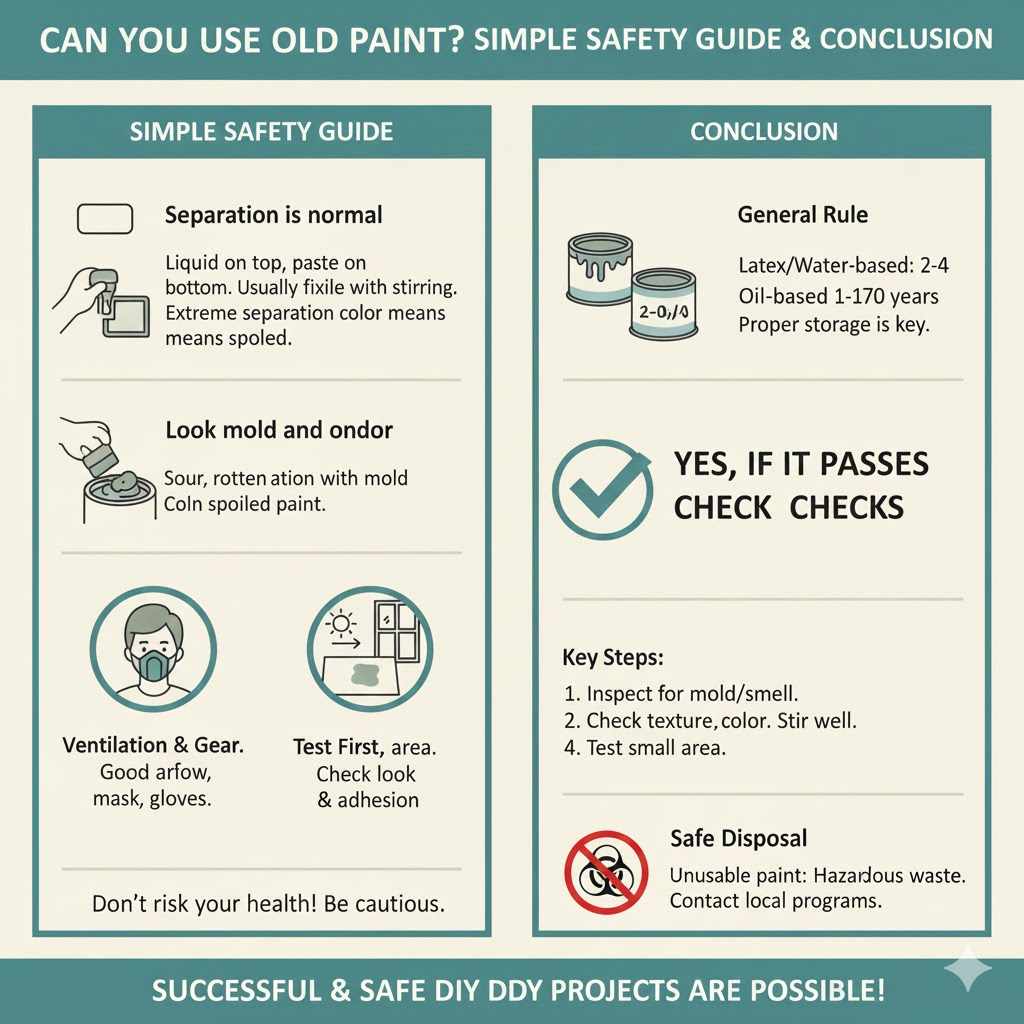
Yes, you can often use old paint if it passes the checks. Look for signs of spoilage like mold or bad smells. Test it in a small area first.
Always use good ventilation and wear protective gear. Dispose of unusable paint safely through hazardous waste programs. Your DIY projects can be successful and safe.
Frequently Asked Questions
Question: Is it safe to use paint that has separated?
Answer: Yes, separation is normal. You can usually stir it back together. If it smells bad or has mold, it’s not safe to use.
Question: How long does latex paint last?
Answer: Latex paint typically lasts 2 to 4 years. This depends heavily on how it was stored.
Question: What should I do if my old paint smells bad?
Answer: If the paint has a foul odor, like rotten eggs or mold, it has likely spoiled and should not be used. Dispose of it properly.
Question: Can I paint over old paint that’s peeling?
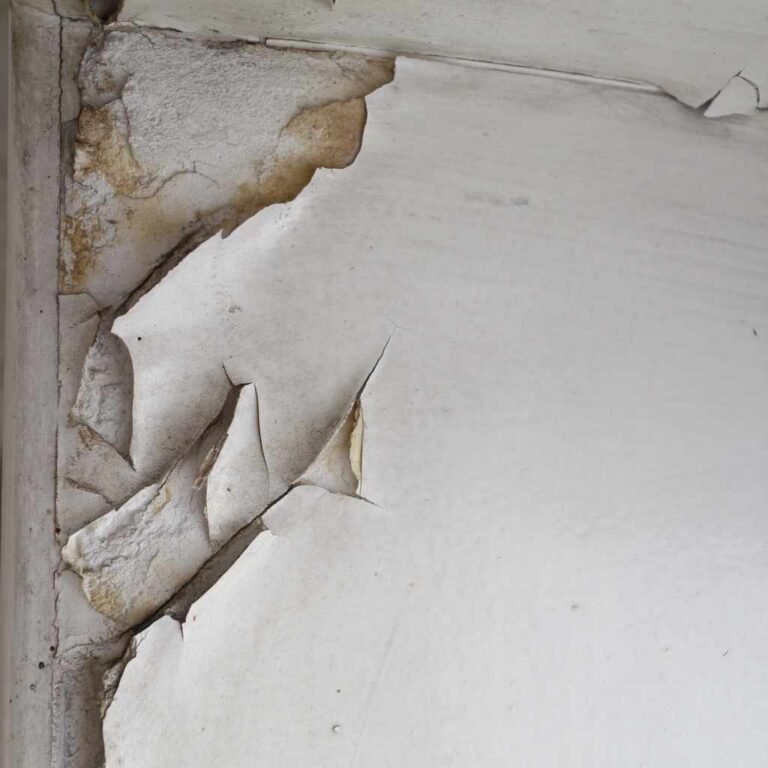
Answer: No, you should not paint over peeling paint. You need to scrape off the loose paint and prepare the surface before applying new paint.
Question: Where can I dispose of old paint that has gone bad?
Answer: Unusable paint is considered hazardous waste. Take it to a local hazardous waste collection site or recycling center.
Summary
Using old paint can be a great way to save money. Just be sure to check it first. Look for bad smells or mold.
Stir it well and test it on a small spot. Always ventilate your workspace and wear safety gear. If it’s no longer good, get rid of it the right way.
This keeps your home project safe and effective.