How to Remove Concrete Splatter from Painted Surfaces
Concrete splatter on a painted surface is removable without stripping the paint — if you catch fresh spots within 30 minutes, a damp sponge and dish soap are all you need. Let dried concrete sit too long and the alkalinity starts to etch the paint film underneath, making safe removal harder. This guide covers how to handle both fresh and dried concrete, which chemical options are safe on paint, and what to do on wood siding, metal, and car paint.
Quick Answer
Fresh concrete splatter lifts off with warm soapy water and a soft sponge within the first 30 minutes. For dried concrete, lay a soaking-wet rag over the spot for 30-60 minutes to rehydrate it, then gently pry the edges with a plastic scraper held at a low angle. Never use metal scrapers, wire brushes, or muriatic acid on painted surfaces — all three will scratch or strip the paint.
Does Timing Matter? Fresh vs. Dried Concrete Splatter
Best Concrete Dissolver Pick
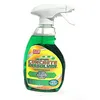
Super Concrete Dissolver 22oz Foam Spray
A foam-spray format that clings to vertical painted surfaces — walls, siding, and trim — without running off. The biodegradable, non-corrosive formula converts hardened concrete into soft paste within minutes.
- Best for: Vertical painted surfaces where a liquid dissolver would run off before working
- Why we picked it: Foam format, non-corrosive, biodegradable — safest option for painted wood and siding
- Main drawback: Higher cost per ounce than liquid dissolvers; overkill for small splatter spots
Compare more concrete dissolver options
 Option 1 Tenon Concrete & Masonry Dissolver 28oz
|
 Option 2 Tenon Concrete & Masonry Dissolver 1 Gallon
|
 Option 3 FILA PROSTRIP Graffiti & Concrete Remover
|
As an Amazon Associate we earn from qualifying purchases.
Fresh and dried concrete behave completely differently on a painted surface, and the right method depends entirely on which one you are dealing with.
| State | Time Since Splatter | Recommended Method | Risk to Paint |
|---|---|---|---|
| Fresh (wet) | 0-30 minutes | Soapy water + soft sponge | Very low |
| Partially set | 30 min – 2 hours | Wet rag soak 15 min, then plastic scraper | Low |
| Fully cured | 2+ hours | 60-min wet soak + plastic scraper + concrete dissolver | Medium if rushed |
Fresh concrete is mostly water, sand, and cement powder that has not yet formed the rigid calcium silicate hydrate structure that makes cured concrete rock-hard. A wet sponge breaks the surface tension and washes it away in minutes. Once concrete cures — typically 2-8 hours depending on temperature and humidity — the calcium compounds bond directly to the painted surface. The 30-minute window is the single most useful fact in this guide: act within it and removal takes two minutes.
Tools and Products You Need
- Plastic scraper or old credit card — firm enough to lift dried concrete but soft enough not to gouge paint; never substitute a metal putty knife
- Soft sponge or microfiber cloth — for applying water and wiping residue without scratching
- Bucket of warm water — for wetting rags and rinsing the surface after cleaning
- Dish soap or mild detergent — breaks down fresh concrete and rinses clean without leaving residue
- Commercial concrete dissolver (optional) — citric acid or gluconate-based products work on dried concrete and are safe on most painted finishes
- Spray bottle — for applying diluted vinegar or dissolver in controlled amounts without over-saturating
- Safety gloves and eye protection — required when using any chemical dissolver
How to Remove Fresh Concrete Splatter from Painted Surfaces
Act within 30 minutes for the easiest removal. The concrete is still in a slurry state at this point and has not bonded to the paint.
- Rinse the area: Use a hose or a cup of water to wet the splatter immediately. Do not scrub yet — you risk spreading the fresh concrete into the surrounding paint.
- Apply dish soap: Squirt a small amount of dish soap directly onto the wetted concrete.
- Sponge in gentle circles: Work a soft sponge in small circles over the splatter using light pressure. The concrete should dissolve into a gray paste within 30-60 seconds.
- Rinse completely: Flush the area with clean water to carry away all concrete powder. Gray water running off the surface means it’s working.
- Check and repeat if needed: If any concrete remains, repeat steps 2-4. Fresh concrete rarely needs more than two passes.
- Dry the surface: Pat dry with a soft cloth to prevent water spotting on enamel or latex paints.
How to Remove Dried Concrete Splatter from Painted Surfaces
Dried concrete requires patience. Forcing it off without rehydrating first is the single most common cause of paint damage during concrete cleanup.
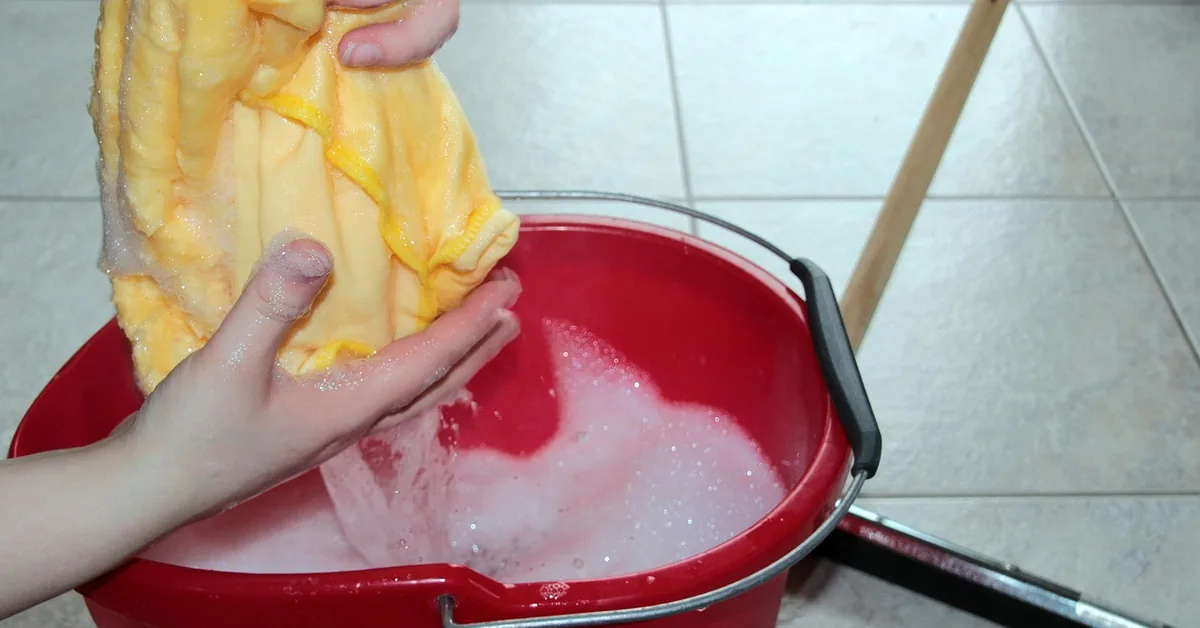
- Wet a clean rag with warm water and lay it flat over the concrete splatter, covering it completely.
- Wait 30 to 60 minutes — thin spots may rehydrate in 15 minutes, but thick globs need the full hour. Concrete that still feels rock-hard after 30 minutes needs another wet application.
- Test the edges with a plastic scraper held at a 10-15 degree angle (nearly flat). If the concrete shifts even slightly, proceed. If it does not move at all, re-wet the rag and wait another 20 minutes.
- Work inward from the edges, pushing the scraper underneath the concrete rather than pressing down into the paint.
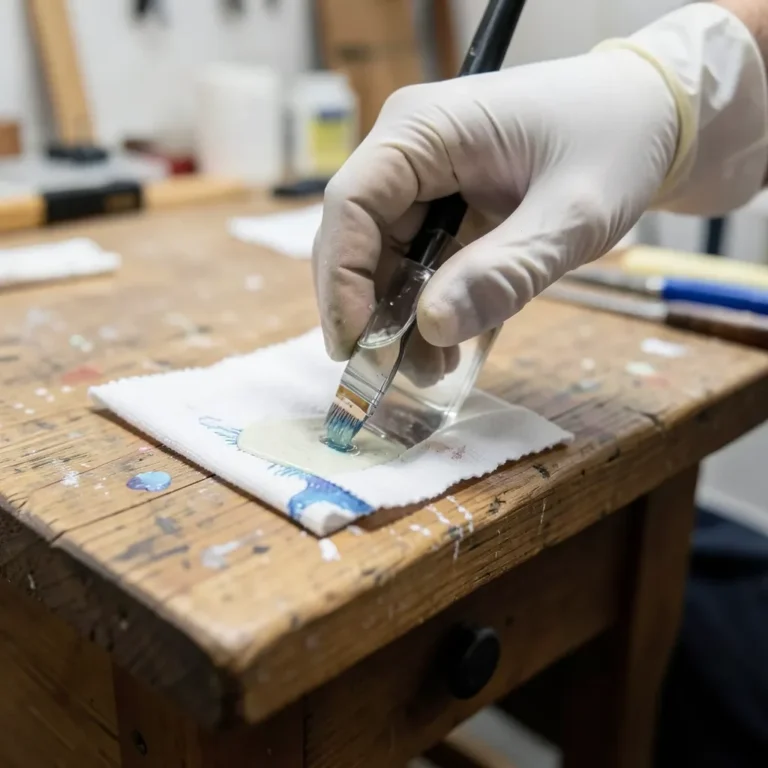
- Apply concrete dissolver on any remaining residue. Spray lightly, wait 5 minutes, then wipe with a damp sponge. A citrus-based dissolver is safe on virtually all exterior painted surfaces.
- Rinse and dry with clean water and a soft cloth to remove all chemical and concrete residue.
“After cleaning painted wood siding following a driveway pour, the 60-minute wet-rag soak removed roughly 80 percent of the dried concrete without any chemical — only a thin gray film remained, which wiped off with a damp microfiber cloth.”
Surface-by-Surface Tips: Wood, Metal, and Car Paint
Different painted surfaces need different levels of caution. The underlying material — not just the paint — determines what tools and chemicals are safe.
Painted Wood Siding
Wood beneath paint is slightly porous. If concrete has been on the surface for more than a few hours, the alkaline pH can lightly etch the paint’s bond to the wood. Stick to the wet-rag soak method, and use a citrus-based dissolver rather than any acid-based product. Avoid pressure washing — water forced behind the paint film causes far more damage than the concrete itself, including blistering and peeling at the seams.
Painted Metal (Gutters, Railings, and Trim)
Metal holds up better than wood under mechanical cleaning. A wet soak followed by a plastic scraper usually handles moderate concrete buildup. CLR (Calcium, Lime, Rust) can be applied at a 1:8 dilution (one part CLR, eight parts water) on painted metal for stubborn spots — rinse immediately and do not let it dwell longer than 5 minutes on latex or enamel finishes. On galvanized or powder-coated metal, test CLR on a hidden area first.
Car Paint and Clear Coat
Car paint and clear coat are the most sensitive surfaces in this category. Skip vinegar (too slow and inconsistent on automotive finishes) and skip muriatic acid (will strip clear coat immediately). The safest sequence: saturate the concrete with WD-40, let it sit 5-10 minutes to soften the calcium bond, then wipe gently with a microfiber cloth. For hardened spots, follow WD-40 with a dedicated automotive concrete dissolver and a plastic scraper. If the concrete has scratched the paint beneath, read up on how to buff out scratches in car paint once the concrete is fully removed.
Which Chemical Options Are Safe on Painted Surfaces?
| Chemical | Safe for Paint? | Notes |
|---|---|---|
| Dish soap + water | Yes | First choice for fresh concrete; completely safe on all paint types |
| White vinegar (1:1 with water) | Yes, with caution | Soak 15-20 min; rinse thoroughly; slow on thick concrete |
| CLR (1:8 dilution) | Yes on metal; test on wood | 5-min maximum dwell time on any painted surface |
| Citrus-based concrete dissolver | Yes | Safest chemical option; biodegradable; works on most painted surfaces |
| WD-40 | Yes on car paint | Lubricates the calcium bond; follow with microfiber wipe; best for automotive use |
| Muriatic acid | No | Strips or etches paint on contact; for bare concrete only |
| Pressure washer | No | Forces water behind the paint film; causes blistering and delamination |
If you are planning to repaint the cleaned area, allow any chemical-treated surface to dry fully for at least 24 hours. Acid residue — even well-rinsed — can inhibit paint adhesion if the surface is not completely dry and neutral before the next coat.
Mistakes That Damage the Paint
- Using a metal scraper: Even at a low angle, metal leaves gray streaks in soft latex paint and permanent scratches in enamel. Only plastic scrapers or old credit cards belong on a painted surface.
- Skipping the rehydration soak: Dry-scraping hardened concrete causes the paint beneath to peel or chip along with the concrete — the bond between paint and concrete is often stronger than the bond between paint and the surface underneath.
- Applying muriatic acid without testing: It dissolves concrete fast but etches paint even faster. It belongs on bare masonry, not painted surfaces.
- Using a wire brush or stiff bristle brush: Correct for bare concrete; completely wrong for any painted surface, including textured paint.
- Waiting days to act: The longer concrete sits on paint, the deeper the alkaline compounds etch the paint binder. Remove it within 48 hours at most — ideally within a few hours of the splatter occurring.
Frequently Asked Questions
Will vinegar remove dried concrete from painted surfaces?
White vinegar diluted 1:1 with water can loosen light concrete residue from painted surfaces, but it is slow. Soak the area for 15-20 minutes and scrub with a soft brush. It works best on thin concrete films rather than thick globs. If vinegar has not loosened the concrete after 20 minutes, switch to a citrus-based concrete dissolver — it works on the same pH-neutralizing principle but is more concentrated and faster.
Does WD-40 remove cement from car paint?
WD-40 can soften fresh or recently dried cement on car paint by penetrating the calcium bonds and lubricating the surface. Spray it directly on the concrete, wait 5-10 minutes, then wipe gently with a clean microfiber cloth. WD-40 does not dissolve concrete the way an acid-based dissolver does — for fully hardened cement, use WD-40 followed by a gentle plastic scraper. Always follow with a full car wash to remove the oil residue from the paint surface.
How do you clean concrete off painted walls without damaging the paint?
Use the wet-rag rehydration method: lay a soaking-wet cloth over the concrete for 30-60 minutes, then work a plastic scraper under the edges at a 10-15 degree angle. Follow up with mild dish soap on a soft sponge. Avoid acidic products on interior painted walls — latex, eggshell, and satin finishes are more sensitive to acid than exterior paints. Test any product in an inconspicuous area before applying it to the full damaged section.
Can I use muriatic acid to remove concrete from painted surfaces?
No. Muriatic acid (hydrochloric acid) strips or etches paint just as readily as it dissolves concrete. It is appropriate only for bare, uncoated masonry. For painted surfaces, use a citric acid or gluconate-based concrete dissolver — these dissolve concrete on the same alkalinity-neutralizing principle without attacking the paint’s binder. If the concrete is so thick that only muriatic acid would work, the painted surface likely needs repainting after removal regardless.
How long do you have to remove fresh concrete splatter before it hardens?
You have roughly 30 minutes to remove fresh concrete with just water and dish soap. Between 30 minutes and 2 hours, concrete is partially set — still removable with a shorter wet soak and careful scraping. Beyond 2 hours (faster in hot weather, slower in cold and humid conditions), concrete is fully cured and requires the extended 60-minute wet soak plus a concrete dissolver. In direct sunlight at 90 degrees Fahrenheit, fresh concrete can begin setting in as little as 15 minutes — so in summer heat, act as soon as you notice the splatter.
Conclusion
Removing concrete splatter from a painted surface is a timing problem as much as a technique problem. Fresh concrete needs only water and dish soap in the first 30 minutes. Dried concrete needs patience: a 30-60 minute wet-rag soak followed by a plastic scraper is the safest path and protects the paint underneath. For stubborn residue, a citric acid-based concrete dissolver is the safest chemical option for any painted surface. Skip metal scrapers, wire brushes, and muriatic acid — they cause more damage than the concrete itself.
Sponsored / affiliate links. As an Amazon Associate I earn from qualifying purchases. I may earn additional commission from eligible campaigns.