How Shiny Is Satin Paint? The Real Gloss-Unit Range Explained
Satin paint measures roughly 20 to 35 gloss units (GU) on a standard 60-degree gloss meter, putting it just above eggshell (10-25 GU) and well below semi-gloss (35-70 GU). In plain terms, satin gives off a soft, low-key glow rather than a hard shine, and that specific gloss range is exactly why it dominates trim, doors, and high-traffic walls in most American homes.
Most articles on this topic describe satin as “somewhere between flat and glossy” without ever putting a number on it. That vagueness is the problem: gloss units are a real, measurable value that paint manufacturers test with the same 60-degree reflectometer used across the coatings industry, so you can actually compare a can of satin to a can of eggshell instead of guessing from the label art. Below, we’ll walk through the real range, why satin hides more flaws than semi-gloss under the same light, where it belongs in your house, and how to apply it so the sheen looks even instead of blotchy.
The Real Gloss-Unit Range: How Shiny Is Satin, Exactly?
Best Satin Finish For Doors & Trim
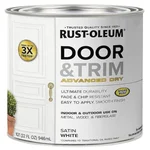 |
Rust-Oleum Door & Trim Advanced Dry, Satin White – $23.48 A ready-mixed satin enamel built specifically for the trim and door surfaces this guide covers, where satin’s mid-range sheen earns its keep every day.
|
Paint gloss is measured with a glossmeter that shines light onto a surface at a fixed angle, usually 60 degrees for mid-sheen paints, and reads how much of that light bounces straight back into the sensor. Zero on that scale is a surface that scatters essentially all light (true flat), while 100 approaches a mirror. Using that scale, the accepted ranges most manufacturers and coatings labs work from are:
| Sheen Level | Typical 60° Gloss Range | What It Looks Like |
|---|---|---|
| Flat / Matte | Under 10 GU | No visible shine, absorbs light |
| Eggshell | 10-25 GU | A faint, dry glow, almost flat in most light |
| Satin | 20-35 GU | Soft, visible sheen without glare |
| Semi-Gloss | 35-70 GU | Noticeably reflective, catches light from across a room |
| High-Gloss | 70+ GU | Mirror-like reflection, shows every ripple in the surface |
Notice satin and eggshell overlap between 20 and 25 GU. That’s not a mistake, it’s because “eggshell” and “satin” aren’t standardized legal terms the way, say, a wattage rating is. Every manufacturer sets its own cutoffs, so one brand’s eggshell can read closer to another brand’s satin. If the exact sheen matters for a specific room, check the gloss-unit spec on the can or data sheet rather than trusting the name on the label alone.
Why Satin Hides Flaws Better Than Semi-Gloss (the Actual Physics)
This is the part most guides skip. A glossy surface doesn’t just “look shinier,” it reflects light in a narrow, concentrated beam, called specular reflection. Any bump, roller stipple, drywall seam, or nail-hole patch under that beam throws its own tiny shadow and highlight, and your eye reads that as a flaw. A flat or matte surface scatters light in every direction at once (diffuse reflection), which spreads out those shadows so much they become nearly invisible.
Satin sits in the middle of that curve. It reflects enough light to resist staining and wipe clean, since a smoother, slightly glossier film physically holds less dirt in its texture than a porous flat film, but its reflection is spread wide enough that it doesn’t concentrate light into the sharp hot spots semi-gloss does. That’s the real reason satin is the standard recommendation for walls that get touched a lot (hallways, kids’ rooms, kitchens) but aren’t perfectly smooth: it’s the point on the gloss curve where washability and flaw-forgiveness overlap the most.
One place this matters in practice: raking light. A wall lit from the side, by a window or a floor lamp, exaggerates every sheen level far more than overhead light does. A satin wall that looks perfectly smooth under a ceiling fixture can show roller marks under strong side light from a window. If a room gets a lot of low, angled afternoon sun, eggshell (or even flat, on a wall with real texture problems) will read smoother than satin in that specific light, even though satin is more durable overall.

Where Satin Paint Actually Belongs in Your Home
Satin earns its popularity because it’s the sheen that works in the most rooms without a specific reason to switch. Here’s where that mid-range gloss level pays off, and where it doesn’t.
Good fits for satin
- Hallways and stairwells: high-contact surfaces where a flat finish would scuff and stain within a year.
- Kids’ bedrooms and playrooms: crayon marks, handprints, and scuffed corners wipe off a satin film far more easily than a flat one.
- Kitchens and bathrooms (walls, not just trim): satin resists the humidity and grease splatter that dull a flat finish fast, without the harsh glare semi-gloss throws under bright overhead lighting.
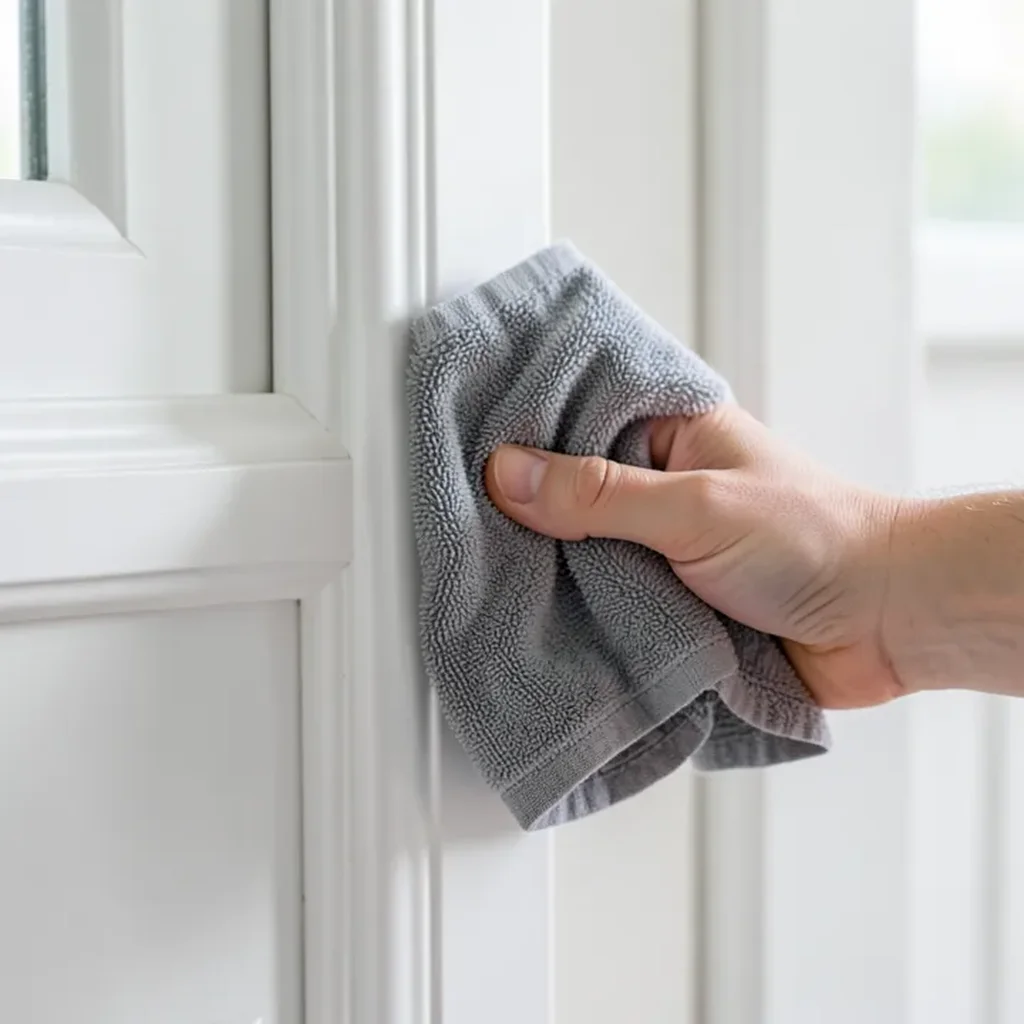
- Doors and trim in most rooms: a step down from semi-gloss’s traditional trim role, satin still wipes clean but blends more softly with a satin or eggshell wall instead of standing out as a glossy frame around it.
Where to use something else instead
- Ceilings: a true flat almost always wins here. Any sheen on a ceiling picks up glare from overhead fixtures and exaggerates drywall seams. See our satin vs. flat paint comparison for the full breakdown of when flat is the better call.
- Walls with real texture problems: deep patch marks, orange-peel texture, or old wallpaper scars show up more under satin’s sheen than they would under flat.
- Showers and tub surrounds: semi-gloss or a dedicated bath-and-kitchen enamel still beats satin for constant direct water contact.
- Furniture and cabinets that see heavy daily wear: satin can work here, but a harder semi-gloss or gloss enamel holds up longer to drawer pulls, elbows, and cleaning chemicals.
Satin vs. Eggshell vs. Semi-Gloss, Side by Side
Since satin sits between these two finishes on the gloss scale, most buying decisions really come down to a three-way comparison:
| Sheen | Gloss Range | Cleanability | Flaw-Hiding | Typical Rooms |
|---|---|---|---|---|
| Eggshell | 10-25 GU | Wipes clean gently; not scrub-proof | Best of the three | Living rooms, dining rooms, low-traffic bedrooms |
| Satin | 20-35 GU | Scrubs clean, handles repeated cleaning | Good, better than semi-gloss | Hallways, kitchens, kids’ rooms, trim |
| Semi-Gloss | 35-70 GU | Most scrub-resistant of the three | Weakest, shows patches and stipple | Bathrooms, cabinets, high-moisture trim |
If you’re deciding between satin and eggshell specifically for a wall that gets moderate handling, satin is almost always the safer default. The washability gap between the two is bigger than the sheen gap: an eggshell wall in a hallway will show scuff marks that satin simply wipes away.
How to Apply Satin Paint So the Sheen Looks Even
Because satin reflects more light than a flat finish, application mistakes are more visible in the final result, not because satin is harder to apply, but because a flat film hides the same imperfections a satin film reveals. A few habits make the difference between a professional-looking satin wall and one with visible lap marks.
- Prep the surface first. Fill dents and nail holes, sand them flush, and wipe down grease or dust before you open the can. A quality primer matters even more under satin than under flat, since primer evens out porosity differences that would otherwise show as patchy sheen once the topcoat dries.
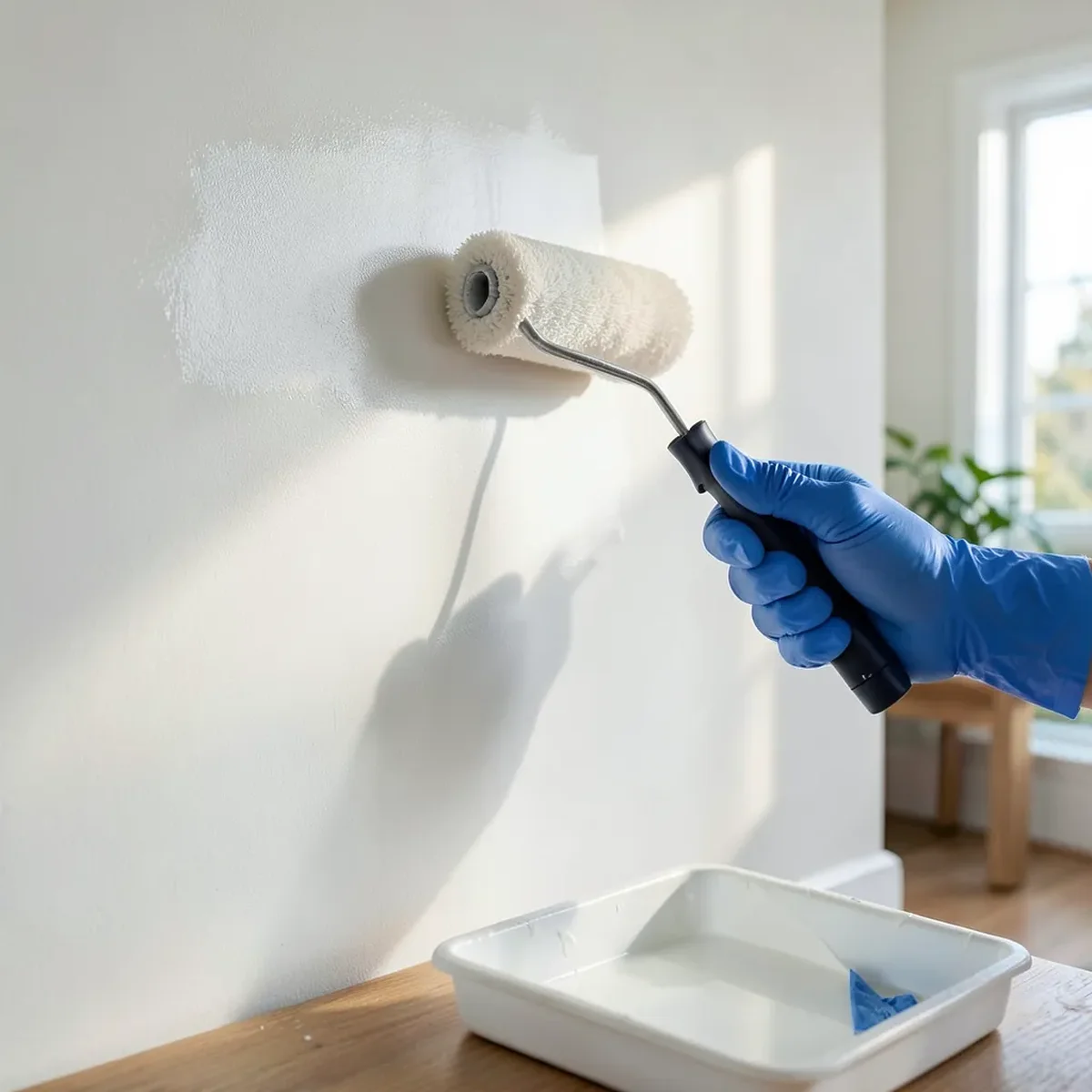
- Keep a wet edge. Overlap each roller pass into the still-wet paint from the previous pass. Satin shows lap marks (a faint stripe where dried and wet paint met) far more than flat paint does, because the dried edge and the fresh paint reflect light slightly differently until the whole coat cures evenly.
- Use a 3/8-inch nap roller on smooth drywall. A thicker nap (meant for stucco or rough masonry) adds texture that will catch and scatter light unevenly under satin’s sheen.
- Apply two thin coats instead of one thick one. A single heavy coat dries unevenly and can leave slightly duller or shinier patches. Two thin, fully-cured coats give a flatter, more consistent gloss reading across the whole wall.
- Check your work under raking light before calling it done. Hold a work light at a low angle against the wall (the same effect as afternoon sun through a window) while the second coat is still workable. Any roller marks or missed spots show up immediately under that angle and are far easier to fix wet than after the paint cures.
Frequently Asked Questions About Satin Paint Sheen
How many gloss units is satin paint?
Satin paint typically measures 20 to 35 gloss units (GU) on a 60-degree glossmeter, the standard measurement angle for mid-sheen paints. That places it just above eggshell and well below semi-gloss.
Is satin paint shinier than eggshell?
Yes, satin is shinier than eggshell, though the two ranges overlap slightly (eggshell runs 10-25 GU, satin 20-35 GU) because sheen names aren’t standardized across every paint brand. Satin is consistently the more durable and washable of the two.
Does satin paint show imperfections on walls?
Satin shows more surface imperfections than flat or eggshell, but far fewer than semi-gloss or high-gloss. Its wider light scatter compared to a glossier finish is what makes it more forgiving of roller stipple, patch marks, and drywall seams.
Is satin paint good for bathrooms and kitchens?
Yes. Satin resists humidity and grease well enough for most kitchen and bathroom walls, and it avoids the harsh glare semi-gloss can throw under bright overhead lighting. For surfaces with constant direct water contact, like a shower surround, semi-gloss is still the more durable choice.
Can I paint over satin paint with a different sheen?
Yes. Lightly sand the existing satin surface to give the new coat something to grip, especially when moving to a glossier finish, then clean off the dust before repainting. Skipping the light sanding is the most common reason a new topcoat peels or doesn’t bond well over an old satin wall.
Why does my satin paint look patchy or uneven in some light?
Patchy-looking satin is almost always an application issue rather than a paint defect: uneven roller pressure, an interrupted wet edge, or one thick coat instead of two thin ones. Raking light from a window or lamp will exaggerate any of these far more than everyday overhead lighting.
The Bottom Line
Satin paint reads at roughly 20 to 35 gloss units on a standard 60-degree meter, a soft, mid-range sheen that reflects enough light to wipe clean easily but spreads that reflection wide enough to stay forgiving of everyday wall imperfections. That’s the actual, measurable reason it’s become the default recommendation for hallways, kids’ rooms, kitchens, and trim across most of the country, not just a vague sense of “shinier than flat, less shiny than gloss.”
If you’re painting a wall that gets touched, bumped, or cleaned regularly and doesn’t have serious texture problems, satin is very likely the right call. Save the true flat for ceilings and low-traffic rooms, and reach for semi-gloss only where you need maximum scrub resistance and can live with it showing more of the wall’s flaws in the process.
Sponsored / affiliate links. As an Amazon Associate I earn from qualifying purchases. I may earn additional commission from eligible campaigns.