Can You Use Pressure Treated Wood for a Chicken Coop: Safety Tips
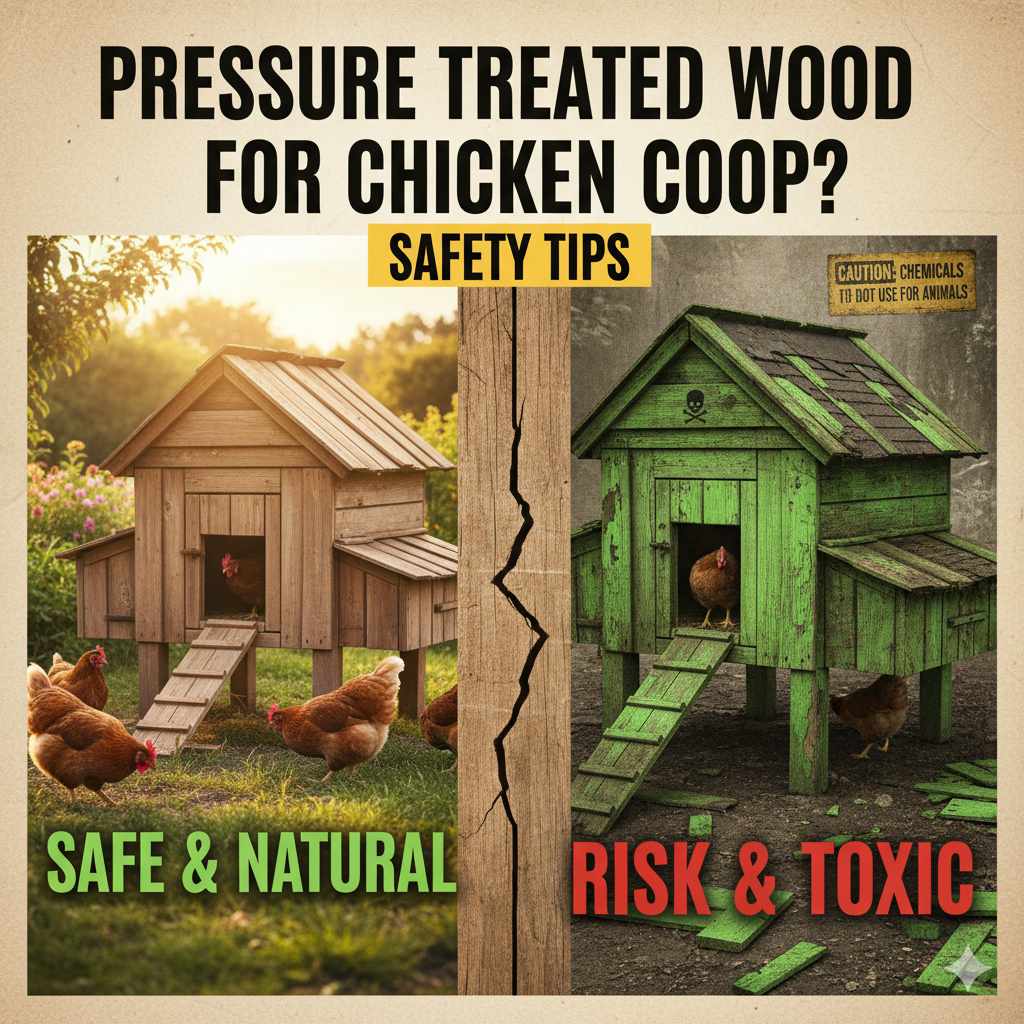
Building a chicken coop is an exciting project, but it raises a critical question: can you use pressure treated wood for a chicken coop? You want what’s best for your feathered friends, ensuring they have a safe and comfortable home.
Choosing the right materials is crucial, and pressure treated wood often comes up as a popular choice. But is it really safe? This decision impacts not only the longevity of your coop but also the health and well-being of your chickens.
Dive into this article to discover the truth about pressure treated wood, as we unravel the potential benefits and hidden risks that could affect your flock. By the end, you’ll be equipped with the knowledge to make the best choice for your backyard sanctuary.

Credit: www.thegardencoop.com
Pressure Treated Wood Basics
Pressure treated wood can be used for chicken coops, offering durability against weather and pests. Ensure the wood is properly sealed and aged to prevent harmful chemical exposure to chickens.
What Is Pressure Treated Wood
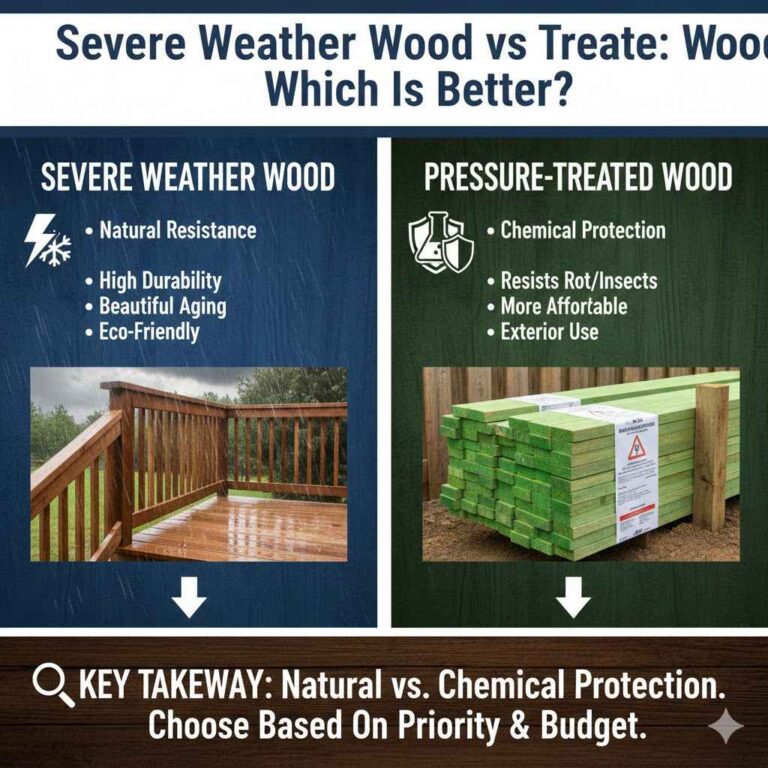
Pressure treated wood is wood soaked in chemicals. This helps it last longer. Bugs and rot can damage wood. These chemicals stop that from happening. The wood stays strong and looks good. It is used for many things outdoors.
Common Uses
People often use pressure treated wood for fences and decks. It is also used for making outdoor furniture. It is good for places with wet weather. The wood does not rot easily. It is also safe from termites and other bugs.
Safety Concerns
Pressure treated wood has chemicals. These chemicals stop wood from rotting. Common ones are copperand arsenic. They keep bugs away. But, they can be harmful. Especially to chickens.
Chickens peck at wood. They might eat harmful bits. This can make them sick. Chemicals can get on their feet too. Then, they might eat it later. This is not safe. It’s better to use natural wood. Safer for your chickens.
Benefits Of Pressure Treated Wood
Pressure treated wood provides durability and resistance to insects, making it suitable for outdoor structures like chicken coops. Its treatment ensures longevity, reducing maintenance and repair costs over time.
Durability
Pressure treated wood lasts longer than regular wood. It can handle the weight of the coop. Strong and sturdy. It does not break easily. This wood is tough. It keeps its shape well. Perfect for coops that need to last.
Resistance To Elements
This wood fights off rain and sun. Water does not make it rot. The sun cannot hurt it much. Bugs do not like it. They stay away. It does not get moldy. Very safe for chicken coops. Protects chickens from bad weather.
Alternatives To Pressure Treated Wood
Pressure treated wood might pose health risks for chickens due to chemicals. Consider cedar or pine as safer options. Bamboo can also provide durability without harmful effects.
Natural Wood Options
Cedar and redwood are excellent choices for chicken coops. They are naturally resistant to rot and bugs. These woods do not need chemicals to last long. Another option is cypress wood. It also resists decay and insects. Though these woods can be more costly, their benefits are worth it. They provide a safe and healthy home for chickens. Pine wood is cheaper but needs regular maintenance. It can rot faster in wet areas. Treat pine with natural oils to make it last longer. This way, chickens stay safe and sound.
Composite Materials
Composite materials are made from wood fibers and plastic. They are strong and durable. These materials do not rot or decay quickly. They are a good option for chicken coops. Composite materials need less upkeep. They also come in many colors and styles. This allows for creative coop designs. While more expensive upfront, they last longer. This saves money over time. Chickens can live comfortably with less worry about pests. Composite materials keep coops clean and sturdy.
Safe Practices For Using Pressure Treated Wood
Pressure treated wood can be used for a chicken coop with care. Ensure the wood is well-sealed to prevent chemical exposure. Regularly inspect the coop for damage or wear to maintain a safe environment for chickens.
Choosing The Right Type
Pressure treated wood can last long. But it’s important to choose wisely. Some woods have chemicals. These can be bad for chickens. Always check the label on the wood. Look for wood marked safe for animals. This wood is better for chicken coops. Avoid older treated wood. It may have harmful chemicals like arsenic. These can harm your chickens. Always pick wood that is safe and new.
Proper Sealing Techniques
Sealing the wood is very important. It helps protect the wood. Use a non-toxic sealant. This keeps the chemicals from leaking out. Apply the sealant evenly. Make sure you cover all parts. Let the wood dry before using it. This keeps your chickens safe. Check the seal regularly. Reapply when needed. A good seal keeps the coop safe and healthy.
Expert Opinions
Experts discuss the use of pressure treated wood in chicken coops. Some say it’s safe if sealed properly. Others suggest untreated wood to avoid chemical risks.
Veterinarian Insights
Pressure treated wood has chemicals. These chemicals can be harmful. Chickens peck wood often. They may eat these chemicals. This can affect their health. Veterinarians are careful about materials. They suggest safer options. Untreated wood is safer. Cedar and pine are good choices. They have fewer chemicals. Protecting chickens is important. Safe materials help prevent sickness.
Woodworking Specialists
Woodworkers know wood well. Pressure treated wood lasts longer. It resists rot and bugs. Yet, safety is crucial. Chemicals can leach out. They might touch or be eaten by chickens. Experts recommend sealing the wood. This reduces chemical exposure. Using untreated wood is safer. Good ventilation also helps. It keeps harmful vapors away. Wood experts balance safety and durability.
Regulations And Standards
Using pressure treated woodfor chicken coops needs care. It is important to follow guidelinesto keep chickens safe. Some experts warn against using this wood. The chemicals can harm birds. Check if local rulesallow using this type of wood. Always read the manufacturer’s instructions. They provide details about safe usage. Sometimes, only certain types of pressure treated wood are safe. Look for products marked “safe for animals”. This helps ensure safety for chickens. Compliance with requirementsavoids problems. It also ensures the coop is safe.
Frequently Asked Questions
Is Pressure Treated Wood Safe For A Chicken Coop?
Pressure treated wood can be safe for chicken coops if properly sealed. Ensure the wood is free from harmful chemicals like arsenic. Consider using untreated or naturally rot-resistant wood for safety. Regular maintenance and proper ventilation help minimize risks to chickens.
Always prioritize non-toxic materials for coop construction.
What Wood Not To Use In A Chicken Coop?
Avoid using treated wood in chicken coops. Chemicals in treated wood can be harmful to chickens. Opt for natural, untreated wood types like pine or cedar. These are safer and prevent potential health issues. Ensure wood is durable and resistant to moisture for longevity and safety.
What Kind Of Wood Is Best For A Chicken Coop?
Cedar and redwood are ideal for chicken coops due to their natural rot-resistant properties. Pine is affordable and easy to work with, making it a popular choice. Ensure the wood is untreated to avoid chemical exposure to chickens. Proper ventilation and weather resistance are also important factors.
Is Pressure-treated Wood Safe For Livestock?
Pressure-treated wood is generally safe for livestock but ensure it is free from harmful chemicals. Use wood treated with copper-based preservatives, which are safer for animals. Always consult experts for specific livestock needs and safety measures. Regularly inspect wood for damage or wear to maintain safety.
Conclusion
Choosing the right wood for your chicken coop matters. Pressure treated wood offers durability and resistance to rot. But concerns about chemicals are valid. Consider using it for the coop’s base only. Ensure chickens don’t peck at treated wood. Seal any exposed areas for safety.
Look into alternatives if worried. Cedar and pine are popular choices. Always prioritize your chickens’ health. A safe coop means happy chickens. Research and make informed decisions. Your flock’s well-being is worth the effort.