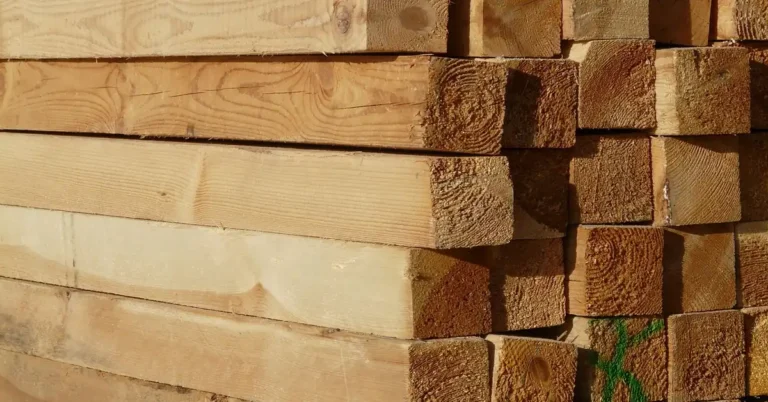
How to Treat Cypress Wood: Oil, Sealant & Paint Steps
To treat cypress wood, clean it with mild soap and water, then apply a penetrating oil or a water-repellent sealant — but old-growth heartwood already contains natural cypressene oil and technically doesn’t require chemical treatment. Skipping treatment on new-growth or sapwood cuts, though, lets moisture in faster and can cause premature graying or cracking. This guide covers cleaning and prep, choosing between oil, sealant, and paint, and how often to reapply each.
Not sure how it compares to other species first? Our complete wood types guide breaks down every option, and protecting cypress wood used for furniture follows the same core principles below.
Introduction To Cypress Wood
Best Cypress Wood Sealer
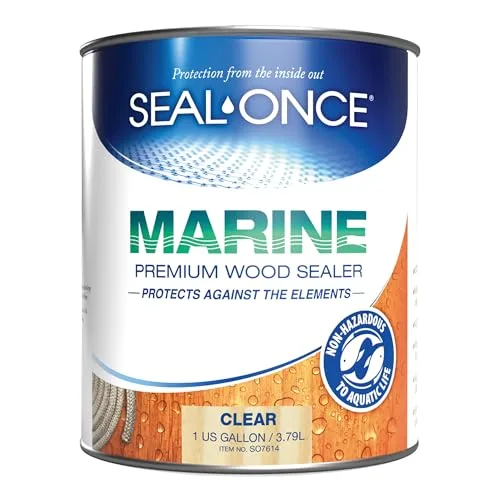
SEAL-Once Marine Penetrating Wood Sealer & Waterproofer
A clear, penetrating water-repellent sealer built for marine-grade exposure — the same category recommended for cypress decking and siding.
- Best for: outdoor cypress decks, fences, and siding
- Why we picked it: penetrates rather than sitting on the surface, keeps cypress’s natural color
- Main drawback: needs reapplication every 1-2 years like any penetrating sealer
Compare more cypress treatment options
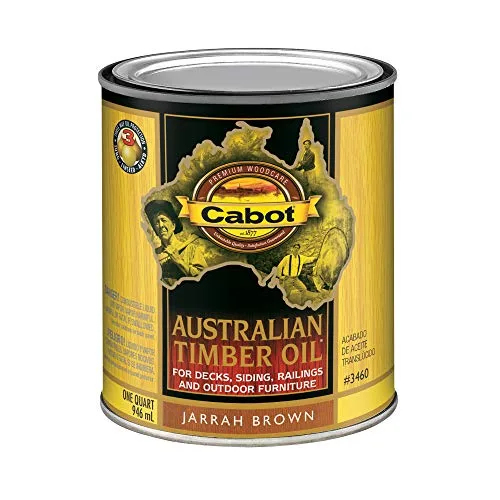 Option 1 Cabot Australian Timber Oil Stain
|
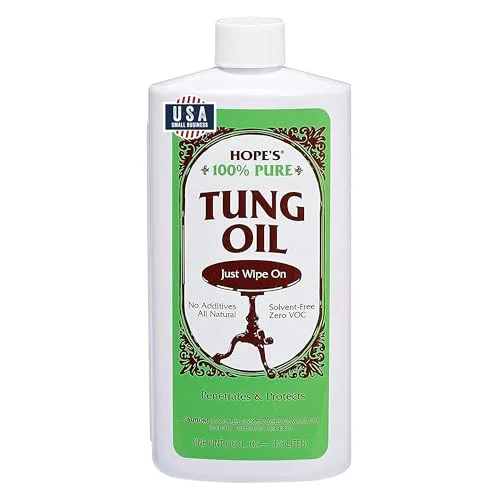 Option 2 Hope’s 100% Pure Tung Oil
|
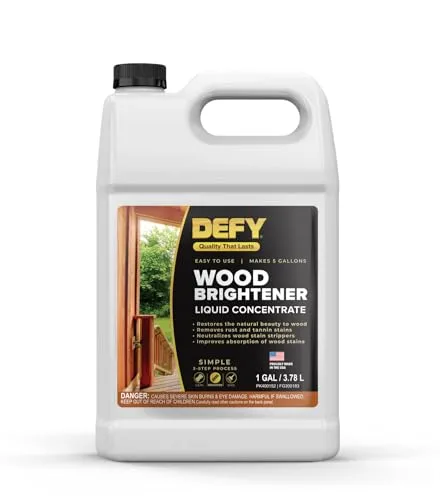 Option 3 DEFY Wood Brightener
|
As an Amazon Associate we earn from qualifying purchases.
Cypress wood is known for its durability and natural resistance to rot. This makes it ideal for outdoor projects. Its lightweight nature allows for easy handling and installation.
Another important feature is its natural oils. These oils protect the wood from insects. This wood can withstand harsh weather conditions, making it suitable for outdoor furniture.
| Characteristic | Benefit |
|---|---|
| Durability | Lasts longer in outdoor settings |
| Natural Resistance | Protects against rot and decay |
| Lightweight | Easy to transport and install |
| Natural Oils | Repels insects effectively |
📊 Cypress has a Janka hardness rating of 510 lbf and gets its rot resistance from a natural oil called cypressene — but only old-growth heartwood is rated “durable to very durable.” Wood from younger, fast-grown trees is only moderately durable and benefits more from treatment. Source: The Wood Database.
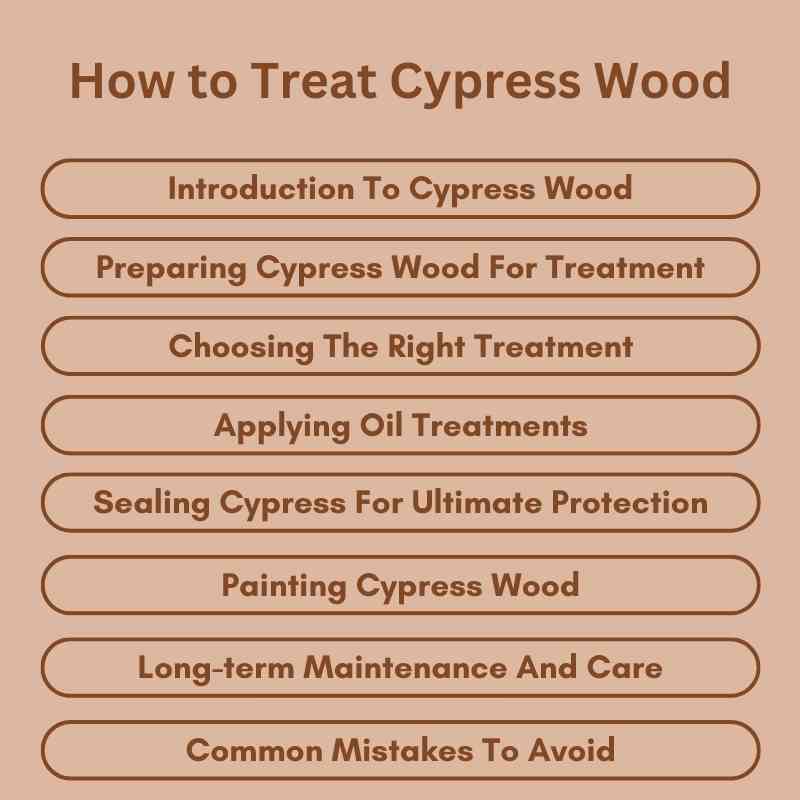
Preparing Cypress Wood For Treatment
Cleaning the surface of cypress wood is essential for treatment. Start by removing dirt and debris. Use a soft brush or a vacuum for this task. Afterward, wash the wood with mild soap and water. Rinse thoroughly and let it dry completely.
Sanding techniques help prepare the wood for treatment. Use fine-grit sandpaper to smooth the surface. Sand in the direction of the grain to avoid scratches. For hard-to-reach areas, consider using a sanding sponge. Always wear a dust mask to protect your lungs.
Choosing The Right Treatment
Choosing the right treatment for Cypress wood is important. Two main options are oil and sealant. Each has its benefits and uses.
Oil penetrates the wood, enhancing its natural beauty. It provides protection against moisture and UV rays. Regular application keeps the wood looking fresh.
Sealant forms a protective layer on the surface. It helps prevent water damage and scratches. Sealants are often easier to apply and maintain.
For those seeking eco-friendly options, consider plant-based oils. These oils are safe for the environment and effective. Look for sealants that are low in VOCs.
Both methods can protect your Cypress wood and extend its life. Choosing the right option depends on personal preference and specific needs.
How long each finish actually lasts varies a lot by type. According to Bob Vila, here’s roughly what to expect before recoating is needed:
| Finish Type | Typical Lifespan | Best For |
|---|---|---|
| Clear penetrating oil/stain | 1-3 years | Preserving natural grain and color |
| Semi-transparent stain | 3-5 years | Some color while grain stays visible |
| Solid-color stain | 5-10 years | More color coverage, hides aging |
| Exterior paint | 10-20 years | Maximum protection, full color change |
Sealer specifically should be reapplied to cypress decking and siding every 1 to 2 years, and always cleaned first with an exterior wood cleaner to remove dirt and mildew buildup — recoating over grime traps moisture underneath instead of blocking it.
Applying Oil Treatments
To apply oil treatments on cypress wood, follow these simple steps:
- Start with cleaning the wood surface.
- Ensure it is dry and free from dust.
- Use a brush or cloth to apply the oil.
- Cover all areas evenly for the best results.
- Allow the oil to soak into the wood for some time.
- Wipe off any excess oil with a clean cloth.
For maintenance, consider these tips:
- Reapply oil every 6-12 months.
- Store cypress wood in a dry place.
- Avoid excessive moisture exposure.
- Inspect regularly for damage or wear.
Sealing Cypress For Ultimate Protection
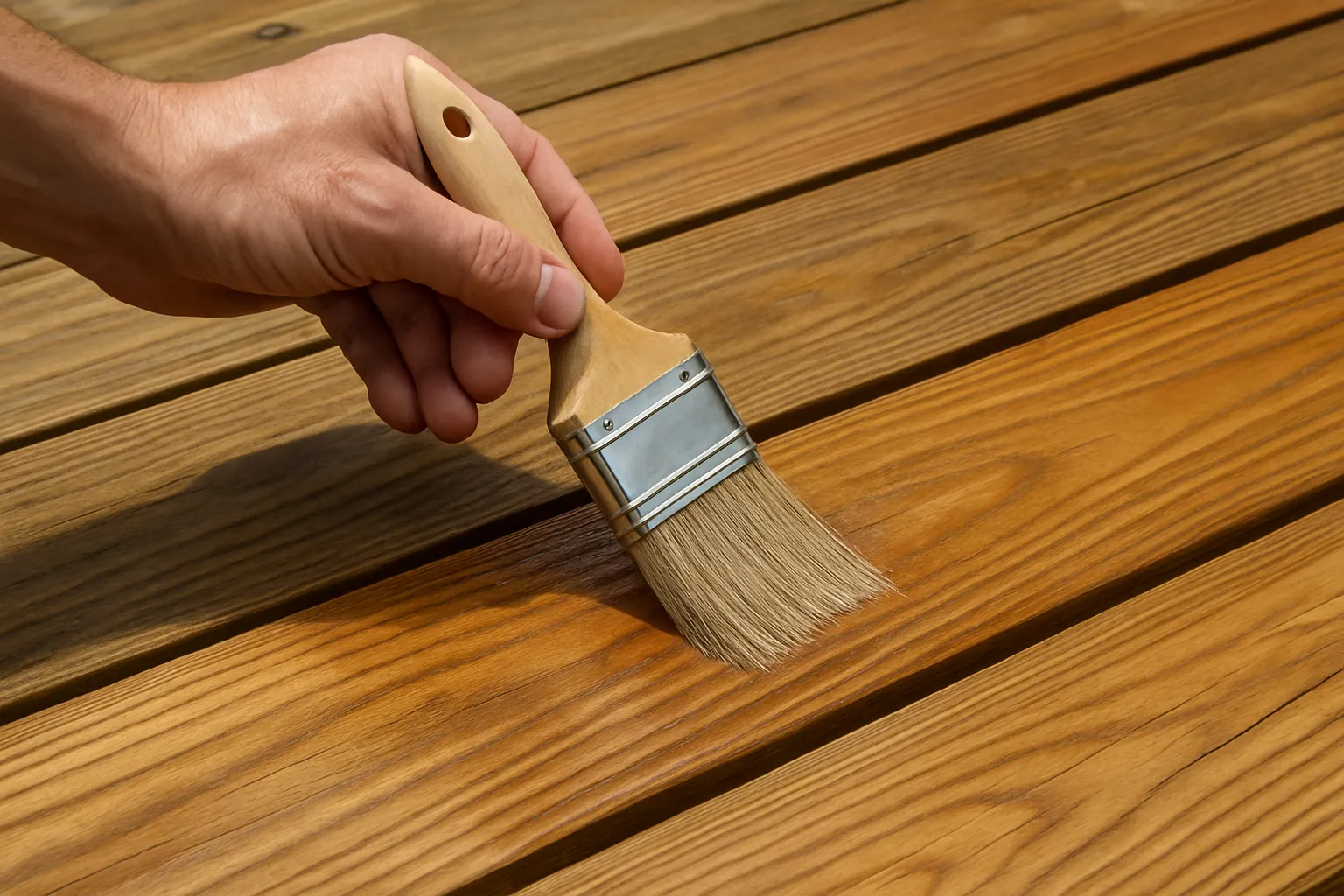
Sealing cypress wood is crucial for its long-term protection. Choose the best sealant to ensure durability. Look for waterproof and UV-resistant options. These features help keep the wood safe from moisture and sun damage.
Popular sealants include oil-based and water-based products. Oil-based sealants offer deep penetration and long-lasting results. Water-based sealants dry faster and are easier to clean. Both types provide excellent protection for cypress wood.
| Sealant Type | Advantages | Disadvantages |
|---|---|---|
| Oil-based | Deep penetration, long-lasting | Long drying time |
| Water-based | Fast drying, easy cleanup | May require more coats |
Follow the application process carefully. Clean the wood before applying the sealant. Use a brush or roller for even coverage. Allow adequate drying time between coats for the best results.
Painting Cypress Wood
Before painting cypress wood, proper preparation is key. Start by cleaning the wood surface. Use a mild detergent and water to remove dirt and debris. Make sure to let it dry completely. Sanding the surface helps the paint stick better. Use fine-grit sandpaper for a smooth finish.
Choosing the right paint is essential. Acrylic latex paint works well on cypress wood. It offers great durability and flexibility. Look for exterior-grade paint for outdoor projects. Always check the label for water resistance. This helps protect your wood from moisture damage.
Does Indoor Cypress Need the Same Treatment as Outdoor?
No. Interior cypress — trim, cabinetry, furniture — is typically finished with lacquer or varnish instead of an exterior sealant, and only needs occasional cleaning with mild soap and water plus a furniture polish. Since cypress is technically a softwood despite its hardwood-like strength, indoor pieces see far less UV and moisture stress, so 1-2 coats of interior finish typically lasts for years without recoating.
Long-term Maintenance And Care
To keep Cypress wood looking great, regular cleaning is essential. Use a soft brush or cloth to remove dirt and debris. Clean with a mixture of mild soap and water. Rinse well and let it dry completely. Avoid harsh chemicals that can damage the wood.
Reapplication of finishes is important for protection. Check the wood every six months. If you notice fading or wear, apply a new coat of finish. Use a high-quality wood sealer or stain. This helps maintain the wood’s natural beauty and durability.
| Task | Frequency |
|---|---|
| Regular Cleaning | Every month |
| Check for Wear | Every six months |
| Reapply Finish | As needed |
Common Mistakes To Avoid
Over-treatment of cypress wood can lead to damage. Too much sealant or stain makes the wood lose its natural beauty. Always apply products in thin layers. Let each layer dry before adding more.
Ignoring environmental factors can also cause problems. Cypress wood reacts to moisture and temperature changes. Place wood in a dry, stable area. Avoid direct sunlight to prevent warping or fading.
Check the humidity levels regularly. Too much moisture can lead to mold. On the other hand, very dry conditions may cause cracks. Protect your cypress wood by understanding its environment.
Frequently Asked Questions
How Do I Prepare Cypress Wood For Treatment?
To prepare cypress wood for treatment, start by cleaning it thoroughly. Remove any dirt, dust, or old finishes using a mild detergent. Sand the surface lightly to create a smooth texture. Ensure the wood is completely dry before applying any treatment for optimal absorption.
What Is The Best Treatment For Cypress Wood?
The best treatment for cypress wood includes using penetrating oils or sealers. These products enhance the wood’s natural beauty and protect it from moisture and UV damage. Look for products specifically formulated for outdoor wood to ensure durability and longevity in various weather conditions.
How Often Should I Treat Cypress Wood?
Sealant should be reapplied every 1 to 2 years, and oil-based treatments every 6 to 12 months, according to the Southern Cypress Manufacturers Association. The exact frequency depends on sun and rain exposure. Compare your board to cedar vs. cypress weathering patterns if you’re unsure whether graying means it needs re-treatment.
Can I Stain Cypress Wood After Treatment?
Yes, you can stain cypress wood after treatment. However, ensure the treatment has fully cured before applying stain. This allows for better adhesion and a more even finish. Choose a stain compatible with the treatment used for the best results.
Does Cypress Wood Actually Need to Be Treated?
Not always. Old-growth heartwood contains a natural rot-resisting oil called cypressene and can last decades untreated. But most cypress sold today is younger, fast-grown wood with less of that oil built up, so treatment still meaningfully extends its life and keeps its color from graying prematurely outdoors.
“Water-repellent preservatives prevent extractive bleed, decrease raised grain, slow down staining, improve paint adhesion, and inhibit mold growth — apply when temperatures are above 50°F and no rain is expected within 24 hours.”
Conclusion
Cypress wood is a beautiful choice for various projects. Proper treatment enhances its durability and appearance. Regular maintenance, including sealing and cleaning, keeps it looking great for years. By following these steps, you can ensure your cypress wood remains resilient against the elements.
Enjoy your woodworking projects with confidence!
Sponsored / affiliate links. As an Amazon Associate I earn from qualifying purchases. I may earn additional commission from eligible campaigns.