Do Carpenter Bees Eat Treated Wood?
Carpenter bees never eat wood, treated or not: they feed on flower nectar and pollen, and only drill into lumber to build nesting tunnels. Pressure treatment barely slows them down, since the chemicals target decay fungi and wood-eating insects, not bees that never ingest the wood in the first place. This guide covers what actually stops them, how deep their tunnels run, and how to repair the damage they leave behind.
Definition
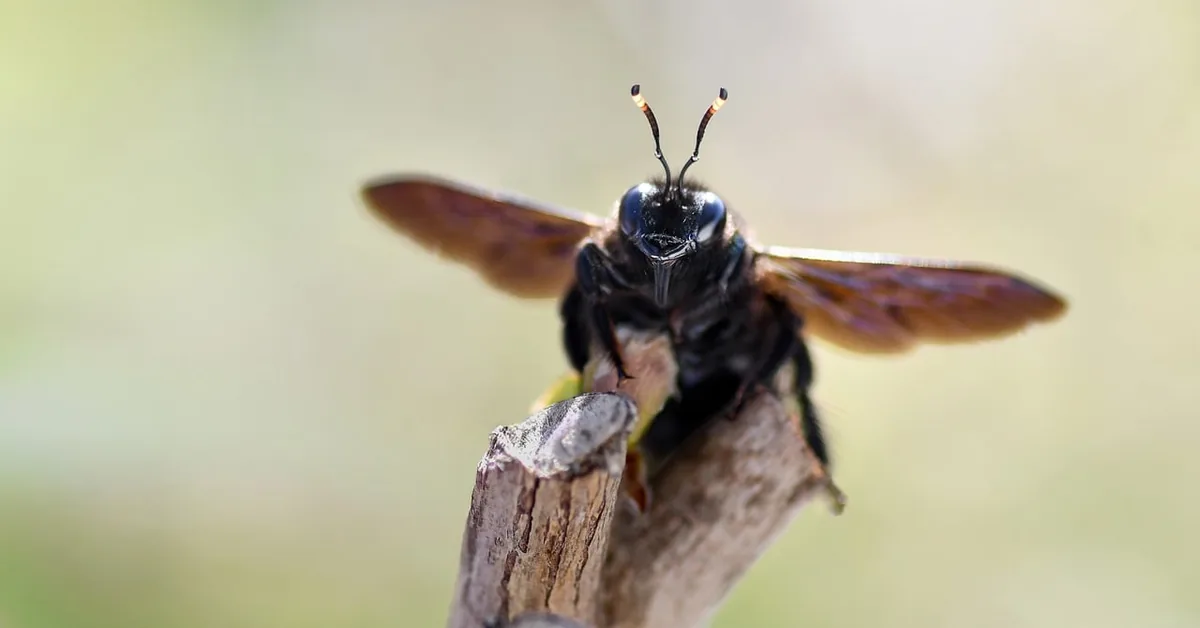
Carpenter bees (genus Xylocopa, about 9 species in the U.S.) are large solitary bees that excavate tunnels in wood for nesting rather than living in hives. The eastern carpenter bee (Xylocopa virginica) is the species most homeowners see, roughly 3/4 inch long with a shiny, hairless black abdomen – the easiest way to tell one apart from a fuzzy-bodied bumblebee.
What Do Carpenter Bees Actually Eat?
Best Carpenter Bee Deterrent Pick
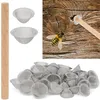
Carpenter Bee Hole Plugs (50-Pack, Stainless Steel)
Tapered stainless plugs that seal an abandoned entrance hole so it cannot be reopened and reused next spring.
- Best for: sealing old holes in treated deck posts, fascia, and eaves after the gallery is empty
- Why we picked it: stops the exact reuse pattern described above – a new female extending the previous tunnel
- Main drawback: only works on holes that are already vacant; treat active nests first
Compare more carpenter bee protection options
 Option 1 Varathane Spar Urethane Spray, Satin
|
 Option 2 Gorilla All Purpose Wood Filler
|
 Option 3 Ready Seal Stain and Sealer, Natural Cedar
|
As an Amazon Associate we earn from qualifying purchases.
Carpenter bees eat nectar and pollen from flowering plants, the same food source as honeybees and bumblebees. A female provisions each nesting cell with a mixed ball of pollen and regurgitated nectar, sometimes called “bee bread,” then lays a single egg on top and seals the cell with chewed wood pulp before starting the next one. The wood particles she chews out of the tunnel are discarded as coarse sawdust outside the entrance – they are never swallowed as food.
This is the detail most articles skip, and it is the reason treated wood cannot “poison” a carpenter bee the way it can slow down a termite or a fungus. Wood preservatives work by making the wood itself toxic or unpalatable to whatever is eating it. Carpenter bees are not eating it, so that mechanism never applies to them.
Why Carpenter Bees Bore Into Wood If They Do Not Eat It
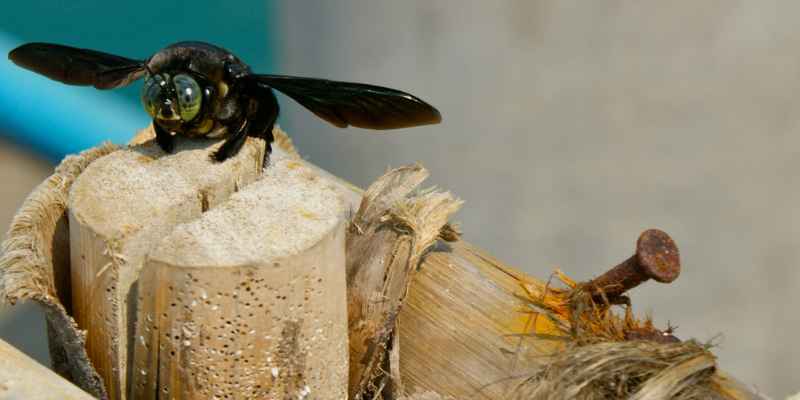
Female carpenter bees drill a nearly perfect round entrance hole, about 1/2 inch across, then tunnel straight in for 1 to 2 inches before making a sharp 90-degree turn to follow the wood grain. From that elbow, the main gallery runs another 4 to 12 inches, divided into a row of individual brood cells. Left alone, the same tunnel gets reused and extended by new females each spring – nests documented by entomologists have reached 10 feet of combined tunnel length after years of reuse.
📊 A single carpenter bee entrance hole is about 1/2 inch in diameter, but the gallery behind it can run 4-12 inches on a first-year nest and up to 10 feet after several seasons of reuse. – Source: Penn State Extension, University of Kentucky Entomology
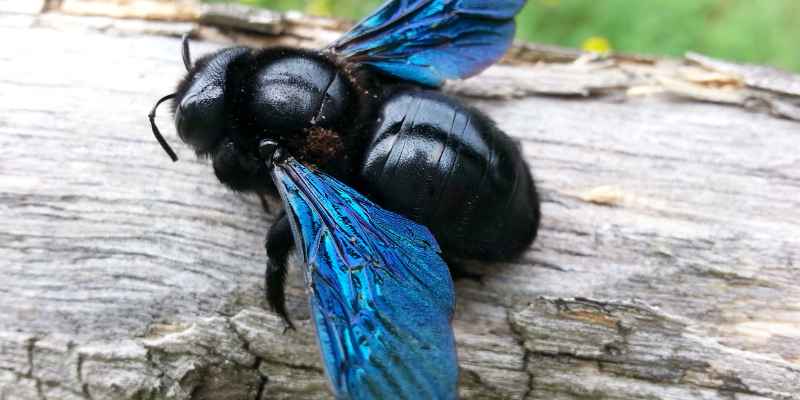
In the shop, the giveaway that a tunnel has been reused for more than one season is not the size of the entrance hole – it is finding a second or third hole drilled a few inches away from the first, angled to intersect the same gallery instead of starting a fresh one. That is a new female extending an existing nest rather than a fresh infestation, and it is why plugging one entrance without treating the whole board rarely solves the problem for good.
Does Pressure-Treated Wood Actually Stop Carpenter Bees?
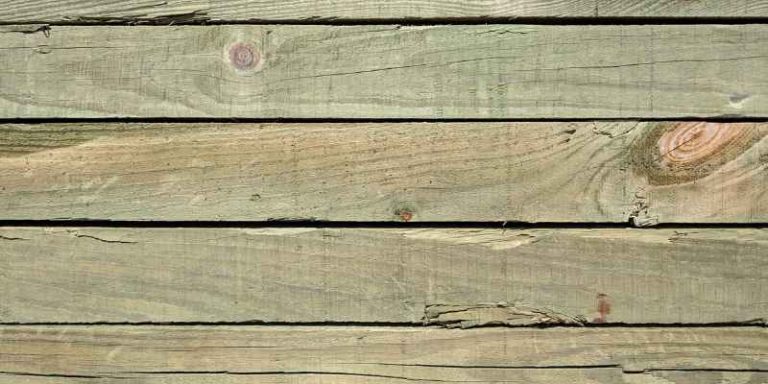
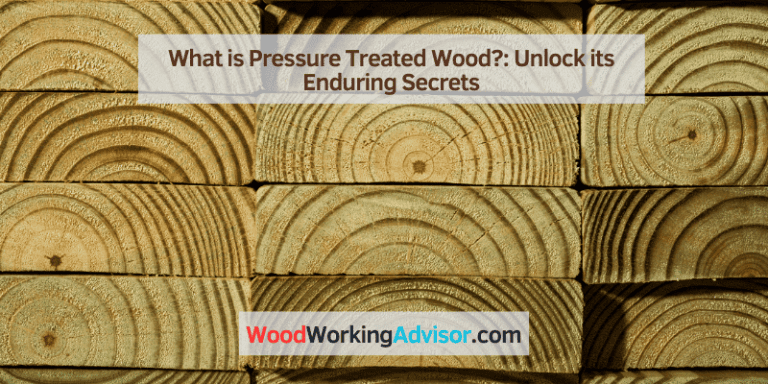
Not reliably. Pressure treatment forces preservative chemicals into the wood to kill decay fungi and insects that eat the wood – termites, powderpost beetles, carpenter ants tunneling through rotted sections. Carpenter bees do not eat the wood, so the toxic-to-eat mechanism has nothing to act on. What treatment does change is density and scent: treated lumber is heavier and its natural resin smell is masked, which makes it a lower priority than bare cedar or pine sitting a few feet away. If nothing better is available, carpenter bees will drill into pressure-treated lumber without hesitation.
How well each wood protection method actually deters carpenter bees
| Protection Method | Stops Carpenter Bees? | Why |
|---|---|---|
| Bare, unpainted softwood (cedar, pine, cypress, redwood) | No – top target | Soft grain, strong scent, easiest to excavate |
| Pressure-treated lumber | Rarely | Denser and less fragrant, but chemicals do not repel or kill bees that never eat the wood |
| Borate-treated wood | Rarely | Targets decay fungi and chewing/eating insects, not a boring-only pest |
| Painted or varnished surface (oil-based or polyurethane) | Yes – most reliable | Hard, slick coating gives mandibles nothing to grip or chew into |
| Black locust (naturally dense hardwood) | Yes | Hardens further with age; too tough for their mandibles |
What Wood Do Carpenter Bees Prefer (and Avoid)?
Bare, weathered softwoods are the clear favorite: redwood, cedar, cypress, and pine, roughly in that order of preference in most extension surveys. These species are soft enough to excavate quickly and carry a scent that seems to attract females looking for a nest site. Hardwoods are a distant second choice and are usually only attacked when no softwood is available nearby.
Black locust is the closest thing to a carpenter-bee-proof wood. It starts dense and gets harder as it ages and dries, and multiple pest-control sources note the bees will bore everything else on a property before touching it. If you are replacing a fence post or a pergola beam specifically because of repeat carpenter bee damage, it is worth the extra cost.
Do Carpenter Bees Attack Composite or Vinyl Decking?
No. Composite decking and vinyl trim are not wood – they are plastic-and-fiber blends the bees cannot chew through, so they will not drill into them. The catch is that carpenter bees still investigate the underside of composite deck boards and any exposed real-wood joists, ledger boards, or railing posts nearby, so switching only the visible decking will not remove the problem if the substructure underneath is still bare pine or fir.
How to Protect Treated Wood From Carpenter Bees
- Paint or varnish every exposed face. A full coat of oil-based paint or polyurethane, including board ends and undersides, is the single most effective step – see the comparison table above.
- Fill and paint over old holes. Vacant tunnels left unfilled get reused and extended by the next generation. Pack the gallery with wood filler rated for treated lumber, sand flush, then prime and paint.
- Treat active nests before sealing them. Apply insecticidal dust into an occupied hole in the early evening when the female is inside, wait 24 to 48 hours, then plug and paint the entrance.
- Inspect eaves, fascia, and deck framing every spring. Fresh sawdust piled beneath a hole means an active nest; a coarse hum near a board on a warm day is another early sign.
- Prioritize bare, unpainted softwood for treatment first. Cedar and pine fascia boards, unpainted deck rails, and playset lumber are the highest-risk targets on most properties.
Common Mistakes When Dealing With Carpenter Bees in Treated Wood
- Assuming pressure-treated lumber is bee-proof. As the comparison table shows, treatment alone rarely stops them – paint or varnish is what actually works.
- Plugging a hole without treating the gallery first. Sealing an occupied tunnel traps the bee inside, and she will often chew a second exit hole a few inches away rather than dying in place.
- Ignoring old, silent holes. An empty-looking hole is still an open invitation for the next generation of females, and woodpeckers will often enlarge abandoned galleries hunting for larvae, causing more damage than the bees did.
- Painting over an active nest. Paint blocks re-entry but does not kill anything already inside; treat first, then seal once the tunnel is confirmed empty.
Related Carpenter Bee Guides
For more on how these tunnels form and who is doing the drilling, see our guides on how carpenter bees drill such clean holes, whether males or females do the drilling, and how cedar compares to pressure-treated wood for outdoor projects in bee-prone areas. Browse the full treated wood category for more pressure-treated lumber guides.
Frequently Asked Questions
Do carpenter bees eat treated wood?
No. Carpenter bees never eat wood of any kind, treated or untreated. They feed on flower nectar and pollen, and only bore into wood to excavate nesting tunnels for their eggs.
Do carpenter bees nest in treated wood?
Yes, they can and often do. Pressure treatment makes wood denser and less fragrant, which lowers its priority compared to bare softwood, but the preservative chemicals do not repel or kill carpenter bees since they never ingest the wood.
What wood do carpenter bees avoid?
Black locust is the most bee-resistant common wood – it is dense, hardens further with age, and multiple pest-control sources note carpenter bees will attack nearly everything else on a property before touching it. Painted or varnished wood of any species is also avoided.
Do carpenter bees eat composite or vinyl decking?
No. Composite and vinyl are not wood, so carpenter bees cannot chew through them. They may still nest in any real-wood joists, ledger boards, or railing posts underneath or nearby.
Does painting treated wood stop carpenter bees?
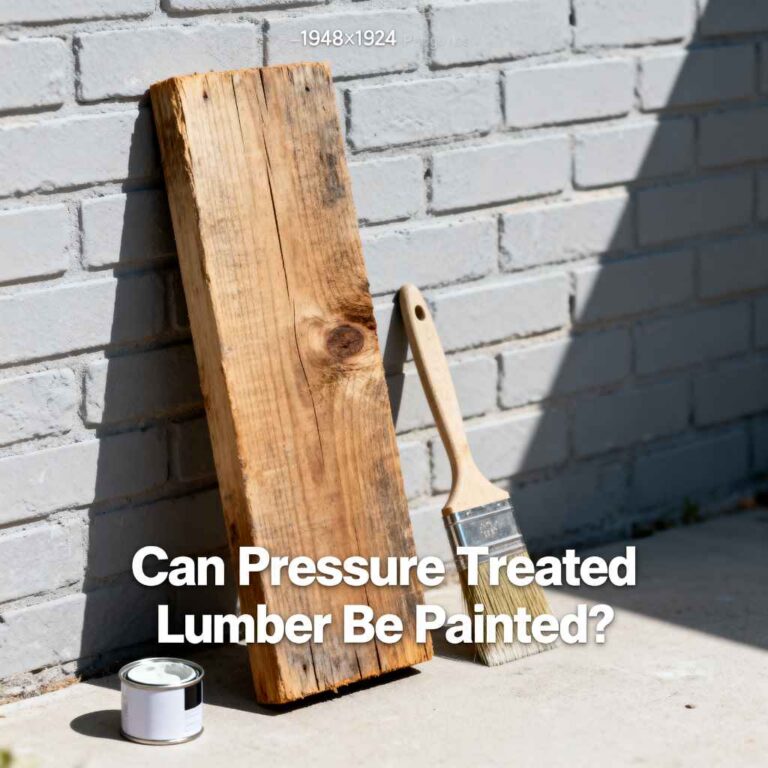
Yes – a full coat of oil-based paint or polyurethane over pressure-treated wood is the single most reliable deterrent, since the hard coating gives the mandibles nothing to grip or chew into.
How deep do carpenter bee tunnels go?
The entrance hole is about 1/2 inch across. It runs straight in for 1 to 2 inches, turns 90 degrees to follow the grain, then continues as a gallery of 4 to 12 inches on a new nest. Reused nests can extend up to 10 feet after several years.
Conclusion
Carpenter bees do not eat treated wood, or any wood – they eat nectar and pollen, and drill tunnels purely to nest. Pressure treatment alone rarely stops them, since the preservatives target decay fungi and wood-eating insects rather than a species that never ingests the wood. A painted or varnished surface, filled and repainted old holes, and black locust for the highest-risk boards are what actually keep them out.
Sponsored / affiliate links. As an Amazon Associate I earn from qualifying purchases. I may earn additional commission from eligible campaigns.