Cast Iron Vs Steel Wood Stove: Ultimate Heat Efficiency Showdown
Are you trying to choose the perfect wood stove for your home? The battle between cast iron and steel wood stoves can feel confusing.
Each material promises warmth, durability, and style—but which one truly fits your needs? By understanding the key differences, you can make a smart choice that keeps your space cozy and comfortable all winter long. Keep reading to discover what sets cast iron and steel wood stoves apart—and find the ideal option for your home.
Cast Iron Wood Stoves
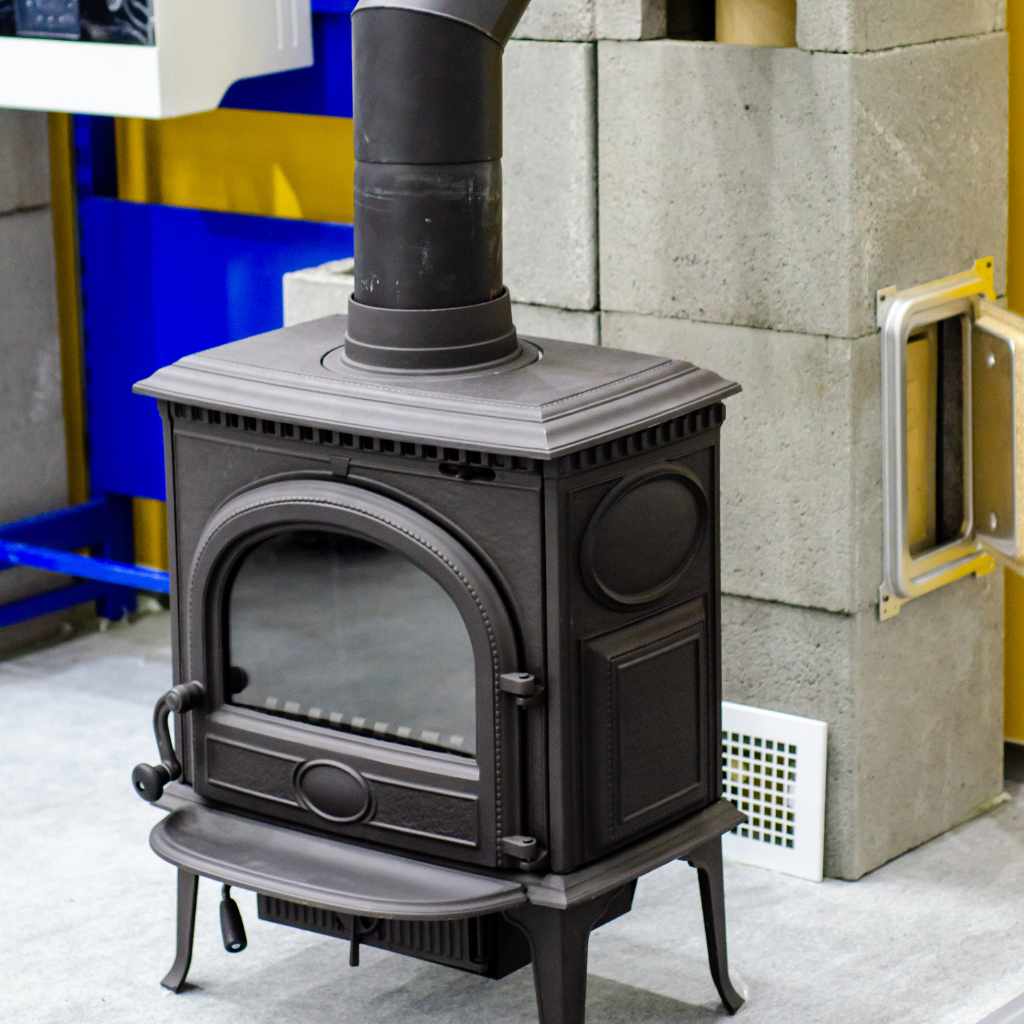
Cast iron wood stoves have been a popular choice for heating homes for many years. They offer a classic look and strong build that many homeowners trust. These stoves work well in many settings, providing steady and reliable heat. Their unique material gives them special qualities that affect how they perform and last.
Material Properties
Cast iron is a type of metal made by melting iron and adding carbon. It is hard and heavy. This makes cast iron stoves strong and able to handle high temperatures. The metal can absorb and spread heat evenly across the stove’s surface. Cast iron also resists rust better than many other metals.
Heat Retention
Cast iron stoves hold heat for a long time. Once hot, they continue to give off warmth even after the fire dies down. This helps keep rooms warm for hours. The thick walls of cast iron store heat well. This makes heating more efficient and comfortable in cold weather.
Durability And Maintenance
Cast iron stoves last for decades when cared for properly. They resist cracks and damage from heat changes. Regular cleaning of ash and soot keeps them working well. Some owners apply stove polish to prevent rust. These stoves need less repair than other types.
Design And Aesthetics
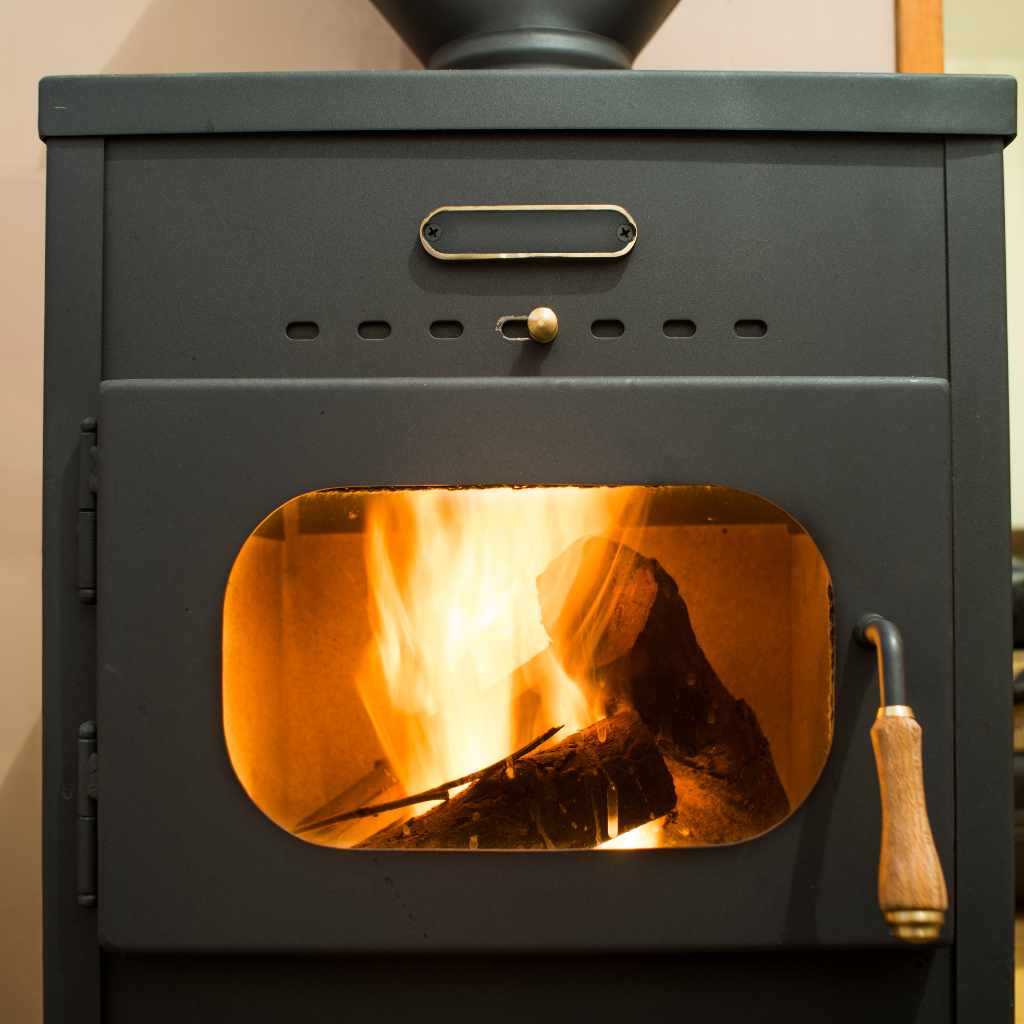
Cast iron stoves come in many styles. Classic designs often feature ornate details and curves. Their dark, matte finish fits well in rustic or traditional homes. Some models have glass doors to view the fire. The heavy look adds charm and a cozy feel to any room.
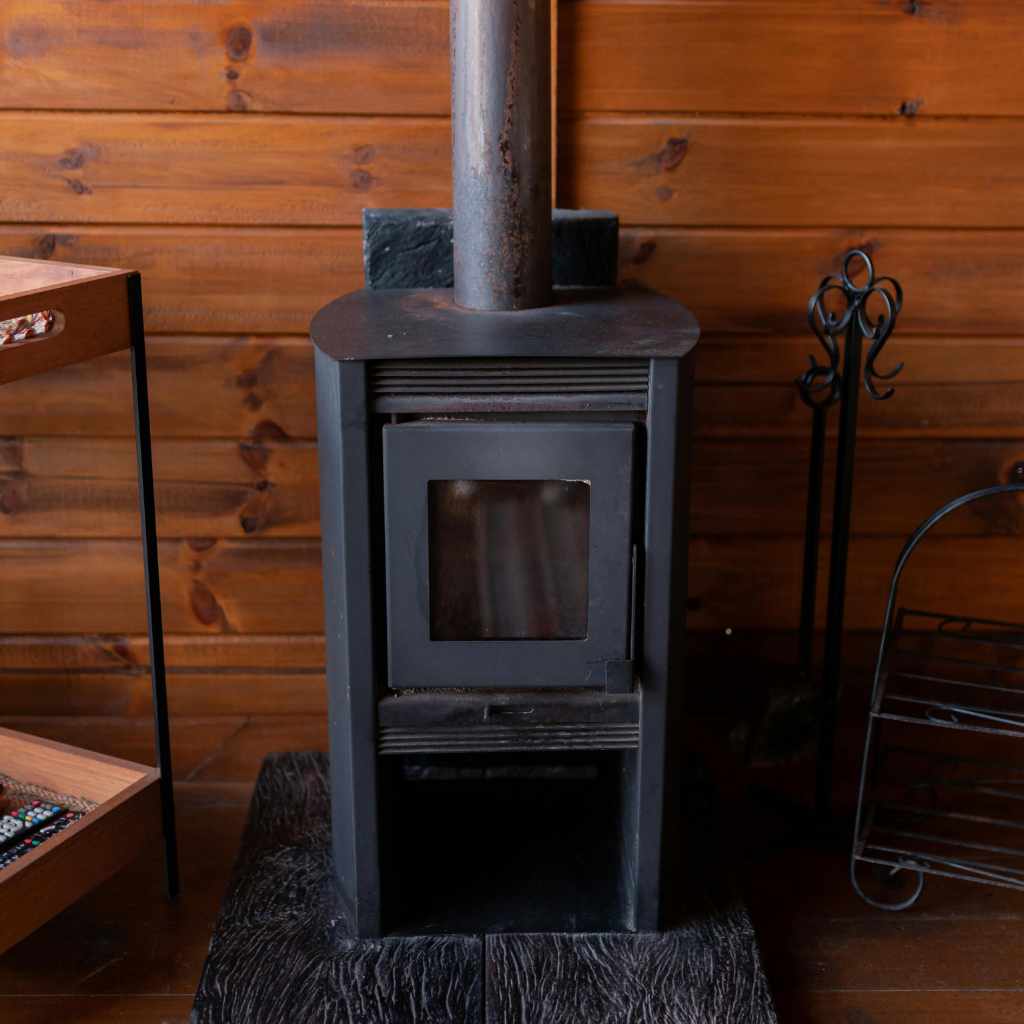
Steel Wood Stoves
Steel wood stoves offer a modern, practical option for heating your home. They are built with strong steel plates, making them durable and efficient. Many people choose steel stoves for their quick heating and sleek designs. Understanding their features helps pick the right stove for your needs.
Material Characteristics
Steel stoves are made from thick steel sheets. Steel heats up fast and spreads heat quickly. It is less brittle than cast iron, so it can handle impacts better. Steel resists cracking under high temperatures. The material allows for thinner walls, saving weight and space.
Heat Up And Cool Down Times
Steel wood stoves heat up quickly after lighting the fire. They also cool down faster once the fire dies out. This makes steel stoves good for short heating periods. You get warmth fast but must keep the fire going for steady heat. Steel’s quick heat change helps control room temperature easily.
Strength And Longevity
Steel stoves are very strong and can last many years. They do not crack easily like some other materials. Over time, steel may show rust if not cared for well. Regular cleaning and maintenance help keep steel stoves in good shape. Their toughness makes them a reliable choice for daily use.
Style Variations
Steel stoves come in many shapes and sizes. The metal’s flexibility allows for modern, sharp designs. You can find stoves with glass doors for a clear fire view. Some models include extra features like ash pans or blower fans. Steel stoves fit well in both traditional and modern homes.
Heat Efficiency Comparison
Heat efficiency is a key factor in choosing between cast iron and steel wood stoves. It affects how fast the stove warms your room and how long the heat lasts. Understanding the differences helps you pick the right stove for your needs.
Initial Heat Output
Steel stoves heat up quickly. They reach a high temperature soon after lighting the fire. This makes the room warm fast. Cast iron stoves take longer to heat. The metal absorbs heat slowly but holds it well.
Sustained Warmth
Cast iron keeps warmth for a long time. It releases heat evenly even after the fire dies down. Steel cools faster once the fire stops. It does not store heat like cast iron does.
Fuel Consumption
Steel stoves burn wood faster because of quick heating. This may mean using more wood. Cast iron stoves use wood more efficiently. They need less wood to keep the room warm.
Environmental Impact
Using less wood lowers pollution and saves trees. Cast iron stoves tend to be more eco-friendly due to better fuel use. Steel stoves may create more smoke if wood burns too fast. Efficient burning means less smoke and cleaner air.
Installation And Space Considerations
Choosing between a cast iron and steel wood stove means thinking about installation and space. These stoves differ in size, weight, and how much room they need. Proper setup makes sure your stove works safely and efficiently. This section covers important points to consider before installation.
Weight And Placement
Cast iron stoves are usually heavier than steel ones. Their solid build needs a strong floor. Steel stoves are lighter and easier to move. You can place them on floors with less support. Think about the floor type and where the stove fits best.
Clearance Requirements
Both stoves need space around them to stay safe. Cast iron models often need more distance from walls. Steel stoves may have smaller clearance needs. Check the stove manual for exact measurements. Keep flammable materials far from the stove sides and back.
Ventilation Needs
Good ventilation is key for both stove types. Proper airflow helps the fire burn clean and steady. Cast iron stoves can hold heat longer, needing careful vent planning. Steel stoves heat up fast but cool down quicker. Make sure your chimney or flue is clear and sized right.
Cost And Value
Choosing between cast iron and steel wood stoves depends a lot on cost and value. This section breaks down the main expenses and benefits. You will find simple facts to help decide what suits your budget and needs.
Purchase Price
Cast iron stoves usually cost more at the start. They require more material and detailed work. Steel stoves are often cheaper. They are lighter and easier to make. The price difference can be noticeable. Think about your budget and how long you want the stove to last.
Maintenance Costs
Steel stoves need less care over time. They resist rust better with good paint. Cast iron stoves can crack or chip. You may spend more on repairs. Both types need regular cleaning. Check for ash and soot often. This keeps them working well and safe.
Resale Value
Cast iron stoves keep value well. They are seen as classic and durable. Steel stoves may lose value faster. Newer models and designs come out often. A well-kept cast iron stove can be sold for a good price. Steel stoves might sell lower but easier to replace.
User Experience And Preferences
User experience plays a big role in choosing between cast iron and steel wood stoves. How easy the stove is to use, clean, and maintain affects daily life. The look of the stove also matters to many users. Hearing real customer opinions helps understand which type fits best.
Ease Of Use
Cast iron stoves heat up slowly but hold warmth longer. Steel stoves warm up fast and cool down quickly. Users often find steel stoves easier to control for quick heat. Cast iron needs more time to adjust the temperature. Loading wood and managing air vents are simple on both types.
Cleaning And Upkeep
Cast iron stoves need gentle cleaning to avoid damage. Rust can form if not cared for well. Steel stoves resist rust better but can dent more easily. Both types require regular ash removal. Steel stoves usually need less frequent maintenance.
Aesthetic Appeal
Cast iron stoves offer a classic, old-fashioned look. They often have detailed designs and a sturdy feel. Steel stoves have a modern, sleek style. They come in smooth shapes and various colors. The stove’s look can match either a traditional or modern home.
Customer Reviews
Many users like cast iron for its long-lasting heat and classic style. Some say it takes patience to use well. Steel stove owners praise fast heating and easy cleaning. A few mention steel stoves cool too fast. Reviews help reveal real strengths and weaknesses.
Choosing The Right Stove
Choosing the right wood stove is key for a warm and cozy home. Both cast iron and steel stoves have strong points. Knowing your needs helps pick the best option. Think about your home size, heating needs, budget, and style. These factors guide your choice clearly.
Home Size And Insulation
Large homes need stoves with strong heat output. Cast iron stoves keep heat longer. They slowly warm big rooms. Steel stoves heat up fast but cool quickly. Well-insulated homes need less heat. Smaller homes work well with steel stoves. Match stove size to room size for best heat.
Heating Needs
Cast iron stoves provide steady, long-lasting warmth. They suit cold winters and long heating hours. Steel stoves reach high heat fast. Ideal for quick warmth or short use. Think about how often you heat your home. Choose a stove that fits your daily needs.
Budget Constraints
Steel stoves usually cost less upfront. They offer good value for tight budgets. Cast iron stoves tend to be pricier. They last longer and hold heat well. Factor in maintenance and fuel costs. Spending more now can save money later.
Personal Style
Cast iron stoves have classic, traditional looks. They add charm to rustic or vintage homes. Steel stoves come in modern, sleek designs. They fit contemporary spaces nicely. Pick a stove that matches your home’s style. The right look makes your space inviting.
Frequently Asked Questions
What Are The Main Differences Between Cast Iron And Steel Stoves?
Cast iron stoves heat evenly and retain warmth longer. Steel stoves heat up quickly and cool faster. Cast iron is heavier and more durable. Steel stoves are lighter and often more affordable. Both materials offer efficient heating but differ in heat retention and weight.
Which Stove Type Is Better For Heat Retention?
Cast iron stoves are better for heat retention. They absorb and radiate heat evenly over time. Steel stoves heat quickly but lose warmth faster. If you want consistent, long-lasting heat, cast iron is the best choice for your wood stove.
Are Steel Wood Stoves More Durable Than Cast Iron?
Cast iron is generally more durable due to its thickness. Steel stoves can be durable but may warp under extreme heat. Proper maintenance extends the lifespan of both types. Cast iron typically offers greater longevity for heavy, long-term use.
How Does Cost Compare Between Cast Iron And Steel Stoves?
Steel stoves are usually less expensive than cast iron models. Cast iron stoves cost more due to material and manufacturing. Both provide efficient heating, but budget considerations often favor steel. Choose based on your budget and heating needs.
Conclusion
Both cast iron and steel wood stoves have clear benefits. Cast iron holds heat longer and looks classic. Steel heats up faster and is often lighter. Choose based on your heating needs and style. Think about how long you want warmth to last.
Consider the stove’s weight and how it fits your space. Either choice can keep your home cozy and warm. It all depends on what matters most to you.