How to Remove Stickers From Painted Metal (Fresh vs. Old Decals)
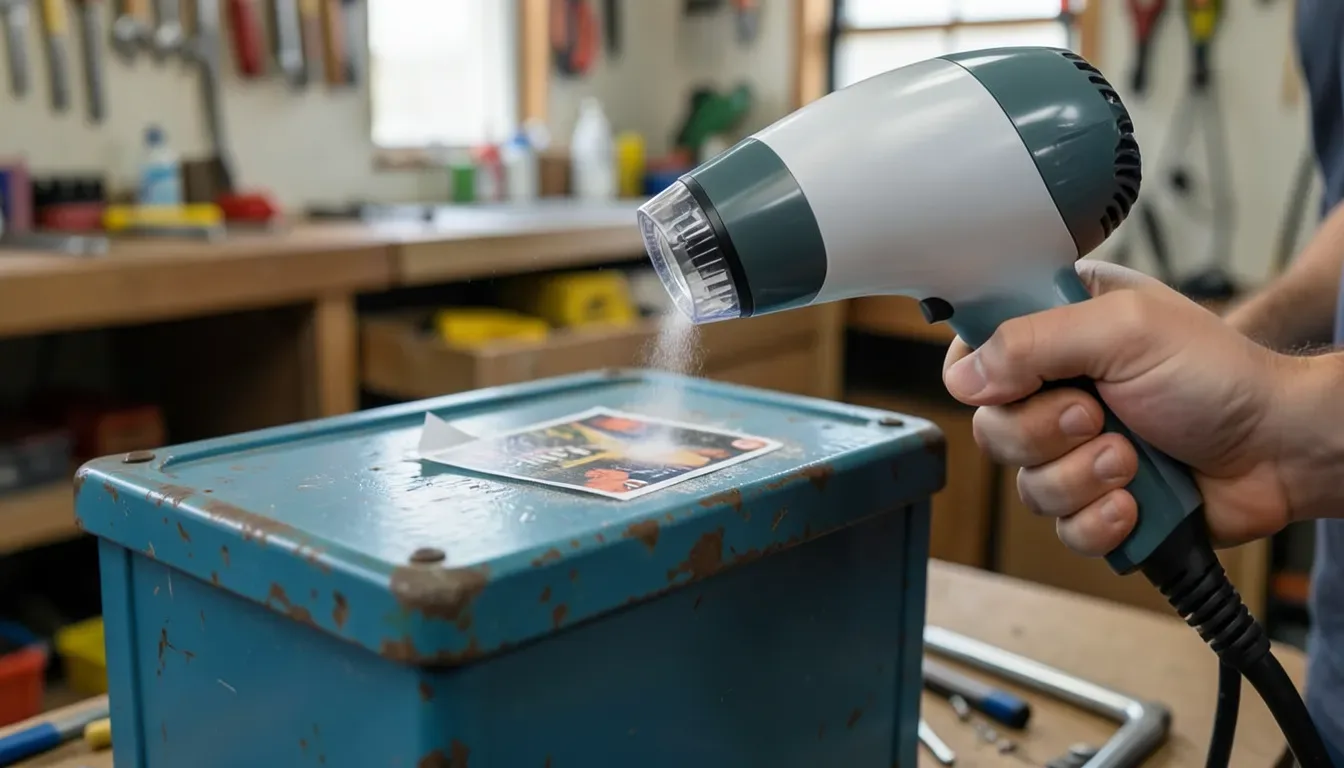
For most stickers on painted metal, warm the sticker with a hairdryer for 30-60 seconds, then peel slowly from one corner at a low angle — heat softens the adhesive without any chemical risk to the paint. For old, sun-baked decals where heat alone isn’t enough, a citrus-based adhesive remover (not acetone or paint thinner) breaks down hardened residue safely.
Fresh Sticker vs. Old Sun-Baked Decal: Different Problems
Best Adhesive Remover Safe for Painted Surfaces
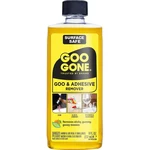 |
Goo Gone Adhesive Remover, 8 fl oz – $7.85 A citrus-solvent formula strong enough for hardened, sun-baked adhesive without the paint-stripping risk of acetone.
|
A sticker applied recently still has soft, tacky adhesive — heat alone is usually enough because you’re just re-softening glue that hasn’t fully cured yet. A decal that’s been baked by sun and heat for months or years has adhesive that has oxidized and hardened, closer to a dried varnish than a tacky glue. Heat still helps here, but it often needs longer exposure and a solvent to actually dissolve the hardened bond rather than just soften it. Trying the heat-only method on a years-old decal and giving up when it doesn’t peel easily is the most common reason people think their sticker is “impossible” to remove — it’s not impossible, it’s just the wrong method for that adhesive’s condition.
Method 1: Heat (Best First Try, Zero Chemical Risk)
- Hold a hairdryer on medium heat a few inches from the sticker, moving it slowly and evenly for 30-60 seconds.
- Test a corner: if it lifts easily, continue peeling slowly at a low angle, reheating any spot that resists.
- If it’s not budging after a minute of heat, stop and move to a solvent rather than cranking the heat higher — excess heat risk (paint bubbling or discoloring) rises faster than removal success on a truly hardened decal.
Method 2: Citrus Solvent for Hardened Residue
- Test the solvent on a small hidden spot of painted metal first and wait a few minutes to confirm the paint doesn’t soften, dull, or change color.
- Apply the solvent to the sticker or leftover residue and let it sit 5-10 minutes so it has time to actually penetrate hardened adhesive, not just sit on the surface.
- Wipe or gently scrape with a plastic scraper — never metal, which can scratch through paint that a solvent has already slightly softened.
- Wash the area with mild soap and water to remove oily residue, since most citrus-based removers leave a film behind that attracts dust if left on.
Stick to products specifically labeled safe for painted or automotive surfaces. Acetone, lacquer thinner, and most nail polish removers are too aggressive for most consumer and automotive paints and can dull, soften, or strip the finish — that risk applies whether the surface is a car body, an appliance, a toolbox, or a painted metal sign.
Method 3: Household Oils (Gentlest Option)
Cooking oil or olive oil works on lighter, fresher adhesive by the same principle as a commercial solvent — it penetrates and loosens the glue’s bond, just more slowly and gently. Apply, let sit 10-15 minutes, then peel and wash off the oily residue with soapy water. This is a reasonable first attempt on delicate or antique painted surfaces where you want to avoid any solvent at all, but expect to reach for heat or a real adhesive remover if the sticker is older or larger.
Why Metal Scrapers Are a Bad Idea Here
A metal blade or razor can cut through a painted finish in one careless pass, and painted metal (unlike bare wood, which can often be sanded and refinished locally) usually means a repaint of the whole panel or piece to fix a scratch, not a quick spot touch-up. A plastic scraper, an old gift card, or a fingernail applies enough force to lift softened adhesive without the risk of gouging through multiple layers of paint and primer down to bare metal.
Frequently Asked Questions
How do you remove an old, sun-baked sticker from painted metal?
Old, hardened decal adhesive usually needs more than heat alone. Apply heat first to soften what you can, then use a citrus-based adhesive remover labeled safe for painted surfaces on the remaining hardened residue, letting it sit 5-10 minutes before gently scraping with a plastic tool.
Is it safe to use WD-40 on painted metal stickers?
Generally yes for loosening adhesive, but test an inconspicuous spot first since WD-40 can affect certain paint finishes over prolonged contact. A dedicated adhesive remover labeled safe for painted or automotive surfaces is a more predictable choice if you have one on hand.
Can heat damage painted metal when removing stickers?
Yes, if it’s excessive or concentrated in one spot too long — this can bubble or discolor paint. Use a medium heat setting, keep the heat source moving, and stop after about a minute if the sticker isn’t responding rather than increasing the heat further.
What household items remove sticker residue from metal?
Rubbing alcohol, white vinegar, and cooking oil all work on lighter residue by dissolving or loosening the adhesive. For older, hardened residue, these household options are gentler but slower than a dedicated citrus-based adhesive remover.
Conclusion
Start with heat every time — it’s free, fast, and carries zero risk to the paint. Reach for a citrus-based solvent only when the sticker is old enough that its adhesive has hardened past what heat alone can soften, and always keep metal blades away from a painted surface regardless of which method gets you there.
Sponsored / affiliate links. As an Amazon Associate I earn from qualifying purchases. I may earn additional commission from eligible campaigns.