Cedar vs Pressure Treated Wood Differences Explained
Figuring out the differences between Cedar vs Pressure Treated Wood: Key Differences can be a little tricky when you’re starting out. It’s like trying to pick the right tool for a project; you want something that lasts and looks good. Don’t worry, though; it’s easier than you might think. This guide will break down the pros and cons of each type of wood in simple steps, so you’ll know exactly which one is best for your next build. Let’s get started!
What Sets Cedar and Pressure Treated Wood Apart?
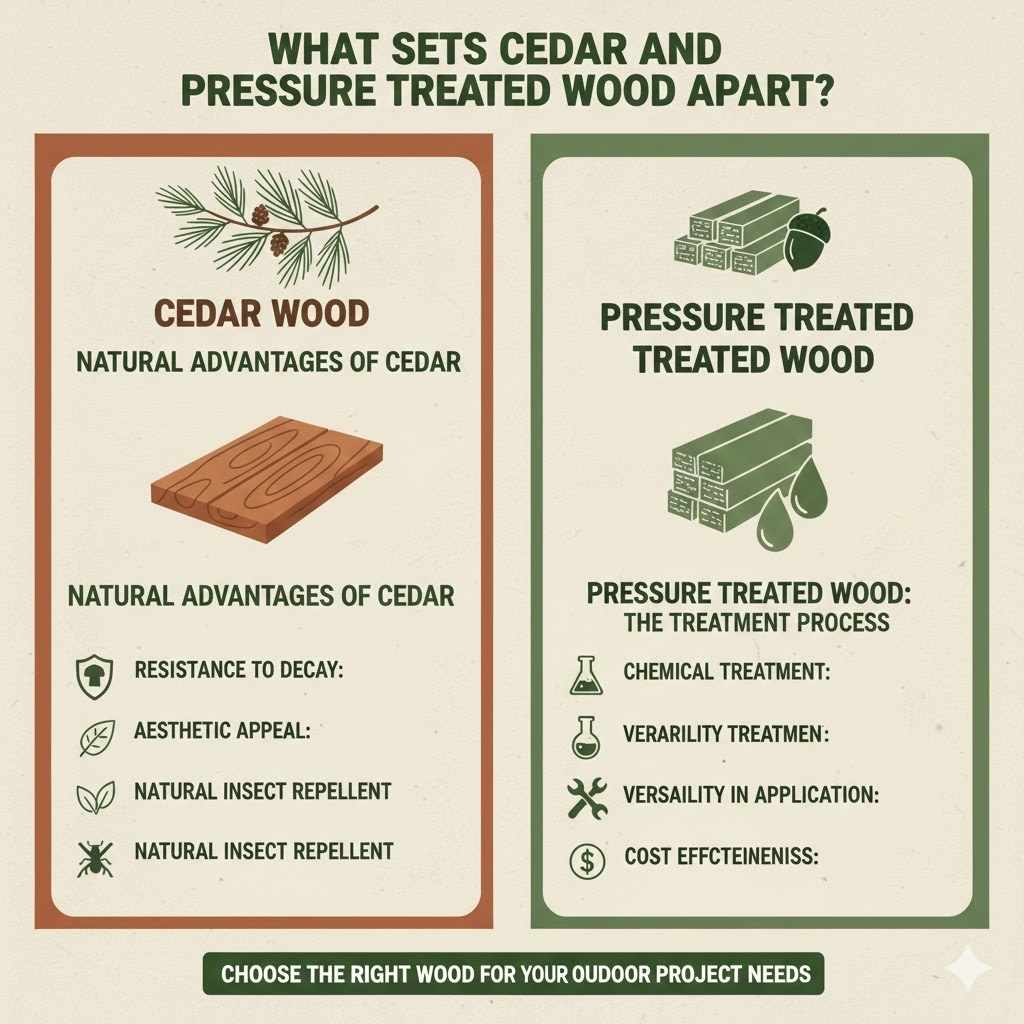
When you’re building something outside, like a deck or fence, picking the right wood is super important. The two most popular choices are cedar and pressure-treated wood. Each has its own strengths and weaknesses. Cedar is known for its natural beauty and resistance to rot, while pressure-treated wood is prized for its affordability and ability to stand up to the elements. This section will look at the main features of both, helping you grasp what makes them distinct. We’ll cover where they are most helpful, from their physical features to how they handle different kinds of problems.
Natural Advantages of Cedar
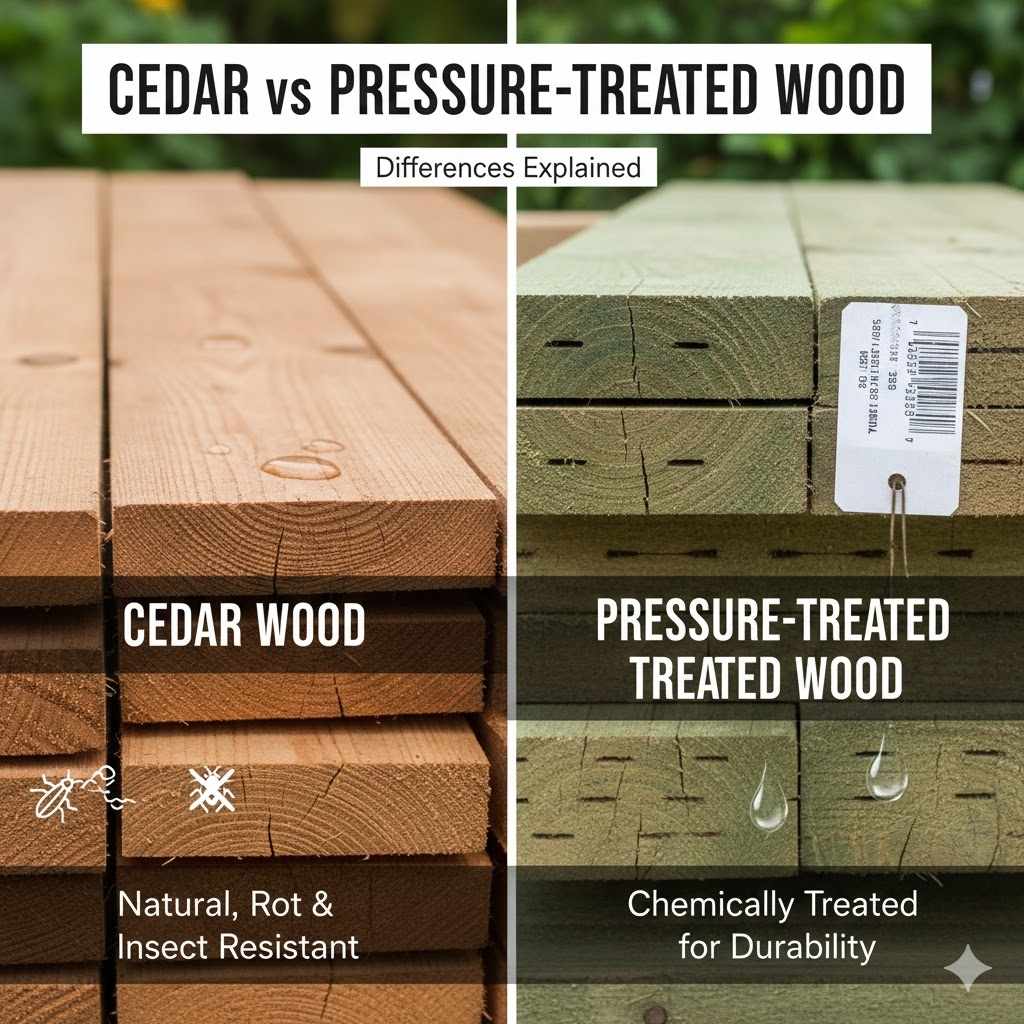
Cedar is a favorite choice because it looks great and can last a long time. It has natural oils that help it fight off bugs and decay, making it perfect for outdoor projects. This type of wood also smells nice, which is a bonus if you’re building something near your house. The grains of cedar are attractive, so it’s often picked when appearance matters, like for a deck or a fence. Also, it’s lighter and easier to work with than some other woods, which can make construction easier.
Resistance to Decay: Cedar contains natural preservatives that help it resist rot and decay. This is due to the presence of thujaplicins, a type of compound found in cedar, which acts as a natural fungicide.
These preservatives are what makes cedar a long-lasting option for outdoor use. They help prevent the growth of fungi that cause wood rot, a common problem in areas with moisture. This natural resistance means you won’t have to worry as much about the wood breaking down over time due to weather exposure. Its durability makes it ideal for areas exposed to rain or dampness.
Aesthetic Appeal: Cedar has a warm color and beautiful grain patterns. This natural look means that cedar can blend in well with your yard.
Because of its pretty look, cedar is often chosen for projects where you want the wood to look attractive. Its natural color variations can add visual interest, and it can be stained or painted to suit your style. Many people like cedar for things like decks, fences, and siding because it provides both function and beauty.
Natural Insect Repellent: The natural oils in cedar also help to deter insects. The scent, which many people find pleasant, is a deterrent to certain bugs.
The oils act as a natural insect repellent. This feature helps prevent infestations without the use of harsh chemicals. Cedar is a good choice if you’re worried about insects eating your wood. It can help keep your wood structure safe from damage caused by pests.
Pressure Treated Wood: The Treatment Process
Pressure-treated wood is treated with chemicals to make it resist rot and insect damage. It is very common because it’s inexpensive and works well outside. During the process, the wood is put into a special chamber, where it’s filled with chemicals under pressure. This forces the chemicals deep into the wood fibers, protecting it. Because of this treatment, pressure-treated wood can be in contact with the ground and water without quickly breaking down. This means it can be used for things like fence posts and decks, where the wood will touch the soil or face a lot of moisture.
Chemical Treatment: Pressure-treated wood is infused with chemicals, like copper, through a process of pressure. These chemicals are driven deep into the wood fibers.
The pressure pushes these preservatives throughout the wood. It allows the wood to withstand water and resist the growth of fungi and insect attacks. Without this treatment, the wood could get ruined quickly. The chemical used has changed over the years to become safer.
Versatility in Application: Pressure-treated wood is appropriate for various outdoor projects, including decks, fences, and playground structures. Its resilience to moisture and insects makes it a reliable choice for these uses.
It’s useful in settings where wood is exposed to moisture, direct ground contact, or heavy use. It’s also often used in landscaping to help prevent wood damage. Because of its adaptability, it’s a good choice for many different building jobs. You can find pressure-treated wood in many lumberyards.
Cost Effectiveness: Pressure-treated wood is often more affordable compared to natural options like cedar. The price difference makes it a great option for people on a budget.
The cost savings can be substantial, especially for big projects. It’s a great choice if you’re trying to reduce expenses. Because of its cost, many homeowners and builders choose pressure-treated wood for projects where both function and cost are important.
Durability Showdown: Cedar vs Pressure Treated Wood
When it comes to durability, the two woods have different strengths. Cedar naturally resists rot and insects because of its oils. Pressure-treated wood depends on the chemicals it is treated with to resist those threats. The environment where the wood is placed matters, as it can affect how long it lasts. The weather, ground contact, and upkeep all influence the wood’s durability. How long each wood will last depends on the project and how well it is cared for.
Weathering the Storm: Resistance to the Elements
Both cedar and pressure-treated wood are designed for outdoor use. However, they react differently to weather. Cedar’s natural oils help it resist warping and cracking in dry weather. Pressure-treated wood, on the other hand, can be more susceptible to shrinking and swelling. It is very important to consider how the weather affects your wood choice. Choosing the right wood can help your structure last longer, cutting down on repairs.
Cedar’s Natural Defenses: Cedar contains natural oils that protect it from moisture and UV rays. These oils help cedar remain stable in different climates.
These oils prevent cedar from drying out and cracking, making it a good choice for projects exposed to sunlight and varying temperatures. Cedar is more resistant to weathering compared to untreated wood. This means your project is less likely to show wear and tear over time.
Pressure Treated Wood: Vulnerabilities: Pressure-treated wood can warp and crack if not properly sealed. The wood’s vulnerability comes from its treatment. The wood should be sealed and maintained to help it hold up in the weather.
The chemicals used in pressure treatment can make it expand and contract. This can cause problems with warping if the wood isn’t maintained correctly. Regularly sealing and painting pressure-treated wood can help prevent these issues, especially in areas with significant temperature changes.
Best Uses: For areas with lots of sun and changing temperatures, cedar might be a better choice. Pressure-treated wood is a good choice for areas where the wood will touch the ground and face moisture.
If you live in a location with harsh weather, the choice depends on the project. Think about how the wood will be exposed to rain, sunlight, and temperature changes. This will help you select the wood that will hold up the best.
Long-Term Lifespan and Maintenance
The lifespan of cedar and pressure-treated wood varies. Cedar can last for many years with minimal maintenance. Pressure-treated wood requires regular maintenance, like sealing or staining, to prolong its life. How well the wood is cared for influences how long it will last. Regular inspections and timely repairs are key to getting the most life out of your wood structures. With good care, both woods can last a long time.
Cedar’s Low Maintenance: Cedar requires less upkeep than pressure-treated wood. You can leave it alone and the oils will protect it.
Cedar can be left unfinished to age naturally. This gives it a beautiful silver-gray color over time. If you want to keep the original color, you can stain it. But, this is not usually required for protection. This makes cedar a good choice if you prefer low-effort care.
Pressure Treated Wood‘s Needs: Pressure-treated wood needs to be sealed or stained to protect it from the elements. This upkeep helps prevent cracking, warping, and rot.
You’ll need to reseal or restain every few years. This helps to maintain the wood’s protection and beauty. Proper maintenance keeps your pressure-treated wood in good condition and extends its life. The effort needed for upkeep will help your structure last a long time.
Scenario Planning: Consider the time and money you want to invest in upkeep. Cedar is a good choice if you want minimal maintenance. Pressure-treated wood may be better if you don’t mind the added maintenance to save money.
Think about how often you want to do upkeep and whether you want to save money upfront. Take these things into account when you choose what wood to use for your building project. Proper planning will help you choose the right wood.
Cost and Budgeting: Comparing Wood Prices
One of the biggest differences between cedar and pressure-treated wood is cost. Pressure-treated wood is often less expensive than cedar. The price difference matters if you have a tight budget. You’ll have to decide if the lower price of pressure-treated wood is worth the additional maintenance. Both woods have different advantages that should be compared, from their initial cost to what they require over time. Knowing the price differences can help you make a decision that matches your budget.
Cost Analysis: Upfront vs. Long-Term Expenses
When picking between cedar and pressure-treated wood, you need to consider the initial cost and long-term expenses. Pressure-treated wood has a lower upfront cost, which is great if you have budget limits. Cedar costs more at first, but needs less upkeep, possibly saving money later. Think about what you will spend at the start and the upkeep costs. This will help you find the best value for your needs.
Initial Investment: Pressure-treated wood is less expensive to buy than cedar. This is a big reason why a lot of people select pressure-treated wood for their building projects.
The lower initial cost can make pressure-treated wood more accessible, particularly for larger projects. This can make a big difference if you are keeping to a budget. If the main goal is to keep upfront costs low, pressure-treated wood is a good choice.
Maintenance Costs: The upkeep costs of pressure-treated wood, such as sealing or staining, add to the overall expenses over time. Cedar needs less upkeep, saving money in the long run.
These expenses can add up, especially if you have to do the work every few years. If you are fine with some maintenance, pressure-treated wood is a good choice. If you want to keep maintenance costs low, cedar can be a better choice, as it requires less upkeep over time.
Overall Value: Think about your budget and how much time you have for upkeep. Pressure-treated wood is great if you want to save at the start and do upkeep. Cedar is better if you prefer low upkeep and want the wood to look nice.
Carefully balance the initial cost and the cost of upkeep to find the best value. This helps you choose the wood that matches your building project goals.
Budget Scenarios: Making Smart Choices
You might be trying to find the best wood for a specific project. This is where budget scenarios can come in handy. If money is tight, pressure-treated wood may be best. If you have a larger budget and want to reduce maintenance, cedar is a good idea. Consider the costs of labor if you plan to do the work yourself or hire someone. Weighing your options will help you make a wise decision.
-
- Scenario 1: Deck Project
Budget: Limited budget.
Choice: Pressure-treated wood.
Reasoning: The lower upfront cost of pressure-treated wood is ideal. While you’ll need to factor in staining and sealing, the lower price of the wood can significantly cut down the overall project cost. This makes it possible to stay on budget without affecting the project.
-
- Scenario 2: Fencing Project
Budget: A bit more flexibility in the budget.
Choice: Cedar.
Reasoning: Cedar’s natural resistance to the elements makes it a great choice. The cedar will hold up to weathering. The wood can be left untreated or stained to improve its look, which reduces maintenance over time.
-
- Scenario 3: Playground Structure
Budget: Safety and durability are key, with moderate funds.
Choice: Pressure-treated wood.
Reasoning: Pressure-treated wood provides a good balance of cost and performance for a playground. Its ability to resist rot and insect damage makes it safe and long lasting. Make sure to choose chemicals that are safe for children.
Application: Where to Use Cedar and Pressure Treated Wood
Both cedar and pressure-treated wood can be used for lots of outdoor projects. Cedar’s beauty and resistance to decay make it a good choice for things you want to look nice. Pressure-treated wood is valued for its affordability and strength, so it is often selected for projects that need durability. Choosing which one to use is based on the project and the special needs the wood must meet. Knowing how to use each type of wood can make your building projects better.
Best Uses of Cedar
Cedar is perfect for building projects where you need beauty and resistance to decay. It’s also a good pick for areas where you want a nice smell and natural insect resistance. Its warm tone and grain create a welcoming look. Cedar is also lightweight and easy to work with, making building easier.
Decks: Cedar’s beautiful grain and color make it a great choice for decks. It will improve the area’s looks.
Cedar decks provide natural resistance to the elements, reducing the need for constant maintenance. Its natural oils protect it from rot and pests. The ease of working with cedar also reduces time spent building.
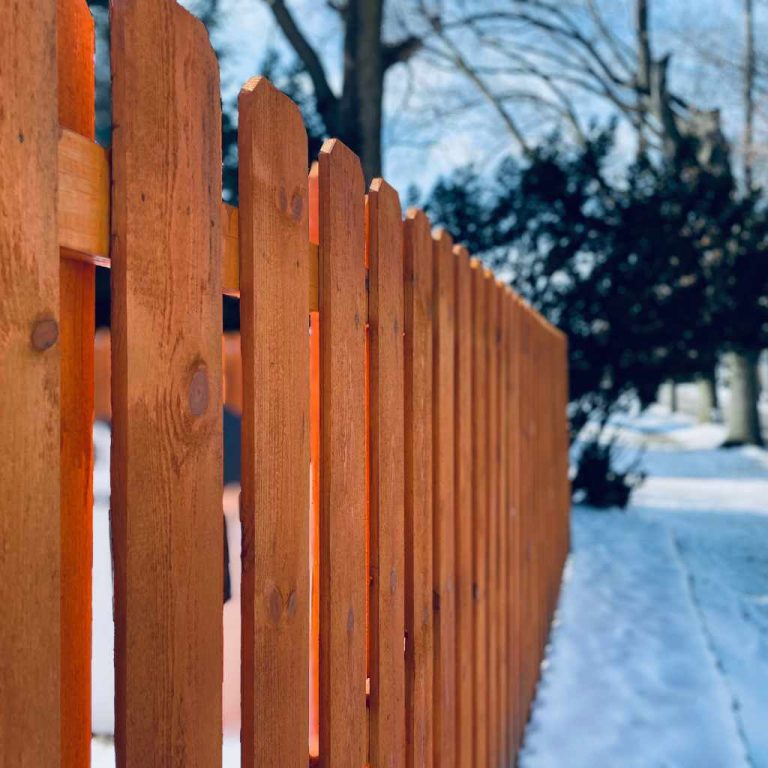
Fences: Cedar fences provide beauty and privacy. The wood weathers gracefully, creating a natural look.
Cedar fences require little maintenance, making them an excellent choice if you’re looking for a low-maintenance fence. They also resist insect damage. They will stay beautiful for many years.
Siding: Cedar siding provides a classic look. It provides natural insulation and breathability.
Cedar siding adds charm and value to your home. It’s a good choice for those wanting an attractive, low-maintenance option. The natural oils in cedar will help prevent moisture problems.
Best Uses of Pressure Treated Wood
Pressure-treated wood is a good choice for projects that need strength and contact with the ground. Because it can resist decay and insects, it is great for projects that will face rough conditions. Its treatment allows it to stand up to the weather. It will give you a long-lasting, budget-friendly building choice.
Fence Posts: Pressure-treated wood is perfect for fence posts because it can resist the weather. This makes them good for areas that touch the soil.
The treatment protects the wood from rot and insect damage, keeping the fence upright for years. You can install your fence knowing that it is protected from soil contact. This increases its life.
Deck Framing: Pressure-treated wood is often used for the frame of a deck. This structure needs to be robust and resist the weather.
The durability of pressure-treated wood makes it ideal for the frame of a deck. It helps support the deck boards. It’s a great choice if you need a strong, cost-effective structure.
Outdoor Structures: Pressure-treated wood is appropriate for various outdoor structures, including playground equipment and picnic tables. Its resistance to the weather makes it perfect for these uses.
It can withstand heavy use and exposure to the elements. This makes it a great choice for areas that need sturdy structures. If you need robust and reliable wood, this is your choice.
| Feature | Cedar | Pressure Treated Wood |
|---|---|---|
| Appearance | Beautiful natural grain and color | Can be stained or painted to improve look |
| Durability | Natural resistance to rot and insects | Treated for resistance to rot and insects |
| Maintenance | Low maintenance | Needs regular sealing or staining |
| Cost | More expensive | More affordable |
| Best Uses | Decks, fences, siding | Fence posts, deck framing, outdoor structures |
Frequently Asked Questions
Question: Is cedar better than pressure-treated wood?
Answer: It depends on your needs! Cedar is attractive and resistant to rot, but pressure-treated wood is more affordable and strong. Select the wood that matches your project needs and budget.
Question: How long does pressure-treated wood last?
Answer: With proper maintenance, pressure-treated wood can last for many years. It needs to be sealed or stained regularly to protect it from the weather.
Question: Does cedar need to be treated?
Answer: Cedar doesn’t need to be treated, but you can stain it to preserve its natural color. Cedar resists rot and insects. This natural resistance means it can be left alone.
Question: Can I paint pressure-treated wood?
Answer: Yes, pressure-treated wood can be painted. It is a good idea to let the wood dry first. Then, add a primer and outdoor paint.
Question: Is cedar more expensive than pressure-treated wood?
Answer: Yes, cedar is typically more expensive to buy than pressure-treated wood. However, because it lasts long, it could be a better choice for some people.
Final Thoughts
Picking between cedar and pressure-treated wood means considering what you need. Cedar is known for its beautiful look and how well it resists decay. Pressure-treated wood is valued for its affordability and ability to stand up to the weather. By thinking about cost, the type of project, and how much upkeep you want to do, you can choose the wood that is right for you. Whether you choose the warm look of cedar or the practical strength of pressure-treated wood, make sure your choice helps you reach your building goals. The main thing is to get the best match for your project, so you get the best outcome. Good luck with your building projects!