What Paint to Use on Wood Furniture Without Sanding
Chalk paint, mineral paint, and acrylic enamel over a bonding primer all stick to wood furniture without sanding — but only if the surface is clean, dry, and free of wax or silicone polish first. Skip that step and paint that looks fine on day one can chip within weeks. This guide covers which no-sand paint fits your piece, the liquid-deglosser method that replaces sanding, and how many coats each paint type actually needs.
Insert your Affiliate Disclosure reusable block here
Quick Answer
Chalk paint and mineral (clay-based) paint bond directly to clean wood with no sanding or primer. For a harder, washable finish, wipe the piece with a liquid deglosser, apply one coat of bonding primer, then two to three thin coats of acrylic or enamel paint, letting each coat cure fully before use.
What You’ll Need
Best No-Sand Prep & Paint Pick
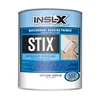
INSL-X Stix Acrylic Waterborne Bonding Primer
A bonding primer built to grip slick, glossy, or previously finished wood without sanding, so any topcoat paint holds.
- Best for: Slick, glossy, or laminate furniture that needs a hard, washable topcoat
- Why we picked it: Purpose-built bonding formula rated for use on top of existing finishes with no scuff-sanding step
- Main drawback: Needs a full cure before topcoat — rushing this step is a common cause of peeling
Compare more no-sand prep and paint options
 Option 1 Krud Kutter Gloss-Off Deglosser
|
 Option 2 Country Chic All-in-One Chalk Paint
|
 Option 3 Zinsser Bulls Eye 1-2-3 Primer & Sealer
|
As an Amazon Associate we earn from qualifying purchases.
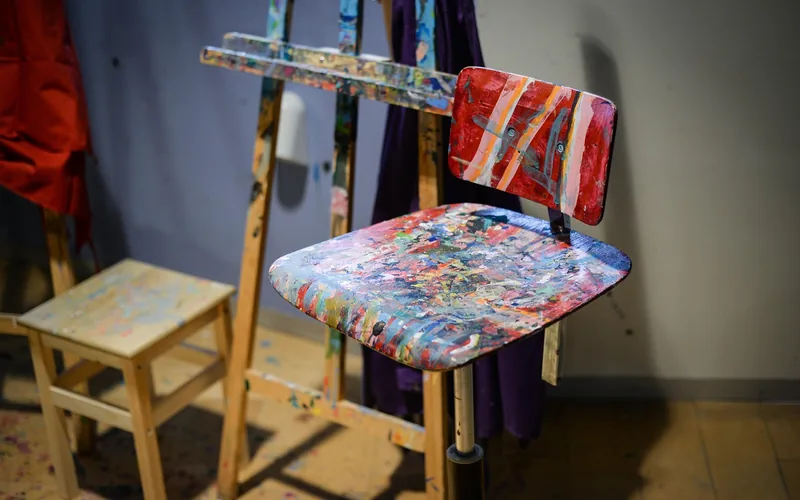
- Liquid deglosser (liquid sandpaper) or a TSP-substitute cleaner
- Lint-free cloths and mild dish soap
- Wood filler for cracks, dents, or holes
- Chalk paint, mineral paint, or a bonding primer plus acrylic/latex enamel
- A soft-bristle brush and a foam roller
- 220-grit sandpaper (spot use on filler only — not the whole piece)
- Wax or water-based topcoat for high-touch surfaces
Choosing the Right No-Sand Paint
Chalk paint is the easiest no-sand option — it grips bare wood, painted surfaces, and most sealed finishes without a primer coat, and dries to a matte, easily distressed look. Mineral (clay-based) paint works the same way but bonds even to slick laminate, which chalk paint sometimes struggles with. If you want a harder, more washable surface — a dining table or kitchen cabinet, for example — a bonding primer followed by acrylic or enamel paint outlasts chalk or mineral paint under daily wear.
Oil-based paints are the one type to avoid without sanding: they need a fully de-glossed or primed surface to bond at all, and skipping that step is the most common reason a no-sand paint job fails early. If you’re debating whether leftover interior wall paint can do the job instead of a dedicated furniture paint, see our breakdown on using wall paint on furniture before you buy anything new. For a closer look at bonding primers specifically, our shellac-based primer comparison covers which ones seal stains and knots best.
| Paint Type | Primer Needed? | Coats Typically Needed | Best For |
|---|---|---|---|
| Chalk paint | No | 2 | Vintage/matte flips, quick projects |
| Mineral (clay-based) paint | No | 1–2 | Slick or laminate surfaces |
| Bonding primer + acrylic enamel | Yes (bonding primer) | 2–3 over primer | Tables, cabinets, high-touch pieces |
| Furniture/cabinet enamel (deglosser prep) | Recommended | 2–3 | Durable, factory-smooth look |
How to Prep Wood Furniture Without Sanding
If your piece needs real sanding instead — deep gouges, old paint buildup, or a finish too thick for a deglosser to cut through — check our sandpaper grit guide first. Otherwise, a liquid deglosser (also sold as liquid sandpaper) chemically dulls a glossy finish so paint has something to grip, doing the job a sanding block normally would. Wipe it on with a lint-free cloth, following the grain, and let it flash off per the label — most products are ready to paint within 15 to 30 minutes. If the surface still feels tacky or waxy afterward, wipe that spot again before you paint; that residue is the single most common reason a no-sand paint job peels within a season.
- Clean thoroughly: Wipe the piece with mild dish soap and warm water to remove wax, grease, and dust, then let it dry completely.
- Apply liquid deglosser: Wipe on with a lint-free cloth in the direction of the grain to dull the existing sheen and let the new paint bond.
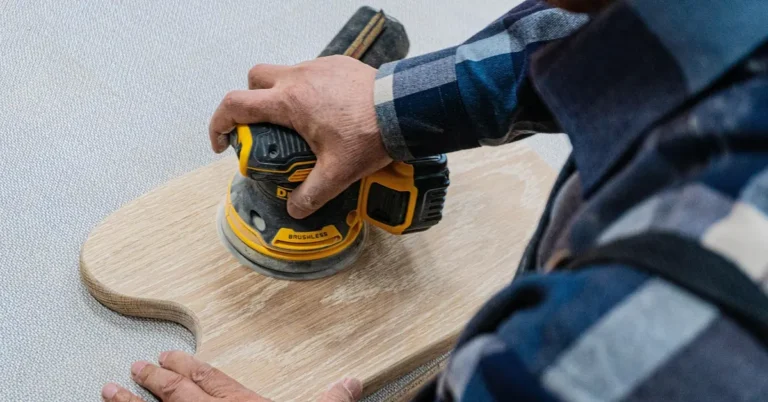
- Fill and spot-sand only where needed: Use wood filler on cracks or holes, then hand-sand just that patch with 220-grit paper — this is spot repair, not a full sand of the piece.
- Prime if the paint calls for it: Apply one coat of bonding primer when using acrylic or enamel paint, or when covering a dark or glossy finish with a light color, and let it cure per the label.
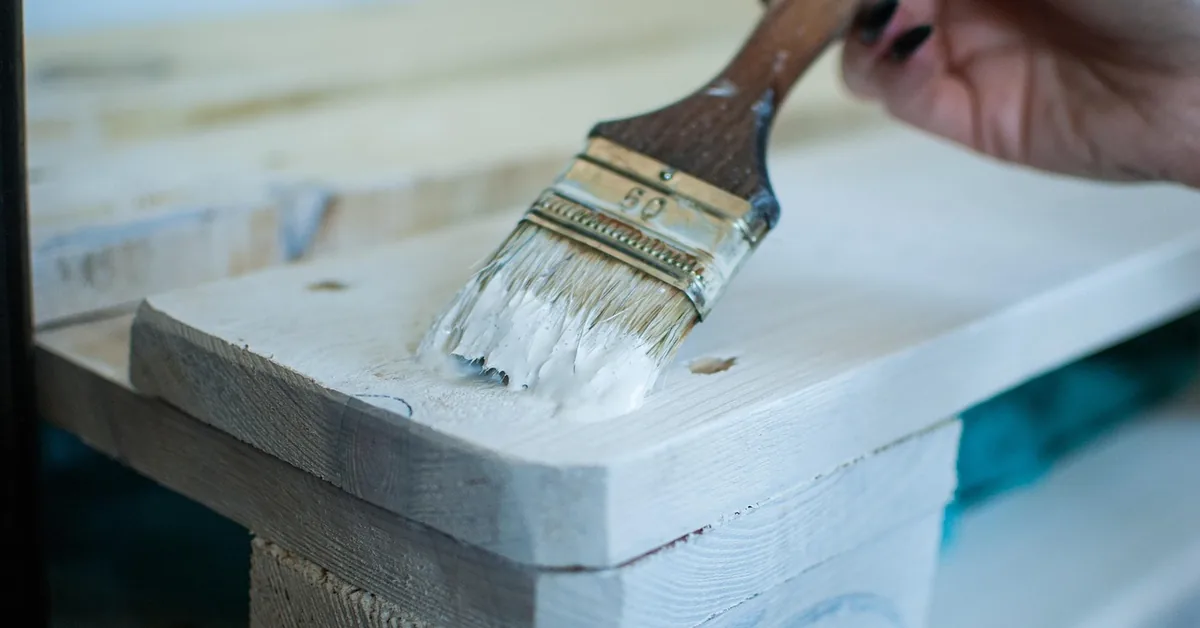
- Paint in thin coats: Apply two to three thin coats with a brush or foam roller, letting each coat dry fully before the next — two thin coats resist drips and cure harder than one thick one.
- Seal for durability: Finish tabletops, drawer fronts, and other high-touch surfaces with a wax or water-based topcoat.
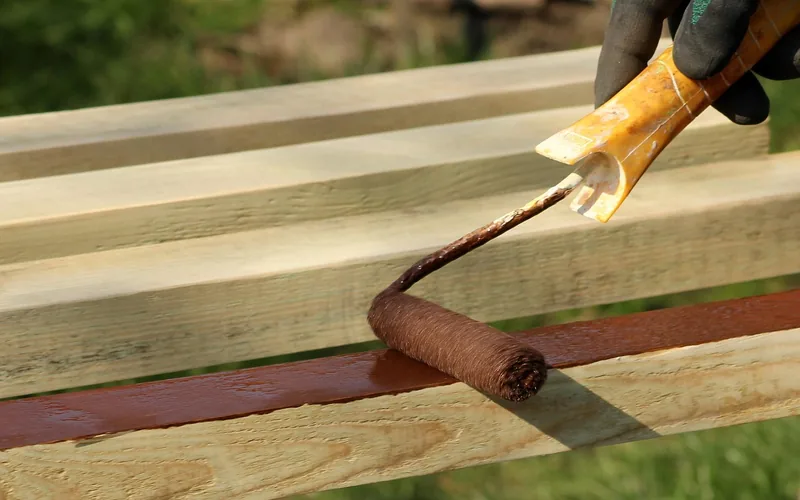
Brush vs. Roller: Getting an Even Finish
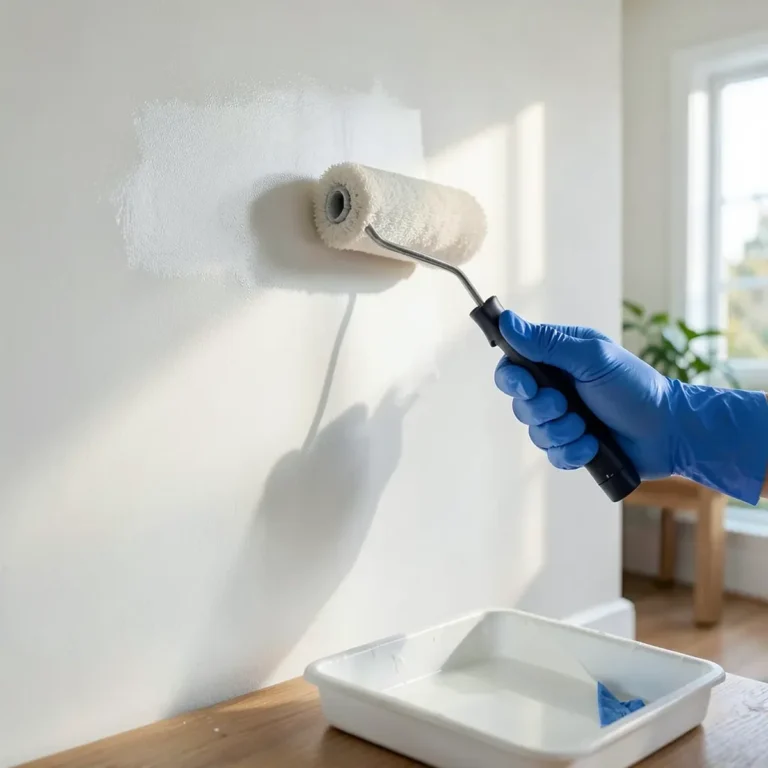
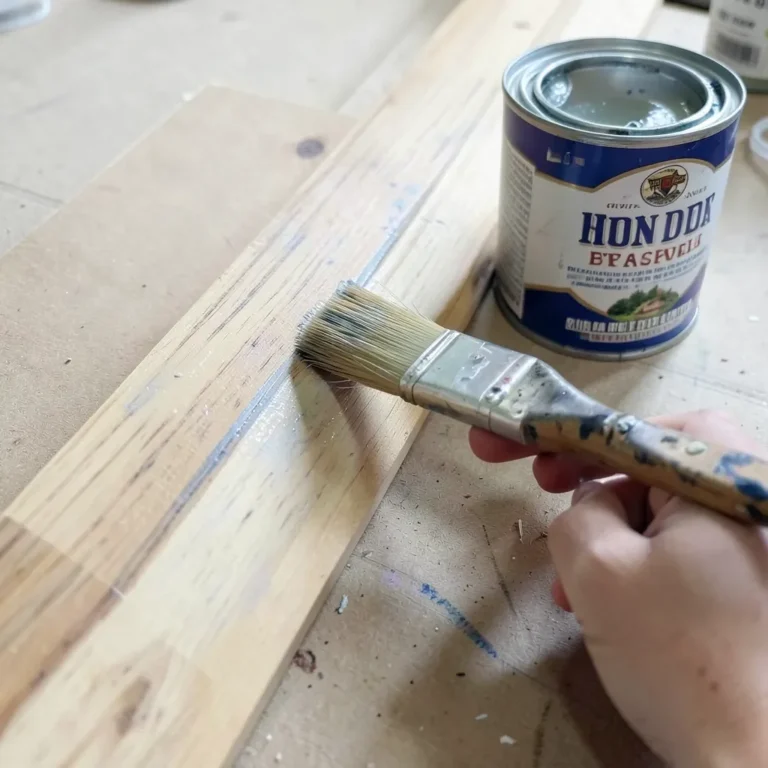
A soft-bristle brush handles corners, edges, and detail work where a roller can’t reach, and a good brush leaves fewer visible strokes than a cheap one. A foam roller covers flat panels — drawer fronts, tabletops, tall dresser sides — faster and with a smoother texture than a brush alone. Keep a damp cloth nearby to wipe drips before they set, and always work in the direction of the wood grain.
Enhancing Durability
A wax or water-based topcoat keeps water and everyday scuffs off the paint itself, and it’s what determines how long a no-sand paint job actually lasts. Clear topcoats preserve the paint color exactly; tinted or amber-toned topcoats (common with some wax finishes) can slightly warm lighter colors, so test a hidden spot first. On tables and other high-touch surfaces, use felt pads under lamps, dishes, and planters, and dust regularly — grit trapped under a cloth is what causes fine scratches in an otherwise durable finish.
“A tacky or slightly waxy feel after the deglosser dries almost always means residue was missed on the first wipe — go back over that spot before you paint. It’s a five-minute fix, and it’s the difference between paint that holds and paint that lifts at the edges within a month.”
Common Mistakes to Avoid
Overlooking Surface Preparation
Skipping cleaning and deglossing is the most common reason no-sand paint fails. Wipe away dust, grease, and old wax, let the piece dry completely, and treat any sticky residue with a mild cleaner before you touch a brush to it.
Choosing an Incompatible Paint
Not every paint is made to skip sanding. Chalk, mineral, and water-based enamel over a bonding primer are formulated for it; standard oil-based paint is not, and it will peel off a glossy surface that hasn’t been prepped. Always check the label for “no sanding required” or “bonds to glossy surfaces” before you buy.
Frequently Asked Questions
Can you paint directly on wood without sanding?
Yes. Clean the surface, wipe it with a liquid deglosser to dull any sheen, and use a paint formulated for no-sand application — chalk paint, mineral paint, or a bonding primer plus enamel. Skipping the deglosser step on a glossy finish is the main reason paint fails to grip.
What is the best paint to use on wood furniture without sanding?
Chalk paint and mineral (clay-based) paint are the easiest no-sand options because they bond without a primer coat. For a harder, more washable finish on tables or cabinets, use a bonding primer followed by acrylic or enamel paint instead.
Do I need a primer if I’m not sanding first?
Not always. Chalk paint and mineral paint are made to skip both sanding and priming. If you’re using acrylic or enamel paint, or covering a dark or glossy finish with a light color, a bonding primer still improves adhesion and coverage even without sanding.
Can you paint over varnished or glossy wood without sanding?
Yes. Clean the surface, apply a liquid deglosser to cut through the sheen, then use a bonding primer before painting. Skipping the deglosser on a glossy varnish is the most common cause of peeling on refinished furniture.
How many coats of paint does furniture need without sanding?
Most no-sand paints need two to three thin coats, letting each one dry fully before the next. Two thin coats create a more durable finish than one thick coat, and covering a dark or glossy surface with a light color typically needs the full three.
Conclusion
Skipping sanding doesn’t mean skipping prep — a thorough clean and a liquid deglosser do the same job a sanding block would. Match the paint to the surface (chalk or mineral paint for an easy one-step finish, bonding primer plus enamel for a harder, washable one), apply thin coats, and seal high-touch pieces with a topcoat. For a deeper look at how paint compares to stains and other finishes, see our full wood finishing guide.
Sponsored / affiliate links. As an Amazon Associate I earn from qualifying purchases. I may earn additional commission from eligible campaigns.