Cedar vs Redwood Decking: Janka 350 vs 450, Rot Ratings and Grades
Cedar and redwood are the two classic natural decking woods, and on paper they look alike: both are lightweight, both hold up outdoors, and both cost more than pressure-treated pine. The differences that matter are smaller and more specific than most guides admit. This page is only about decking. For the broader comparison across fences, furniture and mulch, see our cedar vs redwood overview, and for a price breakdown see the cedar vs redwood cost guide.
Cedar vs Redwood Decking: The Short Answer
Best Deck Screw Pick
 |
Grip Rite Stainless Steel Deck Screws
|
Choose western red cedar if you want the lighter, easier-to-source board and a lower cost of entry. Choose redwood if you can get all-heartwood grades and want a slightly harder, stronger board. The gap between the two is real but modest: 100 lbf of Janka hardness and a somewhat higher bending strength, not a different class of wood. The grade and the fasteners you choose will affect how your deck ages more than the species will.
Here are the published numbers side by side, from the Wood Database entries for western red cedar and coast redwood:
| Property | Western red cedar | Coast redwood |
|---|---|---|
| Janka hardness | 350 lbf | 450 lbf average (480 old-growth, 420 second-growth) |
| Density (dried) | 23 lbs/ft³ | 26 lbs/ft³ average (28 old-growth, 24 second-growth) |
| Decay resistance | Durable to very durable | Moderately durable to very durable |
| Insect resistance | Mixed | Not rated separately in source |
| Shrinkage (radial / tangential) | 2.4% / 5.0% | 2.4% / 4.7% |
| Volumetric shrinkage | 6.8% | 6.9% |
| Bending strength (MOR) | 7,500 lbf/in² | 8,950 average (10,000 old-growth, 7,900 second-growth) |
| Sapwood color | Pale yellowish white | Pale white or yellow |
Two things stand out. First, the shrinkage numbers are nearly identical, so the common claim that one of these woods is far more dimensionally stable than the other is not supported by the published data. Second, the redwood advantage in hardness shrinks when the boards are second-growth: 420 lbf against cedar’s 350 lbf.
Rot Resistance: Grade Matters More Than Species
Both woods get their decay resistance from natural extractives in the heartwood. The pale sapwood does not have that protection, and the Wood Database describes cedar sapwood as pale yellowish white and not always sharply separated from the heartwood. That makes sapwood easy to buy by accident.
A myth worth correcting: redwood is often treated as the more rot-proof option. By the Wood Database ratings, cedar’s range (durable to very durable) starts higher than redwood’s (moderately durable to very durable), and old-growth redwood is described as more durable than second-growth. So the more accurate statement is that top-grade old-growth redwood can match the best cedar, while ordinary second-growth redwood may not beat it. Ask the yard which one you are buying. For the chemistry behind cedar’s resistance, see our explainer on why cedar is rot resistant, and for realistic service life see how long cedar decks last.
Grades to look for
- Redwood: grade names containing the word “Heart” (Clear All Heart, Heart B, Construction Heart, Deck Heart) are all heartwood. Deck Heart is a deck-oriented grade sold in 2×4 and 2×6 and graded for strength. “Common” grades can include sapwood, which has less decay resistance.
- Cedar: clear grades cost more and have few knots. Knotty grades cost less and are fine for a deck if you accept the appearance. Ask whether boards are heartwood and inspect the ends for pale sapwood strips.
Softness, Span and Traffic Wear
Neither wood is tough. At 350 and 450 lbf they sit at the soft end of the scale, so chair legs, grill wheels and dropped tools will leave marks on both. Cedar has the lower bending strength of the two (7,500 vs 8,950 lbf/in² on average), which matters for how far a board can span between joists. Follow the span rating on the lumber you actually buy, and if in doubt, use closer joist spacing (16 inches on center is a common conservative choice). Treat both as residential decking rather than a surface for heavy commercial traffic.
If dents bother you and you still want natural wood, our guide to the best cedar for decking compares five species by cost and hardness, and the disadvantages of cedar page covers the downsides in more detail.
Fasteners: The Mistake That Ruins a Good Deck
Fastener choice is where many cedar and redwood decks go wrong. The Wood Database states that iron-based fasteners can stain and discolor western red cedar, especially in the presence of moisture. That shows up as dark streaks around screw heads. Use stainless steel screws, or a coating the manufacturer rates for cedar and redwood. Predrill near board ends, because both woods are soft and can split when screws are driven hard.
Safety note for cutting cedar: it contains plicatic acid, and the Wood Database flags allergic reactions including occupational asthma in susceptible people. Use a fitted respirator and dust collection when you cut or sand deck boards, and sweep or vacuum dust rather than blowing it around.
Three Myths Worth Dropping Before You Buy
- “Redwood never rots.” Only heartwood resists decay, and second-growth material is rated lower than old-growth. Sapwood in either species decays like any ordinary softwood once it stays wet.
- “Cedar is stronger because it is more expensive.” Cedar has the lower Janka and bending numbers of the two. You pay for its light weight, easy cutting and wide availability, not for extra strength.
- “Redwood is far more stable.” Volumetric shrinkage is 6.9% for redwood and 6.8% for cedar in the Wood Database data, so board movement should be very similar when both are dried to the same moisture level.
The practical takeaway is to compare boards, not species names. Two heartwood boards from either tree will behave alike, while a sapwood-heavy board from either tree will not. Handle both the same way at install: leave a small gap between boards for drainage and drying, seal freshly cut ends, and keep the frame off the soil so the boards can dry after rain.
Finishing and Weathering
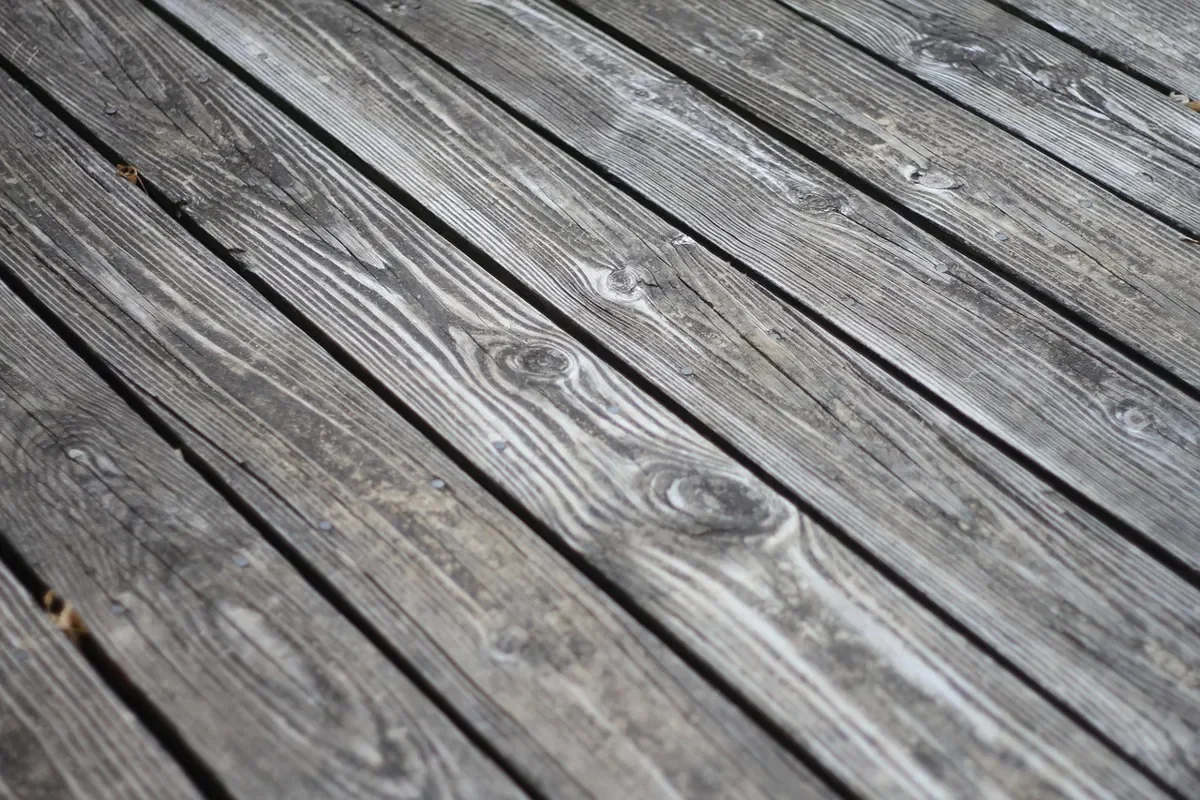
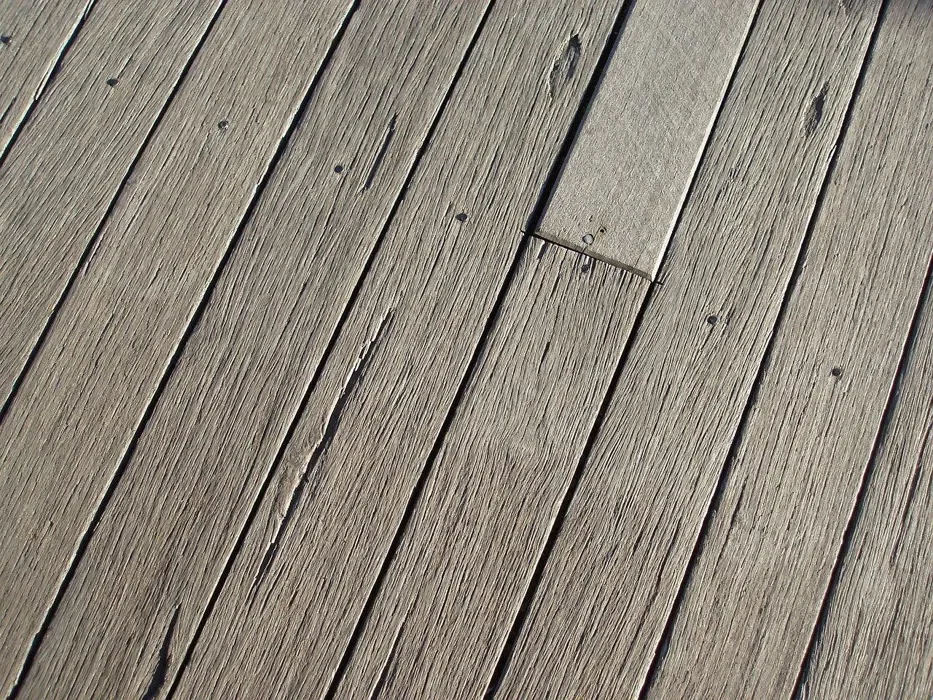
Left unfinished, both woods weather toward a silver-gray. That is a normal surface change and not a sign of rot, though checking and surface roughness will develop over time. If you want to keep the original color, you need a finish with UV protection, and you need to reapply it. See our guide on staining cedar for what matters, and our deck stain guide for products.
Cost and Availability
Redwood generally costs more than cedar and is easiest to find in the western states, while cedar is easier to source across the rest of the country. Lumberyard prices change constantly, so use a local quote rather than a fixed number. Our cedar vs redwood cost breakdown explains what drives the difference, and the redwood deck lumber prices page covers redwood specifically. For an ownership-cost view of cedar, see whether cedar decking is worth the money.
Which Should You Buy?
| Your situation | Better fit |
|---|---|
| Tight budget, natural look | Cedar, in a knotty grade |
| Redwood is local and you can buy Heart grades | Redwood (Deck Heart or better) |
| You live outside the western states | Cedar, for availability |
| You want the harder surface of the two | Redwood, ideally old-growth |
| You are sensitive to wood dust | Take extra care cutting cedar, or choose redwood |
| Fence project rather than deck | See our cedar vs redwood fencing guide |
Frequently Asked Questions
Can I mix cedar and redwood on the same deck?
Yes, structurally. Both are soft, low-density woods with almost identical shrinkage (6.8% and 6.9% volumetric), so they move at similar rates. The visible difference is color: redwood runs deeper red-brown and cedar runs lighter, so the two look patchy side by side until both weather to gray.
Is redwood harder than cedar?
Slightly. The Wood Database lists western red cedar at 350 lbf Janka and coast redwood at 450 lbf on average, with second-growth redwood at 420 lbf. Both are soft woods, so either one will dent under dropped tools or heavy furniture legs.
Which is more rot resistant, cedar or redwood?
On the Wood Database ratings, cedar is durable to very durable and redwood is moderately durable to very durable. Old-growth redwood is more durable than second-growth. In practice, buying all-heartwood boards matters more than the species, because sapwood in either wood has little decay resistance.
Do I need stainless steel screws for a cedar deck?
The Wood Database warns that iron-based fasteners can stain and discolor western red cedar, especially when wet. Stainless steel avoids that reaction. Hot-dip galvanized is a common cheaper option, but check the fastener maker’s rating for cedar or redwood before buying.
Is cedar dust a health concern when cutting deck boards?
It can be. The Wood Database notes that western red cedar contains plicatic acid and can cause allergic reactions, including occupational asthma in susceptible people. Wear a fitted dust mask or respirator and use dust collection when cutting or sanding it.
Bottom Line
For decking, cedar and redwood are close: redwood is a little harder and stronger, cedar is a little cheaper and easier to buy, and both need stainless fasteners and heartwood grades to live up to their reputation. Compare local quotes for the same grade, confirm the boards are heartwood, and spend the difference on good fasteners.
Sponsored / affiliate links. As an Amazon Associate I earn from qualifying purchases. I may earn additional commission from eligible campaigns.