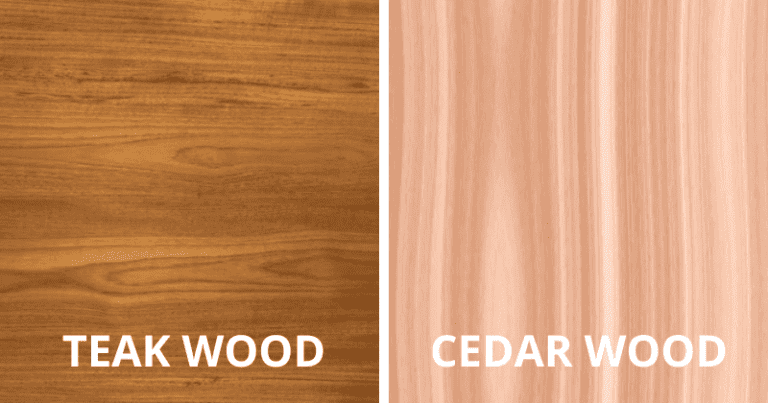
Cedarwood Oil Concentrate: The Essential Proven Benefits
Cedarwood oil concentrate is a powerful, natural solution for protecting wood from insects and mildew, deodorizing spaces, and enhancing the beauty of your woodworking projects. When properly diluted, this versatile oil offers a safe and effective alternative to harsh chemicals, making it a must-have in any workshop.
Hello friends! Md Meraj here, your guide in the wonderful world of woodworking. If you’ve ever opened an old cedar chest, you know that amazing, fresh scent. It’s more than just a pleasant smell; it’s the sign of powerful, natural protection at work. Many of us want to keep our projects safe from pests and moisture without using harsh chemicals, but it can be hard to know where to start.
That’s where cedarwood oil concentrate comes in. This stuff is like liquid gold for wood lovers and DIYers. It’s an old-school secret that’s simple, affordable, and incredibly effective. In this guide, I’ll show you exactly what it is, why it works so well, and how you can start using it today. Let’s unlock the proven benefits of this workshop essential together.
What Exactly Is Cedarwood Oil Concentrate?
Before we dive into all the amazing things it can do, let’s get clear on what we’re working with. Think of cedarwood oil concentrate as the very essence of the cedar tree, bottled up. It’s typically made through a process called steam distillation, which pulls the potent, aromatic oils directly from the wood of cedar trees, like the Eastern Red Cedar (Juniperus virginiana).
The word “concentrate” is important here. It means this is the pure, undiluted oil. It’s incredibly strong, which is great because a little goes a long way, but it also means we must be careful and dilute it before using it. This is different from some “cedar oils” you might see that are already mixed with other ingredients. We’re talking about the pure stuff—the powerhouse ingredient that gives us all the benefits.
So, in short, cedarwood oil concentrate is a natural, potent oil extracted from cedar wood, famous for its protective properties and woody scent. Now, let’s explore what makes it so special for our homes and workshops.

Benefit #1: A Natural Shield to Preserve and Protect Wood
One of the biggest challenges in woodworking is protecting our creations from the elements. Moisture, fungus, and mildew can turn a beautiful project into a warped, rotting mess. Cedarwood oil is a fantastic natural wood preservative that helps you fight back.
The oil contains natural compounds that are known to inhibit the growth of fungus and mildew. This is why cedar wood itself is so famously resistant to decay. By applying the oil, you’re essentially giving other woods a coat of that same natural armor.
How It Protects Your Projects:
- Prevents Mildew: In damp areas like basements or sheds, wood can easily grow mildew. A light coat of diluted cedarwood oil helps create a barrier that discourages its growth.
- Slows Decay: While it’s not a heavy-duty sealant for wood buried in soil, it’s perfect for projects like tool handles, outdoor planter boxes, or shed organizers that are exposed to some humidity.
- Maintains Wood Health: The oil penetrates the wood fibers, helping to keep them from drying out and cracking over time, especially in changing climates.
How to Use It as a Wood Preservative:
- Mix Your Solution: For a simple wood treatment, mix about 10-15 drops of cedarwood oil concentrate with 2 ounces of a carrier oil like mineral oil or fractionated coconut oil.
- Clean the Surface: Make sure your wood project is clean and dry. Sand it lightly if you want a super smooth finish.
- Apply a Thin Coat: Using a clean, lint-free rag, wipe a thin, even layer of your oil mixture onto the wood. Always wipe in the direction of the wood grain.
- Let It Soak In: Allow the oil to penetrate the wood for at least 30 minutes.
- Wipe Off Excess: Use another clean cloth to wipe away any oil that hasn’t been absorbed. This prevents a sticky or gummy surface.
- Repeat if Necessary: For raw, thirsty wood, you might want to apply a second coat after 24 hours.
This simple treatment leaves your wood protected and brings out its natural color and grain beautifully, all without the harsh fumes of chemical sealants.
Benefit #2: The Ultimate Natural Insect Repellent
This is where cedarwood oil truly shines and what it’s most famous for. For centuries, people have used cedar chests to protect precious linens and woolens from moths. That’s because the scent that we find so pleasant is actually detested by many common household pests.
According to the U.S. Environmental Protection Agency (EPA), cedarwood oil is a registered minimum-risk pesticide that repels insects like moths, fleas, and cockroaches without harming people or pets when used as directed. The aromatic compounds in the oil mess with their navigation and respiratory systems, encouraging them to stay far away.
Pests Repelled by Cedarwood Oil:
- Clothes Moths
- Carpet Beetles
- Cockroaches
- Ants
- Silverfish
- Fleas and Ticks
- Spiders
Creating a Simple Pest Repellent Spray:
You can easily make your own powerful, non-toxic pest spray for your closet, pantry, or workshop corners.
You will need:
- An 8-ounce glass spray bottle (oil can degrade plastic over time)
- 20-30 drops of cedarwood oil concentrate
- 4 ounces of distilled water
- 4 ounces of witch hazel or rubbing alcohol (this helps the oil and water mix)
Instructions:
- Pour the witch hazel or alcohol into the spray bottle.
- Add the cedarwood oil drops.
- Top it off with the distilled water.
- Screw the lid on tightly and shake well before each use.
You can lightly mist this spray inside closets, along baseboards, in drawers (after removing clothes), and around window sills. It’s a fantastic way to keep your workshop spider-free and protect your stored lumber.
| Common Use Area | Target Pests | Recommended Application Method |
|---|---|---|
| Closets & Wardrobes | Clothes Moths, Carpet Beetles | Lightly mist walls or place soaked cotton balls in corners. |
| Kitchen Pantry | Ants, Cockroaches, Silverfish | Spray along shelves and baseboards (remove food first). |
| Workshop & Shed | Spiders, Ants, Termites (deterrent) | Spray in corners, on wooden shelves, and around door frames. |
| Pet Bedding Area | Fleas, Ticks | Lightly mist bedding (allow to dry completely before pet use). |
Benefit #3: Deodorize and Refresh Your Home and Workshop
That classic “cedar” smell does more than just repel bugs; it actively neutralizes bad odors. Instead of just covering up musty or stale smells, the compounds in cedarwood oil help to eliminate them, leaving behind a fresh, clean, and earthy aroma.
This makes it a perfect tool for keeping things smelling great around the house. It’s a natural alternative to artificial air fresheners, which can often contain questionable chemicals and overpowering perfumes.
Simple Ways to Deodorize with Cedarwood Oil:
- Refresh Cedar Blocks: Do you have old cedar blocks or hangers that have lost their scent? Lightly sand them to open up the pores and then wipe on a very small amount of diluted cedarwood oil to recharge them.
- DIY Drawer Sachets: Put a few drops of cedarwood oil concentrate onto several cotton balls or a small piece of unfinished wood (a scrap from the workshop is perfect!). Place them in a small cloth bag and toss them into drawers, gym bags, or storage bins.
- Musty Room Solution: Add 10 drops of oil to a small spray bottle filled with water. Lightly mist it into the air in a musty basement, attic, or garage to instantly freshen the space.
- Vacuum Freshener: Put a few drops on a cotton ball and place it inside your vacuum cleaner bag or canister. As you clean, it will gently release the fresh scent throughout your home.
Benefit #4: A Gentle, Natural Finish for Wood
While cedarwood oil isn’t a hard, protective topcoat like polyurethane or lacquer, it can be used as a beautiful, conditioning finish, especially on cedar itself and other aromatic woods. It functions as a penetrating oil finish, meaning it soaks into the wood fibers rather than sitting on top.
This type of finish is perfect when you want a natural, low-sheen look that feels great to the touch. It really brings out the depth and warmth of the wood grain without making it look plasticky or artificial.
When to Use Cedarwood Oil as a Finish:
- Inside Cedar Chests: Applying it to the interior of a cedar chest not only enhances the wood’s appearance but also boosts its aromatic, pest-repelling power.
- Closet Linings: If you’ve lined a closet with cedar planks, an occasional wipe-down with diluted oil will keep it looking and smelling fresh.
- Decorative Boxes: For small, decorative keepsake boxes, the oil provides a subtle, hand-rubbed finish that feels personal and high-quality.
- Tool Handles: Rubbing a little into the wooden handles of your favorite tools will keep them from drying out and feeling rough.
To use it as a finish, follow the same “apply and wipe” method described for preserving wood. It’s a simple, foolproof way to add a touch of handcrafted quality to your projects.
Choosing and Using Cedarwood Oil Concentrate Safely
Getting great results means starting with a good product and using it the right way. Not all cedarwood oils are created equal, and because the concentrate is so potent, a few safety steps are important.
What to Look For:
- 100% Pure: The label should clearly state “100% Pure Cedarwood Oil” or “Cedarwood Essential Oil.” Avoid products with added fragrances or carrier oils.
- Botanical Name: Look for the botanical name to know what you’re getting. Juniperus virginiana (Virginia Cedarwood) and Cedrus atlantica (Atlas Cedarwood) are two common, high-quality types. Research from a 2022 study on plant-based repellents often highlights the efficacy of oils from these specific trees.
- Dark Glass Bottle: Pure oils should be packaged in dark-colored glass (like amber or cobalt blue) to protect them from sunlight, which can cause them to degrade.
Key Safety and Dilution Guidelines:
Remember, “concentrate” means “strong.” Pure, undiluted cedarwood oil can irritate the skin. Diluting it is not just for safety; it also helps it spread more evenly and last longer.
| Application | Recommended Dilution Ratio | Carrier/Base | Quick Tip |
|---|---|---|---|
| Insect Repellent Spray | 20-30 drops per 8 oz of liquid | Half distilled water, half witch hazel/alcohol | Shake well before each use as oil and water separate. |
| Wood Polish/Preservative | 10-15 drops per 2 oz of oil | Mineral oil or fractionated coconut oil | Always test on a small, hidden area first. |
| General Deodorizing | 5-10 drops | Cotton ball, wood scrap, or water in a spray bottle | No direct surface contact needed for air freshening. |
| Direct Skin Application (not recommended) | 1-2 drops per 1 teaspoon of oil | Jojoba oil or almond oil | Never apply undiluted. Consult a professional. |
Important Safety Precautions:
- Always Patch Test: Before applying to a large wooden surface, test your mixture on an inconspicuous spot (like the bottom or back of the project) to make sure you like the color and it doesn’t cause any unwanted reactions.
- Ventilation is Your Friend: While the smell is pleasant, it’s strong. Use the oil in a well-ventilated area, especially when applying it to large projects.
- Keep Away from Pets (When Wet): Cedarwood oil can be toxic to cats if ingested or absorbed in large quantities. Keep pets out of the room while you are applying the oil and until the surface is completely dry. Dogs are generally less sensitive, but it’s always best to be cautious.
- Store It Properly: Keep the bottle tightly capped and store it in a cool, dark place, away from children and pets.

Frequently Asked Questions (FAQ)
1. What’s the difference between cedarwood oil and cedarwood oil concentrate?
Cedarwood oil concentrate is the 100% pure, undiluted oil extracted directly from the tree. The term “cedarwood oil” can sometimes refer to a product that is already diluted with a carrier oil or other ingredients. For DIY uses where you control the strength, you always want to start with the concentrate.
2. Is cedarwood oil concentrate safe to use around my family?
Yes, when used correctly, it is one of the safer options available. It’s a minimum-risk pesticide according to the EPA. The key is to use it in diluted forms, ensure good ventilation during application, and avoid direct contact with undiluted oil on the skin. Never ingest it.
3. How often should I reapply cedarwood oil for it to be effective?
For repelling insects and deodorizing, the scent is the active component. You should reapply every 4-6 weeks or whenever you notice the smell has faded. For wood preservation, a reapplication every 6-12 months is usually sufficient for indoor projects.
4. Can I use cedarwood oil on woods other than cedar?
Absolutely! It works wonderfully on pine, fir, and other softwoods. It can also be used on hardwoods. Just remember to always do a patch test first, as the oil can slightly darken the color of the wood, which can be a beautiful effect but is best tested beforehand.
5. Will cedarwood oil stain my clothes or fabrics?
Undiluted oil can leave an oily spot on fabrics. This is why for closets, it’s best to apply it to a cotton ball or a piece of wood rather than spraying it directly on clothes. If using a diluted spray, mist it lightly from a distance and don’t saturate any fabric.
6. Can I mix cedarwood oil with other essential oils?
Yes, you can! Cedarwood blends very well with other oils like lavender, citronella, or lemongrass for enhanced pest-repelling properties. For a pleasant scent, it pairs nicely with oils like orange or sandalwood.
Conclusion: Your Workshop’s New Best Friend
As you can see, cedarwood oil concentrate is far more than just a nice scent. It’s a hardworking, versatile, and natural tool that every DIY enthusiast and woodworker should have on their shelf. From protecting your beautiful projects against mildew and rot to keeping your entire home free of pests, it offers powerful, proven benefits without the need for harsh, synthetic chemicals.
It brings us back to a simpler, more natural way of caring for our homes and our creations. The next time you’re looking for a finish, a pest solution, or just a way to freshen up your space, reach for that little bottle of cedarwood oil. You’ll be using a secret that woodworkers and homeowners have trusted for generations. Happy building!