Changing Carpet to Wood Floor: Elevate Your Home’s Aesthetic
Changing carpet to wood floor is a popular and cost-effective home improvement project that can increase the value of your property. With the help of online research, you can find step-by-step instructions for replacing carpet with hardwood flooring.
This project involves removing the carpet, preparing the subfloor, and installing the hardwood floor. It is important to follow the manufacturer’s installation instructions for engineered wood flooring. Replacing carpet with hardwood can provide a fresh and modern look to your space and is highly desired by homebuyers.
The Aesthetic Leap: From Carpet To Wood
Transform your home with “The Aesthetic Leap: From Carpet to Wood. ” Discover the step-by-step process of replacing carpet with stunning wood floors, creating a stylish and timeless look. Elevate your space and increase the value of your home with this popular home improvement project.
The Visual Impact Of Wood Flooring
When it comes to transforming the look and feel of a space, few changes have the same visual impact as replacing carpet with wood flooring. The switch from carpet to wood floor instantly elevates the aesthetic appeal of a room, creating a sense of elegance, warmth, and sophistication. Whether you’re upgrading your home or renovating a commercial space, this transformation can make a significant difference in the overall ambiance.
Comparing Carpet And Wood Floor Vibes
Carpet and wood flooring have distinct vibes that can completely change the atmosphere of a room. While carpet may provide a cozy and plush feel, wood flooring offers a timeless and luxurious appeal. The natural grain patterns and rich tones of wood create a sense of warmth and character that is unmatched by any other flooring option. Additionally, wood floors are highly versatile and can complement a wide range of interior design styles, from traditional to modern.
One of the key benefits of wood flooring is its durability and longevity. Unlike carpet, which can wear down and show signs of aging over time, wood floors have the potential to last for decades with proper care and maintenance. This longevity not only ensures a wise investment but also reduces the need for frequent replacements, saving you time and money in the long run.
Furthermore, wood flooring is hypoallergenic, making it an excellent choice for individuals with allergies or respiratory sensitivities. Unlike carpet, which can trap dust, pet dander, and other allergens, wood floors can be easily cleaned, minimizing the presence of irritants in the air and promoting a healthier indoor environment.
In addition to its aesthetic appeal and practical benefits, wood flooring is also an eco-friendly choice. Many wood flooring options are sourced from sustainable forests, ensuring that the material is harvested responsibly. By choosing wood over carpet, you are reducing your carbon footprint and contributing to a more sustainable future.
In conclusion, the transition from carpet to wood flooring brings about a remarkable aesthetic leap. The visual impact of wood, coupled with its durability, versatility, and eco-friendliness, makes it a compelling choice for anyone looking to transform their space. So why wait? Take the leap and experience the timeless beauty of wood flooring in your home or business.
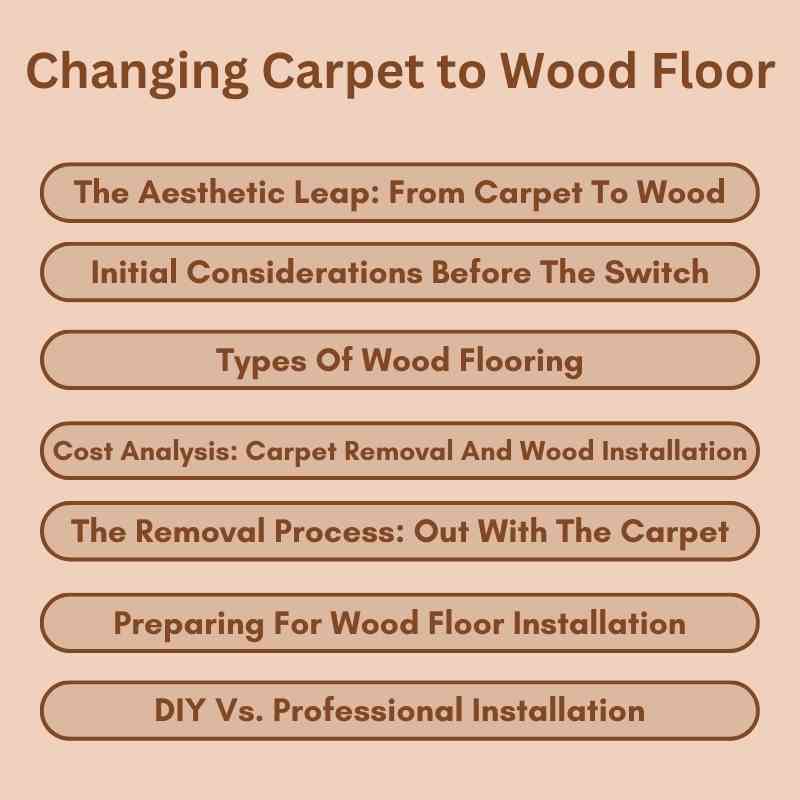
Initial Considerations Before The Switch
Before making the switch from carpet to wood flooring, there are several important factors to consider. These initial considerations will help ensure a smooth and successful transition while also optimizing the long-term performance and durability of your new wood floors.
Evaluating Your Current Carpet Condition
Assessing the current condition of your carpet is crucial before making the switch to wood flooring. Look for signs of wear and tear, stains, and any underlying issues such as moisture or mold. It’s essential to address any existing problems to prevent them from affecting the new wood flooring.
Understanding The Structural Needs For Wood Flooring
Wood flooring has specific structural requirements that need to be met for optimal performance. This includes ensuring a level subfloor, addressing any issues with moisture or humidity, and evaluating the compatibility of the existing subfloor with the chosen wood flooring material.
Types Of Wood Flooring
When considering changing carpet to wood floor, it’s essential to understand the different types of wood flooring available. Each type has its own characteristics and benefits, so choosing the right one is crucial for achieving the desired look and performance in your home.
Solid Hardwood Vs. Engineered Wood
Solid Hardwood Flooring: Made from a single piece of wood, solid hardwood flooring offers timeless beauty and durability. It can be sanded and refinished multiple times, making it a long-lasting option for your home.
Engineered Wood Flooring: Constructed from multiple layers of wood with a top layer of hardwood veneer, engineered wood flooring is designed to withstand moisture and temperature fluctuations. It’s a versatile choice for areas where solid hardwood may not be suitable, such as basements.
Choosing The Right Wood Species For Your Home
Oak: Known for its strength and natural grain patterns, oak is a popular choice for wood flooring. It comes in various shades, from light to dark, allowing for versatile design options.
Maple: With its smooth and consistent appearance, maple wood flooring adds a touch of elegance to any space. It’s highly durable and resistant to wear, making it ideal for high-traffic areas.
Walnut: Renowned for its rich, dark hues and striking grain patterns, walnut flooring brings warmth and character to rooms. It’s a luxurious option for creating a sophisticated ambiance.
Cherry: Cherry wood flooring exudes warmth and charm with its reddish-brown tones that deepen over time. It’s a classic choice for creating a welcoming atmosphere in living areas and bedrooms.
Hickory: Recognized for its strength and distinctive grain variations, hickory wood flooring adds a rustic yet elegant appeal to homes. It’s an excellent choice for achieving a unique and natural look.
Bamboo: As a sustainable and eco-friendly option, bamboo flooring offers strength and resilience. It’s available in various styles and colors, providing a modern and environmentally conscious flooring solution.
Cost Analysis: Carpet Removal And Wood Installation
When it comes to transforming your home, changing carpet to wood floors can make a significant impact. Not only does it enhance the aesthetic appeal, but it also offers durability and easy maintenance. However, before diving into this project, it’s essential to consider the cost analysis of carpet removal and wood installation. By understanding the budgeting process and hidden costs, you can make informed decisions and ensure a smooth transition.
Budgeting For Your New Wood Floors
Before undertaking any home improvement project, it’s crucial to establish a budget. Budgeting allows you to determine how much you’re willing to spend and find the best options within your financial means. When budgeting for new wood floors, consider the following factors:
- The square footage of the area you plan to cover with wood flooring
- The type of wood you desire, as different wood species have varying price ranges
- The cost of additional materials, such as underlayment and adhesive
- Labour costs if you choose to hire professionals for installation
By carefully budgeting for your new wood floors, you can have a clear understanding of the overall expenses involved and ensure that you stay within your financial limits.
Hidden Costs In Flooring Transitions
When transitioning from carpet to wood floors, it’s essential to consider any hidden costs that may arise. These hidden costs can impact your budget and should be taken into account during the planning process. Some potential hidden costs to be aware of include:
- Subfloor preparation: Depending on the condition of your current subfloor, additional work may be required to ensure a smooth and level surface for the wood installation.
- Removal and disposal of old carpet: If you’re replacing existing carpet, the cost of removing and disposing of it should be factored in.
- Trim and molding: Depending on the type of transition you desire between the wood floor and other surfaces, you may need to consider the cost of purchasing and installing trim or molding.
- Furniture removal and storage: If you have large furniture pieces that need to be moved during the installation process, you may need to account for the cost of temporary storage or hiring professional movers.
By considering these hidden costs, you can have a more accurate estimation of the total expenses involved in changing carpet to wood floors and avoid any surprises along the way.
The Removal Process: Out With The Carpet
Transforming your space from carpet to wood flooring is a popular home improvement project. With step-by-step instructions and careful removal of the carpet, you can achieve a stunning hardwood floor that adds value to your home. Avoiding damage to the existing hardwood underneath is crucial, so it’s best to do thorough research before starting the process.
Step-by-step Carpet Removal Guide
Replacing carpet with wood floors can be a great way to update your home’s look and feel. However, before you can enjoy the benefits of a new wood floor, you’ll need to remove the old carpet. Here is a step-by-step guide to help you through the carpet removal process:
- Remove all furniture and items from the room.
- Start at one corner of the room and use a pair of pliers to pull up the carpet from the tack strip.
- Roll up the carpet as you go, using a carpet knife to cut the carpet into manageable sections if needed.
- Remove the carpet padding and tack strips from the floor.
- Clean the floor thoroughly, removing any remaining staples or nails.
Disposing Of Old Carpet Responsibly
When disposing of your old carpet, it’s important to do so responsibly. Here are a few tips for disposing of old carpet:
- Contact your local waste management facility to find out if they accept carpet for recycling or disposal.
- If your carpet is still in good condition, consider donating it to a local charity or shelter.
- If you’re replacing your carpet due to damage or wear, consider repurposing it for use in your garage or basement.
By following these tips, you can ensure that your old carpet is disposed of responsibly and that your new wood floor installation goes smoothly.
Preparing For Wood Floor Installation
Changing carpet to wood floor is a popular home improvement project that can add value to your home. Before installing your new wood floor, it is important to properly prepare the subfloor to ensure a smooth and long-lasting installation. Here are some essential steps to prepare for your wood floor installation:
Subfloor Preparation Essentials
The subfloor is the foundation of your wood floor and must be properly prepared to ensure a successful installation. Here are the essential steps to prepare your subfloor:
- Clean the subfloor to remove any dirt, debris, or adhesive residue.
- Check the subfloor for any squeaks or loose boards and secure them with screws or nails.
- Ensure the subfloor is level by using a leveling compound or sanding high spots.
- Install a vapor barrier if necessary to prevent moisture from damaging your new wood floor.
Tools And Materials Checklist
Having the right tools and materials is crucial for a successful wood floor installation. Here is a checklist of the tools and materials you will need:
| Tools | Materials |
| Circular Saw | Wood Flooring |
| Jigsaw | Underlayment |
| Hammer | Vapor Barrier |
| Measuring Tape | Leveling Compound |
| Pry Bar | Screws/Nails |
| Chalk Line | Adhesive |
By following these essential steps and having the right tools and materials, you can properly prepare for your wood floor installation and ensure a successful and long-lasting result.
DIY Vs. Professional Installation
Replacing carpet with wood floor can be done through DIY or professional installation. While DIY may save money, professional installation can provide better quality and avoid potential mistakes. It’s important to weigh the cost and benefits before making a decision.
When it comes to changing carpet to wood floor, one of the key decisions you’ll need to make is whether to tackle the installation yourself or hire a professional flooring contractor. Both options have their pros and cons, and it’s important to consider your skill level, time availability, and budget before making a decision.
Pros And Cons Of Diy Wood Floor Installation
DIY wood floor installation can be an appealing option for those who are handy and looking to save money. Here are some of the pros and cons to consider:
| Pros | Cons |
|---|---|
|
|
When To Hire A Professional Flooring Contractor
If the DIY route seems overwhelming or you prefer to have the job done by a professional, it’s important to know when to hire a professional flooring contractor. Consider the following scenarios:
- You have limited experience or knowledge in flooring installation.
- You’re working with complex floor layouts or unique challenges.
- You have a tight timeline and need the job done quickly.
- You want to ensure a high-quality and long-lasting installation.
- You prefer to have the peace of mind that comes with professional expertise and warranty coverage.
By hiring a professional flooring contractor, you can expect a smoother and more efficient installation process, along with the assurance that the job will be done right the first time.
Maintenance And Care Post-installation
After replacing carpet with wood floors, it’s crucial to maintain and care for your new investment to ensure longevity and preserve its pristine appearance. Here are essential tips and best practices for maintaining and caring for your wood floors post-installation.
Tips For Extending The Life Of Your Wood Floors
1. Place rugs or mats in high-traffic areas to protect the wood from wear and tear.
2. Use furniture pads to prevent scratches and dents from heavy furniture.
3. Control indoor humidity levels to prevent wood contraction and expansion, ideally maintaining it between 35% and 55%.
4. Regularly inspect and repair any scratches, dents, or damages to the wood surface to prevent them from worsening.
Daily And Deep Cleaning Best Practices
For daily cleaning:
- Sweep or vacuum the floors regularly to remove dirt and debris.
- Use a damp mop with a pH-neutral wood floor cleaner for regular cleaning.
For deep cleaning:
- Deep clean the floors using a wood floor cleaner and a microfiber mop every few months.
- Avoid using excess water and harsh cleaning products that can damage the wood.
Impact On Home Value And Appeal
Replacing carpet with wood flooring can have a significant impact on the value and appeal of a home. Wood floors are highly sought after by homebuyers and can add a touch of elegance and sophistication to any space. In addition to the aesthetic appeal, wood flooring can also increase the overall value of the property, making it a worthwhile investment for homeowners.
Assessing The Roi Of Wood Flooring
When considering a home improvement project, it’s essential to assess the return on investment (ROI). Replacing carpet with wood flooring is a smart investment as it can yield a high ROI, especially in terms of increasing the resale value of the property. According to real estate experts, homes with wood flooring tend to sell for a higher price and attract more potential buyers, making it a financially sound decision.
Wood Floors In Real Estate Market Trends
In today’s real estate market, wood flooring is a coveted feature that can set a property apart from others. With the growing preference for hardwood floors among homebuyers, the demand for homes with wood flooring has surged. This trend has made wood flooring a valuable asset in the real estate market, contributing to the overall appeal and desirability of a property.
Personalizing Your Wood Floors
Transform your space by replacing carpet with stunning wood floors. Elevate the aesthetic and value of your home with this simple yet impactful upgrade. Experience the timeless beauty and warmth of wood beneath your feet.
Stain And Finish Options
When it comes to personalizing your wood floors, one of the key factors to consider is the stain and finish options. Choosing the right stain color can completely transform the look and feel of your space. Whether you prefer a light, natural tone or a rich, dark shade, there are numerous options available to suit your taste and style.
Additionally, the finish you choose plays a vital role in both the aesthetics and durability of your wood floors. A matte finish provides a more rustic and natural appearance, while a glossy finish adds a touch of elegance and sophistication. It’s important to consider factors such as foot traffic and maintenance when selecting the appropriate finish for your wood floors.
Incorporating Design Patterns And Borders
Another way to personalize your wood floors is by incorporating design patterns and borders. This allows you to add a unique touch and create a focal point in your space. Whether you opt for a classic herringbone pattern or a contemporary chevron design, the possibilities are endless.
Design patterns can be used to complement the overall style of your home or to create a statement piece in a specific area. Borders, on the other hand, can define different sections of a room or provide a seamless transition between different flooring materials.
By carefully selecting the right design patterns and borders, you can truly make your wood floors a reflection of your personal style and taste.
Ensuring Each Heading Adheres To Html Syntax
It is important to ensure that each H3 heading in your blog post adheres to HTML syntax. This is necessary for proper formatting and to maintain the structure of your content. To ensure compliance with HTML syntax, each H3 heading should be enclosed in opening and closing H3 tags, as shown in the following example:
Stain and Finish Options
By following HTML syntax guidelines, you can ensure that your blog post is properly formatted and accessible to both search engines and readers.
Common Challenges And Solutions
When it comes to changing carpet to wood floor, there are some common challenges that homeowners may encounter. However, with the right solutions, these challenges can be effectively addressed.
Handling Moisture And Humidity
Moisture and humidity can pose a threat to wood floors, potentially causing warping, cupping, or mold growth. It’s essential to address these issues to ensure the longevity of the wood flooring.
Dealing With Scratches And Repairs
Over time, wood floors may develop scratches or require repairs. It’s important to be prepared to handle these issues effectively to maintain the aesthetic appeal of the flooring.
Conclusion: Embracing The Change
Embrace the change by replacing your carpet with wood flooring. Enhance the look of your space with a step-by-step process that includes removing the old carpet, installing the hardwood floor, and enjoying the final result. Increase the value of your home and give it a fresh, updated feel with this cost-effective home improvement project.
Reflecting On The Transformation Journey
Replacing carpet with wood flooring is a big decision that can completely transform the look and feel of your home. It’s important to take a moment to reflect on the journey you’ve been on throughout the process. From picking out the perfect wood floor to watching the installation take place, every step is a part of the transformation journey. Reflect on the changes you’ve made and the benefits you’ve gained from making this switch.
Future-proofing Your Home’s Flooring
One of the major advantages of changing carpet to wood floor is future-proofing your home’s flooring. Wood floors are durable and easy to maintain, which means they will last for years to come. Unlike carpet, which can wear down and become stained over time, wood floors can be sanded and refinished to look like new. By investing in wood flooring, you’re ensuring that your home’s flooring will remain stylish and functional for years to come.
In conclusion, embracing the change of replacing carpet with wood flooring can lead to a beautiful and functional home. Reflect on the transformation journey and enjoy the benefits of future-proofing your home’s flooring.
Frequently Asked Questions
How Much Does It Cost To Replace Carpet With A Wooden Floor?
The cost to replace carpet with wooden flooring can range from $3 to $12 per square foot.
Can You Replace Carpet With Hardwood Floors?
Yes, you can replace carpet with hardwood floors for a popular and valuable home improvement project.
Does Replacing Carpet With Hardwood Increase Value?
Replacing carpet with hardwood flooring can increase the value of your home. It is a popular and cost-effective home improvement project that is highly desired by buyers. The transformation can give your space a more modern and sophisticated look, making it more appealing to potential buyers.
How Much To Turn Carpet Into Hardwood?
The cost to turn carpet into hardwood varies depending on several factors such as the size of the area, type of hardwood, and installation costs. On average, it can cost anywhere from $3 to $12 per square foot. It is best to get a quote from a professional to determine the exact cost.
Conclusion
Replacing carpet with wood floor is a smart investment that can add value to your home. With the right tools and a step-by-step guide, the process can be done smoothly and efficiently. While there may be some cost involved, the long-term benefits and aesthetic appeal of wood floor make it worth the investment.
Consider doing your research and consulting with professionals to ensure a successful transition from carpet to wood floor.