Cheaper Alternative to Hardwood Floors: Stylish Savings!
Laminate flooring is the cheapest alternative to hardwood floors. It is functional, easy to maintain, and offers a similar aesthetic appeal.
When looking for a cost-effective alternative to hardwood floors, laminate flooring emerges as the top choice. Made of particleboard wood with a high-resolution wood image layer, laminate flooring is durable and easy to install. Another affordable alternative is Luxury Vinyl Tile (LVT), which is moisture-resistant and suitable for underfloor heating.
Additionally, sheet vinyl and engineered wood flooring are budget-friendly options. When considering cost-effective flooring solutions that mimic the look of hardwood, these alternatives provide durability and aesthetic appeal without breaking the bank.
The Rise Of Hardwood Alternatives
Looking for a cheaper alternative to hardwood floors? Consider laminate planks, which offer a similar aesthetic at a more affordable price point. Made of a particleboard wood base with a high-resolution wood image layer, laminate flooring is durable and easy to maintain.
Cost Concerns Driving Alternatives
When it comes to choosing flooring options, cost plays a significant role in the decision-making process. Hardwood floors are known for their timeless beauty and durability, but they can also come with a hefty price tag. However, with the rise of hardwood alternatives, homeowners now have more affordable options that mimic the look of hardwood without breaking the bank.
Laminate flooring is one such alternative that has gained popularity in recent years. Made of a particleboard wood base with a high-resolution photograph of natural wood on top, laminate flooring provides the aesthetic appeal of hardwood at a fraction of the cost. Additionally, it is easy to install and requires minimal maintenance, making it a practical choice for budget-conscious homeowners.
Another cost-effective alternative is luxury vinyl tile (LVT). LVT offers a wide range of designs and patterns, including those that closely resemble hardwood. It is highly durable, moisture-resistant, and suitable for underfloor heating, making it a versatile option for various areas of the home. With advancements in technology, LVT has become more realistic in its appearance, providing an affordable alternative to hardwood floors.
Aesthetic Appeal On A Budget
While cost is a significant factor in choosing hardwood alternatives, homeowners also want to ensure that their flooring choice maintains aesthetic appeal on a budget. Fortunately, there are several options available that offer the look and feel of hardwood without the hefty price tag.
Engineered wood flooring is an excellent choice for those seeking a more affordable alternative. It consists of a thin layer of real wood veneer bonded to a plywood or high-density fiberboard (HDF) core. This construction method allows for greater stability and resistance to moisture compared to solid hardwood floors. Engineered wood flooring comes in various finishes and wood species, providing homeowners with a wide range of options to suit their aesthetic preferences.
Cork flooring is another budget-friendly alternative that offers a unique and eco-friendly option for homeowners. Made from the bark of cork oak trees, cork flooring provides a soft and comfortable surface to walk on while offering excellent thermal and acoustic insulation properties. It is also resistant to mold, mildew, and insects, making it a durable and low-maintenance flooring choice.
Lastly, bamboo flooring has gained popularity as a sustainable and cost-effective alternative to hardwood. Bamboo is a fast-growing grass that can be harvested within a few years, making it a renewable resource. It offers a similar look and feel to hardwood floors, with its distinctive grain patterns and warm tones. Bamboo flooring is also highly durable and resistant to moisture, making it suitable for areas with high foot traffic.
In conclusion, the rise of hardwood alternatives has provided homeowners with more options when it comes to choosing flooring on a budget. From laminate and luxury vinyl tile to engineered wood, cork, and bamboo, there are various alternatives available that offer the aesthetic appeal of hardwood at a fraction of the cost. By considering these alternatives, homeowners can achieve the look they desire while staying within their budget.
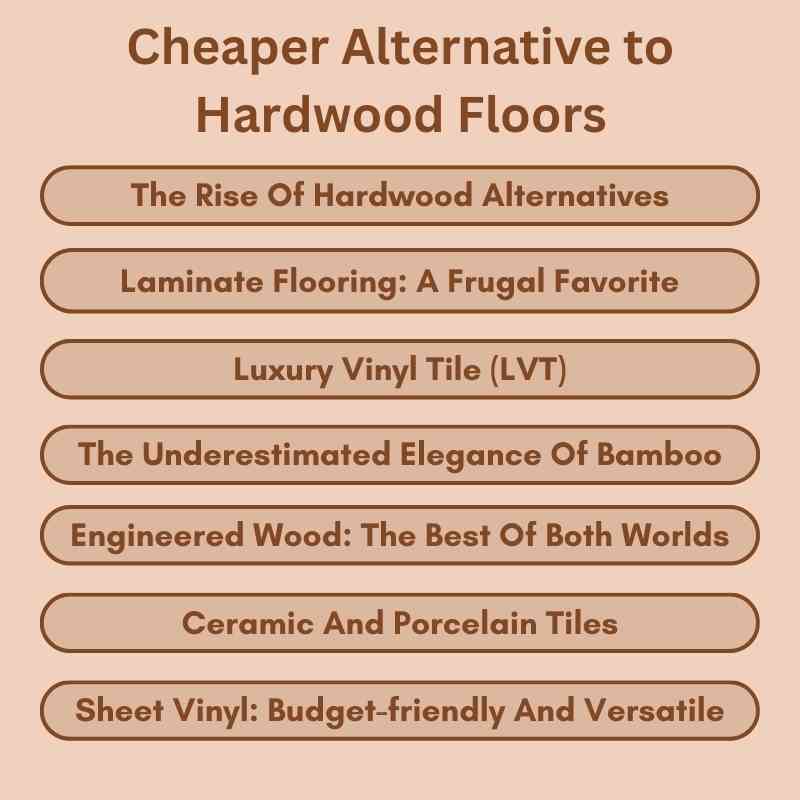
Laminate Flooring: A Frugal Favorite
When it comes to finding a cheaper alternative to hardwood floors, laminate flooring emerges as a frugal favorite. Laminate planks offer the look and feel of real wood at a fraction of the cost, making them a popular choice for budget-conscious homeowners. In this article, we will delve into the basics of laminate flooring, comparing its durability and maintenance with other flooring options.
The Basics Of Laminate
Laminate flooring is composed of a particleboard wood base topped with an image layer that replicates the appearance of natural wood. This image layer is then covered with a transparent wear layer, providing an additional shield against scratches and stains. The result is a flooring material that closely mimics the aesthetic appeal of hardwood, without the hefty price tag.
Comparing Durability And Maintenance
When it comes to durability, laminate flooring holds its own against hardwood. While solid hardwood is susceptible to scratches and dents, laminate is designed to withstand heavy foot traffic and resist damage. Its wear layer acts as a protective barrier, ensuring that the flooring remains in good condition for years to come.
In terms of maintenance, laminate flooring is a breeze to clean. Unlike hardwood, which requires regular refinishing and may be sensitive to moisture, laminate can be easily maintained with regular sweeping and occasional damp mopping. This makes it an ideal choice for busy households or those with pets and children.
Moreover, laminate flooring is available in a wide variety of styles and finishes, allowing homeowners to achieve the desired look for their space. From traditional oak to modern gray tones, there is a laminate option to suit every aesthetic preference.
In conclusion, laminate flooring offers a cost-effective alternative to hardwood floors without compromising on style or durability. Its affordability, low maintenance requirements, and ability to replicate the look of real wood make it a popular choice among homeowners seeking a frugal yet attractive flooring solution.
Luxury Vinyl Tile (LVT)
Luxury Vinyl Tile (LVT) is a popular and cost-effective alternative to hardwood floors. It offers the look and feel of natural wood while providing numerous practical benefits. LVT is designed to mimic the appearance of hardwood, making it a versatile and attractive flooring option for both residential and commercial spaces.
Advantages Over Hardwood
Durability: LVT is highly durable, making it resistant to scratches, dents, and stains. This durability makes it an ideal choice for high-traffic areas.
Moisture resistance: Unlike hardwood, LVT is resistant to moisture, making it suitable for areas prone to spills or high humidity, such as bathrooms and kitchens.
Affordability: LVT is more budget-friendly than hardwood flooring, offering a luxurious appearance at a fraction of the cost.
Installation And Care
Easy installation: LVT can be installed using various methods, including glue-down, click-lock, or loose lay, making it a convenient option for DIY enthusiasts or professional installers.
Low maintenance: LVT requires minimal maintenance, with regular sweeping and occasional mopping sufficient to keep it looking its best. Additionally, it does not require refinishing or sanding like hardwood floors.
The Underestimated Elegance Of Bamboo
Bamboo flooring offers an underestimated elegance, serving as a cheaper alternative to hardwood floors. Its durability and eco-friendly nature make it a practical and sustainable choice for homeowners seeking a stylish and cost-effective flooring solution.
Sustainability Meets Style
Bamboo flooring is an eco-friendly and sustainable alternative to traditional hardwood floors. Not only does bamboo grow faster than most hardwood trees, but it also requires less water and pesticides. This makes bamboo a great choice for homeowners who are looking for a stylish and environmentally friendly flooring option.
In addition to its sustainability benefits, bamboo flooring also offers a unique and elegant look to any space. With its natural grain patterns and warm tones, bamboo can add warmth and sophistication to any room in the house.
Bamboo Vs. Traditional Wood Floors
Compared to traditional hardwood floors, bamboo is a more cost-effective option. It is generally less expensive to purchase and install, making it a great choice for homeowners who want the look of hardwood without breaking the bank.
Bamboo is also more resistant to moisture and scratches than traditional hardwood, making it a great choice for high-traffic areas like kitchens and entryways. Additionally, bamboo is easy to maintain and clean, requiring only regular sweeping and occasional mopping.
Overall, bamboo flooring is a great alternative to hardwood floors that offers both sustainability and style benefits. Whether you’re looking to renovate your home or simply upgrade your flooring, bamboo flooring is definitely worth considering.
Engineered Wood: The Best Of Both Worlds
Engineered wood flooring offers a cost-effective alternative to hardwood floors. With a particleboard wood base and a high-resolution photograph of natural wood on top, it provides the best of both worlds – the look and feel of hardwood at a more affordable price.
When it comes to finding a cheaper alternative to hardwood floors, engineered wood is often the top choice for many homeowners. This type of flooring offers the best of both worlds – the beauty and durability of hardwood, with the affordability and versatility of engineered wood.
Construction
Engineered wood is made up of multiple layers of wood that are glued together in a cross-grain construction. The top layer is a thin slice of hardwood, while the lower layers are made up of high-quality plywood. This construction method allows the flooring to be more stable and resistant to changes in temperature and humidity, making it suitable for installation in various areas of your home.
Benefits
One of the biggest advantages of engineered wood flooring is its cost. It is generally less expensive than solid hardwood flooring while still providing the same aesthetic appeal. Additionally, it is easier to install than solid hardwood, as it can be glued down or floated over existing flooring, saving you time and money on installation costs. Engineered wood flooring is also more resistant to moisture and can be used in areas of the home where solid hardwood is not recommended, such as basements or kitchens.
Price Comparison with Solid Hardwood
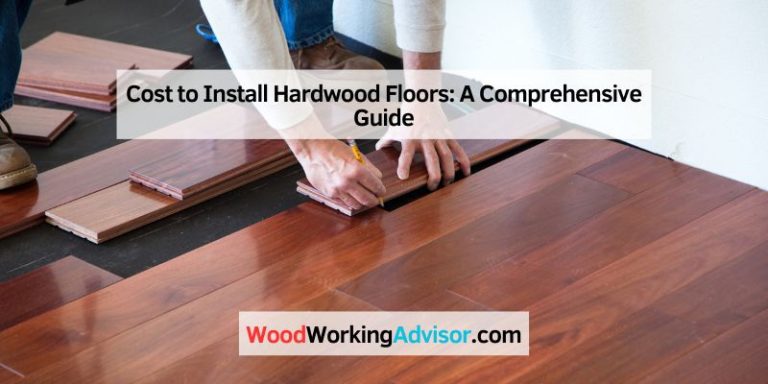
When comparing the price of engineered wood flooring to solid hardwood flooring, the cost savings can be significant. While solid hardwood flooring can cost anywhere from $8 to $14 per square foot, engineered wood flooring typically ranges from $4 to $10 per square foot, making it a more affordable option for homeowners on a budget.
In conclusion, engineered wood flooring is an excellent alternative to hardwood floors, offering the same beauty and durability at a lower cost. With its stable construction and resistance to moisture, it can be used in a variety of areas in your home, making it a versatile and practical choice for any homeowner.
Ceramic And Porcelain Tiles
Ceramic and porcelain tiles are an affordable alternative to hardwood floors. They offer durability, easy maintenance, and a wide range of styles that mimic the look of wood. These tiles are a cost-effective choice for achieving the aesthetic of hardwood without the high price tag.
Ceramic and porcelain tiles are an excellent alternative to hardwood floors. Not only do they offer a similar aesthetic appeal, but they also provide a variety of benefits that make them a worthwhile investment. One of the main advantages of ceramic and porcelain tiles is their longevity and cost-effectiveness. These tiles are incredibly durable and can withstand heavy foot traffic, making them ideal for high-traffic areas like kitchens and entryways. In addition, they are easy to clean and maintain, making them a practical choice for busy households.
Wood-look Tiles As An Alternative
One popular trend in ceramic and porcelain tiles is the use of wood-look tiles. These tiles mimic the natural look and texture of hardwood floors, making them an attractive alternative for homeowners who want the look of wood without the cost or maintenance. Wood-look tiles come in a variety of colors and finishes, from light oak to dark walnut, and can be installed in a variety of patterns to create a unique and personalized look.
Longevity And Cost-effectiveness
Another advantage of ceramic and porcelain tiles is their longevity and cost-effectiveness. Unlike hardwood floors, which require regular refinishing and can be easily damaged by moisture and heavy foot traffic, ceramic and porcelain tiles are incredibly durable and resistant to wear and tear. They are also less expensive than hardwood floors, making them a more cost-effective option for homeowners on a budget.
Overall, ceramic and porcelain tiles are an excellent alternative to hardwood floors. With their durability, cost-effectiveness, and attractive appearance, they are a smart investment for any homeowner looking to upgrade their flooring. Whether you choose wood-look tiles or a more traditional ceramic or porcelain tile, you can enjoy the benefits of a beautiful and practical flooring option for years to come.
Sheet Vinyl: Budget-friendly And Versatile
Sheet vinyl is a budget-friendly and versatile option for those seeking a cheaper alternative to hardwood floors. With its durability and easy maintenance, it provides a cost-effective solution without compromising on style and functionality.
When it comes to affordable flooring options, sheet vinyl is a top contender. This type of flooring is budget-friendly and versatile, making it a popular choice for homeowners on a tight budget. Here are some pros and cons of sheet vinyl to consider before making a decision.
Pros And Cons Of Sheet Vinyl
Pros:
- Cost-effective: Sheet vinyl is one of the most affordable flooring options available, making it ideal for those on a tight budget.
- Easy to maintain: Sheet vinyl is easy to clean and maintain, making it a practical choice for high-traffic areas of the home.
- Water-resistant: Sheet vinyl is water-resistant, making it a great option for bathrooms and kitchens.
- Versatile: Sheet vinyl is available in a wide range of colors and patterns, making it easy to find a style that complements your home’s décor.
Cons:
- Not as durable: Sheet vinyl is not as durable as other flooring options, such as hardwood or tile.
- May show wear and tear: Over time, sheet vinyl may show signs of wear and tear, such as scratches and scuffs.
- Difficult to repair: If sheet vinyl is damaged, it can be difficult to repair, and in some cases, the entire flooring may need to be replaced.
Creative Uses In Home Design
Sheet vinyl is a versatile flooring option that can be used in a variety of creative ways in home design. Here are some ideas to consider:
- Use sheet vinyl to create a bold patterned floor in a small bathroom.
- Install sheet vinyl in a mudroom or entryway for a durable and practical flooring option.
- Choose sheet vinyl that looks like wood or tile to achieve the look of a more expensive flooring option without the price tag.
- Use sheet vinyl in a rental property or vacation home for a cost-effective and easy-to-maintain flooring solution.
In conclusion, sheet vinyl is a budget-friendly and versatile flooring option that can be a great choice for homeowners on a tight budget. While it may not be as durable as other flooring options, sheet vinyl is easy to maintain and offers a wide range of creative uses in home design. Consider the pros and cons before making a decision and explore the many ways sheet vinyl can enhance your home’s décor.
Concrete Flooring: Industrial Chic
When it comes to flooring options, concrete has emerged as a popular choice for homeowners seeking a contemporary, industrial look. Its sleek, minimalist appearance and durability make it a cheaper alternative to traditional hardwood floors. Let’s explore why concrete flooring is gaining popularity as a stylish and cost-effective option for modern homes.
Why Choose Concrete?
Concrete flooring offers a range of benefits that make it an attractive alternative to hardwood. Here are some key reasons why homeowners are opting for concrete:
- Durability: Concrete floors are highly resistant to wear and tear, making them suitable for high-traffic areas.
- Low maintenance: With minimal upkeep required, concrete flooring is easy to clean and maintain.
- Versatility: It can be customized with various finishes, colors, and textures to suit different interior design preferences.
- Cost-effective: Compared to hardwood, concrete is often more budget-friendly, offering a cost-effective flooring solution.
- Environmentally friendly: Concrete flooring can be an eco-friendly choice, especially when using sustainable materials.
Personalizing Your Concrete Floors
One of the appealing aspects of concrete flooring is the ability to personalize it to match your home’s aesthetic. Here are some options for customizing your concrete floors:
- Staining: Achieve a unique look by staining the concrete in various shades to complement your interior decor.
- Polishing: Opt for a polished finish to add a touch of elegance and reflectivity to your concrete floors.
- Textured finishes: Create visual interest with textured finishes that mimic the look of natural stone or wood.
- Inlays and patterns: Incorporate patterns, stenciled designs, or inlays to add visual intrigue to your concrete flooring.
Cork Flooring: Comfort And Eco-friendly
When it comes to finding a cheaper alternative to hardwood floors, cork flooring stands out as an excellent choice. Not only does it provide a comfortable and eco-friendly option, but it also offers a unique set of properties that make it a popular flooring option for many homeowners.
Cork’s Unique Properties
Cork flooring is known for its unique properties that set it apart from other flooring options. One of the standout features of cork is its natural ability to provide cushioning and comfort underfoot. The cellular structure of cork creates a soft and springy surface, making it a joy to walk on. This makes cork flooring an ideal choice for areas where you spend a lot of time standing, such as kitchens or playrooms.
In addition to its comfort, cork flooring is also highly durable and resistant to wear and tear. The natural properties of cork make it resilient against scratches, dents, and stains, making it a great choice for high-traffic areas in your home. Furthermore, cork is naturally antimicrobial and hypoallergenic, making it a healthy choice for those with allergies or respiratory issues.
Price Point And Installation
One of the major advantages of cork flooring is its affordability compared to hardwood floors. Cork is generally more budget-friendly, making it an attractive option for homeowners who want the look and feel of hardwood without the high price tag.
In terms of installation, cork flooring can be installed as floating floorboards, which means it can be laid over existing flooring without the need for extensive subfloor preparation. This makes the installation process quicker and more cost-effective. However, it’s important to note that professional installation is recommended to ensure proper sealing and a seamless finish.
Overall, cork flooring offers a comfortable and eco-friendly alternative to hardwood floors. Its unique properties, affordability, and easy installation make it a popular choice among homeowners looking for a cost-effective and sustainable flooring option.
Carpeting: A Cozy And Affordable Option
When it comes to finding a cheaper alternative to hardwood floors, carpeting is a popular choice that offers both comfort and affordability. With a wide range of options available, you can easily find a carpet that suits your style and budget. Let’s explore the different types of carpet that serve as excellent alternatives to hardwood floors.
Types Of Carpet As Hardwood Alternatives
Carpeting comes in various types, each with its own unique features and benefits. Here are some popular types of carpet that you can consider as alternatives to hardwood floors:
- Plush Carpet: Plush carpet is known for its luxurious feel and smooth texture. It adds a touch of elegance to any room and provides a cozy surface to walk on.
- Loop Pile Carpet: Loop pile carpet is durable and resistant to wear and tear. It features looped fibers that create a textured appearance and provide excellent stain resistance.
- Berber Carpet: Berber carpet is a low-pile option that is highly durable and easy to maintain. It is known for its unique looped construction, which gives it a distinctive appearance.
- Frieze Carpet: Frieze carpet is characterized by its twisted and textured fibers, creating a casual and modern look. It is resistant to footprints and stains, making it a practical choice for high-traffic areas.
Care And Longevity
Proper care and maintenance are essential to ensure the longevity of your carpet. Here are some tips to keep your carpet in good condition:
- Vacuum regularly to remove dirt and debris.
- Address spills and stains promptly using appropriate cleaning methods.
- Place doormats at entryways to minimize dirt and moisture.
- Rotate furniture periodically to prevent uneven wear.
- Consider professional carpet cleaning to deep clean and refresh your carpet.
By following these care tips, you can extend the lifespan of your carpet and enjoy its cozy and affordable benefits for years to come.
Mix And Match: Combining Flooring Types
When it comes to flooring, mixing and matching different types can offer both cost savings and functional benefits. By strategically placing various flooring materials and designs throughout your home, you can create a unique and visually appealing space while optimizing for cost and practicality.
Strategic Placement For Cost And Function
Strategic placement of different flooring types can help you save money without compromising on aesthetics or performance. For example, using more affordable options in low-traffic areas or spaces with higher moisture levels can be a cost-effective strategy.
Additionally, combining different flooring materials based on their durability and maintenance requirements can ensure that each area of your home is equipped with the most suitable and budget-friendly option.
Designing With Multiple Flooring Options
Designing with multiple flooring options allows for creativity and flexibility in creating distinct zones within a living space. For instance, using laminate or vinyl in high-traffic areas such as the kitchen and entryways, and carpet or hardwood in the living room can provide a balance between style, durability, and cost-efficiency.
Moreover, mixing and matching different flooring types can add visual interest and depth to your home’s interior design, allowing you to customize each room according to its unique functionality and aesthetic preferences.
Installation And DIY Considerations
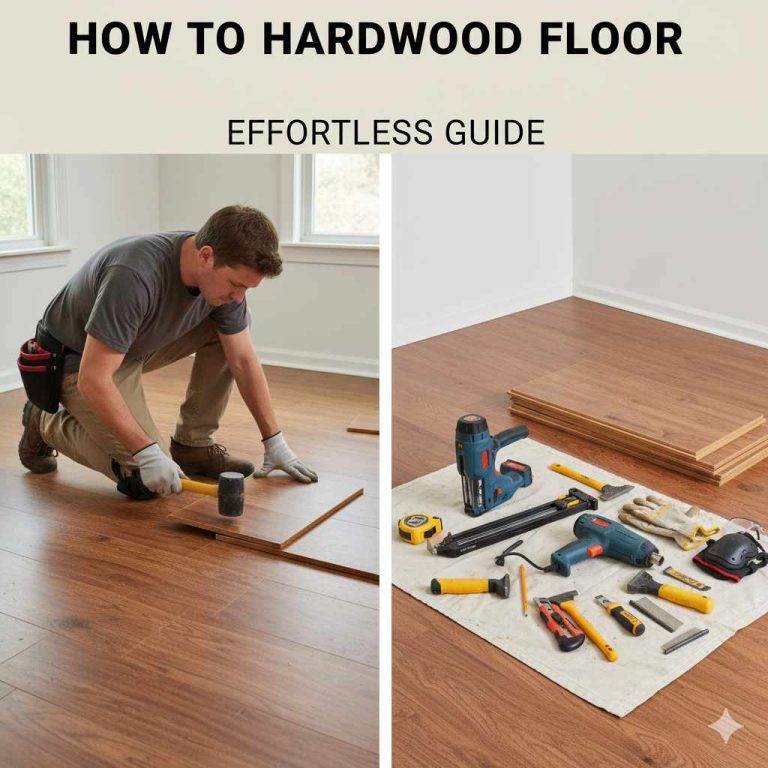
Looking for a cheaper alternative to hardwood floors? Consider laminate planks. They are affordable, easy to install, and come in a variety of styles that mimic the look of real wood. Plus, they are easy to maintain and durable.
Choosing The Right DIY Project
When it comes to installing cheaper alternatives to hardwood floors, choosing the right DIY project is crucial. Some options, such as laminate flooring or luxury vinyl planks, are more DIY-friendly compared to others like ceramic tile or concrete. Laminate flooring is a popular choice as it is relatively easy to install and requires minimal tools. Luxury vinyl planks, on the other hand, are designed to mimic the appearance of hardwood floors and can be installed using a simple click-and-lock system. These options not only offer cost savings but also allow homeowners to take on the installation themselves.
When To Call In The Professionals
While DIY installation can be a cost-effective solution, there are instances when it is best to call in the professionals. If you have limited experience with flooring installation or are unsure about your DIY skills, it is recommended to seek professional help. This is especially true for flooring options that require precise cutting and fitting, such as ceramic tile or concrete. Professional installers have the expertise and tools necessary to ensure a seamless and durable floor installation. Additionally, hiring professionals can save you time and effort, as they can complete the installation efficiently while you focus on other aspects of your home improvement project.
Frequently Asked Questions
What Is The Cheapest Alternative To Wood Flooring?
Laminate flooring is the cheapest alternative to wood flooring. It’s made of a particleboard wood base with a high-resolution photograph of natural wood on top. It’s functional, easy to maintain, and offers a cost-effective option for achieving the look of hardwood floors.
What Type Of Flooring Is Closest To Hardwood?
Laminate flooring is the closest alternative to hardwood. It is made of a particleboard wood base with a high-resolution photograph of natural wood on top covered with a transparent wear layer for extra protection. Laminate planks are affordable, functional and easy to maintain.
Other alternatives to hardwood include luxury vinyl, concrete, ceramic tile, pine, maple and birch floors.
What Is The Best Alternative To Real Wood Flooring?
Laminate and Luxury Vinyl Tile (LVT) are the best alternatives to real wood flooring. Laminate is affordable, easy to install, but not as long-lasting and not real wood. LVT is more affordable than real wood, easy to install, very durable, moisture-resistant, and suitable for underfloor heating, but also not real wood.
Both options offer a similar look to hardwood flooring without the high cost.
What Is The Cheapest Flooring To Put In A House?
Laminate flooring is the cheapest alternative to put in a house. It is made of a particleboard wood base with a high-resolution photograph of natural wood on top, covered with a transparent wear layer for extra protection. Cork, porcelain tile, bamboo, vinyl flooring, and carpet are also cheaper alternatives to hardwood floors.
Conclusion
When searching for a cheaper alternative to hardwood floors, laminate flooring emerges as a viable option. Laminate planks are not only affordable but also offer a realistic wood-like appearance. They are easy to maintain and provide durability with a wear layer for added protection.
Other alternatives, such as luxury vinyl, concrete, and ceramic tile, also offer similar benefits. Consider these options to achieve the desired aesthetic without breaking the bank. Explore the various alternatives and find the perfect fit for your home.