Circular Saw for Cutting Pavers: Precision Guide
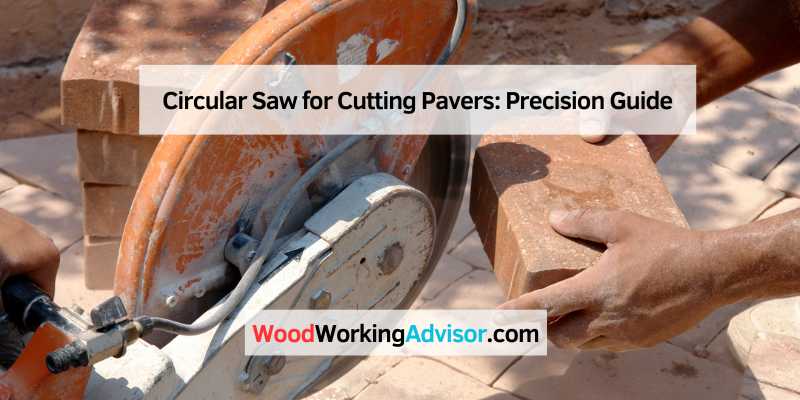
A circular saw is an effective tool for cutting pavers. It can make quick and precise cuts on concrete or brick pavers, as well as natural stone pavers.
With the right blade and technique, a circular saw can be a valuable asset for any DIY or professional project involving paver cutting. While other tools like chisels and hammers can also be used for cutting pavers, a circular saw offers a more efficient and dust-free option.
We’ll discuss how to use a circular saw for cutting pavers and provide some tips to make the process easier.
Choosing The Right Circular Saw
When it comes to cutting pavers, choosing the right circular saw is crucial for achieving precise and efficient results. With a variety of blade types and power requirements to consider, selecting the most suitable circular saw for your project can make a significant difference in the outcome.
Blade Types For Paver Cutting
When selecting a circular saw for cutting pavers, it’s essential to consider the blade type. Diamond blades are the most suitable for cutting through hard materials such as concrete and stone pavers. These blades are designed with industrial-grade diamonds embedded in the edge, allowing them to slice through tough paver materials with ease.
Additionally, segmented diamond blades feature gullets or slots that help to remove debris and enhance cooling during the cutting process, making them ideal for prolonged use.
Power Requirements And Motor Strength
The power requirements and motor strength of a circular saw play a crucial role in its performance when cutting pavers. Opt for a saw with a high-powered motor to ensure it can handle the rigors of cutting through dense paver materials effortlessly.
Consider the amperage and voltage of the saw to ensure it delivers sufficient power for the cutting task at hand. A higher amperage and voltage can provide the necessary strength and speed to tackle demanding paver cutting projects effectively.
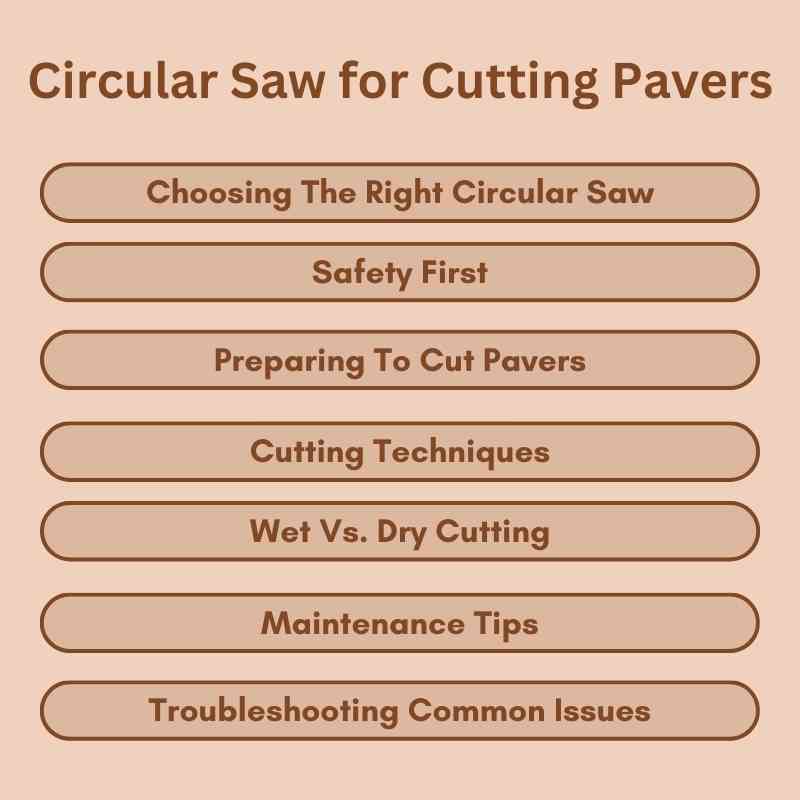
Safety First
When it comes to using a circular saw for cutting pavers, safety should always be your top priority. By following proper safety guidelines and using the appropriate personal protective equipment (PPE), you can ensure a safe and successful cutting experience.
Personal Protective Equipment
Before operating a circular saw, it is crucial to equip yourself with the necessary personal protective equipment (PPE) to protect against potential hazards. The following PPE should be worn:
- Safety goggles or glasses: These will shield your eyes from flying debris and particles.
- Ear protection: Wearing earplugs or earmuffs will help protect your hearing from the loud noise generated by the circular saw.
- Dust mask: A dust mask is essential for filtering out dust and other airborne particles that may be produced during cutting.
- Gloves: Wearing gloves will provide added grip and protect your hands from potential cuts or abrasions.
- Protective clothing: It is recommended to wear long sleeves, long pants, and sturdy closed-toe shoes to protect your body from any flying debris.
Circular Saw Handling Practices
Proper handling of the circular saw is crucial for both your safety and the quality of the cuts. Follow these practices to ensure a safe and efficient cutting process:
- Read the instruction manual: Familiarize yourself with the manufacturer’s guidelines and safety instructions before operating the circular saw.
- Inspect the saw: Check for any damage, loose parts, or abnormalities before starting the saw. Ensure the blade is in good condition and properly attached.
- Secure the workpiece: Use clamps or a vise to secure the paver firmly in place before making any cuts. This will prevent it from moving or shifting during the cutting process.
- Position yourself correctly: Stand in a stable and balanced position, with your feet shoulder-width apart. Maintain a firm grip on the saw with both hands.
- Start the saw away from the workpiece: Before making contact with the paver, ensure that the saw is running at full speed. Start the saw away from the workpiece and gradually guide it into the desired cutting line.
- Take breaks: Cutting pavers can be physically demanding. Take regular breaks to avoid fatigue and maintain focus.
By following these safety guidelines and handling practices, you can confidently and safely use a circular saw for cutting pavers. Remember, safety should always come first to prevent accidents and ensure a successful cutting experience.
Preparing To Cut Pavers
Before cutting pavers with a circular saw, it’s crucial to prepare the work area and the pavers themselves. This involves marking and measuring the pavers accurately and securing them properly to ensure safe and precise cutting.
Marking And Measuring
Begin by marking the cut lines on the pavers using a chalk line or a straight edge and a pencil. Ensure that the measurements are precise and double-check them to avoid errors during cutting. Consistent and accurate markings are essential for achieving clean and uniform cuts.
Securing Pavers For Cutting
Once the pavers are marked, it’s important to secure them in place before cutting. This can be done by using clamps or a stable work surface to prevent the pavers from shifting during the cutting process. Securing the pavers effectively ensures safety and helps maintain the accuracy of the cuts.
Cutting Techniques
Cutting pavers can be made easy with a circular saw, which is a powerful tool that can make straight and accurate cuts. To cut pavers using a circular saw, you need to mark the cuts, clamp the material, and set the saw before making the cut.
There are various circular saws available in the market, with prices ranging from $34. 99 to $279. 99.
Straight Cuts
When it comes to cutting pavers with a circular saw, mastering the technique for straight cuts is essential. Follow these steps for clean and precise straight cuts:
- Measure and mark the desired cut line on the paver using a pencil or chalk.
- Ensure the paver is securely clamped or held in place to prevent movement during cutting.
- Adjust the cutting depth of the circular saw to match the thickness of the paver.
- Start the circular saw and wait for it to reach full speed before making contact with the paver.
- Slowly guide the circular saw along the marked cut line, applying even pressure and maintaining a steady pace.
- Continue cutting until the entire length of the paver is severed.
- Allow the circular saw blade to come to a complete stop before removing it from the cut.
Curved And Corner Cuts
When it comes to cutting pavers with curved or corner cuts, a different technique is required. Follow these steps for smooth and accurate curved and corner cuts:
- Measure and mark the desired curve or corner on the paver using a flexible tape measure or string.
- Use a pencil or chalk to transfer the marked curve or corner onto the paver.
- Securely clamp or hold the paver in place to prevent movement during cutting.
- Adjust the cutting depth of the circular saw to match the thickness of the paver.
- Start the circular saw and wait for it to reach full speed before making contact with the paver.
- Slowly guide the circular saw along the marked curve or corner, following the line with precision.
- Make small, controlled adjustments as needed to maintain the desired curve or corner shape.
- Continue cutting until the entire curve or corner is completed.
- Allow the circular saw blade to come to a complete stop before removing it from the cut.
By mastering these cutting techniques, you’ll be able to achieve professional-looking results when using a circular saw to cut pavers. Remember to always prioritize safety by wearing appropriate protective gear and following the manufacturer’s instructions for your specific circular saw model.
Wet Vs. Dry Cutting
Cutting pavers can be done using either wet or dry cutting methods with a circular saw. While dry cutting is faster and easier, wet cutting produces less dust and reduces the risk of overheating the saw blade. Choose the method that best suits your needs and preferences.
Benefits Of Wet Cutting
Wet cutting involves using water to cool the blade and suppress dust while cutting pavers. This method is best suited for large projects or cutting thick pavers. The benefits of wet cutting include:
- Reduced dust and debris
- Less wear and tear on the blade
- Increased precision and accuracy
- Less noise during the cutting process
Dust Management In Dry Cutting
Dry cutting, on the other hand, involves cutting pavers without the use of water. This method is best suited for small projects or cutting thin pavers. However, dry cutting generates a lot of dust and debris, which can be harmful to your health and the environment. To manage dust during dry cutting, you can use:
- A dust collection system
- A dust mask
- Wetting the pavers before cutting
- Cleaning up dust regularly during the cutting process
Ultimately, the choice between wet and dry cutting depends on the size and scope of your project, as well as personal preference. However, if you want to minimize dust and debris while cutting pavers with a circular saw, wet cutting is the way to go.
Maintenance Tips
Looking for maintenance tips for your circular saw used for cutting pavers? Check out these easy-to-follow guidelines to ensure optimal performance and longevity of your tool. Keep the blade sharp, clean the saw regularly, and lubricate moving parts to keep it running smoothly.
Remember to always wear appropriate safety gear while using the circular saw.
Blade Cleaning And Replacement
To ensure the longevity of your circular saw blade and maintain its cutting efficiency, it is essential to clean it after every use. You can use a wire brush or a soft-bristled brush to remove any debris or buildup on the blade. Make sure to use a damp cloth to wipe the blade clean and dry it thoroughly before storing it.
If you notice any chips, cracks, or missing teeth on the blade, it’s time to replace it. A damaged blade not only affects the quality of the cut but also poses a safety risk.
Circular Saw Upkeep
Apart from the blade, the overall maintenance of the circular saw is crucial for its optimal performance. Here are a few upkeep tips that can help:
- Regularly check the saw’s base plate and ensure it’s clean and free of debris.
- Check the blade guard and make sure it moves freely.
- Inspect the power cord for any signs of wear and tear, and replace if necessary.
- Keep the saw’s motor vents clean and clear of dust buildup.
- Store the saw in a dry and safe place to prevent any damage.
By following these maintenance tips, you can ensure the longevity and optimal performance of your circular saw for cutting pavers. Remember to always prioritize safety and use appropriate protective gear while using the saw.
Troubleshooting Common Issues
When it comes to cutting pavers with a circular saw, there are a few common issues that you may encounter. These issues can affect the quality and accuracy of your cuts, as well as the overall performance of the saw. In this section, we will discuss how to troubleshoot and overcome these common issues to ensure smooth and efficient cutting.
Overcoming Blade Jamming
Blade jamming is a common problem when cutting pavers with a circular saw. It can happen when the blade gets clogged with debris or when the material being cut is too hard for the blade to handle. To overcome this issue, follow these steps:
- First, make sure that the blade is clean and free from any debris. Use a brush or compressed air to remove any buildup.
- Next, check the blade for any signs of damage or wear. A dull or damaged blade can easily get jammed. If necessary, replace the blade with a new one.
- Adjust the cutting depth of the saw to ensure that it is not set too deep. Cutting too deep can put extra strain on the blade and cause it to jam.
- Take your time and apply steady, even pressure when cutting. Avoid forcing the saw through the material, as this can increase the risk of blade jamming.
Adjusting For Uneven Cuts
Uneven cuts can occur when the saw is not properly aligned or when the material being cut is not level. To adjust for uneven cuts, follow these steps:
- Start by checking the alignment of the saw. Ensure that the blade is perpendicular to the material being cut. If necessary, adjust the saw’s angle or position to achieve a straight cut.
- If the material being cut is not level, use shims or wedges to support and stabilize it. This will help maintain a consistent cutting depth and prevent the saw from veering off course.
- Consider using a guide or fence to help guide the saw along a straight line. This can help ensure that your cuts are even and precise.
By following these troubleshooting tips, you can overcome common issues when cutting pavers with a circular saw. Remember to always prioritize safety and take the necessary precautions when operating power tools. Happy cutting!
Advanced Techniques
When it comes to cutting pavers, employing advanced techniques with a circular saw can significantly enhance the precision and efficiency of the process. In this section, we will explore two advanced methods that can elevate your paver cutting skills to the next level.
Bevel Cuts For Paver Edging
Bevel cuts are a valuable technique for creating clean and polished edges on pavers. By adjusting the angle of the circular saw blade, you can achieve precise bevel cuts that seamlessly fit together, adding a professional touch to your hardscaping projects. This method is particularly useful for creating smooth transitions between different sections of pavers, enhancing the overall aesthetic appeal of the design.
Stack Cutting For Efficiency
Stack cutting involves the simultaneous cutting of multiple pavers stacked on top of each other, allowing you to complete the task more efficiently. By carefully aligning the pavers and securing them in place, you can use the circular saw to make uniform cuts across the entire stack. This technique not only saves time but also ensures consistency in the dimensions of the pavers, facilitating a smoother installation process.
Accessorizing Your Circular Saw
When it comes to cutting pavers, having the right accessories for your circular saw can make all the difference. These add-ons can enhance the performance and versatility of your tool, allowing you to achieve precise cuts and improve your overall efficiency. In this section, we will explore some essential accessories that you should consider for your circular saw.
Guide Attachments
One of the key accessories for cutting pavers with a circular saw is a guide attachment. This attachment helps you maintain a straight and accurate cutting line, ensuring that your cuts are clean and precise. Whether you are working on a small DIY project or a large-scale construction job, a guide attachment can be a game-changer. It eliminates the need for manual measurements and reduces the risk of errors, saving you time and effort.
Extension Cords And Portability
Another important factor to consider when accessorizing your circular saw is its portability. Depending on the size of your project, you may need to move around and work in different areas. To ensure maximum flexibility, it is essential to have an extension cord that allows you to reach distant power sources. Look for heavy-duty cords that can handle the power requirements of your circular saw, ensuring a consistent and reliable power supply.
Additionally, consider investing in a portable workbench or table that can provide a stable surface for cutting pavers. This will not only make your work more comfortable but also help you achieve accurate and consistent cuts. Some portable workbenches even come with built-in clamps and guides, further enhancing your cutting precision.
In conclusion, accessorizing your circular saw for cutting pavers can greatly enhance your productivity and the quality of your work. By investing in guide attachments, extension cords, and portable workbenches, you can achieve precise cuts, save time, and improve your overall efficiency. These accessories are essential for both DIY enthusiasts and professionals in the construction industry.
Comparative Analysis
When it comes to cutting pavers, using a circular saw is a popular choice among DIY enthusiasts and professionals. In this comparative analysis, we will evaluate the cost-effectiveness and performance of circular saws in comparison to other paver cutting tools.
Circular Saw Vs. Other Paver Cutting Tools
When comparing circular saws to other paver cutting tools, it’s essential to consider the efficiency and precision of the cutting process. While manual tools like chisels and hammers require physical exertion and may result in less precise cuts, table saws and demo saws offer alternative mechanized cutting methods. However, circular saws stand out for their versatility, allowing for straight and curved cuts with ease.
Cost-effectiveness And Performance
Cost-effectiveness is a crucial factor when choosing a paver cutting tool. Circular saws, such as the VEVOR Electric Concrete Saw and the Bauer Compact Circular Saw, offer competitive pricing compared to other tools like demo saws and table saws. Additionally, circular saws provide efficient performance, enabling users to achieve clean and accurate cuts while minimizing dust and debris.
DIY Paver Projects
When it comes to DIY paver projects, having the right tools is essential for ensuring a professional and precise finish. One of the key tools for cutting pavers is a circular saw, which allows for clean and accurate cuts, making it ideal for various paver projects.
Walkways And Patios
For creating walkways and patios using pavers, a circular saw offers the versatility to make straight cuts and intricate shapes with ease. Its portability and efficiency make it a valuable tool for DIY enthusiasts looking to enhance their outdoor spaces.
Decorative Paver Designs
When it comes to decorative paver designs, a circular saw enables precise cutting to bring intricate patterns and designs to life. Whether it’s creating a unique mosaic or incorporating custom shapes, the circular saw empowers DIYers to unleash their creativity.
How To Cut Pavers With A Circular Saw
When using a circular saw to cut pavers, it’s important to follow proper techniques to achieve accurate and clean cuts. Ensure the pavers are securely clamped and marked for precision before making the cuts. Additionally, wearing appropriate safety gear is crucial for a safe and successful DIY project.
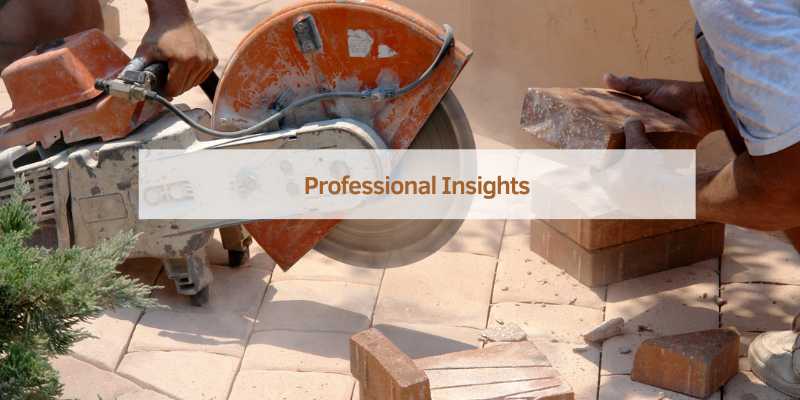
Professional Insights
Upgrade your paving game with professional insights on using a circular saw for cutting pavers. Achieve clean, precise cuts for your hardscaping projects with the right tools and techniques, ensuring a polished finish every time. Explore the best options and methods for a seamless cutting experience.
Tips From Experienced Contractors
When it comes to cutting pavers, professional contractors have valuable insights that can help you achieve the best results. Here are some tips from experienced contractors:
- Choose the Right Circular Saw: Invest in a high-quality circular saw with a diamond blade specifically designed for cutting pavers. This will ensure clean and precise cuts.
- Wear Safety Gear: Always prioritize safety by wearing protective goggles, gloves, and earplugs. Paver cutting can create flying debris and loud noises.
- Prepare the Work Area: Clear the area of any obstacles and ensure a stable surface for cutting. This will prevent accidents and ensure accurate cuts.
- Mark the Cuts: Use a chalk line or a straight edge to mark the desired cutting lines on the paver surface. This will guide your cuts and help maintain consistency.
- Secure the Paver: Use clamps or a vice grip to secure the paver in place before making any cuts. This will prevent it from shifting during the cutting process.
- Start with Shallow Cuts: Begin cutting with a shallow depth and gradually increase it with each pass. This will minimize the risk of chipping or breaking the paver.
- Keep the Blade Cool: To prevent overheating, periodically cool the blade by dipping it in water or using a wet sponge. This will prolong the life of the blade.
- Practice Proper Technique: Maintain a steady hand and apply gentle pressure while cutting. Let the saw do the work and avoid forcing it through the paver.
- Clean the Work Area: After cutting the pavers, remove any dust and debris from the work area. This will ensure a clean finish and prevent accidents.
Choosing Projects For DIY Vs. Professional Help
While cutting pavers with a circular saw can be a DIY project, there are certain factors to consider when deciding whether to seek professional help:
| DIY | Professional Help |
|---|---|
|
|
It’s important to assess your skills, available time, and the complexity of the project before deciding whether to tackle cutting pavers yourself or hire a professional. Remember, professional help ensures expertise and saves you time and effort.
Frequently Asked Questions
Can You Cut Paver With A Circular Saw?
Yes, you can cut pavers with a circular saw, which is effective for concrete or brick paver cuts. Angle grinders are also suitable, especially for natural stone pavers. Additionally, concrete saws are popular for cutting pavers, some with built-in water hoses for less dust.
What Tool Do You Use To Cut Pavers?
A circular saw or an angle grinder can be used to cut pavers, including concrete, brick, and natural stone. These tools are effective and can make quick work of the cuts. Some concrete saws even have built-in water hoses for wet cutting.
What Saw Is Best For Cutting Paving?
For cutting pavers, a circular saw or an angle grinder is best. These tools make quick work of concrete or brick paver cuts, and are especially effective with natural stone pavers. Some concrete saws even have built-in water hoses for wet cutting.
Can You Put A Stone Cutting Blade On A Circular Saw?
Yes, you can use a stone cutting blade on a circular saw. Circular saws and angle grinders are effective tools for cutting concrete, brick pavers, and natural stone pavers. Concrete saws with built-in water systems are also commonly used for cutting pavers.
Conclusion
To conclude, a circular saw is an excellent tool for cutting pavers. It provides precision and efficiency, making the task easier and faster. Whether you’re a DIY enthusiast or a professional hardscaper, a circular saw will help you achieve clean and accurate cuts.
With the right technique and safety precautions, you can create beautiful outdoor spaces with perfectly cut pavers. So, invest in a high-quality circular saw and start building your dream projects today!