Compare MDF and Chipboard: Ultimate Material Guide
Are you planning a new DIY project or revamping your home decor? If so, choosing the right materials is crucial.
When it comes to wood alternatives, two popular contenders often come up: MDF (Medium Density Fiberboard) and Chipboard. These materials might look similar at first glance, but they have distinct qualities that could significantly impact your project’s outcome. Understanding the differences can save you time, money, and frustration.
You’ll discover the unique characteristics of MDF and Chipboard, helping you make an informed choice tailored to your needs. Whether you’re a seasoned DIY enthusiast or a beginner, this comparison will empower you with the knowledge to select the perfect material for your next creation. Stay with us as we dive into the world of MDF and Chipboard, and uncover which one is best suited for your specific project goals.
Material Composition
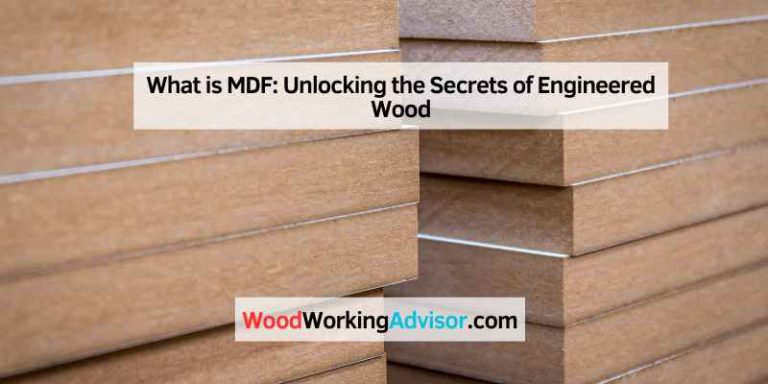
MDF, or Medium Density Fiberboard, is made from small wood fibers. These fibers are mixed with wax and resin. Then they are pressed together using heat. This creates a smooth and strong board. MDF is often used for furniture. It’s also used for cabinets and doors.
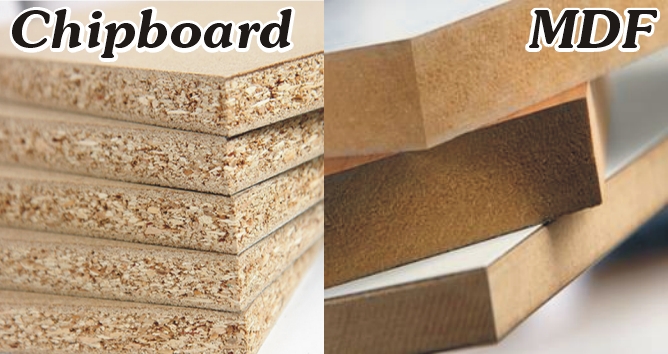
Chipboard is crafted from wood chips and sawdust. These are glued together with resin. It has a rough texture compared to MDF. Chipboard is cheaper than MDF. It is often used in low-cost furniture. But it is less strong than MDF. Care is needed to prevent damage.

Credit: www.youtube.com
Manufacturing Process
MDF stands for Medium Density Fiberboard. It is made from wood fibers. These fibers are mixed with wax and resin. The mixture is pressed into sheets. It is heated to make it strong. The surface is smooth and flat. People use it for furniture and cabinetry. It is easy to paint. MDF does not have grain like wood.
Chipboard is made from wood chips. It is cheaper than MDF. The chips are glued together. Pressure and heat make it strong. Chipboard is often used in flooring. It is not as smooth as MDF. It can break easily. Moisture can damage it. Chipboard is not ideal for outdoor use. It is lightweight and easy to cut.
Physical Properties
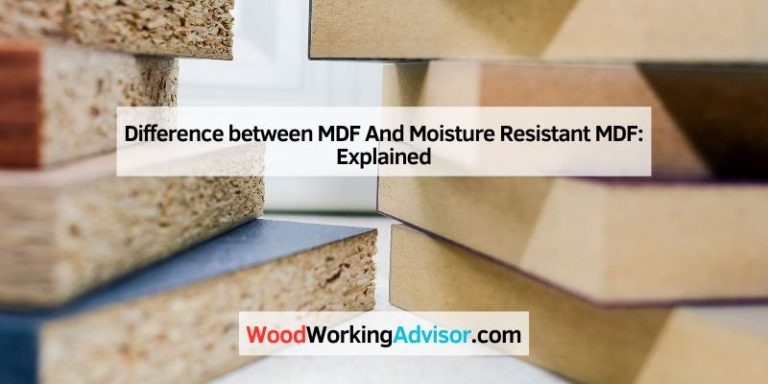
MDF is denser than chipboard. This means MDF is stronger. It can hold more weight. Chipboard is lighter. It is not as strong as MDF. MDF is good for furniture. It lasts a long time. Chipboard is cheaper. It is used for less demanding jobs. Both have their uses. Choose based on need.
MDF has a smooth surface. It looks neat and clean. Easy to paint. Chipboard has a rough surface. It shows small wood particles. It is not as smooth as MDF. Chipboard is harder to paint. MDF gives a better finish. Both materials can be useful. Choose based on the project.
Applications
MDF is a popular choice for making furniture. It is smooth and easy to paint. This makes it look nice in homes. Chipboard is also used in furniture. It is cheaper than MDF. But it might not be as strong. Many people use chipboard for temporary furniture. Both materials are used in tables, chairs, and shelves.
MDF is used in interior projects like doors and panels. It is strong and can handle weight. Chipboard is often used for flooring and walls. It is light and easy to work with. Builders choose chipboard for quick projects. Each material has its own advantages in construction.
Cost Considerations
MDF and chipboard are popular choices for budget-friendly furniture. MDF usually costs more than chipboard. It is made from wood fibers. Chipboard is made from wood chips and is cheaper. MDF offers a smoother surface. It is good for painting. Chipboard might show rough spots. Some people prefer chipboard for basic shelves. It is often used in low-cost furniture. MDF is chosen for finer finishes. It is used in cabinets and doors.
Both materials are affordable. MDF is better for detailed designs. Chipboard works for simple items. Home projects use both. MDF is great for painted surfaces. Chipboard is good for hidden parts. People choose based on project needs. MDF lasts longer. Chipboard is lighter. Choose wisely based on use.
Environmental Impact
MDF and chipboard both affect the environment differently. MDF consumes more energy and releases more formaldehyde. Chipboard, made from recycled wood, often has a smaller carbon footprint. Choosing between them depends on balancing durability with environmental responsibility.
Sustainability Of Mdf
MDF is made from recycled wood fibers. These are collected from timber waste. The process reduces wood waste. MDF requires less energy to produce. This makes it more eco-friendly. MDF does not use solid wood. It saves trees and forests. MDF can be reused. It is biodegradable after its life ends. Manufacturers often use water-based glue. This reduces harmful chemicals. MDF can be painted easily. This reduces the need for extra materials. Using MDF is a step toward sustainability.
Eco-friendliness Of Chipboard
Chipboard uses small wood pieces. These pieces are from leftover wood. Production uses less energy. This makes it greener. Chipboard is often cheaper. It is more accessible for many people. It can be recycled. This reduces waste in landfills. Manufacturers use non-toxic glue. This is better for the environment. Chipboard is often used in furniture. It is lightweight and easy to transport. Using chipboard helps save forests. It supports environmental balance.
Durability And Lifespan
MDF is stronger against bumps and scratches. It stays smooth even after years. Chipboard can chip easily. It wears out faster. MDF lasts longer.
MDF needs little care. Just wipe it clean. Chipboard needs more care. It can swell with water. Keep it dry. Both need regular cleaning to look nice.

Credit: www.youtube.com
Pros And Cons
MDF offers a smoother finish and is ideal for painting, while chipboard is cheaper but less durable. MDF is denser, making it stronger, whereas chipboard is lighter and easier to handle. Both have their uses in furniture-making and construction.
Advantages Of Mdf
MDF is known for its smooth surface. It is easy to paint on it. It is a good choice for indoor furniture. MDF does not have knots or grains. This makes it easier to cut and shape. Affordable price is another plus. MDF is cheaper than solid wood. It is also environmentally friendly. MDF uses wood fibers and glue. This means less waste. MDF is also strong and stable. It does not warp easily.
Disadvantages Of Chipboard
Chipboard can be very weak. It breaks easily under pressure. It does not handle moisture well. This makes it a poor choice for wet areas. Chipboard is not as durable as MDF. It can swell and crack over time. The surface is rough. Painting or finishing it takes more effort. Chipboard is also heavy. Moving it can be hard. It often contains formaldehyde. This can be harmful to health.
Credit: www.kombiniranimasi.com
Frequently Asked Questions
Which Is Better, MDF Or Chipboard?
MDF offers better density and smoother finish compared to chipboard. It’s ideal for painting and detailed work. Chipboard is cheaper and suitable for basic furniture. MDF is generally preferred for quality and aesthetics, while chipboard is chosen for budget-friendly projects.
Choose based on needs and budget.
What Are The Disadvantages Of Chipboard?
Chipboard lacks durability, easily swells with moisture, and has limited strength compared to solid wood. It can emit formaldehyde, affecting indoor air quality. Edges may chip or fray, requiring careful handling. Not suitable for heavy loads or outdoor use. Often requires lamination for improved appearance and protection.
When Should You Not Use MDF?
Avoid MDF in high-moisture areas like bathrooms or kitchens. It swells and deteriorates when exposed to water. MDF is unsuitable for heavy loads; it lacks strength compared to solid wood. It’s not ideal for outdoor use due to weather exposure risks.
MDF also releases formaldehyde, a concern for indoor air quality.
What Is Chipboard Called Now?
Chipboard is now often referred to as particle board. It consists of wood chips bonded with resin or glue. This material is used in furniture and construction for its affordability and versatility. Particle board is widely used in budget-friendly projects due to its cost-effectiveness.
Conclusion
Choosing between MDF and chipboard depends on your needs. MDF offers a smooth finish. It’s great for detailed work. Chipboard is more affordable. Ideal for budget-friendly projects. Consider durability for long-lasting results. MDF is more durable than chipboard. Think about the environment.
MDF and chipboard use recycled wood. Both are eco-friendly options. Assess your project’s requirements. This helps in making the right choice. Both have their strengths. Choose wisely to suit your design and budget.