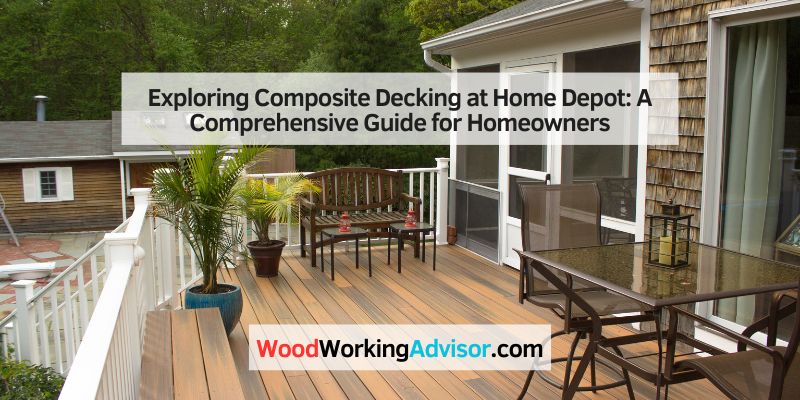
Exploring Composite Decking at Home Depot: A Comprehensive Guide for Homeowners
Hey there! If you’re thinking about upgrading your outdoor space, you’ve probably heard about composite decking. I’ve spent a lot of time researching and exploring options for my own backyard, and let me tell you, composite decking at Home Depot is a game-changer. It’s durable, low-maintenance, and looks fantastic. Whether you’re a DIY enthusiast or just looking to spruce up your patio, Home Depot has a wide range of composite decking options that can fit your style and budget. In this article, I’m going to walk you through everything I’ve learned about composite decking at Home Depot. From the benefits to the brands, installation tips, and more, I’ve got you covered. Let’s dive in and make your outdoor dreams a reality!
What Is Composite Decking?
When I first started looking into decking materials, I was curious about what makes composite decking so special. Unlike traditional wood, composite decking is made from a blend of wood fibers, plastic, and bonding agents. This mix creates a material that’s tough, weather-resistant, and doesn’t need constant upkeep. At Home Depot, you’ll find composite decking that mimics the look of real wood but skips the hassle of staining or sealing. It’s perfect for someone like me who loves a beautiful deck but doesn’t want to spend every weekend maintaining it.
Composite decking comes in various colors, textures, and finishes. You can choose something that looks like exotic hardwood or go for a sleek, modern vibe. The best part? It resists fading, warping, and splintering. I’ve seen decks in my neighborhood that still look brand new after years of harsh weather, and that’s because they’re made with composite materials. Home Depot carries trusted brands like Trex, TimberTech, and Veranda, so you know you’re getting quality.
Why Choose Composite Decking from Home Depot?
I’ll be honest—when I started shopping for decking, I was overwhelmed by choices. But Home Depot made it easy. Their selection is huge, and they offer everything from budget-friendly options to premium boards with long warranties. Here’s why I think Home Depot is the go-to place for composite decking:
- Variety: They stock a wide range of brands, colors, and styles. Whether you want a natural wood look or a bold, modern color, you’ll find it.
- Convenience: With free shipping on many products and options for in-store pickup, Home Depot fits into any schedule. I ordered samples online and had them delivered to my door in days.
- Expert Advice: Home Depot’s website has project calculators and DIY guides. I even booked a free virtual deck consultation to get ideas for my design.
- Affordability: Prices vary, but you can find composite decking boards starting at just a few dollars per board. It’s a great value for the durability you get.
Plus, Home Depot often has sales and special offers. I signed up for their email list and got $5 off my first purchase, which was a nice bonus. If you’re on a budget, you can still find high-quality options without breaking the bank.
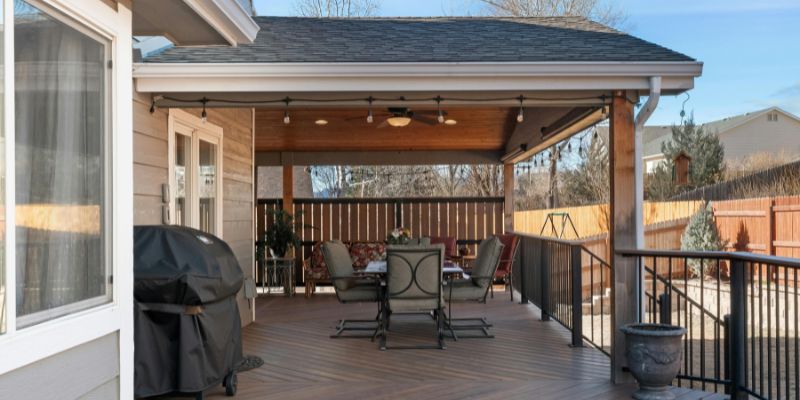
Top Composite Decking Brands at Home Depot
One thing I love about Home Depot is the variety of brands they carry. Each one has its own strengths, so you can pick what suits your needs. Here’s a breakdown of the top composite decking brands I explored at Home Depot:
| Brand | Key Features | Warranty | Price Range |
|---|---|---|---|
| Trex | Fade, stain, scratch, and mold-resistant. Available in multiple colors and finishes. | 35–50 years (depending on line) | Mid to High |
| TimberTech | Durable with natural wood-like textures. Offers both composite and PVC options. | 25–50 years | Mid to High |
| Veranda | Budget-friendly with a natural grain pattern. Resists fading and warping. | 25 years | Low to Mid |
| Deckorators | Unique vertical grain aesthetic. Enhanced traction for slip resistance. | 25 years | Mid |
- Trex: Trex is like the gold standard of composite decking. I tried their Enhance Basics line, which is affordable and comes in three classic colors. Their Transcend line is pricier but offers multi-tonal colors and a 50-year warranty. I was impressed by how cool their Transcend Lineage boards stay, even in direct sun.
- TimberTech: This brand caught my eye for its realistic wood textures. TimberTech’s boards are sturdy and come in both composite and PVC options. I liked their wide range of colors, from earthy browns to sleek grays.
- Veranda: If you’re watching your wallet, Veranda is a great pick. I checked out a Veranda deck at a friend’s house, and it still looked amazing after six years in the sun. It’s Home Depot’s store brand, so it’s often more affordable.
- Deckorators: These boards have a unique vertical grain look that I found really stylish. They’re also slip-resistant, which is perfect if you have kids or pets running around.
I ordered samples of each brand to test them out. Holding them in my hands helped me decide which color and texture worked best for my backyard vibe.
Benefits of Composite Decking
After spending time with composite decking, I can see why it’s so popular. Here are the benefits that stood out to me:
- Low Maintenance: Unlike wood, composite decking doesn’t need staining or sealing. A quick wash with soap and water keeps it looking great. I’ve spent too many weekends sanding and staining wood decks, so this was a huge relief.
- Durability: Composite boards resist rot, insects, and weather damage. I live in an area with hot summers and snowy winters, and composite decking holds up beautifully.
- Eco-Friendly: Many brands, like Trex, use recycled materials. I felt good knowing my deck choice was better for the planet.
- Safety: Composite decking is splinter-free and often has slip-resistant surfaces. This was a big deal for me since I have young kids who love to play outside.
- Aesthetics: With so many colors and textures, I could customize my deck to match my home’s style. It’s like having a designer outdoor space without the designer price tag.
The only downside I noticed is that composite decking can get hot in direct sunlight, especially darker colors. I tested some samples in my yard and found that lighter colors stayed cooler, which is something to keep in mind if you go barefoot a lot.
How to Choose the Right Composite Decking
Choosing the right composite decking can feel overwhelming, but I found a few key factors that made the decision easier:
- Color and Style: Think about your home’s exterior and outdoor furniture. I chose a light gray Trex board to match my modern patio set. Home Depot’s website lets you filter by color, which helped me narrow it down.
- Budget: Prices at Home Depot range from about $2 per linear foot for basic Veranda boards to over $5 for premium Trex lines. I set a budget and stuck to it, but I also considered long-term savings from low maintenance.
- Climate: If you live in a hot area, go for lighter colors or brands like Trex Transcend Lineage, which are designed to stay cooler. In wet climates, look for boards with minimal water absorption.
- Warranty: A longer warranty gives peace of mind. I went with a brand that offered at least a 25-year warranty to ensure my investment was protected.
- Usage: If your deck will see heavy foot traffic, choose a brand with enhanced traction. Deckorators was a great option for me because of its slip-resistant surface.
I also checked local building codes to make sure my deck would meet regulations. Home Depot’s project calculators were super helpful for estimating how much material I’d need.
Installation Tips for Composite Decking
I’m a bit of a DIYer, so I was excited to tackle my deck installation. If you’re thinking about installing composite decking yourself, here are some tips I learned along the way:
- Build a Strong Substructure: Composite decking is heavier than wood, so your frame needs to be solid. I used pressure-treated lumber for my joists and spaced them 16 inches apart for perpendicular boards. Some brands recommend 12 inches for diagonal patterns.
- Use the Right Fasteners: I opted for hidden fasteners for a clean look, but they cost about 30% more than visible screws. Home Depot sells color-matched screws that blend in nicely if you’re on a budget.
- Leave Expansion Gaps: Composite boards expand and contract with temperature changes. I left 1/8-inch gaps between boards to prevent warping. This was a tip I got from Home Depot’s installation guide, and it saved me from future headaches.
- Cut Carefully: Use carbide-tipped blades for smooth cuts. I wore safety goggles and a mask while cutting to stay safe. Composite dust can be irritating, so work in a well-ventilated area.
- Install in Moderate Weather: Extreme heat or cold can affect how boards align. I waited for a mild day to install my deck, and it made the process much smoother.
If DIY isn’t your thing, Home Depot offers professional installation services. I considered this for my project but decided to do it myself to save money. Either way, their guides and customer service were a big help.
Maintaining Your Composite Deck
One of the best things about composite decking is how little maintenance it requires. I’ve had my deck for a while now, and keeping it clean is a breeze. Here’s what I do to keep it looking great:
- Regular Cleaning: I wash my deck with mild soap and water using a soft brush. This removes dirt and prevents mold buildup. Home Depot sells deck cleaners that work well if you need something stronger.
- Avoid Harsh Chemicals: Bleach or abrasive cleaners can damage the finish. I stick to gentle products to protect my deck’s warranty.
- Clear Debris: Leaves and dirt can trap moisture, so I sweep my deck regularly. A leaf blower works great for this.
- Check for Scratches: While composite decking is scratch-resistant, heavy furniture can leave marks. I use furniture pads to prevent this.
I’ve found that a quick clean every few months keeps my deck looking as good as new. Compared to the constant upkeep of a wood deck, this is a huge win.
Cost Considerations
When I started budgeting for my deck, I was curious about how much composite decking would cost. At Home Depot, prices vary depending on the brand and line. Basic Veranda boards might cost $2–$3 per linear foot, while premium Trex Transcend boards can run $5 or more. For a 200-square-foot deck, I estimated about $1,500–$3,000 for materials, not including the substructure or fasteners.
Hidden fasteners and professional installation can add to the cost, but I found that the long-term savings were worth it. Since I don’t need to buy stain or sealant every year, I’m saving money over time. Home Depot’s project calculators helped me estimate costs accurately, and their financing options were handy for spreading out payments.
Comparing Composite Decking to Wood
Before settling on composite decking, I debated going with wood. Here’s how they stack up based on my research:
- Appearance: Wood has a classic, natural look, but composite decking offers more color options and consistent finishes. I loved the variety of composite colors at Home Depot.
- Maintenance: Wood needs regular staining and sealing, while composite decking is virtually maintenance-free. This was a dealbreaker for me.
- Durability: Wood can rot, warp, or get eaten by termites. Composite decking resists all of that, making it a better choice for my climate.
- Cost: Wood is cheaper upfront, but the ongoing maintenance costs add up. Composite decking’s higher initial cost felt worth it for the longevity.
- Eco-Friendliness: Composite decking often uses recycled materials, while wood requires cutting down trees. I felt better about the environmental impact of composite.
In the end, composite decking won me over for its ease and durability. But if you love the authentic look of wood and don’t mind the upkeep, Home Depot has plenty of wood decking options too.
Enhancing Your Deck with Accessories
Once my deck was installed, I wanted to make it a true outdoor oasis. Home Depot has tons of accessories to elevate your composite deck:
- Railings: Stylish railings add safety and polish. I chose composite railings to match my deck for a seamless look.
- Lighting: Deck lights create a cozy vibe for evening gatherings. I added solar-powered post cap lights for easy installation.
- Furniture: Home Depot’s outdoor furniture selection is huge. I picked a weather-resistant sectional that complements my deck’s color.
- Planters and Decor: Adding planters and outdoor rugs made my deck feel like an extension of my home.
These extras turned my deck into a space where my family loves to hang out. Home Depot’s website has inspiration galleries that gave me tons of ideas.
My Experience with Home Depot’s Services
Shopping at Home Depot was a breeze. Their website is easy to navigate, and I could filter products by brand, price, or color. I also appreciated their customer reviews, which gave me real-world insights into how the decking held up over time. The free virtual consultation was a lifesaver—I talked to an expert who helped me plan my deck layout and choose materials.
If you’re not sure where to start, Home Depot’s DIY guides and project calculators are super helpful. I used their decking calculator to figure out how many boards I needed, which saved me from overbuying. Their delivery options were also convenient—I had my materials delivered right to my driveway.
Conclusion
Building a deck with composite decking from Home Depot was one of the best decisions I made for my home. The variety of brands, colors, and styles let me create a space that’s both beautiful and practical. I love that I don’t have to worry about maintenance, and my deck still looks amazing after months of use. Whether you’re a DIY pro or hiring a professional, Home Depot has everything you need to bring your vision to life. From budget-friendly Veranda boards to premium Trex lines, there’s something for everyone. So, grab some samples, plan your project, and get ready to enjoy your new outdoor space. Trust me, you won’t regret it!
FAQs
What is the best composite decking brand at Home Depot?
I found that Trex, TimberTech, Veranda, and Deckorators are all excellent choices. Trex is great for premium durability, while Veranda is budget-friendly. It depends on your style and budget.
How long does composite decking last?
With proper care, composite decking can last 25–50 years. Brands like Trex and TimberTech offer warranties that guarantee performance for decades.
Is composite decking worth the cost?
Absolutely! The upfront cost is higher than wood, but the low maintenance and long lifespan make it a smart investment. I’ve saved so much time and money on upkeep.
Can I install composite decking myself?
Yes, if you’re handy! I installed mine with help from Home Depot’s guides. Just follow the manufacturer’s instructions, use the right tools, and leave expansion gaps.
Does composite decking get hot in the sun?
Darker colors can get hot, especially in direct sun. I chose a lighter color to keep my deck cooler. Brands like Trex Transcend also have heat-mitigating technology.
How do I clean my composite deck?
I use mild soap and water with a soft brush. Avoid harsh chemicals to protect the finish. A quick sweep every few weeks keeps debris at bay.