What Is the Best Composite Decking Material? (2026 Guide)
There’s no single best composite decking material for every deck — TimberTech AZEK runs about 30°F cooler underfoot and is fully waterproof, while Trex offers the widest color selection and easiest resale recognition. Picking the wrong brand for your climate can mean a deck that’s too hot to walk on barefoot by July. This guide compares material types, real brand pricing, and which option fits your budget, climate, and priorities.
Affiliate disclosure: this post contains Amazon affiliate links. We may earn a commission at no extra cost to you.
Quick Answer — Category Winners
Best overall: Trex (widest color range, biggest dealer network). Best for hot/wet climates: TimberTech AZEK (100% PVC, no wood fiber, ~30°F cooler). Best value: Fiberon (Lifetime warranty option at a mid-tier price). Best for ground-level/high-moisture decks: Deckorators (mineral-based core, under 0.05% water absorption).
Composite Decking Material Types
Every composite deck board falls into one of three categories, and the category matters more for performance than the brand name on the box.
Wood Plastic Composite (WPC)
Wood plastic composite (WPC) is decking made by blending wood fibers with plastic polymers, giving it a more natural look and feel than pure plastic. Because it still contains organic wood fiber, WPC needs a protective cap (below) to resist moisture and mold long-term — uncapped WPC from the 2000s is exactly what gave early composite decking its reputation for fading and mold streaking.
Capped Composite
Capped composite is a category that wraps a WPC core in a separate polymer shell bonded on during manufacturing. The cap is what actually resists fading, staining, and scratching — not the core underneath it. Most major brands (Trex Transcend, Fiberon Concordia, Deckorators Vault) are capped on three or four sides; four-sided capping seals the board completely and is the better choice for ground-level decks with poor airflow underneath.
100% PVC Decking
100% PVC decking (TimberTech’s AZEK line is the best-known example) contains no wood fiber at all — just cellular PVC with microscopic air pockets that keep the board lighter than composite. With zero organic content, PVC boards cannot rot, swell, or feed mold, which is why installers default to it for pool decks and waterfront builds. Learn more about how it stacks up against composite in our PVC decking vs. Trex composite comparison.
Best Composite Decking Brands, Compared
We compiled published specs and installed-cost data across the four brands homeowners ask about most. For a deeper 7-brand breakdown with per-linear-foot material pricing, see our full composite decking brand comparison.
| Brand | Installed Cost | Warranty | Recycled Content | Best For |
|---|---|---|---|---|
| Trex | $38–$60/sq ft | 25–50 yr | 95% | Widest colors, easiest resale/repair |
| TimberTech AZEK | $50–$75/sq ft | Lifetime + 50-yr fade | N/A – 100% PVC, no wood fiber | Hot/humid climates, poolside, zero moisture |
| Fiberon | $40–$55/sq ft | Up to Lifetime | 94% | Best value for a Lifetime-warranty tier |
| Deckorators | $42–$58/sq ft | 50 yr | Mineral-based core | Wet/ground-level decks (<0.05% water absorption) |
Installed cost ranges and warranty terms compiled from published 2026 brand specs and installer pricing data; figures vary by region and board line.
Trex Decking: Pros And Cons
Trex remains the most recognized name in composite decking, which matters for resale and for finding a matching repair board years later. See our full guide if you need to remove paint from Trex decking.
| Pros | Cons |
|---|---|
| Widest color selection of any major brand | Premium lines cost more than Fiberon or Deckorators |
| 95% recycled content, largest dealer network | Textured capped boards can feel warmer underfoot than AZEK PVC |
| 25–50 year warranty depending on line | Can be slippery when wet on smoother finishes |
Best Composite Deck Fastener Pick
Trex Hideaway Universal Hidden Deck Fastener Clip (500 sq ft Bucket)
Whichever brand you choose above, most grooved composite and PVC boards install with hidden fasteners instead of face screws for a clean, screw-free surface.
- Best for: Trex, TimberTech, and other grooved-edge composite/PVC boards
- Why we picked it: Brand-matched to the most popular decking line in this comparison, sized for a full 500 sq ft deck
- Main drawback: Costs more per clip than generic universal clips
Compare more hidden fastener options
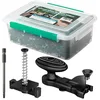 Option 1 ZONEGRACE 1000pc Kit with Tools
|
 Option 2 Yeipower 250pc Universal Clips
|
 Option 3 ManCoda 900pc Universal Fasteners
|
As an Amazon Associate we earn from qualifying purchases.
Durability And Performance
Consumer Reports tests composite decking with a three-year outdoor exposure study — sending samples of each material to Arizona (hot/dry) and Florida (humid) and reassessing flex resistance, stain resistance, slip resistance, and impact durability annually. That kind of long-term, multi-climate testing is the most reliable way to separate marketing claims from real performance, and it’s why climate should drive your brand choice more than the sales brochure does.
📊 TimberTech AZEK’s 100% PVC boards run roughly 30°F cooler underfoot than standard wood-plastic composite in direct summer sun — Source: brand-published thermal specs, 2026
Composite decking is also less slip-resistant than many buyers expect once it’s wet, since the wood grain texture that makes it look natural can smooth out over time. If a pool deck or shaded area is part of your plan, our composite decking slip-resistance guide breaks down which brands and finishes test best when wet.
Composite Decking Cost By Tier
Composite decking pricing splits into three tiers, and installed cost (material plus labor) runs well above the material-only price most sites quote.
| Tier | Installed Cost | Example Lines |
|---|---|---|
| Budget composite | $38–$50/sq ft | Trex Enhance, TimberTech Edge, Fiberon Good Life |
| Premium composite | $45–$60/sq ft | Trex Transcend, Fiberon Concordia, Deckorators Vault |
| Premium PVC | $50–$75/sq ft | TimberTech AZEK Vintage, AZEK Arbor |
Budget lines aren’t a downgrade in the sense of feeling flimsy — they typically still carry a multi-decade warranty — but they usually skip the deepest wood-grain embossing and widest color range of the premium tier. For a full breakdown of composite vs. pressure-treated wood pricing over a deck’s lifespan, see our composite decking cost comparison.
Installation And Maintenance
Composite boards install with the same joist layout as wood but typically use hidden fastener clips instead of face screws for a cleaner surface. If a board’s edge cap gets damaged during a cut, screw plugs and edge caps can repair it — see our composite decking screw plug repair guide for the fix.
Maintenance is soap-and-water cleaning a few times a year — no staining or sealing. Composite resists rot, mold, and insect damage far better than untreated wood, though it isn’t fully maintenance-free: mildew can still grow on the surface of any capped board in shaded, damp spots if it’s never cleaned.
Environmental Impact And Sustainability
Composite decking’s environmental case rests mainly on recycled content, not on being inherently “green.” Trex and Fiberon boards run 94–95% recycled wood fiber and plastic film (much of it reclaimed shopping bags and pallet wrap), which keeps that material out of landfills and reduces demand for virgin lumber. TimberTech AZEK’s PVC line runs lower recycled content (~55%) since cellular PVC manufacturing works differently than wood-fiber composite.
At end of life, composite boards are harder to recycle than the marketing suggests — most curbside programs won’t take them, and true composite-decking recycling requires a specialty facility. If sustainability is the deciding factor over performance, bamboo-fiber composites (an emerging niche option) grow back faster than the wood fiber used in mainstream WPC, though they’re harder to find and typically cost more.
Which Composite Decking Should You Choose?
Match the brand to your actual constraint rather than the brand with the most ads. If your deck sits in full sun or near a pool, prioritize TimberTech AZEK’s PVC line over anything wood-fiber-based. If resale value or matching a repair board in ten years matters most, Trex’s dealer network is hard to beat. If budget is the constraint but you still want a long warranty, Fiberon is the strongest value pick. And if the deck is low to the ground or in a humid climate, Deckorators’ mineral-based core resists moisture better than standard capped composite. For a numeric side-by-side breakdown of durability, heat, and warranty scores across these brands, see our composite decking ratings by brand.
Frequently Asked Questions
What is the best composite decking material overall?
There isn’t one brand that wins every category. Trex is the best overall pick for most homeowners because of its color range and resale recognition, TimberTech AZEK wins for hot or wet climates, Fiberon wins on value, and Deckorators wins for ground-level or humid-climate decks.
What’s the difference between composite and PVC decking?
Composite decking blends wood fiber with plastic, giving it a more natural grain and lower cost. PVC decking (like TimberTech AZEK) is 100% synthetic cellular PVC with no wood fiber, so it’s fully waterproof, mold-proof, and typically lighter — but it usually costs $10–15 more per square foot installed.
How long does composite decking last?
Most composite decking lasts 25 years or more with minimal upkeep, compared to 10–15 years for an average pressure-treated wood deck. Warranty length is a good proxy for expected lifespan: budget lines run 25–30 years, while premium composite and PVC lines carry 50-year to Lifetime warranties.
Does composite decking get hot in the sun?
Yes — dark-colored capped composite can get uncomfortably hot underfoot in direct summer sun, more so than lighter colors or bare wood. TimberTech AZEK’s 100% PVC boards run about 30°F cooler than standard wood-plastic composite, which is why it’s the common recommendation for pool decks and south-facing patios.
What’s the cheapest composite decking brand?
Entry-level lines like Trex Enhance, TimberTech Edge, and Fiberon Good Life are the most affordable major-brand options, typically running $38–$50 per square foot installed. They still carry multi-decade warranties but skip the deepest wood-grain embossing of premium lines.
Is composite decking worth the extra cost over wood?
For most homeowners, yes — composite’s 25+ year lifespan and near-zero maintenance offset the higher upfront cost within the first decade of ownership once you factor in the staining and sealing a wood deck needs. See our full composite vs. wood decking cost breakdown for the numbers over a 20-year span.
Conclusion
The best composite decking material is the one matched to your climate and priorities, not the brand with the biggest marketing budget. Trex leads on color range and resale value, TimberTech AZEK leads on heat and moisture resistance, Fiberon leads on value, and Deckorators leads on wet-climate durability — pick the category that matches your deck, then compare specific lines within that brand.