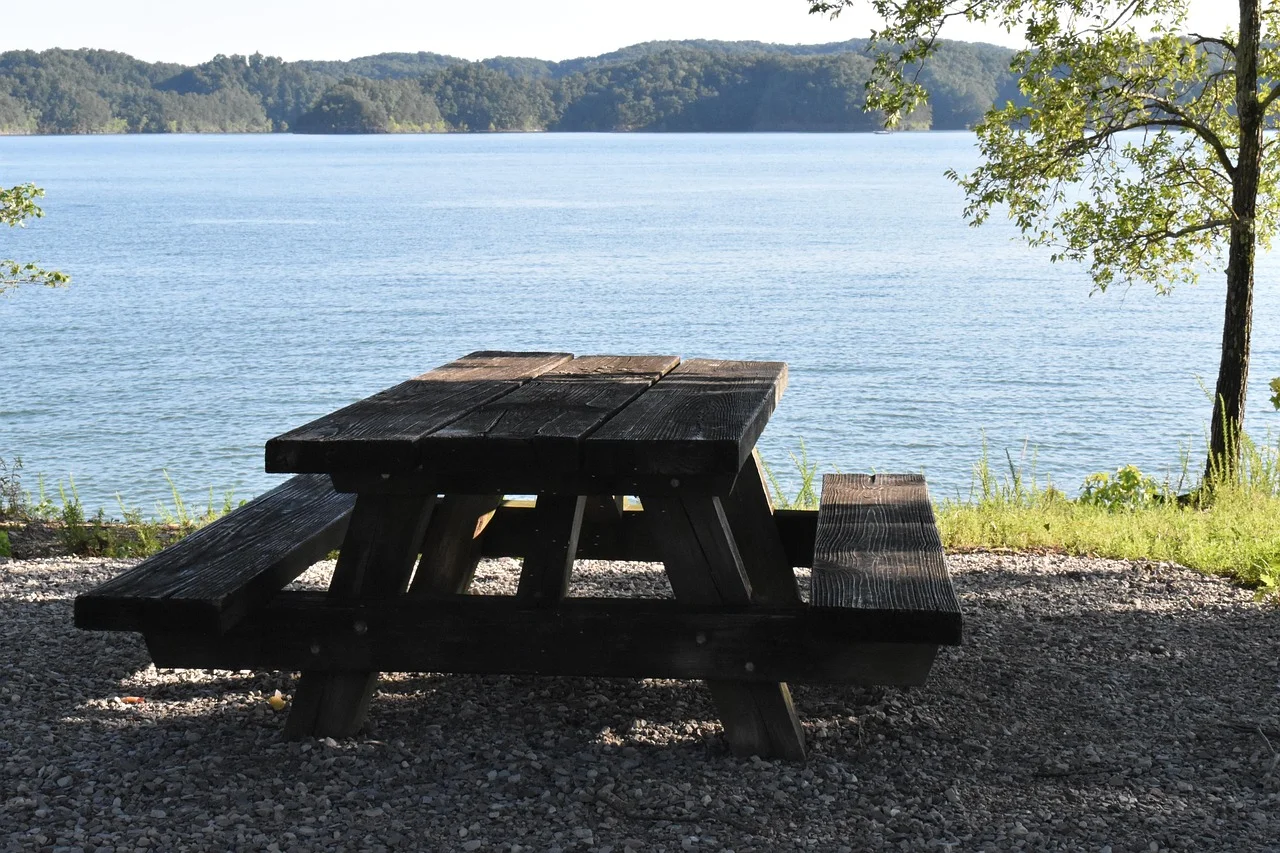
How to Build a Composite Decking Picnic Table (Step-by-Step)
A picnic table built from composite decking boards instead of solid wood will not rot, splinter, or need re-staining — the tradeoff is it costs more upfront and needs slightly different construction than a standard lumber build. This guide covers the real differences: which fasteners actually hold up (see our decking screws vs. wood screws breakdown for more), how close the joists need to be, and where composite still falls short of solid wood.
What Is a Composite Decking Picnic Table?
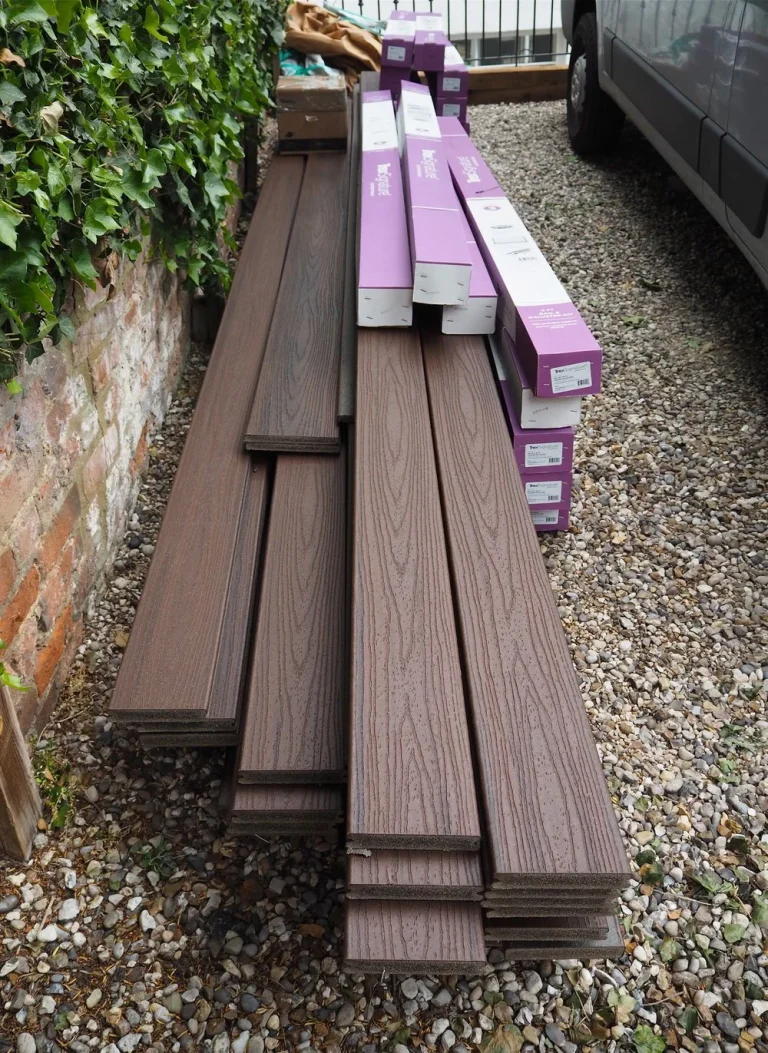
It is a standard picnic-table frame (usually pressure-treated 2×4 lumber) topped with composite decking boards instead of solid wood planks for the tabletop and bench seats. Composite decking itself is a manufactured board made from wood fibers and recycled plastic, usually finished with a protective plastic cap that blocks moisture from soaking into the board.
Best Hidden-Fastener Screw For Composite
 |
CAMO Edge 1-7/8″ Stainless Deck Screws (1750 ct) – $266.29 Fastens composite boards from the edge so no screw heads show on the tabletop — the same hidden-fastener approach this guide recommends for a splinter-free surface.
|
Composite vs. Wood for a Picnic Table
Solid wood is cheaper up front and easy to work with standard tools, but it needs a fresh coat of stain or sealer every one to two years to keep from graying, cracking, or splintering. Composite boards cost roughly 2 to 3 times as much per linear foot, but the cap layer means no staining, no splinters, and a service life most manufacturers rate at 25 years or more. The two real drawbacks: composite gets noticeably hotter than wood in direct sun (dark colors especially), and a finished composite table is heavier, since the boards are denser than an equivalent wood plank.
Tools and Materials
This builds an 8-foot table that seats eight (two per side plus one at each end on the bench overhangs).
- Circular saw (a fine-tooth blade cuts composite cleaner than a standard wood blade)
- Drill/driver with a Phillips or star bit matching your screws
- Tape measure and a speed square
- Clamps to hold boards square while you screw them down
- Safety glasses and gloves — composite dust is more irritating to skin and eyes than sawdust
| Material | Quantity | Approx. Cost |
|---|---|---|
| Composite decking boards (5.5″ x 8′, see our 1×6 decking board sizing guide) | 6 | $150-$220 |
| Pressure-treated 2x4s (for the frame) | 8 | $40-$60 |
| Stainless steel deck screws | ~150-200 | $20-$35 |
| Exterior wood glue (frame joints only) | 1 bottle | $5 |
Step-by-Step Build
- Cut the frame lumber. Two long rails, cross braces every 24-30 inches, and diagonal corner braces for rigidity.
- Assemble the frame. Glue and screw the 2x4s into a rectangle with the cross braces running perpendicular to where the tabletop boards will sit.
- Set joist spacing at 12 inches on-center under the tabletop and bench sections — not the 16 inches you’d use for solid wood. Composite sags more between supports, especially once the surface heats up in the sun, so the tighter spacing is what keeps the top from developing a visible dip over time.
- Cut the composite boards to length with a fine-tooth circular-saw blade. Composite chips rather than splinters when cut, so keep the cut line supported to avoid chipping the cap layer.
- Leave a 1/8-inch gap between boards. Composite expands and contracts with temperature more than wood; a tight seam now can buckle by mid-summer.
- Fasten with stainless screws. If face-screwing, pre-drill to avoid mushrooming the board’s plastic cap around the screw head. If using a hidden-fastener system (screws driven through the board’s edge instead of its face), no pre-drilling is needed and the tabletop shows no visible screws at all.
- Attach the benches the same way, using their own frame and the same 12-inch joist spacing.
- Move the finished table into place before final assembly if possible — a finished 8-foot composite table typically weighs 15-25% more than the same table in solid wood, and it is much easier to carry the frame and boards separately than the assembled table.
Common Mistakes to Avoid
- Using standard zinc screws instead of stainless. Composite retains surface moisture longer than wood, and standard screws corrode and streak the board with rust stains within a season.
- Skipping the expansion gap between boards. A board that’s tight against its neighbor in spring can buckle upward once it heats and expands in summer.
- Using 16-inch joist spacing. That spacing is fine for solid lumber but leaves composite unsupported enough to sag visibly, especially on a long unbroken run like a tabletop.
- Not pre-drilling for face screws. Composite’s plastic cap can mushroom or crack around a screw driven in without a pilot hole.
Composite Decking Brands Compared
| Brand | Pros | Cons | Cost per Board |
|---|---|---|---|
| Trex | Widest color range, recycled-material content, long track record | Runs hotter in dark colors, pricier | $25-$35 |
| Fiberon | Lower cost than Trex, wide retail availability | Slightly less rigid over long spans | $20-$30 |
| TimberTech | Long warranty terms, premium capped profiles | Most expensive of the three | $30-$45 |
If Composite Isn’t the Right Fit
| Material | Durability | Maintenance | Relative Cost |
|---|---|---|---|
| Composite decking | High (25+ yr rating) | Low — no staining | $$$ |
| Cedar | Medium — needs annual sealing | High | $$ |
| Pressure-treated pine | Lower without upkeep | High | $ |
Frequently Asked Questions
What is composite decking made of?
Composite decking boards are made from a mix of wood fibers and recycled plastic, bonded together and usually capped with a protective plastic shell. That cap is what keeps the board from absorbing water, splintering, or needing yearly staining the way solid wood does.
How much does a composite decking picnic table cost?
Materials typically run $250 to $450 for an 8-foot table: $150-$220 for the composite boards, $40-$60 for pressure-treated 2×4 framing lumber, and $20-$35 for stainless fasteners. Brand and board profile (grooved vs. square-edge) are the biggest price swings.
Can I paint or stain composite decking?
No. The color is baked into the board’s cap layer, and paint or stain won’t bond to it properly — it peels or flakes within a season. Pick your color at purchase instead; lighter colors also run noticeably cooler underfoot in direct sun. If you’d rather skip composite altogether, see our guide on picking the right wood for a picnic table.
Why do composite decking screws have to be stainless steel?
Composite boards hold more surface moisture than solid wood because the plastic cap slows evaporation. Standard zinc-coated screws corrode faster in that damp contact and can streak the board with rust. Stainless (or a coating rated specifically for composite) avoids that.
How far apart should the joists be under a composite tabletop?
12 inches on-center, not the 16 inches typical for wood decking. Composite boards sag more between supports, especially once they warm up in direct sun, so the tighter spacing keeps the tabletop from developing a visible dip.
Sponsored / affiliate links. As an Amazon Associate I earn from qualifying purchases. I may earn additional commission from eligible campaigns.