Cross Cutting Hand Saw: Essential Tool for Precision Woodwork
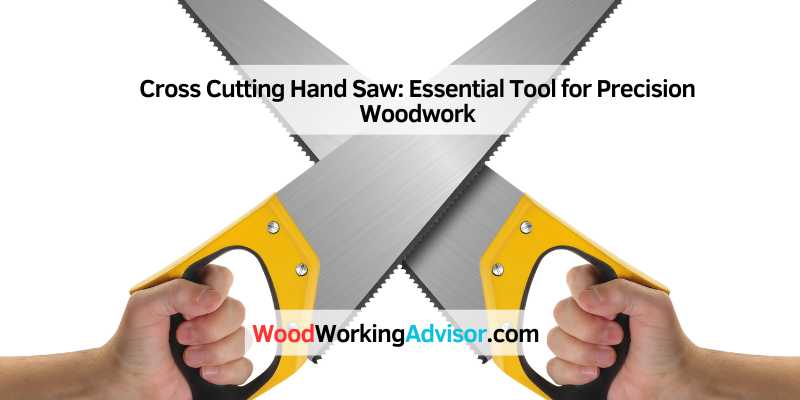
A cross-cut hand saw is designed for cutting wood perpendicular to the wood grain. It can be a small or large hand tool with teeth for fine or coarse work.
A cross-cut hand saw is an essential tool for woodworking and other wood-cutting tasks. This type of saw is specifically designed to cut across the wood grain, making it ideal for creating smooth and precise cuts. Whether you’re working on a DIY project or a professional woodworking task, a cross-cut hand saw offers the versatility and accuracy needed to achieve excellent results.
With its carefully designed teeth and ergonomic handle, this saw provides both efficiency and comfort, making it a valuable addition to any toolkit. Whether you’re a seasoned woodworker or just starting out, a cross-cut hand saw is a must-have for achieving clean and accurate cuts in various woodcutting applications.
The Importance Of Cross Cutting Hand Saws
A cross-cutting hand saw is an essential tool in woodworking and traditional carpentry. Its precision and role in these crafts make it a valuable asset for any woodworker or carpenter.
Precision In Woodworking
When it comes to woodworking, precision is key. A cross-cutting hand saw allows woodworkers to make accurate cuts across the grain of the wood. The small teeth close together on the saw blade ensure fine work and clean cuts. Whether it’s trimming a board or cutting a precise joint, a cross-cutting hand saw provides the control and accuracy needed for intricate woodworking projects.
The Role In Traditional Carpentry
In traditional carpentry, cross-cutting hand saws have been used for centuries. These saws are ideal for tasks such as cutting beams, framing, and general carpentry work. Their versatility makes them indispensable on construction sites and in workshops, where they can handle a wide range of cutting tasks. From rough cuts to more delicate work, a cross-cutting hand saw is a reliable tool that every carpenter should have in their arsenal.
The Difference Between Crosscut Saws And Hacksaws
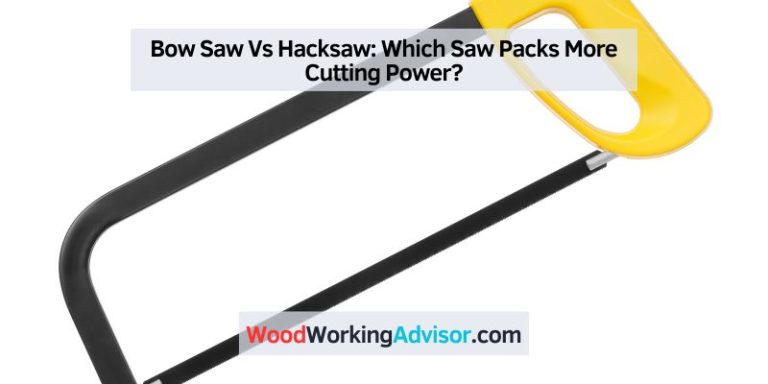
It’s important to note the difference between a cross-cutting hand saw and a hacksaw. While both are used for cutting, they serve different purposes. A hacksaw is designed for cutting materials harder than wood, such as metal. On the other hand, a cross-cutting hand saw is specifically designed for cutting wood perpendicular to the grain. Understanding this difference ensures that you use the right tool for the job and achieve the best results.
In conclusion, the importance of cross-cutting hand saws cannot be overstated. Whether you’re a woodworker or carpenter, having a reliable saw that provides precision and versatility is essential. With its ability to make accurate cuts across the grain of the wood, a cross-cutting hand saw is a valuable tool that ensures the success of any woodworking or carpentry project.
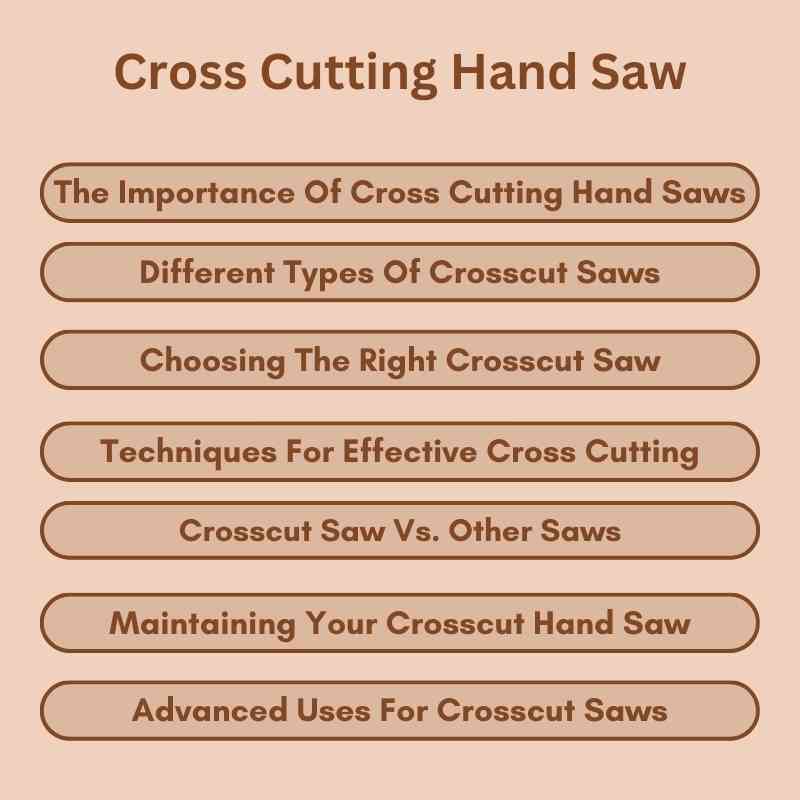
Different Types Of Crosscut Saws
A crosscut hand saw is a type of saw designed for cutting wood perpendicular to the grain. It can be used for fine woodworking or log bucking, and can be either a hand tool or a power tool. Unlike a hacksaw, which is ideal for cutting harder materials like metal, a crosscut saw is specifically designed for cutting across the wood grain.
Tuttle Or Champion Tooth Styles
The Tuttle or Champion tooth style is one of the different types of crosscut saws available in the market. These saws are specifically designed for cutting wood perpendicular to the grain with precision and efficiency. The Tuttle tooth style features small teeth that are closely spaced together, making it ideal for fine woodworking tasks. The Champion tooth style, on the other hand, has larger teeth that are set farther apart, making it suitable for more coarse cutting, such as log bucking.
When it comes to choosing between the Tuttle and Champion tooth styles, it ultimately depends on the specific woodworking project at hand. If you require detailed and intricate cuts, the Tuttle tooth style would be the better choice. However, if you need to tackle larger and rougher pieces of wood, the Champion tooth style would be more suitable.
Perforated Lance Tooth Saws
Another type of crosscut saw is the Perforated Lance Tooth saw. This saw features a unique tooth pattern that consists of alternating perforated and non-perforated teeth. The perforated teeth have small holes drilled into them, which helps reduce friction and heat during cutting. This tooth design allows for smoother and more efficient cutting, especially in hardwoods.
The Perforated Lance Tooth saw is commonly used in various woodworking applications, including cabinetry, furniture making, and general carpentry. Its ability to cut through hardwoods with ease makes it a popular choice among professionals and DIY enthusiasts alike.
In conclusion, when it comes to crosscut saws, there are different types available, each with its own unique tooth style and design. The Tuttle or Champion tooth styles offer versatility for different cutting needs, while the Perforated Lance Tooth saw provides enhanced cutting performance in hardwoods. Choosing the right crosscut saw depends on the specific woodworking project and the type of wood being cut.
Choosing The Right Crosscut Saw
A crosscut hand saw is an essential tool for woodworkers and DIY enthusiasts, allowing for precise and clean cuts across the wood grain. When selecting the right crosscut saw, it’s crucial to consider various factors to ensure it meets your specific needs and delivers optimal performance.
Factors To Consider
When choosing a crosscut hand saw, several factors play a crucial role in determining its suitability for your woodworking projects. Here are the key aspects to consider:
Size And Teeth Configuration
The size and teeth configuration of a crosscut saw are pivotal in determining its cutting efficiency and the type of wood it can handle. Consider the following:
- Size: The length of the saw blade impacts its cutting capacity, with longer blades suitable for larger projects and shorter ones ideal for more intricate work.
- Teeth Configuration: The arrangement and size of the teeth influence the smoothness and precision of the cuts. Finer teeth are suitable for delicate woodworking, while larger teeth are better for coarse cuts.
Techniques For Effective Cross Cutting
When it comes to woodworking, mastering the techniques for effective cross cutting is essential for achieving precise and clean cuts. Whether you’re a seasoned woodworker or just starting out, understanding the best practices for using a cross cutting hand saw can significantly improve the quality of your work. In this guide, we’ll explore the key techniques for effective cross cutting and provide valuable safety tips for hand sawing.
Cutting Across The Grain
Cross cutting involves cutting wood perpendicular to the grain, requiring a different approach compared to ripping along the grain. When using a hand saw for cross cutting, it’s crucial to position the saw correctly and maintain a steady motion to achieve accurate cuts. Make sure to mark the cut line clearly and use a square to ensure the saw is aligned perpendicular to the wood surface. Maintain a smooth and consistent pace while sawing to prevent splintering and ensure a clean finish.
Safety Tips For Hand Sawing
- Always wear appropriate eye protection and consider using gloves for a secure grip.
- Secure the workpiece firmly in place to prevent movement during cutting.
- Position yourself in a stable and balanced stance to maintain control over the saw.
- Keep your fingers away from the cutting path and maintain a safe distance from the saw blade.
- Regularly inspect and maintain the hand saw to ensure optimal performance and safety.
Crosscut Saw Vs. Other Saws
A crosscut hand saw is specifically designed for cutting wood perpendicular to the grain. It can be used for fine woodworking or log bucking, and can be either a hand tool or a power tool. Unlike a hacksaw, which is better suited for cutting harder materials like metal, a crosscut saw is the ideal tool for cutting across the wood grain.
Comparison With Hacksaws
When it comes to cutting wood, one of the most common tools used is the hand saw. But, there are different types of hand saws available, including the crosscut saw and the hacksaw. While both saws are designed to cut through wood, they have some key differences.
The hacksaw is typically used for cutting harder materials like metal, while a crosscut saw is used for cutting wood perpendicular to the grain. The teeth on a hacksaw blade are much smaller and closer together, while the teeth on a crosscut saw are larger and more widely spaced. The larger teeth on a crosscut saw make it easier to cut through wood, while the smaller teeth on a hacksaw provide greater precision when cutting metal.
Understanding Rip Cut
In addition to crosscut saws, another type of saw commonly used for cutting wood is the rip cut saw. Unlike a crosscut saw, a rip cut saw is designed to cut with the grain of the wood. This means that it is ideal for cutting long, straight lines along the length of a board.
When using a rip cut saw, it is important to make sure that the teeth are aligned with the grain of the wood. This will help to ensure a smooth and even cut. Rip cut saws typically have larger teeth than crosscut saws, which makes them better suited for cutting with the grain.
Overall, whether you choose a crosscut saw or a rip cut saw will depend on the type of project you are working on and the type of wood you are cutting. By understanding the differences between these two types of saws, you can select the right tool for the job and achieve the best results possible.
Maintaining Your Crosscut Hand Saw
Maintaining your crosscut hand saw is essential for its longevity and optimal performance. Regularly clean the blade and handle, remove any rust, and sharpen the teeth to ensure smooth and efficient cuts. Additionally, store the saw in a dry place and protect it from moisture to prevent damage.
Proper maintenance will keep your crosscut hand saw in top condition for years to come.
Sharpening The Teeth
To ensure your crosscut hand saw maintains its efficiency, it is crucial to sharpen the teeth. You can use a triangular saw file or a chainsaw file to sharpen the teeth. The triangular saw file is perfect for saws with smaller teeth, while the chainsaw file is suitable for larger teeth. Sharpening the teeth regularly ensures that the saw cuts smoothly and accurately through the wood.
Storing Your Saw Properly
Proper storage of your crosscut hand saw is essential to keep it in good condition. When not in use, store your saw in a dry and cool place, away from moisture and direct sunlight. Hang your saw using a saw vise or a saw till to prevent the teeth from touching anything that may dull them.
Clean Your Saw After Use
After using your saw, it is essential to clean it to prevent rust and corrosion. Use a dry cloth to wipe off any sawdust or debris from the teeth and blade. Then, apply a thin layer of protective oil or wax to the blade to prevent rusting.
Replace Damaged Teeth
If you notice that your saw’s teeth are damaged or broken, it is best to replace them. You can purchase replacement teeth from a hardware store or online. Remember to replace the teeth with the same size and type as the original teeth to ensure that the saw cuts smoothly.
In conclusion, maintaining your crosscut hand saw is crucial to ensure that it performs optimally. Regular sharpening, proper storage, cleaning, and replacing damaged teeth are essential steps to maintain your saw’s efficiency.
Advanced Uses For Crosscut Saws
Crosscut saws are versatile tools that can be used for a variety of advanced applications beyond simple wood cutting. Whether you’re working on intricate woodworking projects, handling large logs, or looking for precision in your cuts, a crosscut hand saw can be a valuable addition to your toolkit.
Intricate Woodworking Projects
For intricate woodworking projects such as crafting detailed furniture, inlay work, or delicate joinery, a crosscut saw provides the precision and control necessary for clean and accurate cuts. Its ability to cut across the wood grain with finesse makes it an essential tool for creating intricate and detailed woodwork.
Handling Large Logs
When it comes to handling large logs or timber, a crosscut saw excels in making efficient and precise cuts. Whether you’re a professional lumberjack or a DIY enthusiast working with substantial timber, the crosscut saw’s design and sharp teeth allow for effective cutting of large logs with ease and accuracy.
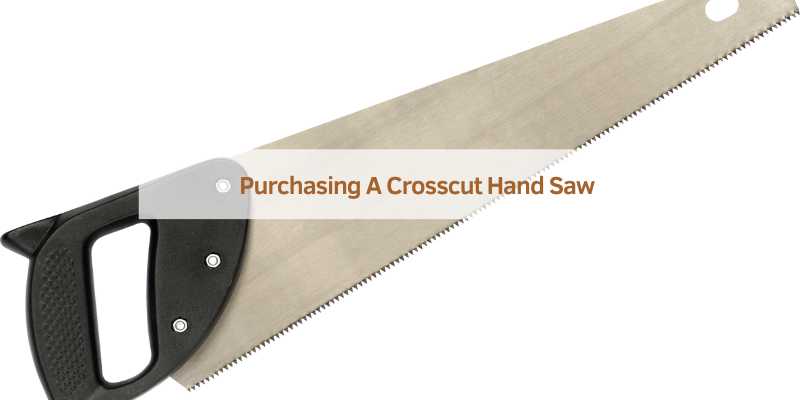
Purchasing A Crosscut Hand Saw
A crosscut hand saw is a versatile tool designed for cutting wood perpendicular to the grain. Whether you are a woodworking enthusiast or a professional carpenter, having the right crosscut hand saw can make a significant difference in the quality of your work. When purchasing a crosscut hand saw, it’s essential to consider factors such as where to buy, price range, and quality to ensure you make an informed decision.
Where To Buy
- Lowe’s: Offers a wide selection of crosscut hand saws with prices starting from $34.98.
- Amazon.com: Provides a variety of options with competitive pricing, starting from $29.99 and a 5% discount on select saws.
- Rockler Woodworking and Hardware: Offers quality crosscut hand saws with prices starting from $39.99, available both in-store and online.
- Home Depot: Provides durable crosscut hand saws with prices starting from $28.97, with the convenience of curbside pickup.
Price Range And Quality
When considering the price range and quality of crosscut hand saws, it’s important to prioritize both affordability and durability. Some well-known brands and their price points include:
| Brand | Price |
|---|---|
| StewMac.com | $85.98 |
| Lee Valley Tools | $99.00 |
| Lynx Handsaw/Crosscut Saw | $176.98 |
| Amazon.com – Seller | $169.99 |
It’s important to weigh the price against the quality and features offered by each saw to make an informed decision based on your specific needs.
Frequently Asked Questions
What Is A Cross-cut Hand Saw?
A cross-cut hand saw is a type of saw designed for cutting wood perpendicular to the wood grain. It can be small or large, with small teeth for fine work or large teeth for coarse work. It can be operated manually or with power.
It is different from a hacksaw, which is used for cutting harder materials like metal. Crosscutting on a table saw can be dangerous if not done properly.
What Is Cross Hand Cutting?
Cross hand cutting means cutting across the wood grain. It’s best done with a miter saw or table saw. Be cautious to avoid table saw kickback and contact with the saw blade.
What Is The Difference Between A Crosscut Saw And A Hacksaw?
A crosscut saw is used for cutting across wood grain, while a hacksaw is for harder materials like metal.
Is Cross Hand Cutting Safe?
Cross hand cutting can be dangerous if not done properly. There is a risk of table saw kickback and possible contact between the saw blade and your hand. It is important to use the correct tools and techniques for crosscutting, such as a miter saw or a crosscut saw, and to follow safety guidelines to minimize the risk of injury.
Conclusion
A cross cutting hand saw is a versatile tool used for cutting wood perpendicular to the grain. It can be used for fine woodworking or large-scale log bucking. There are different types of crosscut saws available in the market, from hand tools to power tools.
It’s important to choose the right saw for the job to ensure safety and efficiency. With proper maintenance and usage, a crosscut hand saw can last for a long time and provide accurate cuts.