DIY Beehive: Build Your Own Backyard Bee Sanctuary
Building your own beehive can be a rewarding project. It helps you connect with nature and supports local bee populations.
Creating a DIY beehive is not only a fun and educational activity, but it also plays a vital role in preserving our ecosystem. Bees are essential pollinators, and by providing them with a home, you contribute to the health of your garden and the environment.
Whether you are a seasoned beekeeper or a curious beginner, constructing a beehive allows you to observe and care for these incredible insects up close. This guide will walk you through the steps to build your own beehive, offering tips and insights to ensure a successful and fulfilling experience. Ready to get started? Let’s dive in!
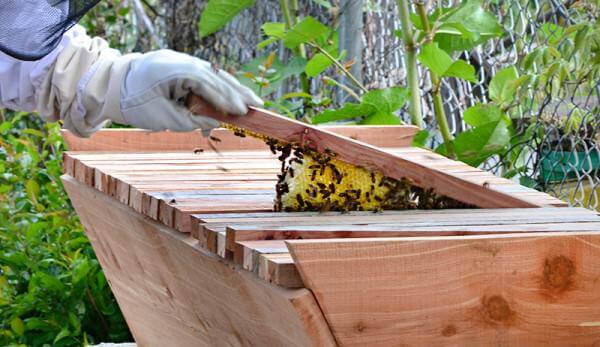
Credit: insteading.com
Introduction To DIY Beehive
Backyard beekeeping offers many benefits. Bees help with pollination. This improves the growth of your garden plants. Fresh honey is another big reward. It tastes better than store-bought honey. You can also sell the honey. It gives you some extra money. Beekeeping teaches patience and care. It is a fun and rewarding hobby.
To start beekeeping, you need some tools. A beehive is the most important. You also need a smoker. This calms the bees. A bee suit keeps you safe. It covers your whole body. Gloves and a hat with a veil are also needed. A hive tool helps you open the hive. A bee brush is useful too. It gently moves bees.
Choosing The Right Beehive
Different types of beehives suit different needs. The Langstroth hive is very popular. It has removable frames and is easy to manage. The Top-bar hive is another type. It is simple to build and maintain. The Warre hive is small and cozy for bees. Each type has its own benefits.
Think about your local climate. Some hives work better in warm areas. Others suit cold places. Consider the space you have. Some hives need more room. Also, think about cost. Some hives are cheaper to build. Lastly, consider your skill level. Some hives are easier for beginners.
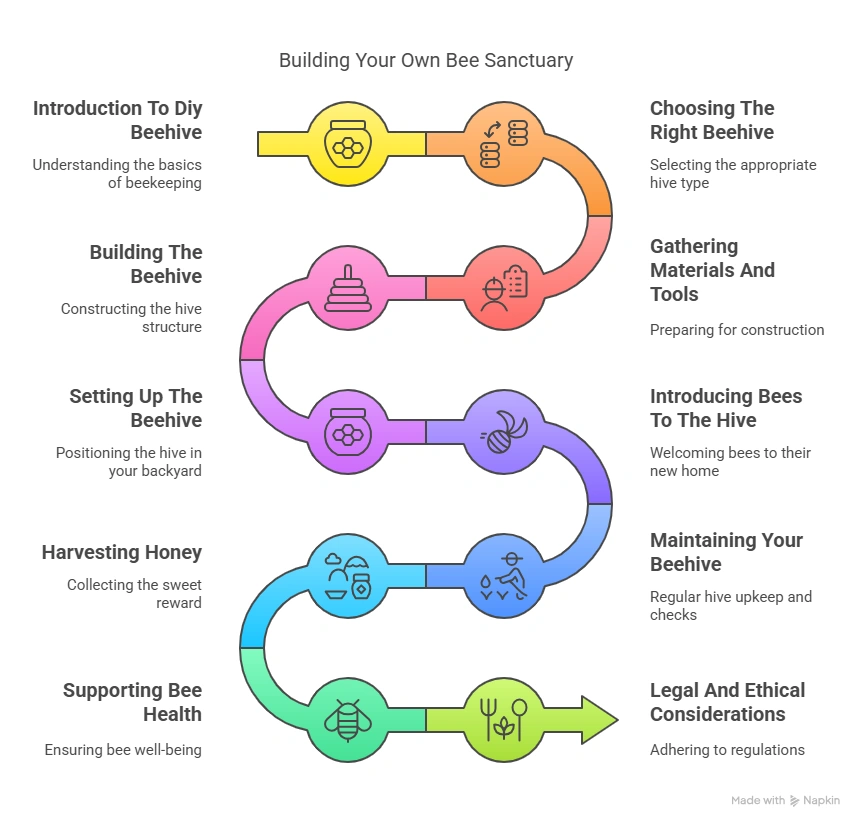
Gathering Materials And Tools
First, you need wood. Use pine or cedar wood. Nails and screws are important. Paint or varnish to protect the wood. Mesh for ventilation. Glue is also needed.
A saw for cutting wood. A hammer and screwdriver. You need a paintbrush for painting. Measuring tape for accuracy. A drill is useful too.
Building The Beehive
Start by gathering all the needed materials. Wood is best for the hive. Cut the wood into pieces that fit together. Use a saw to make clean cuts. Assemble the pieces using nails or screws. Make sure each part fits snugly.
Create the entrance for the bees. It should be small but easy for bees to enter. Add frames inside the hive. These frames hold the honeycomb. Place the hive in a safe spot. Bees need sunlight and fresh air.
Wear protective clothing. Bees can sting. Use gloves and a veil. Work slowly and calmly. Sudden moves scare bees. Keep a smoker handy. Smoke calms bees. Check the hive often. Look for any problems. Always be gentle.
Setting Up The Beehive
Pick a spot with good sunlight. Bees love warmth. Avoid windy areas. Wind can harm the hive. Choose a place with nearby flowers. Bees need pollen. Keep the hive away from busy paths. This helps avoid accidents. Water source should be close. Bees drink water too.
Clear the ground of grass and weeds. Flat ground is best. Place the hive on a stand. This keeps it dry. Use bricks or wood for the stand. Ensure the hive faces south or east. This gets morning sun. Check for ant nests nearby. Ants can harm the hive. Put a barrier to keep ants away.

Credit: www.pinterest.com
Introducing Bees To The Hive
Choose the right bees for your hive. Honeybees are common and easy to manage. Bumblebees are gentle but less productive. Think about your goals. Honey or pollination? Climate matters too. Some bees thrive in warm places. Others like cooler areas. Research before deciding.
Transfer bees carefully. Wear protective gear like gloves and a veil. Smoke calms bees down. Use a bee brush to move them gently. Place them inside the hive. Check if they settle well. Give them sugar water to help them adjust. Observe their activity. Healthy bees are active and buzzing.
Maintaining Your Beehive
Regular inspections are crucial for beehive health. Check your hive every week. Look for signs of disease. Check for pests like mites. Monitor the queen bee. A healthy queen means a healthy hive. Watch for unusual behavior. Bees should be active and working. Slow bees could signal a problem. Inspect hive entrances. Clean and clear them regularly. Blocked entrances can stress bees.
| Issue | Solution |
|---|---|
| Wax Moths | Remove and clean infected frames. |
| Varroa Mites | Use mite treatments regularly. |
| Diseased Bees | Replace infected bees and clean hive. |
| Queen Bee Problems | Replace weak or missing queen. |
Harvesting Honey
Check the beehive every few weeks. Honey is ready when the honeycomb is capped. Bees cap honey when it’s mature. Look for a white wax layer.
There are different ways to extract honey. One way is to use a honey extractor. This tool spins the honey out of the comb. Another way is to crush the comb and strain the honey. This method is simple but messy. Make sure to leave enough honey for the bees. They need it for food.
Supporting Bee Health
Bees face many pests. Varroa mites are common. They weaken bees. Use screened bottom boards. They help reduce mites. Traps catch pests. Clean the hive often. Keep it strong. Strong hives fight pests better. Add essential oils. They help bees stay healthy.
Wax moths can be a problem. Store extra frames in a cold place. Cold kills moth larvae. Check hives regularly. Remove infected frames. This keeps bees safe. Use good hive tools. They help keep pests out.
Bees need good food. Plant flowers near the hive. They need nectar and pollen. Avoid chemicals on plants. Chemicals harm bees. Give sugar syrup in winter. It helps bees survive. Add pollen patties in spring. Bees need extra food to grow.
Clean water is important. Place water near the hive. Bees drink often. Change water frequently. Keep it fresh. Healthy bees make more honey. Good nutrients keep bees strong. Strong bees fight diseases better.
Legal And Ethical Considerations
Check local laws before starting your beehive. Some places have strict rules. You may need a permit or license. Neighbors might have concerns about bees. Talk to them first. This helps avoid conflicts. Knowing the rules keeps you and your bees safe.
Beekeeping must be ethical. Respect your bees. Give them enough space and food. Do not harm them. Use natural methods for pest control. Keep their home clean. Happy bees make more honey. They stay healthy too. Ethical practices help the environment.
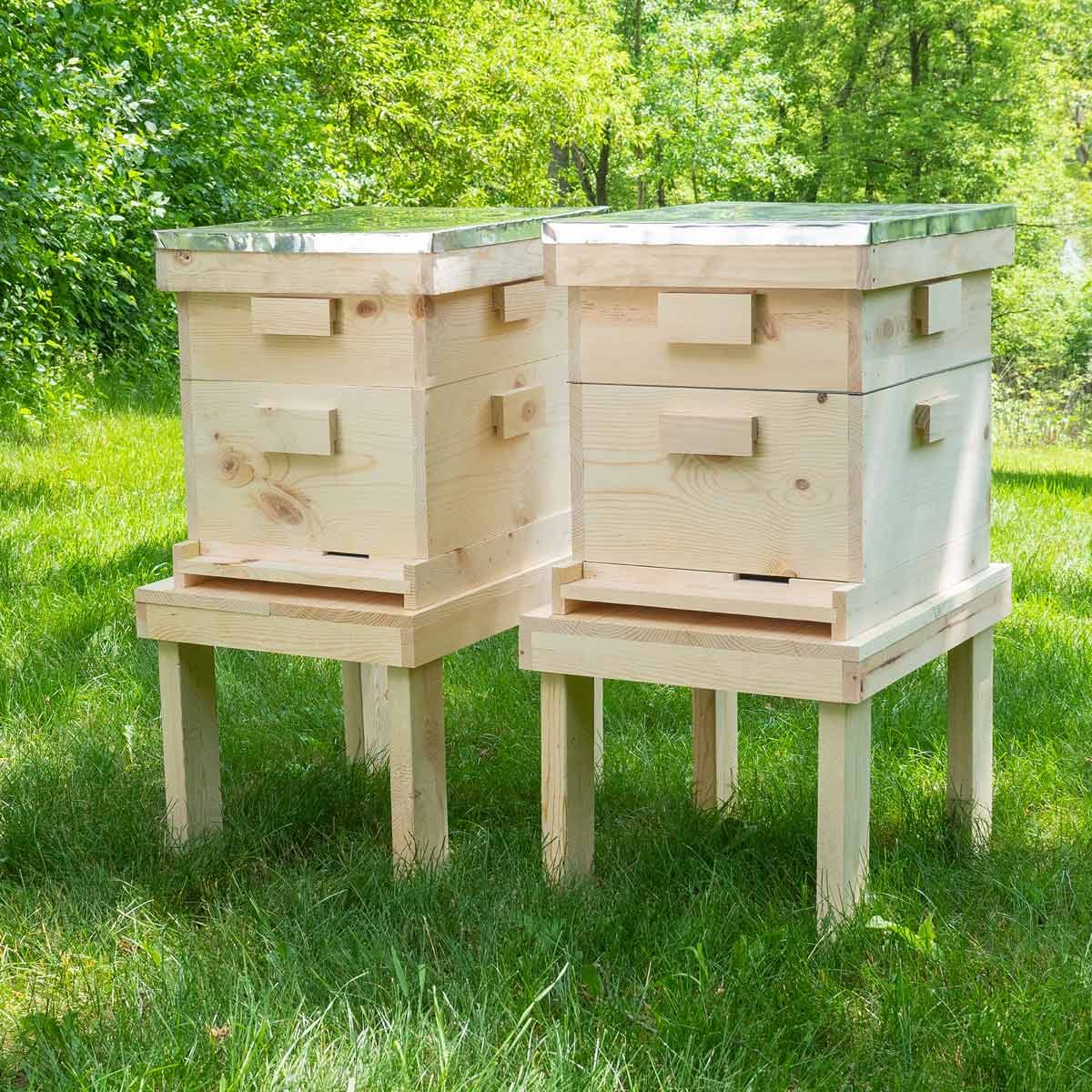
Credit: www.familyhandyman.com
Frequently Asked Questions
Is It Cheaper To Build Your Own Beehive?
Yes, building your own beehive is usually cheaper. DIY beehives save on labor costs and materials can be sourced affordably.
What Is The 3 Feet 3 Mile Rule For Bees?
The 3 feet 3 mile rule for bees means moving hives less than 3 feet or more than 3 miles. This prevents disorientation.
Can I Make My Own Bee Hives?
Yes, you can make your own bee hives. Use quality materials and follow reliable guides. Building your own hives can save money and offer customization.
What Is The 7/10 Rule In Beekeeping?
The 7/10 rule in beekeeping suggests inspecting hives every 7 to 10 days. This helps monitor hive health and prevent swarming.
Conclusion
Creating your own beehive can be a fun and rewarding project. It helps local bees and boosts your garden’s health. You save money and learn new skills too. Follow the steps, stay patient, and soon you’ll have your own buzzing beehive.
Ready to start? Grab your tools and get building. Happy beekeeping!