DIY Shelves Plywood: Affordable and Stylish Home Storage Solutions
DIY shelves with plywood are versatile and practical. They offer endless design possibilities for your home.
Creating shelves from plywood is an affordable and fun project. You can customize them to fit any space or style. Plywood is strong and easy to work with, making it perfect for DIY enthusiasts. Whether you want a rustic look or a modern design, plywood shelves can achieve it.
Plus, building your own shelves can give you a sense of accomplishment. In this blog, we’ll explore the benefits of plywood, the tools you need, and the steps to create your own shelves. Get ready to transform your living space with these simple and stylish DIY plywood shelves!
Introduction To DIY Plywood Shelves
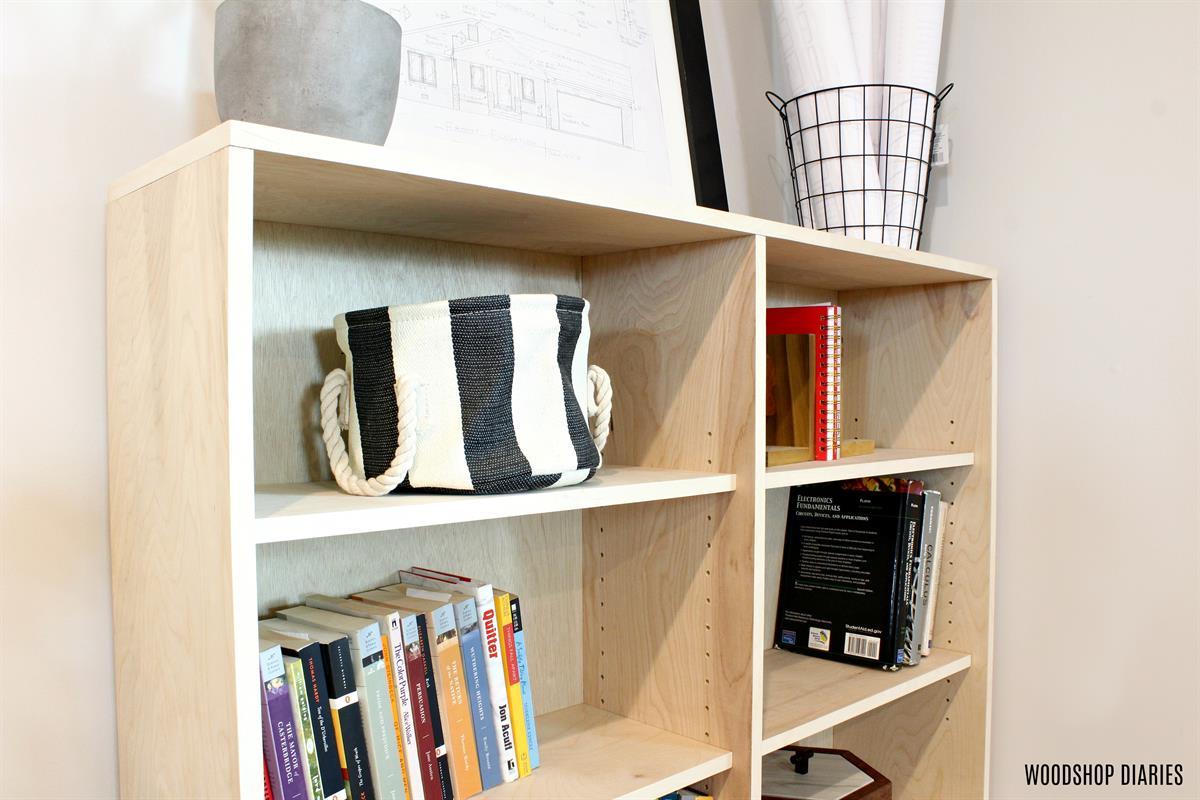
Plywood shelves are a great way to add storage to your home. They are easy to make and can fit any space. You can use them in the kitchen, living room, or bedroom. The wood is strong and looks good.
Plywood shelves are cost-effective and can save you money. They are also very strong and can hold a lot of weight. They can be painted or stained to match your decor. They are easy to clean with a damp cloth. You can customize them to fit your needs.
Plywood is much cheaper than other types of wood. You can buy large sheets and cut them to size. This way you get more shelves for less money. You can also use leftover pieces for small projects. It is a smart way to save money and stay organized.
Choosing The Right Plywood
Plywood comes in many types. Softwood plywood is common. It is made from pine or fir. Hardwood plywood is stronger. It uses wood like oak or maple. Marine plywood resists water. It is great for bathrooms or kitchens. Structural plywood is very tough. It is used in construction. Each type has a specific use.
Inspect the plywood before buying. Check for smooth surfaces. Ensure there are no gaps or holes. Look at the edges. They should be solid and firm. Pick plywood with even thickness. Avoid pieces that are warped or bent. Quality plywood will last longer. It will also look better.
Essential Tools And Materials
A few tools are needed for building shelves. You will need a saw, a tape measure, and a drill. A pencil is useful for marking cuts. A level ensures your shelves are straight. Safety gear like gloves and goggles are important. A sander can make the wood smooth. Clamps help hold pieces together.
- Plywood sheets
- Wood screws
- Wood glue
- Sandpaper
- Paint or wood stain
- Brackets or shelf supports
Credit: learn.kregtool.com
Designing Your Shelves
Measure your space carefully. Use a tape measure. Write down the measurements. Plan your shelf design. Think about the height and width. Make sure it fits your room.
Draw a simple sketch. This will help you. Use graph paper. Show where the shelves will go. Think about how many shelves you need. Check if they will fit.
Try different shapes. Square, rectangle, or triangle. Use different colors. Bright colors can make a room lively.
Add some decorations. Plants, books, or toys. Use a mix of big and small items. This makes the shelf interesting. Think about the style. Modern, rustic, or classic. Choose what you like best.
Cutting And Preparing Plywood
Use a circular saw or a table saw for cutting plywood. A fine-tooth blade gives cleaner cuts. Measure and mark the plywood before cutting. Use a straightedge to guide the saw. This helps keep the cut straight.
Sand the edges and surfaces of the plywood. Start with coarse sandpaper. Move to finer grit for a smooth finish. Clean the dust with a cloth. Apply a wood finish or paint. Let it dry completely. Sand lightly between coats for a smooth surface.
Credit: jaimecostiglio.com
Assembling The Shelves
Use strong joints for long-lasting shelves. Wood glue is essential. Apply it to all connections. Screws add more strength. Drill holes first. This stops wood from splitting. Brackets offer extra support. Attach them to the corners. They keep your shelves steady.
Ensure your shelves do not wobble. Check the floor. It must be level. Use a level tool to check. If needed, add shims. Anchoring shelves to the wall adds safety. Use wall studs for this. They hold more weight. Your shelves will not tip over.
Installing Your Shelves
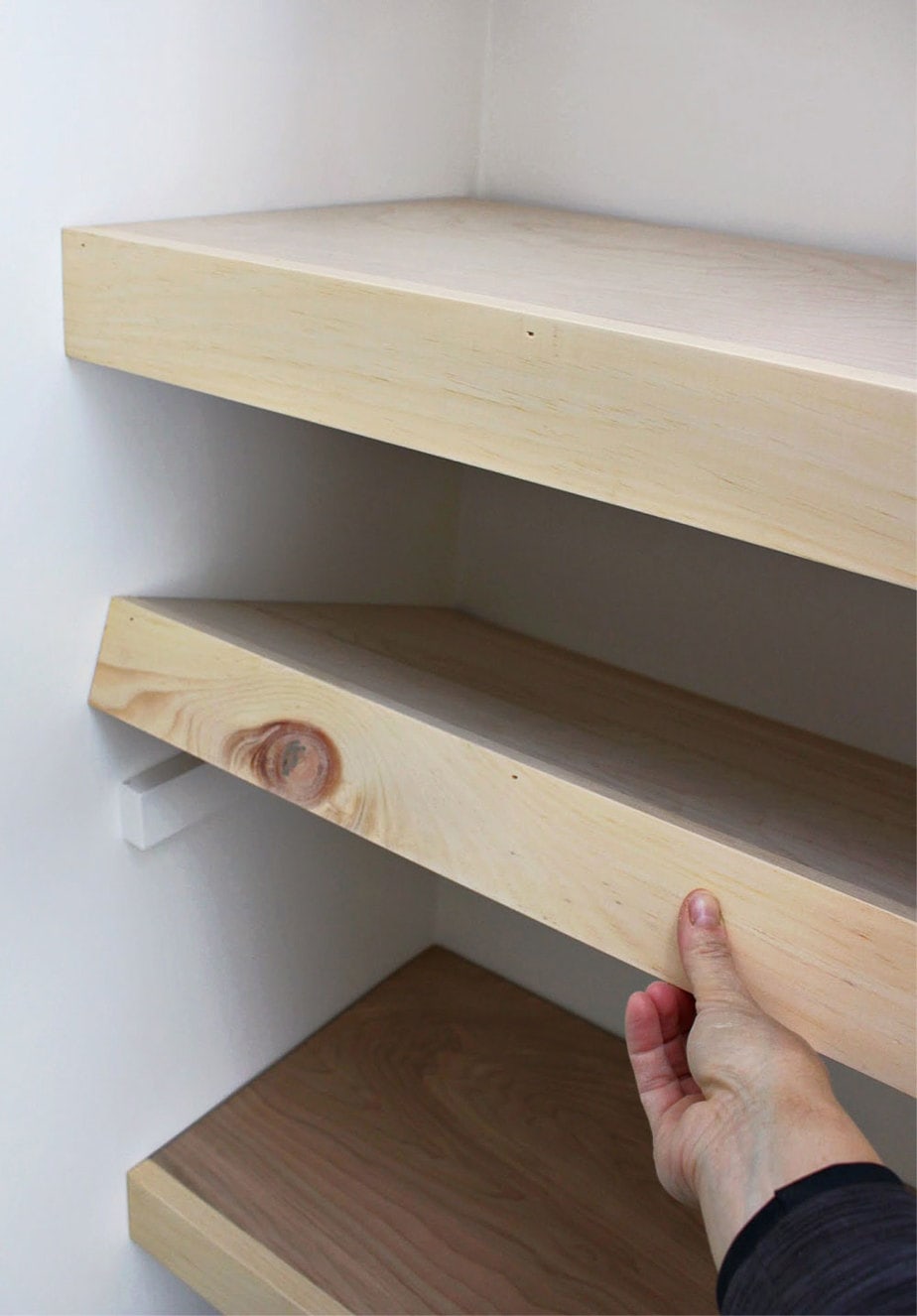
Choose the right mounting option for your shelves. Wall anchors can be used if there are no studs. Studs offer better support and stability. Brackets are a common choice for mounting shelves. They are easy to install. Floating shelves give a clean look. They hide the supports. Use strong screws to attach brackets or anchors.
Always wear safety goggles when cutting plywood. Use gloves to protect your hands. Make sure your drill has a steady grip. Check your tools before starting. Never leave tools lying around. Keep your work area clean and organized. Secure the shelves tightly to prevent accidents. Check the weight limit of your shelves. Do not overload them. Ensure your shelves are level before placing items on them.

Credit: www.remodelista.com
Customizing And Decorating
Choose paint or stain to match your room. Light colors make a room feel bigger. Dark colors give a cozy feel. You can use a brush or a spray. Brushes give a smooth finish. Sprays are faster. Let each coat dry before adding the next. This ensures a neat finish. Use tape to create patterns. Mix colors for a unique look.
Add stickers or decals for a fun touch. Attach hooks to hang small items. Glue on trim for a fancy look. Add lights to make shelves stand out. Use baskets to organize. Decorative paper on the back panel adds color. Plants add a natural feel. Books and photos make it personal.
Maintaining Your Plywood Shelves
Dust your shelves often. Use a soft cloth or a duster. Wipe with a damp cloth. Avoid too much water. Dry with a clean cloth right away. Avoid harsh cleaners. They can damage the plywood. Use mild soap if needed. Rinse well and dry.
Check shelves for damage. Fix small scratches with wood filler. Sand lightly. Use touch-up paint for bigger marks. Re-tighten screws if loose. Replace damaged parts if needed. Inspect shelves every few months.
Frequently Asked Questions
What Kind Of Plywood Do You Use For Shelves?
Use hardwood plywood for shelves. It offers strength, durability, and a smooth finish. Baltic birch plywood is also a great option.
Is It Cheaper To Build Your Own Shelves?
Building your own shelves is often cheaper than buying pre-made ones. It depends on materials and tools.
Should I Use 1/2 Or 3/4 Plywood For Shelves?
Use 3/4 plywood for shelves. It provides better support and durability for heavier items.
Can You Use Non Structural Plywood For Shelves?
Non-structural plywood can be used for shelves, but it may not support heavy loads. Choose thicker plywood for better strength.
Conclusion
Creating DIY shelves with plywood is both fun and practical. You save money and gain custom storage. Plus, the process is straightforward. Just gather your materials and follow simple steps. Soon, you’ll have beautiful shelves that fit your space perfectly.
Give it a try and enjoy the results. Happy building!