DIY Wood Conditioner: Revitalize Your Furniture Naturally
Wood conditioners enhance the beauty of your wood projects. They also protect against damage.
Ever wondered how to make your own wood conditioner at home? DIY wood conditioner can be a great solution. It’s cost-effective and allows you to control the ingredients. You can ensure your wood projects get the best care. Making a wood conditioner at home isn’t hard.
It requires simple ingredients you might already have. This blog post will guide you through the steps. You will learn how to mix, apply, and store your homemade wood conditioner. Let’s dive in and give your wood the care it deserves!
Introduction To DIY Wood Conditioner
Wood furniture and decor add warmth and character to any space. Keeping your wood items looking their best is easy with a DIY wood conditioner. This homemade solution nourishes and protects your wood, making it look rich and vibrant.
Benefits Of Natural Wood Conditioners
Natural wood conditioners are free from harmful chemicals. They are safe for your family and the environment. They penetrate the wood deeply, ensuring long-lasting protection. They also enhance the natural beauty of the wood, bringing out its unique grain and color.
Using natural ingredients is cost-effective. You can find most items in your kitchen. They are easy to apply and require no special tools. Regular use of a natural wood conditioner keeps your wood looking fresh and new.
Why Choose DIY Solutions
DIY wood conditioners are simple to make. They save money compared to store-bought options. You control the ingredients, ensuring they are safe and non-toxic.
Making your own conditioner is rewarding. It gives a sense of accomplishment. It is also a fun project to do with family or friends. A DIY wood conditioner lets you care for your wood naturally and effectively.

Essential Ingredients
Creating your own wood conditioner at home can be a fun and rewarding experience. But to achieve the best results, it’s important to understand the essential ingredients that make up a good wood conditioner. These ingredients not only protect and enhance the wood’s natural beauty but also ensure its longevity. Let’s dive into the main components you’ll need.
Natural Oils
Natural oils play a crucial role in conditioning wood. They penetrate deep into the wood fibers, providing nourishment and bringing out the rich tones and grains. Some of the most popular choices include:
- Olive Oil: Easily accessible and effective, olive oil is great for conditioning wooden kitchen utensils and cutting boards.
- Linseed Oil: Often used by woodworkers, linseed oil is known for its deep penetration and long-lasting protection.
- Tung Oil: Derived from the seeds of the tung tree, this oil dries to a tough, durable finish, making it ideal for high-use furniture.
These oils not only condition the wood but also add a layer of protection against moisture and wear. And the best part? They’re all-natural and non-toxic.
Beeswax And Other Waxes
Waxes are another essential ingredient in DIY wood conditioners. They provide a protective coating on the wood surface, enhancing its sheen and resistance to water. The most common waxes include:
- Beeswax: A favorite among DIY enthusiasts, beeswax is easy to work with and gives a beautiful, natural finish. Plus, it smells great!
- Carnauba Wax: Known as the “queen of waxes,” carnauba wax is harder and more durable than beeswax, offering a high-gloss finish.
- Candelilla Wax: A vegan alternative to beeswax, candelilla wax is derived from the leaves of the candelilla shrub and provides a smooth, glossy finish.
Combining these waxes with natural oils creates a powerful conditioner that not only nourishes the wood but also seals and protects it. It’s like giving your wooden furniture a spa day!
In summary, using natural oils and waxes in your DIY wood conditioner ensures that your wooden items are well-protected, look stunning, and last for years to come. So, next time you notice your wooden furniture looking a bit dull, remember these essential ingredients and give it the care it deserves. Happy conditioning!
Tools You Will Need
Creating a DIY wood conditioner can be a fun and rewarding project. To get started, you will need some essential tools and safety equipment. This section will outline everything you need to make your wood conditioner at home.
Basic Tools
First, gather some basic tools. You will need a mixing bowl. Glass or metal works best. Also, have a whisk or a spoon for stirring. A measuring cup will help you measure ingredients accurately. A small saucepan is useful for heating any ingredients.
Next, get some containers for storage. Small jars with lids are ideal. Label the jars so you know what’s inside. A small funnel can help you pour the mixture into the jars without spilling.
Safety Equipment
Safety is important when working with any DIY project. Wear gloves to protect your hands. Choose gloves that are resistant to oils and other ingredients. Safety goggles protect your eyes from splashes. If you are sensitive to smells, wear a mask.
Work in a well-ventilated area. Open windows or use a fan to keep the air fresh. Keep a first aid kit nearby. It’s better to be prepared for any accidents. Follow these steps, and you will create your wood conditioner safely.
Step-by-step Guide
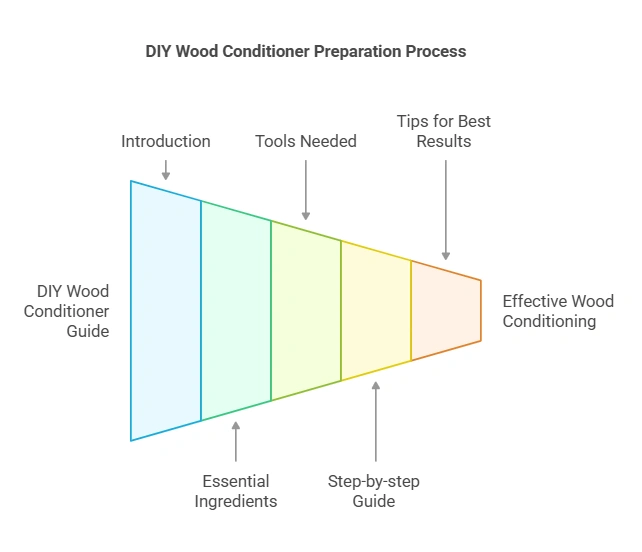
Creating your own wood conditioner can be both fun and rewarding. This step-by-step guide will help you make and apply the conditioner. Follow these simple steps to get the best results for your wood projects.
Preparing The Mixture
First, gather your ingredients. You will need beeswax and mineral oil. These ingredients are safe and effective for conditioning wood. Beeswax provides a protective layer. Mineral oil penetrates and nourishes the wood.
Next, melt the beeswax. Use a double boiler to avoid burning. Add the beeswax to the top pot. Heat gently until it melts completely. Once melted, remove from heat.
Now, add the mineral oil. Stir slowly to combine the mixture. Aim for a smooth, even consistency. This ensures the conditioner spreads well on the wood.
Applying The Conditioner
Let the mixture cool to room temperature. It should thicken slightly but remain spreadable. Use a clean, soft cloth to apply the conditioner. Scoop a small amount onto the cloth.
Rub the conditioner onto the wood surface. Use circular motions for even coverage. Ensure all areas are treated. Pay extra attention to dry or rough spots.
Allow the conditioner to soak in. Leave it on the wood for several hours. This lets the wood absorb the nutrients. After soaking, buff the surface with a clean cloth. This will bring out the natural shine.
Repeat this process every few months. Regular conditioning keeps your wood looking beautiful. It also prolongs the life of your wood furniture and projects.
Tips For Best Results
When using a DIY wood conditioner, it’s important to follow some key tips. Doing so ensures you achieve the best results for your wood projects. Below, we provide helpful tips for proper application and use. These tips will help you get the most out of your wood conditioner.
Proper Application Techniques
Always start with clean, dry wood. Dust and dirt can ruin the finish. Use a soft cloth to apply the conditioner. Rub it in gently, following the grain of the wood. Make sure you cover the entire surface evenly. Avoid using too much conditioner. Excess can leave a sticky residue. After applying, let the conditioner sit for 15-20 minutes. This allows the wood to absorb it fully. Finally, wipe off any excess with a clean, dry cloth.
Frequency Of Use
How often you use the conditioner depends on the wood type. For most woods, apply the conditioner every six months. This keeps the wood looking fresh and protected. If the wood is exposed to harsh conditions, use it more often. For example, outdoor furniture might need conditioning every three months. Regular use helps prevent drying and cracking. It also keeps the wood looking its best.
Common Mistakes To Avoid
Creating your own wood conditioner can be a fun and rewarding project. However, like any DIY endeavor, there are some common pitfalls that can trip you up. In this section, we’ll dive into some of the most frequent mistakes people make when crafting their own wood conditioner. By steering clear of these errors, you can ensure your woodwork shines like a pro’s! Let’s get started.
Over-application
One of the biggest mistakes people make is using too much wood conditioner. It’s easy to think that more is better, but that’s not always the case. Over-applying can actually do more harm than good. Here’s why:
- Wasted Product: Applying too much conditioner means you’re using more product than necessary, which is wasteful and costly.
- Sticky Residue: Excess conditioner can leave a sticky residue on the wood, making it look and feel less appealing.
- Uneven Absorption: The wood can only absorb so much conditioner. Too much can cause uneven absorption, leading to blotchy finishes.
To avoid this, apply a thin, even coat and let it soak in. If the wood still looks dry after the first coat, you can always add more. Remember, it’s easier to build up layers than to remove excess.
Using Incorrect Ingredients
Another common mistake is using the wrong ingredients. Not all oils and waxes are created equal, and using the wrong ones can lead to poor results. Here are some things to keep in mind:
- Avoid Petroleum-Based Products: These can leave a greasy finish and may not be safe for all wood types.
- Stick to Natural Oils: Oils like linseed, tung, or mineral oil are great choices. They penetrate well and provide a natural finish.
- Test New Ingredients: Always test a small amount on a scrap piece of wood or an inconspicuous area first. This ensures it reacts well with your wood type.
Using the right ingredients is crucial for a successful wood conditioner. Take the time to research and select the best options for your project.
By avoiding these common mistakes, you can craft a wood conditioner that not only protects but also enhances the beauty of your woodwork. Happy conditioning!
Eco-friendly Practices
Creating a DIY wood conditioner is not only a great way to ensure your wooden furniture and crafts look stunning, but it’s also a fantastic opportunity to practice eco-friendly habits. By being mindful of our environment, we can enjoy our hobbies while also taking care of our planet. Let’s explore some eco-friendly practices that you can adopt when making and using a DIY wood conditioner.
Sustainable Sourcing
One of the first steps in making an eco-friendly wood conditioner is to source your materials sustainably. This means choosing ingredients that have a minimal impact on the environment. For example, beeswax is a common ingredient in wood conditioners. Instead of buying commercially-produced beeswax, why not support local beekeepers? This not only reduces your carbon footprint but also helps in the conservation of bees, which are vital to our ecosystem.
Another option is to use vegetable-based oils like coconut or olive oil. These oils are renewable and biodegradable, making them a great choice for an eco-friendly wood conditioner. When purchasing these oils, look for certifications like Fair Trade or organic to ensure they are produced sustainably.
Safe Disposal
After creating and using your wood conditioner, you might wonder what to do with any leftover materials or waste. Safe disposal is crucial for maintaining eco-friendly practices. First and foremost, try to use up all your conditioner. If you have extra, consider sharing it with friends or family who might benefit from it.
If you need to dispose of any materials, make sure to do so responsibly. For example, if you have leftover oil, never pour it down the drain as it can clog pipes and pollute water sources. Instead, collect it in a container and take it to a recycling center that accepts cooking oils. Beeswax can be composted or even reused for other projects like making candles or lip balms.
By incorporating these eco-friendly practices into your DIY wood conditioner routine, you can enjoy beautiful, well-maintained wooden items while also doing your part to protect our planet. Remember, every small step counts!

Frequently Asked Questions
How Do I Make My Own Wood Conditioner?
Mix equal parts of melted beeswax and mineral oil. Stir until fully combined. Apply with a cloth to clean wood.
What Can Be Used As A Wood Conditioner?
Linseed oil, tung oil, and commercial wood conditioners like Minwax Pre-Stain Wood Conditioner can be used as wood conditioners.
Is Coconut Oil A Good Wood Conditioner?
Yes, coconut oil conditions wood effectively. It moisturizes, polishes, and enhances the wood’s natural color and grain.
When Not To Use Wood Conditioner?
Avoid using wood conditioner on softwoods like pine and cedar. These woods absorb stain evenly without it.
Conclusion
Creating your own wood conditioner is simple and rewarding. It enhances wood’s beauty and longevity. Save money and avoid harmful chemicals. Your DIY project provides a natural, effective solution. Try it today and see the difference. Your wooden items will thank you.
Keep exploring new DIY options for a healthier home. Happy woodworking!