How to Season a Wooden Salad Bowl With Mineral Oil or Beeswax
Season a wooden salad bowl by rubbing in food-safe mineral oil or a beeswax blend, then wiping off the excess after it soaks in overnight — skip this and the wood dries out, cracks, and starts holding onion and garlic odors within weeks. Most bowls need reseasoning every 3 to 6 months to keep that protective layer intact. This guide covers oil selection, application technique, curing conditions, and how to fix a sticky or smelly bowl.
The Importance Of Seasoning Your Wooden Salad Bowl
Best Wood Bowl Conditioner Pick
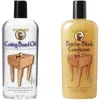
Howard Butcher Block Conditioner and Cutting Board Oil – $17.25
Blends food-grade mineral oil with a beeswax-style conditioner in one bottle, matching the mineral-oil-then-beeswax routine this guide walks through for seasoning a wooden salad bowl.
- Best for: Doing the oil-then-wax seasoning routine in fewer steps
- Why we picked it: Combines the mineral oil and beeswax stages this guide covers into one food-safe formula
- Main drawback: A 12 oz bottle only covers a few full seasoning cycles on larger bowls
Compare more wood bowl conditioner options
 Option 1 Howard Food Grade Mineral Oil – $8.95
|
 Option 2 John Boos Beeswax Board Cream – $13.95
|
 Option 3 Thirteen Chefs Mineral Oil – $11.89
|
As an Amazon Associate we earn from qualifying purchases.
Seasoning a wooden salad bowl is very important. It helps to preserve the wood and keep it looking great. Regular seasoning protects against cracks and splits. Use food-safe mineral oil for the best results.
Enhancing salad flavors is another benefit of seasoning. Oil seeps into the wood, making it more flavorful. A well-seasoned bowl can add a hint of taste. This makes every salad even more enjoyable.
Choosing The Right Oil For Seasoning
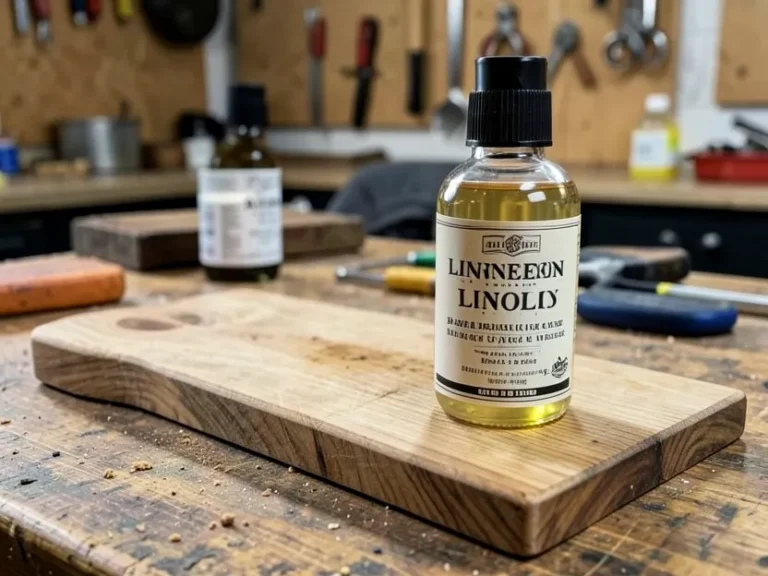
Choosing the right oil is important for seasoning a wooden salad bowl. Mineral oil is a safe choice. It is food-safe and non-toxic. This oil keeps the wood hydrated. Apply it generously and let it soak in.
Beeswax blends offer extra protection for wooden bowls. They create a barrier against moisture. This blend is natural and safe for food contact. Apply beeswax after mineral oil for best results. Reapply as needed to maintain the bowl’s beauty. Not sure mineral oil is the right call? See how it compares to tung oil for wood bowls.
Preparation Steps Before Seasoning
Start by cleaning the wooden salad bowl. Use warm, soapy water to remove any dirt. Avoid soaking the bowl. Rinse it well to eliminate soap residue. A soft sponge works best for cleaning — the same soap-and-water routine used for cleaning butcher block countertops.
After washing, it’s time to dry thoroughly. Place the bowl upside down on a clean towel. Let it air dry completely for a few hours. Make sure no moisture remains. Any leftover water can damage the wood.
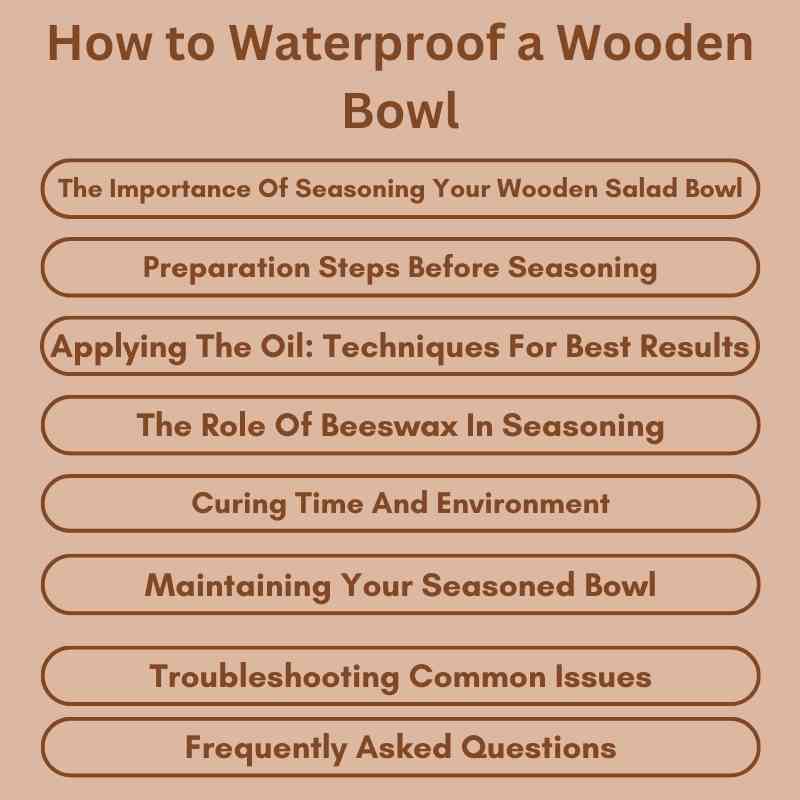
Applying The Oil: Techniques For Best Results
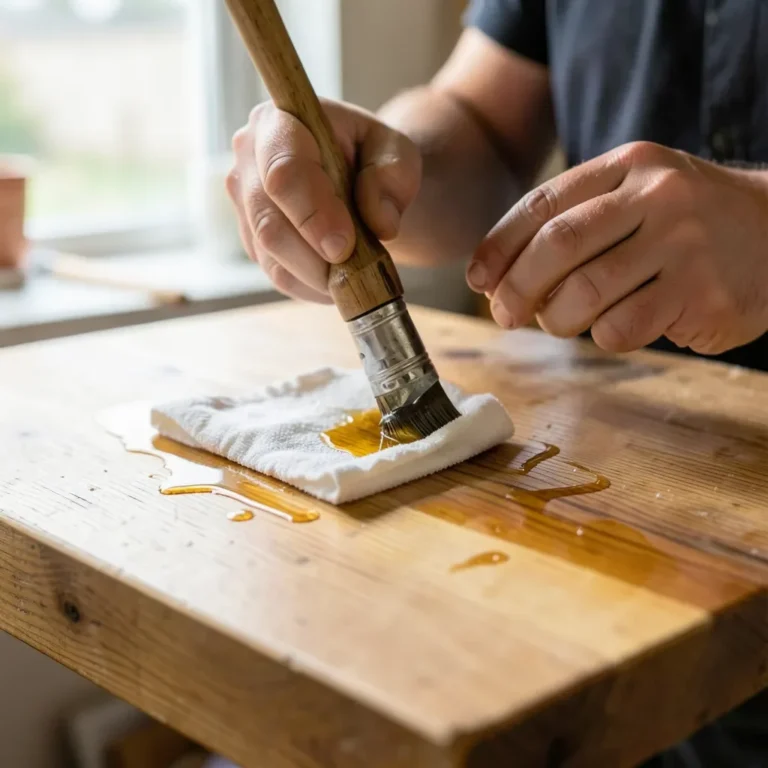
To season a wooden salad bowl, start with a soft cloth. This helps prevent scratches. Use a food-safe mineral oil for the best results. Dampen the cloth slightly before applying oil. This ensures a smooth application.
Apply the oil in small amounts. Work in a circular motion to spread it evenly. Make sure to cover the entire surface of the bowl. Pay special attention to the edges and bottom. This helps prevent cracking and drying out.
After applying, let the oil soak in for at least an hour. Wipe away any excess oil with a clean cloth. Repeat this process every few months for best results.
The Role Of Beeswax In Seasoning
Beeswax is a great choice for seasoning wooden salad bowls. It creates a strong barrier against moisture. This barrier helps protect the wood from cracking and splitting.
To apply beeswax, first, clean the bowl with warm water. Let it dry completely before applying the wax. Use a soft cloth to rub the beeswax onto the wood. Make sure to cover all surfaces evenly.
After applying, buff the bowl with a clean cloth. This makes the surface shine and feel smooth. Repeat this process every few months for best results.
Curing Time And Environment
Proper curing of a wooden salad bowl requires the right environment. Temperature and humidity play important roles in this process. Ideal conditions are a temperature of 70°F to 80°F. Humidity should be around 50% to 60%.
Avoid curing in areas that are too cold or hot. High humidity can also affect the wood. Protect the bowl from direct sunlight and drafts. These factors can cause the wood to crack or warp.
Choose a clean and dry space for seasoning. Ensure that the bowl is placed on a flat surface. This helps in even curing and prevents any unwanted damage.
Maintaining Your Seasoned Bowl
Keep your wooden salad bowl clean to maintain its beauty. Use warm, soapy water for washing. Avoid soaking it in water for long periods. Always dry the bowl immediately after washing.
Apply mineral oil or food-safe wood oil to maintain its finish. This helps prevent cracks and keeps the wood nourished. Reapply oil every few months, or when the wood looks dry.
Remember to check your bowl regularly. A well-maintained bowl lasts longer and stays beautiful. This same mineral-oil routine keeps wood spoons and utensils from cracking too. Enjoy using your seasoned salad bowl for many meals!
Troubleshooting Common Issues
Sticky residue can ruin your wooden salad bowl. To fix this, use baking soda. Create a paste with water and rub it on the sticky spots. Let it sit for 15 minutes before rinsing.
For odors, try lemon juice or vinegar. Apply lemon juice directly to the bowl. Let it sit for a few minutes and then rinse well. Vinegar can also help. Wipe the bowl with a vinegar-soaked cloth.
Another option is to use salt. Sprinkle salt inside the bowl and rub it with a cloth. This method helps absorb bad smells and keeps the bowl fresh.
Frequently Asked Questions
How Often Should I Season My Wooden Salad Bowl?
You should season your wooden salad bowl every 3 to 6 months. This keeps the wood hydrated and prevents cracking. Regular seasoning also helps maintain the bowl’s natural luster. Use a food-safe mineral oil for best results. Don’t forget to wipe off any excess oil after application.
What Oil Is Best For Seasoning A Salad Bowl?
Food-safe mineral oil is the best choice for seasoning. It penetrates the wood effectively and prevents drying out. Avoid using vegetable oils, as they can go rancid over time. Beeswax combined with mineral oil also offers added protection. Always ensure the oil is pure and free from additives.
Can I Use My Salad Bowl Right After Seasoning?
It’s best to let the bowl rest for at least 24 hours. This allows the oil to fully absorb into the wood. Avoid using it for food immediately after seasoning. Wipe off any excess oil before using. This ensures a clean and safe surface for your salads.
How Do I Know If My Bowl Needs Seasoning?
Signs your bowl needs seasoning include dryness or dullness. If it feels rough or has visible cracks, it’s time to season. A lack of shine indicates that the protective layer has worn off. Regular inspection will help maintain its quality and longevity.
Always prioritize the bowl’s condition.
Conclusion
Seasoning your wooden salad bowl is essential for its longevity and performance. A well-seasoned bowl enhances the flavor of your salads and keeps the wood looking beautiful. Regular maintenance and proper care will ensure your bowl remains a cherished kitchen item for years.
Embrace this simple process for lasting enjoyment.
Sponsored / affiliate links. As an Amazon Associate I earn from qualifying purchases. I may earn additional commission from eligible campaigns.