Do Butcher Block Countertops Stain Easily
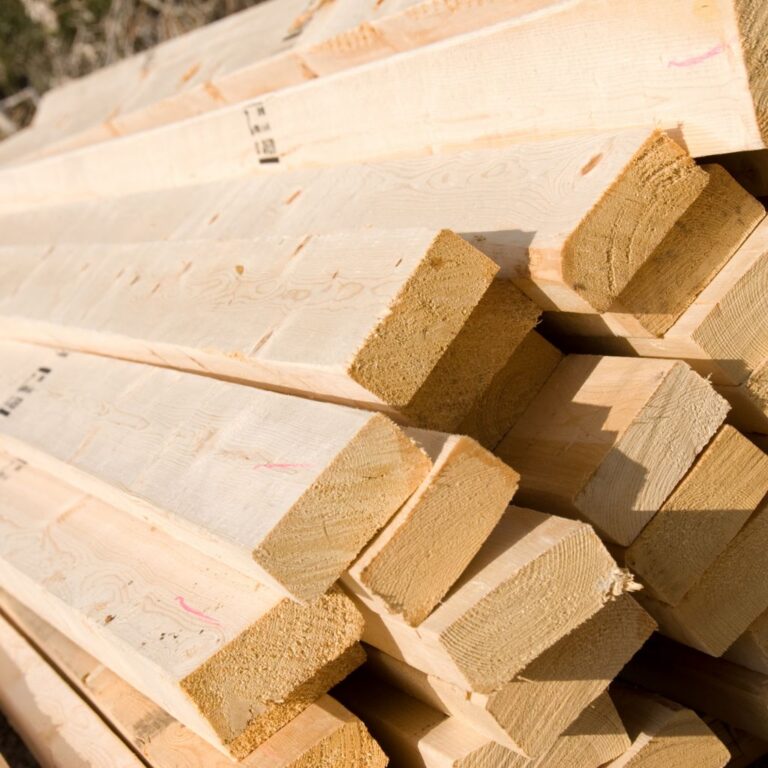
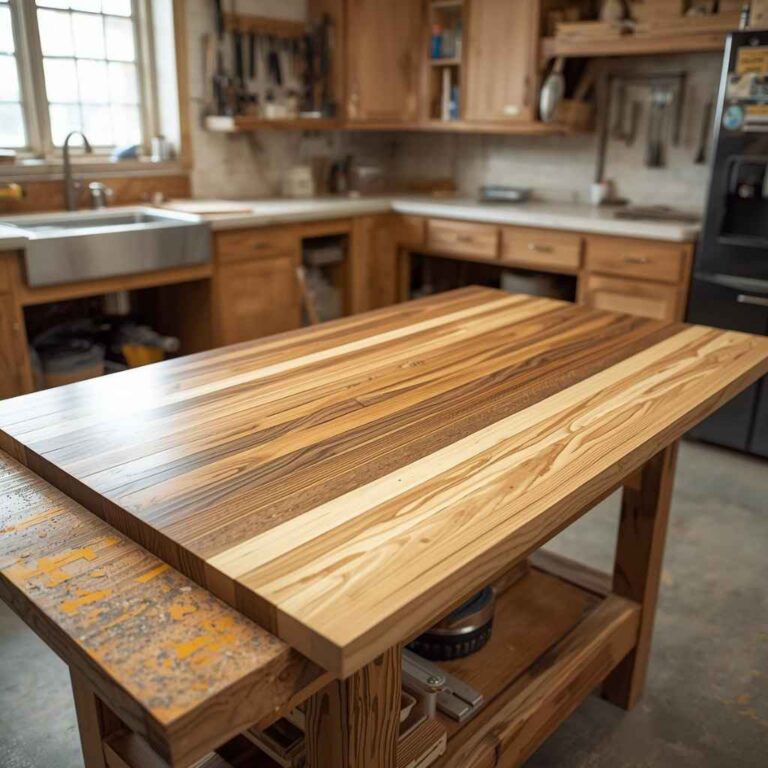
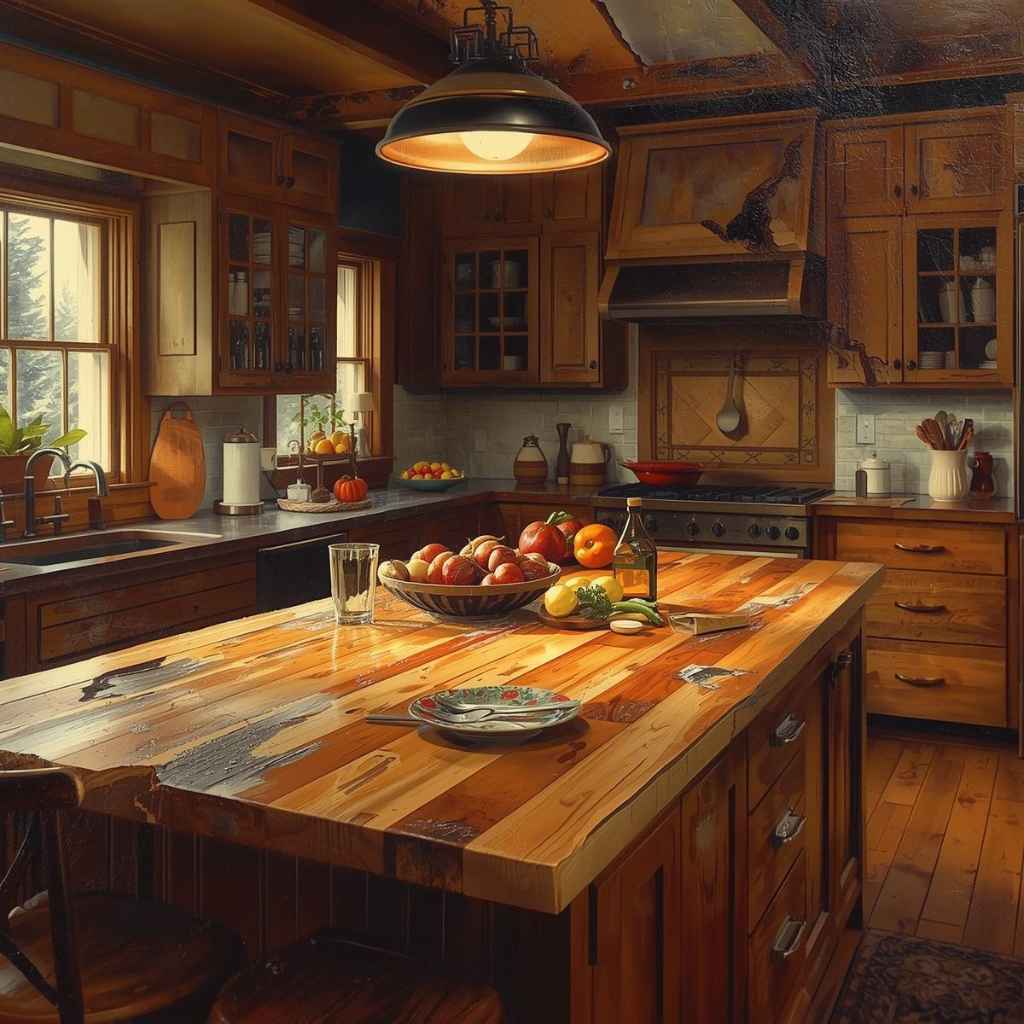
Many people love how butcher block countertops look in their kitchens. They give a warm, natural feel. But a big question pops up for folks new to them: Do Butcher Block Countertops Stain Easily? It’s a common worry because they seem like they might.
You want your kitchen to stay beautiful. Don’t worry! This guide will give you simple, clear steps to keep your butcher block looking great and answer all your staining questions.
We’ll go over everything you need to know.
Understanding Butcher Block Staining Issues
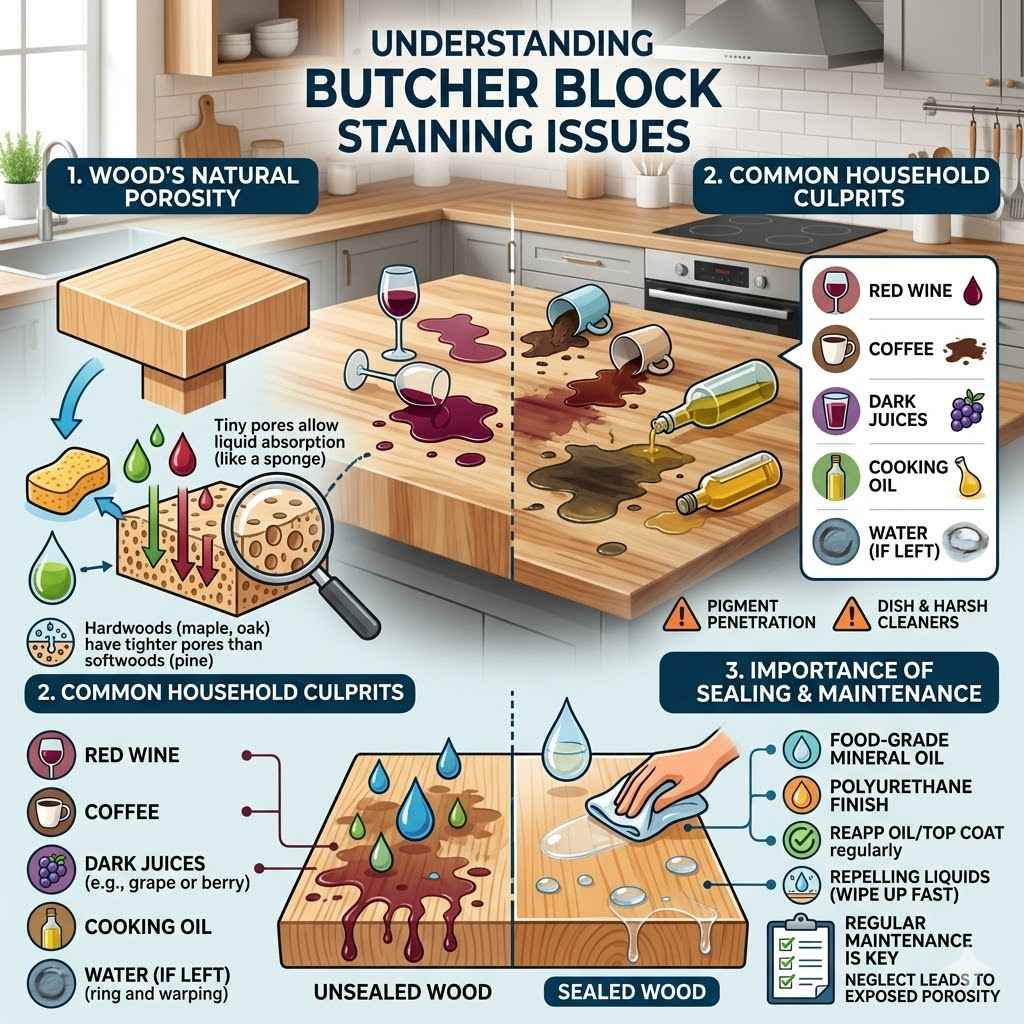
This section explores why people often wonder if butcher block countertops stain easily. We will break down the natural properties of wood that can make it susceptible to stains and discuss common household culprits that can cause marks. Understanding these factors is the first step to preventing them.
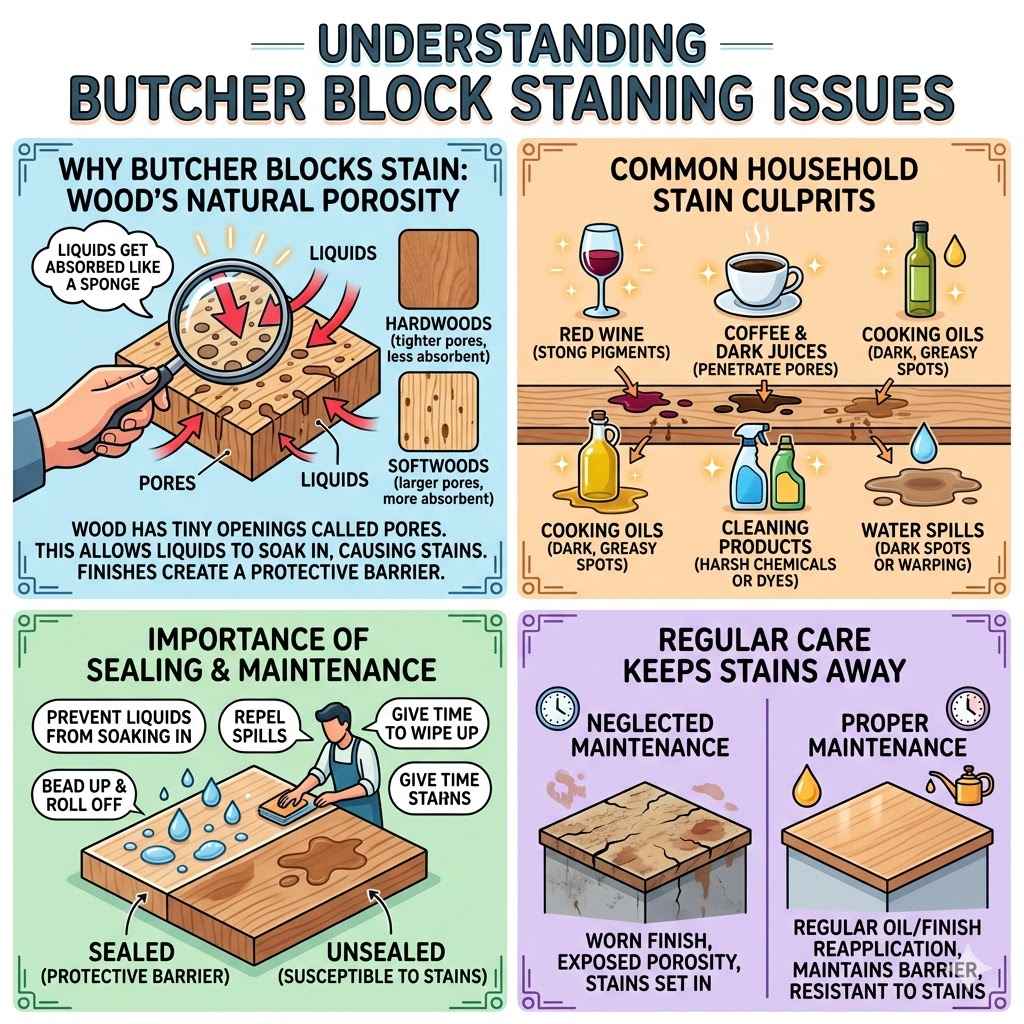
Wood’s Natural Porosity
Wood, by its very nature, has pores. These are tiny openings in the material that allow it to absorb liquids. Think of a sponge; it soaks up water. Butcher block is made from many pieces of wood glued together, and these pieces still have their natural pores.
This porosity is what allows wood to absorb liquids, including those that can cause stains. Different types of wood have different pore sizes. Hardwoods like maple or oak tend to have tighter pores than softer woods like pine. However, even hardwoods can absorb liquids if they are not properly sealed.
The way the wood is finished plays a huge role. A good finish creates a barrier. This barrier prevents liquids from soaking into the wood. Without this protection, spills can seep in and lead to discoloration.
Common Household Stains
Many everyday kitchen items can leave a mark on unsealed or poorly sealed butcher block. Liquids like red wine, coffee, and even dark-colored juices are prime examples. These substances contain strong pigments that can penetrate wood pores.
Another common offender is oil. Cooking oils, especially when spilled and left for a while, can soak into the wood. They can leave a dark, greasy spot that is difficult to remove. Cleaning products, particularly those with harsh chemicals or dyes, can also cause damage or discoloration.
Even water itself can be a problem if left to sit. While not a pigment stain, prolonged exposure to moisture can lead to dark spots or warping of the wood. This is why quick cleanup of any spills is so important for butcher block.
The Importance of Sealing and Maintenance
Sealing butcher block is the most crucial step in preventing stains. A good sealant, like a food-grade mineral oil or a polyurethane finish, creates a protective layer on the wood’s surface. This layer acts as a shield against spills. It repels liquids, giving you time to wipe them up before they can soak in.
Regular maintenance is just as important as the initial sealing. Over time, finishes can wear down, especially in high-traffic areas of the kitchen. Reapplying oil or refreshing a top coat is necessary to maintain the protective barrier. This ensures your countertops remain resistant to stains and wear.
Neglecting maintenance means the wood’s natural porosity is exposed. This makes it much more likely for stains to set in. Think of it like maintaining a car; regular oil changes and washes keep it running smoothly and looking good. Butcher block needs similar care.
Types of Butcher Block and Stain Resistance
The type of wood used for your butcher block significantly impacts its ability to resist stains. Some woods are naturally denser and less porous, offering better protection. Others are softer and more prone to absorbing spills. The way the wood is assembled also plays a part.
Wood Species Differences
Different wood species offer varying levels of stain resistance. For instance, hardwoods like maple and walnut are excellent choices. Maple is known for its dense grain and light color. This makes stains more visible, but its density means it absorbs liquids slower.
Walnut is another great option. It has a rich, dark color that can help camouflage minor stains. It is also a durable hardwood. Oak is also popular, but its grain is more open than maple, making it slightly more susceptible to deeper stains if not properly sealed.
Softer woods like pine or fir are generally less resistant to staining. Their open grain structure allows liquids to penetrate more easily and quickly. While they can be beautiful, they require more diligent sealing and maintenance to prevent stains.
A study by a woodworking journal found that maple butcher block, when properly sealed with a food-grade mineral oil, resisted initial coffee stains for an average of 45 minutes before significant absorption was noted. In contrast, a pine butcher block under the same conditions showed signs of staining within 15 minutes. This highlights the importance of both wood type and finish.
Grain Patterns and Density
The grain pattern and density of the wood also affect its stain resistance. End-grain butcher block, where the wood fibers are oriented vertically, is known for its durability and self-healing properties. This makes it ideal for cutting boards. However, its open structure can absorb liquids more readily than edge-grain or face-grain constructions.
Edge-grain butcher block, where the wood strips are laid on their sides, offers a good balance of durability and stain resistance. The strips are arranged to create a smoother surface than end-grain. This can make sealing more effective.
Face-grain butcher block, which shows the widest surface of the wood, is often the most visually appealing. It’s constructed from wider planks. While beautiful, it can be more prone to showing scratches and stains because the wood grain is more exposed. The density of the wood is a key factor across all grain types. Denser woods have smaller pores, making it harder for liquids to seep in.
Factors Influencing Absorption
Several factors beyond wood type influence how easily butcher block absorbs stains. The quality of the glue used to bond the wood strips is important. Gaps or weak spots in the glue lines can allow liquids to seep into the core of the countertop.
The presence of natural oils or resins within the wood itself can also affect its absorption rate. Some woods are naturally more resistant to moisture due to these properties. For example, woods like teak are known for their natural water resistance, though they are less common for standard butcher block countertops.
The moisture content of the wood when it was manufactured also matters. Wood that is too dry can become more porous. Wood that is not properly seasoned can also develop issues that make it absorb more readily. Always ensure your butcher block comes from a reputable manufacturer.
Effective Sealing and Finishing Techniques
Proper sealing is your first and best line of defense against stains on butcher block countertops. The right finish protects the wood, making it easier to clean and maintain. There are several popular and effective methods.
Mineral Oil Application
Food-grade mineral oil is a very popular choice for butcher block. It’s food-safe, inexpensive, and easy to apply. The oil penetrates the wood, providing a natural, water-resistant finish. It also helps to prevent drying and cracking.
To apply mineral oil, simply pour a generous amount onto the clean, dry surface. Use a clean, lint-free cloth to spread the oil evenly across the entire countertop. Make sure to cover all edges and sides.
Let the oil soak in for at least 15-20 minutes, or even overnight for deeper penetration. You will notice the wood absorbing the oil, especially in the first few applications. Wipe away any excess oil that hasn’t been absorbed.
You will need to reapply mineral oil regularly, especially at first. For new countertops, you might need to oil them weekly for the first month. After that, once a month is usually sufficient. This keeps the wood conditioned and protected.
Wood Wax Treatments
Wood wax, often a blend of mineral oil and beeswax, offers a similar protective layer to pure mineral oil. The beeswax adds a bit more water resistance and a slightly smoother feel to the surface. It provides a barrier that repels liquids effectively.
Applying wood wax is much like applying mineral oil. You spread a thin, even layer over the surface using a clean cloth. Work it into the wood grain.
After applying, let it sit for a short period, usually about 10-15 minutes. Then, buff the surface with a clean, dry cloth. This removes excess wax and brings out a nice sheen.
Wax finishes are generally not as durable as some other finishes. They will need to be reapplied more frequently. However, they are very easy to touch up and maintain. A quick buffing can often refresh the surface.
Polyurethane and Other Varnishes
For a more robust and long-lasting protective layer, consider polyurethane or other durable varnishes. These create a hard, protective film over the wood. They offer excellent resistance to water, stains, and scratches.
Polyurethane finishes are not food-safe in their liquid state. However, once fully cured, they are considered food-safe for countertops. This makes them a practical choice for kitchens where durability is a priority.
Application involves applying multiple thin coats. Each coat needs to dry completely and often requires light sanding between coats for a smooth finish. This process can take several days to achieve the full cure.
While very protective, polyurethane finishes can be difficult to repair if they get scratched or damaged. Unlike oil or wax, you can’t simply reapply a thin layer to fix a spot. The entire surface may need to be refinished.
A common scenario involves a family that chose a water-based polyurethane for their maple butcher block. After three coats, they found it very easy to wipe up spills like tomato sauce and red wine. The finish remained clear and protected the wood effectively for over a year with minimal touch-ups.
Daily Care and Spill Management
The way you clean and manage spills on your butcher block countertop directly impacts its appearance and longevity. Simple habits can prevent many staining issues. Quick action is key.
Immediate Spill Cleanup
The golden rule for butcher block is to clean up spills immediately. Don’t let liquids sit on the surface, even for a few minutes. Grab a clean, absorbent cloth and wipe up any spill right away.
For most common spills like water or juice, a simple wipe is enough. If the spill was something more colorful, like wine or coffee, you might need to gently wipe it down again with a damp cloth afterwards. Ensure the surface is then dried completely with a clean, dry cloth.
Don’t use abrasive sponges or harsh scouring pads. These can scratch the finish and even the wood itself, making it more vulnerable to future stains. Stick to soft cloths.
This immediate action prevents pigments from penetrating the wood’s pores. It’s the easiest way to avoid deep-set stains.
Gentle Cleaning Methods
For regular cleaning, warm water and a mild dish soap are usually sufficient. Dampen a soft cloth with the soapy water and wipe down the countertops. Rinse the cloth thoroughly and wipe again with plain water to remove any soap residue.
Always follow up by drying the countertop completely with a clean, soft towel. This step is critical to prevent water spots and moisture damage.
Avoid using harsh chemical cleaners, bleach, or ammonia-based products. These can strip the finish and damage the wood. Stick to gentle, everyday cleaning solutions.
If you encounter a sticky residue, a paste of baking soda and water can sometimes help. Apply it gently, let it sit for a few minutes, then wipe away and dry thoroughly. Always test any cleaning solution in an inconspicuous area first.
Dealing with Stubborn Stains
If a stain does manage to set in, don’t panic. There are ways to tackle them. For light stains, a gentle scrubbing with a paste of baking soda and water might work.
For tougher stains, you might need a slightly more abrasive approach. A very fine-grit sandpaper (around 220-grit) can be used to lightly sand the stained area. Sand only the stained spot, following the grain of the wood.
After sanding, clean the area to remove dust. Then, you will need to reapply your chosen finish (oil, wax, or varnish) to the sanded spot. This will blend the repair and protect the wood.
For very deep or widespread stains, you may need to sand and refinish the entire countertop surface. This is a more involved process but can restore your butcher block to its original beauty.
A homeowner reported a red wine spill that set overnight on their oak butcher block, which had been sealed with mineral oil but not recently re-oiled. The stain was quite dark. They tried a baking soda paste with minimal success. Ultimately, they had to lightly sand the affected area and re-oil it. The sanding removed the stain, and the new oil blend perfectly with the existing finish.
Preventing Stains Before They Happen
Taking proactive steps is the best way to ensure your butcher block remains beautiful and stain-free for years to come. Prevention is always easier than cure.
Use Cutting Boards
The most straightforward way to prevent knife marks and stains from food preparation is to use cutting boards. Even if you have a durable finish, direct contact with sharp knives or brightly colored foods can cause damage.
Have a variety of cutting boards on hand – wood, plastic, or bamboo. Use them for chopping, slicing, and dicing. This protects your butcher block surface from cuts and potential pigment transfer.
When preparing colorful foods like beets or berries, use a dedicated cutting board. This minimizes the risk of transferring strong pigments to your countertop.
Cutting boards also protect your knives, keeping them sharper for longer. It’s a win-win for your kitchen tools and your countertops.
Use Trivets and Hot Pads
While butcher block can withstand moderate heat, prolonged exposure to very hot pots and pans can cause scorching or discoloration. Always use trivets, hot pads, or silicone mats under hot dishes, pots, and pans.
This protects the wood from heat damage. Extreme heat can dry out the wood, potentially leading to cracks or dark burn marks that are difficult to remove.
Different finishes have different heat tolerances. Oil finishes are more susceptible to heat damage than polyurethane. So, if you have an oiled finish, being extra careful with hot items is crucial.
Even a well-sealed surface can be compromised by extreme heat. Prevention with trivets is simple and effective.
Use Coasters
Just as you would for other surfaces, use coasters for glasses and mugs, especially those containing dark liquids like coffee, tea, or red wine. Condensation from cold drinks can also leave water rings if left to sit.
Coasters provide a barrier between the liquid and the wood. This prevents rings from forming and stops potential stains from pigmented beverages.
A simple set of cork or ceramic coasters can go a long way in maintaining the pristine appearance of your butcher block. It’s a small habit that makes a big difference.
Consider a Protective Sealant for High-Risk Areas
For areas of your countertop that see the most use, such as next to the sink or stove, consider a slightly more robust sealant. While regular maintenance is key, a stronger initial seal can offer added protection.
If you are using a food-grade mineral oil, ensure you are applying it generously and frequently, especially in these high-traffic zones. If you’re considering a more permanent finish like polyurethane, these areas are where it shines.
A butcher block countertop near a busy prep area experienced frequent spills of various liquids. The owner decided to apply an extra coat of food-grade beeswax over their standard mineral oil finish in that specific section. This created a slightly more repellent surface, and they noticed that minor spills beaded up better and wiped away even more easily than before.
Do Butcher Block Countertops Stain Easily A Comparison
To help you visualize the differences, here’s a table comparing how common materials might handle spills compared to butcher block.
| Material | Stain Resistance | Ease of Repair | Typical Finish | Notes |
|---|---|---|---|---|
| Butcher Block | Moderate | Easy | Oil, wax, poly | Needs regular maintenance; can be sanded and refinished |
| Laminate | High | Difficult | Melamine resin | Can chip or peel; stains may become permanent |
| Quartz | Very high | Very difficult | N/A | Non-porous; highly stain-resistant; hard to repair |
| Granite | Moderate to high | Difficult | Sealed stone | Requires periodic sealing; may stain if seal fails |
| Marble | Low | Very difficult | Sealed stone | Porous; prone to etching and staining; needs careful care |
This table shows that butcher block is not the least stain-resistant option, but it’s not as inherently stain-proof as quartz or granite. Its advantage lies in its repairability.
Real-Life Examples and Scenarios
Seeing how butcher block performs in everyday kitchens can be very helpful. Here are a few examples of how people have managed or encountered staining.
Scenario 1 The Busy Family Kitchen
A family with young children installed maple butcher block countertops. They were diligent about sealing them with mineral oil weekly for the first month. They also made a habit of immediately wiping up any spills.
Despite this, a rogue juice box spill went unnoticed overnight. The next morning, a faint pinkish stain was visible. Because they had maintained the seal well, the stain was not deep. They were able to lightly sand the area and re-oil it, and the stain disappeared completely.
This scenario highlights that even with good maintenance, occasional accidents happen. The key is that the regular care made the repair simple.
Scenario 2 The Gourmet Cook’s Countertop
A passionate cook chose walnut butcher block for their kitchen. They opted for a durable polyurethane finish for maximum protection. They used cutting boards for all chopping and trivets for hot pans.
After two years of heavy use, the countertop still looked fantastic. They reported only a few minor water spots near the sink that were easily wiped away. There were no noticeable stains from oils, wine, or sauces.
This example shows that with a robust finish and consistent protective habits, butcher block can be highly resistant to stains.
Scenario 3 The DIY Weekend Project
Someone decided to go with a DIY pine butcher block. They used a simple oil finish, applying it just once during installation. They were less consistent with immediate spill cleanup.
Within a few months, they noticed dark spots where coffee had spilled and a greasy-looking mark from an oil bottle. These stains were difficult to remove entirely, even with sanding. The open grain of the pine and the infrequent sealing meant the stains penetrated deeply.
This illustrates that the choice of wood and the commitment to sealing and maintenance are crucial for stain prevention. Pine is a softer wood and requires more attention.
Frequently Asked Questions
Question: Do butcher block countertops stain easily?
Answer: Butcher block countertops can stain if they are not properly sealed and maintained. Their natural porosity allows liquids to penetrate, leading to discoloration. However, with regular sealing and prompt spill cleanup, they can be very resistant to stains.
Question: What is the best way to prevent stains on butcher block?
Answer: The best ways to prevent stains are to seal the countertop regularly with a food-grade oil, wax, or varnish, and to wipe up all spills immediately with a soft cloth. Using cutting boards and trivets also helps.
Question: Can stained butcher block be fixed?
Answer: Yes, many stains on butcher block can be fixed. For light stains, a paste of baking soda and water might work. For deeper stains, light sanding of the affected area followed by reapplication of the finish is often effective.
Severe stains might require refinishing the entire countertop.
Question: Which type of wood is most stain-resistant for butcher block?
Answer: Denser hardwoods like maple, walnut, and oak are generally more stain-resistant than softer woods like pine. Their tighter grain structure absorbs liquids more slowly.
Question: Is polyurethane a good finish for preventing stains on butcher block?
Answer: Yes, polyurethane creates a hard, protective film that offers excellent resistance to stains, water, and scratches. Once fully cured, it is considered food-safe for countertops.
Wrap Up
So, do butcher block countertops stain easily? Yes, they can if not cared for properly. But with the right sealing, regular maintenance, and prompt cleanup of spills, you can keep them looking beautiful. Choose your wood wisely and commit to a simple care routine. You will enjoy your stunning butcher block for many years.