Does Alder Wood Stain Well? Unlock the Secrets!
Alder wood stains well and accepts a variety of finishes. Its fine grain and consistent texture enhance the overall appearance.
Alder wood is a popular choice among woodworkers and DIY enthusiasts for its attractive aesthetic and versatility. This hardwood, native to North America, features a light color with subtle variations, making it an excellent canvas for stains. Staining Alder can enhance its natural beauty, allowing for a range of finishes from light to dark tones.
Its relatively soft texture makes it easy to work with and maintain. Whether you’re creating furniture, cabinetry, or decorative pieces, understanding how to properly stain Alder will help achieve a professional look. Experimenting with different stains can yield stunning results, showcasing the wood’s unique characteristics.
Introduction To Alder Wood
Alder wood is a popular choice among woodworkers. It has a warm, rich color that many love. This wood is known for its fine grain and smooth texture. Alder is easy to work with and can be shaped easily. It is also lightweight, making it ideal for various projects.
Many people use alder wood for furniture, cabinets, and decorative items. It takes stains and paints very well. Alder can mimic other woods, making it versatile. This wood is often used in kitchenware and musical instruments. It is a favorite in the woodworking community.
Staining Basics
Staining is a process that enhances the beauty of wood. It adds color and highlights grain patterns. Different types of stains exist for various effects.
Staining wood has many benefits. First, it protects the wood from damage. Second, it improves the overall appearance. Third, it can increase the wood’s lifespan.
Using stain can also hide imperfections. This makes the wood look more uniform. Choosing the right stain can create a desired finish.
Alder Wood And Staining
Alder wood is known for its softness and warm colors. It takes stain very well, enhancing its natural beauty. Light stains work best, revealing the wood’s grain clearly. Darker stains can sometimes appear uneven due to the wood’s density.
Compared to hardwoods like oak or maple, alder is more forgiving. It absorbs stain evenly, producing a consistent finish. Other woods may blotch or require special treatments. Overall, alder wood is a great choice for those seeking a rich, warm look.
Types Of Stains For Alder
Alder wood can absorb various types of stains well. Oil-based stains offer rich color and enhance grain visibility. They penetrate deeply, providing lasting results. Water-based stains dry quickly and are easy to clean. They are less toxic and have less odor. Gel stains sit on the wood surface and create a uniform finish. They are great for vertical surfaces and control drips. Each stain type has unique benefits. Choose the one that fits your project best.
| Type of Stain | Benefits |
|---|---|
| Oil-Based Stains | Deep penetration, rich color, enhances grain |
| Water-Based Stains | Quick drying, easy cleanup, low odor |
| Gel Stains | Uniform finish, great for vertical surfaces |
Preparation For Staining
Proper preparation is key for staining alder wood. Start by using the right sanding techniques. Use medium-grit sandpaper to smooth the surface. Follow up with fine-grit sandpaper for a clean finish. Always sand in the direction of the wood grain.
Cleaning the surface is crucial. Remove all dust and debris from sanding. Use a tack cloth or a damp rag for this task. Ensure the wood is completely dry before applying any stain. This helps the stain adhere better and creates an even finish.
Staining Techniques
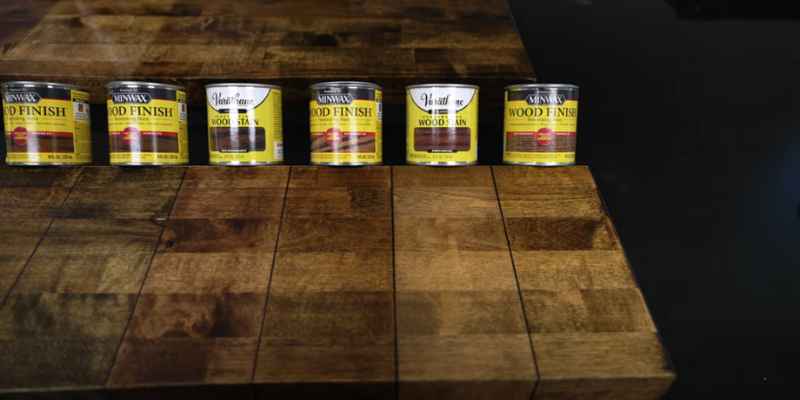
Staining Alder wood can produce beautiful results. Start with clean, dry wood for the best finish. Use a wood conditioner before applying stain. This helps the wood absorb the stain evenly.
Apply the stain using a brush or cloth. Make sure to work in the direction of the grain. Wipe off any excess stain with a clean cloth. This prevents uneven spots and blotches on the surface.
For darker colors, consider using a second coat. Ensure the first coat is fully dry before applying more. Test your stain on a small piece of wood first to see the final look.
Finishing Touches
Alder wood stains well and offers a beautiful finish. To achieve the best results, seal and protect the wood after staining. This helps maintain its appearance over time.
Use a high-quality sealant to shield the wood from moisture and damage. Regular maintenance is essential. Clean the surface gently with a damp cloth.
Reapply the sealant every few years. This keeps the wood looking fresh and vibrant. Avoid harsh chemicals that can harm the finish.
For best results, store the wood in a dry place. This prevents warping and ensures durability.
Real-world Examples
Alder wood stains beautifully and often mimics the look of more expensive woods. Many users appreciate the rich color it offers after staining. Some case studies show that darker stains bring out the wood’s natural grain. This enhances its overall appeal in furniture.
Expert opinions agree that pre-staining can improve results. A light sanding helps to prepare the surface. Oil-based stains are often recommended for a deeper finish. Testing on a small area can help find the best shade.
| Example | Result |
|---|---|
| Light Stain | Shows grain clearly |
| Dark Stain | Rich, warm tone |
| Natural Finish | Maintains original look |
Frequently Asked Questions
Does Alder Wood Take Stain Well?
Yes, alder wood takes stain well due to its fine grain. It absorbs stain evenly, providing a rich, warm finish. However, results may vary based on the type of stain used. For best results, test a small area before applying it to the entire surface.
What Stain Works Best On Alder Wood?
Oil-based stains are often recommended for alder wood. They enhance the natural beauty while providing a durable finish. Water-based stains can also be used, offering quicker drying times. Always test different stains to see which one suits your project best.
How Do You Prepare Alder Wood For Staining?
Begin by sanding the alder wood surface to a smooth finish. Start with coarse grit sandpaper and progress to finer grits. Clean the dust thoroughly before applying any stain. Proper preparation ensures an even application and better absorption of the stain.
Can You Darken Alder Wood With Stain?
Absolutely! Alder wood can be easily darkened with stains. Choose a darker shade to achieve the desired effect. Keep in mind that multiple coats may be needed for a richer finish. Testing on a sample piece first is always recommended.
Conclusion
Alder wood can stain beautifully, enhancing its natural grain and warmth. Choosing the right stain is crucial for achieving the desired finish. Always test on a small area first to see how the wood reacts. With proper preparation and care, your alder projects can achieve stunning results that stand the test of time.