Cabot vs Sherwin-Williams Deck Stain: Which One Should You Buy?
Cabot and Sherwin-Williams are two of the most common names you’ll run into when shopping for deck stain, but they’re not really head-to-head competitors in the way that sounds. Cabot’s stains, like the well-known Australian Timber Oil line, are sold at Lowe’s, Home Depot, and Amazon for around $50 to $60 a gallon. Sherwin-Williams sells its SuperDeck line only through its own paint stores, with an employee walking you through color and formula in person. Neither one is simply “better” across the board. The right pick comes down to whether you want a big-box product you can buy this weekend or a dedicated store’s product with expert help, and what condition your deck’s wood is actually in before you touch it with a brush.
Cabot vs Sherwin-Williams: Which Should You Actually Pick?
Best Amazon-Available Deck Stain Pick
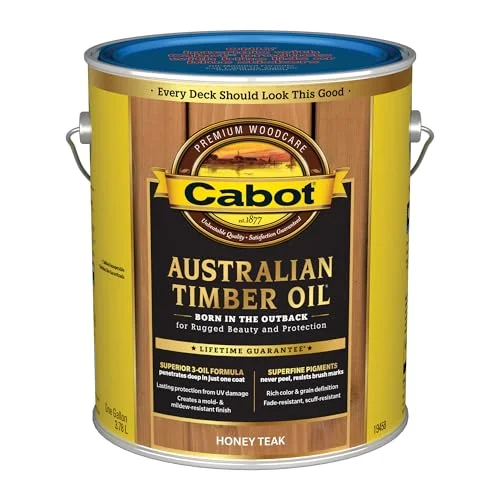 |
Cabot Australian Timber Oil, Honey Teak, 1 Gallon – $55.98 Sherwin-Williams SuperDeck isn’t sold on Amazon since it’s a paint-store-exclusive line, so this is the realistic online pick if you’re comparing Cabot against it.
|
If you’re leaning toward doing this yourself with something you can buy this weekend, Cabot Australian Timber Oil (the pick above) is the more realistic option since it’s stocked at nearly every Lowe’s and doesn’t require a special trip. If you’d rather have someone at a paint counter match a color and walk you through prep in person, Sherwin-Williams SuperDeck is the better fit, though you’ll need to visit an actual Sherwin-Williams store since it isn’t carried by home-improvement chains or sold on Amazon.
Price and Where Each Brand Is Actually Sold
The price gap between these two brands is smaller than a lot of buying guides suggest, but where you can actually buy them is genuinely different. Cabot Australian Timber Oil typically runs $50 to $60 per gallon at Lowe’s, Home Depot, and Ace Hardware, and it’s also sold on Amazon, which is where most DIYers end up comparing it against other brands. Sherwin-Williams SuperDeck isn’t sold through big-box retailers at all; it’s a Sherwin-Williams-store-exclusive line, and pricing varies more by region and finish (semi-transparent, solid, or the waterborne solid formula) than Cabot’s single-line pricing does.
That store-only distribution is the real practical difference for most buyers. If there isn’t a Sherwin-Williams store near you, or you’d rather order online and have a can arrive in two days, Cabot is simply the more available option. That’s a logistics difference, not a statement that one formula outperforms the other.
Durability and Application: What Actually Wears Out First
Reviewers who’ve tested both side by side generally find that Cabot’s oil-based formula penetrates deeper in a single coat and goes on with fewer lap marks, which matters if you’re staining a full deck solo before the leading edge has a chance to dry. Several of Sherwin-Williams’ SuperDeck formulas include a carnauba wax additive, which gives them a slight edge in scuff and foot-traffic resistance right after application, worth weighing if the deck gets a lot of bare feet, pets, or furniture being dragged around.
Color retention is closer between the two than older reviews suggest. Both brands have updated their UV packages in recent years, so don’t assume one is dramatically more fade-resistant without checking the specific product line and finish you’re actually comparing, not just the brand name on the can.
- Cabot Australian Timber Oil: oil-based, penetrating, deep one-coat absorption, easier to apply without lap marks, wears gradually instead of peeling.
- Sherwin-Williams SuperDeck: available in oil, waterborne, and solid formulas; wax-enhanced options add scuff resistance; solid/waterborne lines form more of a surface film.
Why the Application Method Matters More Than the Brand
Here’s the part most brand-vs-brand comparisons skip: whether a stain is oil-based and penetrating or acrylic/solid and film-forming affects how it wears far more than whether the can says Cabot or Sherwin-Williams. A penetrating oil stain like Cabot’s Australian Timber Oil soaks into the wood fibers instead of sitting on top of them, so it doesn’t peel, it just wears down gradually and needs a fresh coat every 1 to 3 years depending on sun exposure. A solid or acrylic stain, which both brands also sell, forms more of a surface film, similar to thin paint. It hides more of the wood grain but can crack or peel if it’s applied over a deck that wasn’t fully dry or properly cleaned first.
If you’re comparing a semi-transparent product from one brand against a solid-color product from the other, you’re really comparing two different stain technologies, not two brands, and that choice affects your maintenance schedule more than the logo will.
Wood Prep Matters More Than Either Brand
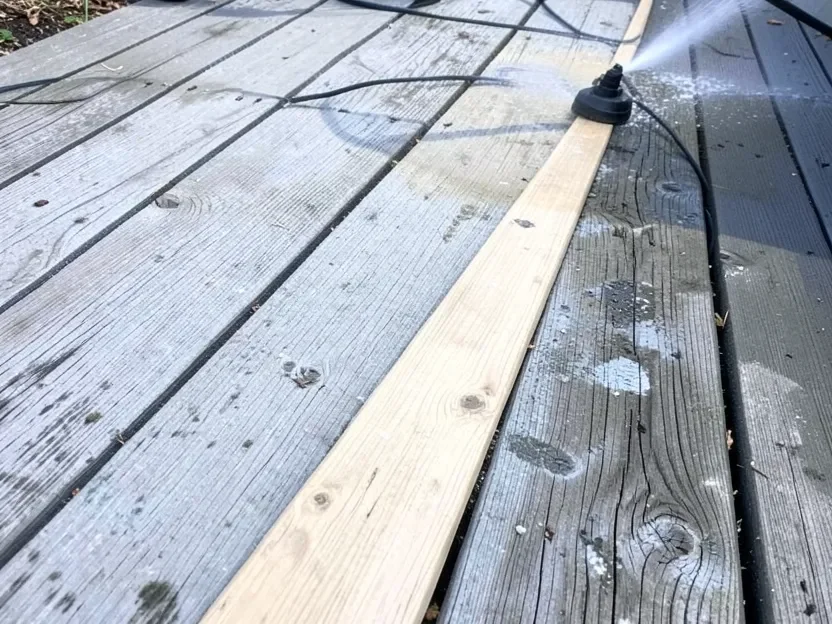
Both Cabot and Sherwin-Williams will underperform on a deck that wasn’t properly prepped, and this is where most stain jobs actually go wrong. Wood needs to be clean (no mildew, dirt, or old failing stain film) and it needs to be dry. Most manufacturers recommend the wood sit at or below roughly 15% moisture content before staining, which usually means waiting at least 48 hours after a good rain or a pressure wash before applying any stain, oil or acrylic, from either brand.
Staining over wood that’s still damp is one of the most common reasons a “bad” stain job gets blamed on the brand when the real cause was timing. If you’re deciding between these two products, put as much effort into checking the wood’s moisture and cleanliness as you put into picking the brand. It will matter more for how the finish actually holds up.
- Clean first: strip mildew, dirt, and any failing old finish before touching either brand’s stain.
- Check moisture: let the wood dry to roughly 15% moisture content or below, typically 48+ hours after washing or rain.
- Match the finish to the goal: penetrating oil stains show more grain and wear gradually; solid/acrylic stains hide more grain and can crack if applied over damp wood.
Choosing the Right One for Your Deck
If you want the simplest path, a widely available product, a lower per-gallon cost, and a formula that’s easier for a first-timer to apply without lap marks, Cabot Australian Timber Oil is the practical pick, especially since it’s the one you can order through Amazon or pick up same-day at Lowe’s. If you’re matching an existing Sherwin-Williams color scheme, want in-person color consulting, or specifically want the added scuff resistance of SuperDeck’s wax-enhanced solid formula, the extra trip to a Sherwin-Williams store is worth it. Either way, clean and dry the wood first, and match the stain type (penetrating oil vs. film-forming solid) to how much wood grain you actually want to keep visible, not just to whichever brand’s can looks better on the shelf.
Frequently Asked Questions
Is Cabot or Sherwin-Williams better for deck stain?
Neither is universally better. Cabot’s Australian Timber Oil is a penetrating oil stain that’s widely available at Lowe’s, Home Depot, and Amazon for $50 to $60 a gallon and goes on with fewer lap marks. Sherwin-Williams SuperDeck is sold only through Sherwin-Williams stores, comes in more formula options including wax-enhanced solids with better scuff resistance, and includes in-person color consulting. The better choice depends on availability, whether you want a penetrating or film-forming finish, and how much in-person guidance you want.
Can you buy Sherwin-Williams SuperDeck on Amazon?
No. SuperDeck is a Sherwin-Williams-store-exclusive product line and isn’t sold on Amazon or at home-improvement chains like Lowe’s or Home Depot. You need to buy it directly from a Sherwin-Williams retail location or its website.
How long does Cabot Australian Timber Oil last on a deck?
Typically 1 to 3 years before it needs a fresh coat, depending on sun exposure, foot traffic, and how well the deck was cleaned and dried before the original application. Because it’s a penetrating oil stain rather than a film-forming one, it wears down gradually instead of peeling, so a recoat is more about restoring color and water resistance than fixing a failed surface coating.
Do I need to prep my deck before staining with either brand?
Yes, and it matters more than which brand you choose. The wood needs to be clean of mildew, dirt, and any old failing finish, and it needs to be dry, generally at or below roughly 15% moisture content, which usually means waiting at least 48 hours after rain or a pressure wash. Staining over damp or dirty wood is one of the most common reasons a stain job fails early, regardless of brand.
What’s the difference between oil-based and solid deck stain?
An oil-based penetrating stain, like Cabot’s Australian Timber Oil, soaks into the wood fibers and lets the grain show through, and it wears down gradually rather than peeling. A solid or acrylic stain forms more of a surface film similar to thin paint, hiding more of the wood grain while offering more uniform color, but it can crack or peel if applied over wood that wasn’t fully clean and dry first. Both Cabot and Sherwin-Williams sell products in each category, so the technology matters as much as the brand.
Final Thoughts
Cabot and Sherwin-Williams both make solid deck stains, but they’re not really competing on the same shelf: Cabot is the big-box, order-it-online option around $50 to $60 a gallon, while Sherwin-Williams SuperDeck is a store-exclusive line with more formula choices and in-person color help. Pick based on availability and whether you want a penetrating oil finish or a film-forming solid one, then spend real effort cleaning and drying the wood before you open the can. Prep affects how the finish holds up more than the logo does.
Sponsored / affiliate links. As an Amazon Associate I earn from qualifying purchases. I may earn additional commission from eligible campaigns.