Does Birch Wood Burn Well: The Proven Expert Guide
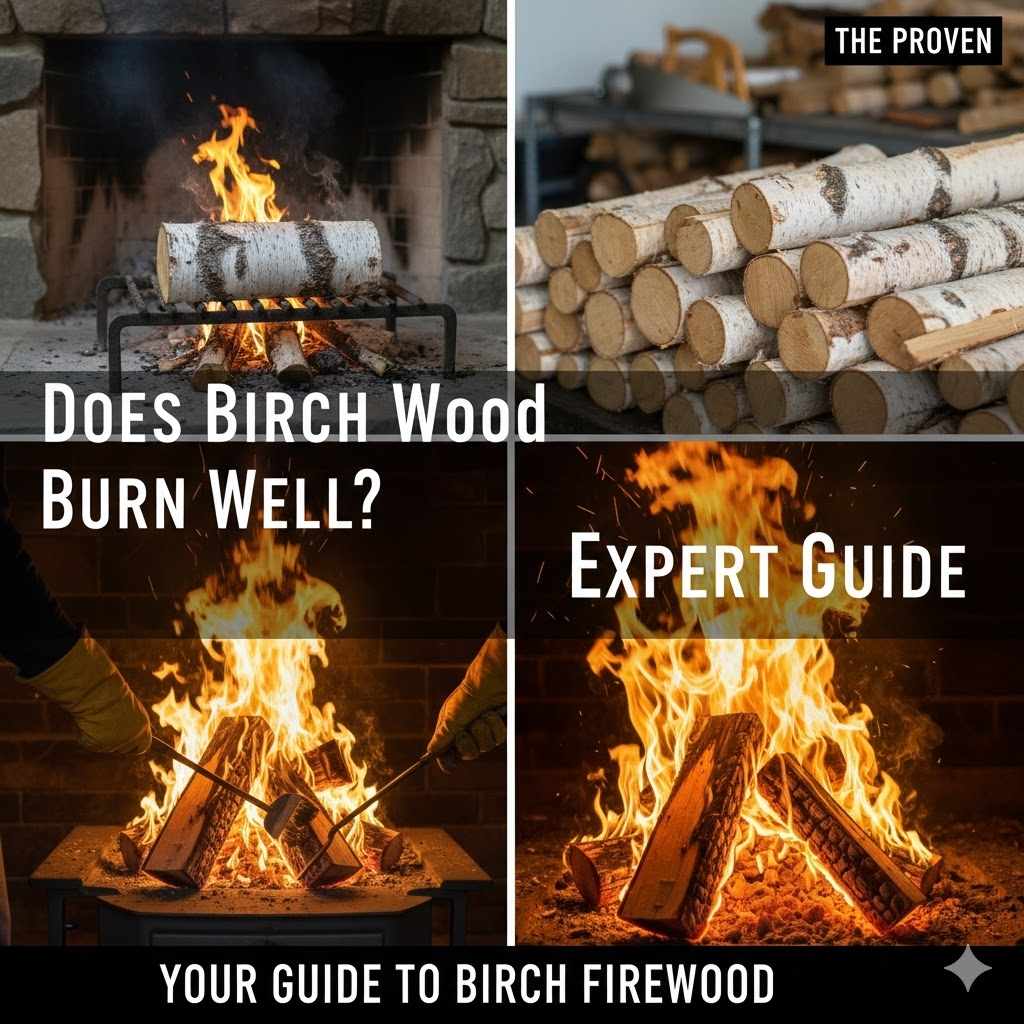
Yes, dry, seasoned birch wood burns very well. It’s a versatile hardwood known for dependable heat output, moderate smoke production, and attractive coals. Understanding how to choose well-seasoned birch is key to achieving a clean, efficient, and cozy fire that satisfies both a wood stove and a seasoned hobbyist.
Welcome to the workshop spot where we answer those main fire myths that leave people second-guessing. Ever hauled wood home, only to find it hisses and smokes instead of roaring when you need it most—especially if that wood is birch wood?
You’re not alone. Choosing the right fuelwood is vital for efficiently heating your home or even controlling a campfire. Confusion often happens because birch looks lightweight, making people wonder about its punch. I want to put your mind at ease right now.
With the right preparation (and I mean drying it!), birch is truly a wonderful fire starter and sustained heat source. This guide breaks down exactly how birch performs, clears up the confusion surrounding its burning qualities, and gives you tested tips for the fastest, hottest burn possible. We will dive deep into seasoning techniques, proper stacking, and comparing it to other common firewoods so you can chop with confidence.
Does Birch Wood Burn Well? The Final Answer from a Wood expert
The simple confirmation you seek is that yes, aged and properly dried (seasoned) birch wood burns very well. Birch falls into the category of semi-hardwoods, bridging the gap between very soft woods like pine and the denser, slower-burning giants like oak.
What makes it effective? Birch offers a reliable, fast ignition time and produces a bright, lively flame perfect for quickly throwing heat into a room. If the wood is wet, though—even slightly—it will struggle to get past the steamy stage; that’s where the confusion over its dependability comes from a common beginner mistake.
Here’s what you can expect immediately from good, dry birch, which we measure scientifically by its BTU (British Thermal Units) or energy density:
- Heat Output: Better than softwoods like cedar or pine. It ranks solidly.
- Burn Time: It snaps and burns through more quickly than very hard woods (like oak or ash) but gives excellent quick heat.
- Smoke Level: Relatively clean, burning to fine grey or white ash, provided it stays over 20% moisture content.
Understanding Seasoning: The Real Secret to Better Burn Quality
In crafting any successful fire—whether in a hearth, wood stove rated for home heating as compliant by groups like the EPA is vital, or at your campfire ring—the preparation of the wood beats the species itself historically. Seasoning is non-negotiable.
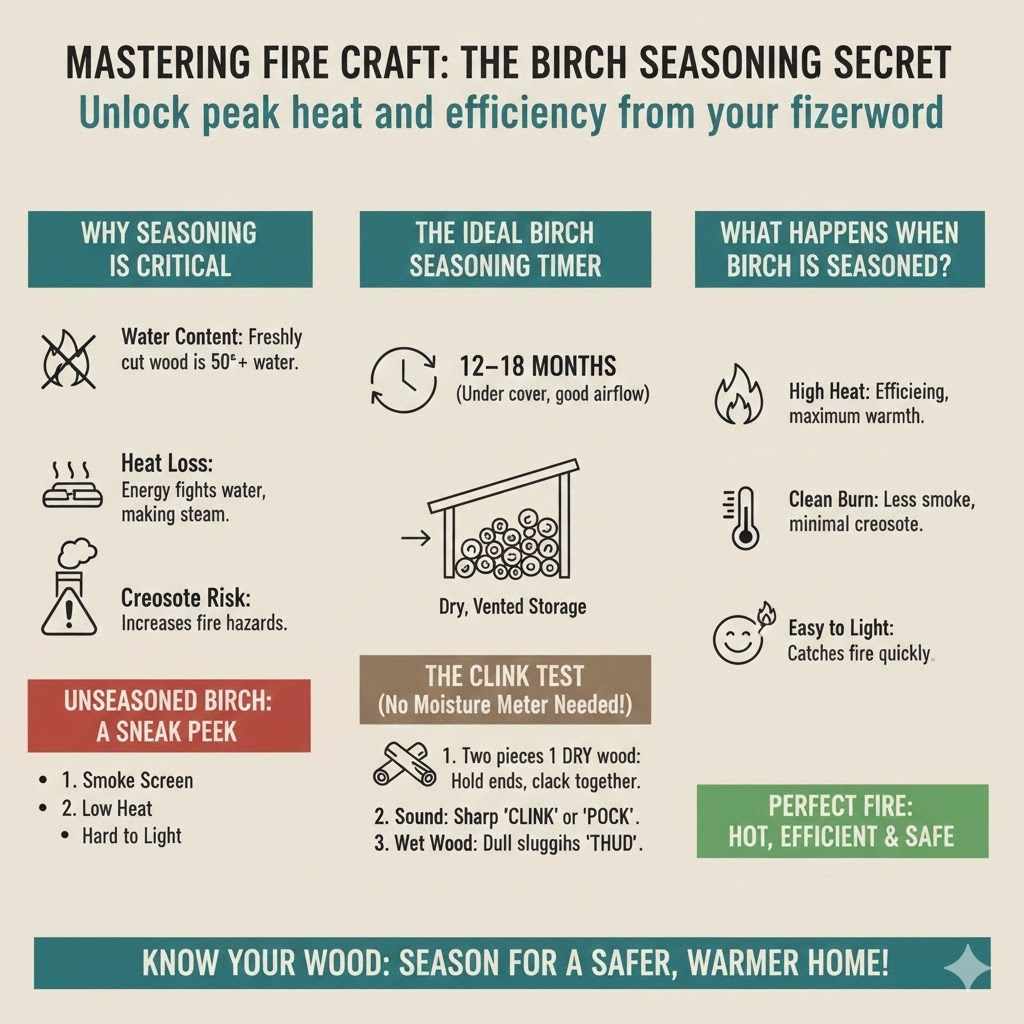
Seasoning wood means letting freshly cut wood dry out so that only about 10% to 20% of its original mass remains as water content. Wetting wood just generates lots of steam, reducing heat energy and drastically increasing creosote hazards inside your chimney:
What Happens When Birch Isn’t Seasoned?
- Smoke Screen: The main goal of heat is lost combating the water vapor, creating thick white smoke rather than hot embers.
- Lower Temp Safety Risk: The overall heat struggle is what causes creosotes (unburnt smoky condensation) to coat the inside of your flue system.
- Hard to Light: It takes much longer to catch, requiring many frustrating attempts with accelerators.
The Essential Birch Seasoning Timer
Drying birch is relatively swift compared to dense maples or oaks, typically taking between 12 to 18 months side-by-side under cover, depending on your local humidity and climate (e.g., the drier Northeast versus a steamy Southeast climate).
Test for Dryness: If you don’t own a moisture meter yet (and you absolutely should!), perform the simple “clink test.”
- Take two kiln-dried or obviously seasoned pieces of wood.
- Hold one seasoned piece in each hand at their ends.
- Clack them together firmly. They should make a dry POCK or sharp CLINK sound.
- Wet wood will make a dull, sluggish THUD instead. Learn to love that sharp sound!
In Depth: Comparing Birch Burning Characteristics
When stocking up wood for the winter, homeowners like yourself often face practical questions about BTU ratings and how much different woods deliver. For context, especially for those with wood stoves inside the home:
Birch, specifically the well-known Yellow or White Birch, sits comfortably in the middle lanes performance-wise:
Fire Performance Table: Birch vs. Comparison Woods
| Wood Type | Average BTU (Millions/Cord) | Sparking/Popping Potential | Ash Produced | Best For |
|---|---|---|---|---|
| Birch (Yellow/White Dried) | 22–24 Million | Low to Moderate (Often contained by bark popping) | Fine, Grayish Ash | Year-Round heating, quick warm-up |
| Red Oak (Dense Hardwood) | ~27 Million | Very Low (Slower burn) | Light, flaky Light Gray Ash | Long overnight burns, maximum retention |
| White Pine (Softwood) | ~14 Million | High (& sometimes excessive popping) | Much more Ash | Kindling, fast starting, campfires |
| Hickory/Sugar Maple (Dense Hardwood) | ~27–29 Million | Low | Minimal Light Ash | High efficiency long-burn cycles |
As you see from the table, birch offers a great value proposition; significant heat without the absolute toughness needed to split hickory after processing. This speed is often what homeowners looking for reliable heat value right before bed appreciate.
The Bark Factor: What About Getting It Started?
One of the surprising gifts of birches happens before the main log even finishes drying—their outer layer.
Birch bark (especially Paper Birch and often found alongside Yellow Birch) contains high levels of natural oils called betulin residues. These particular oils are famous fire starters.
This means even a smaller piece of birch—perhaps the initial kindling size or small logs—activates lighting very easily, regardless of the cold environment or slightly questionable moisture content in comparison to paper or common thin splinters.
Pro Tip: Always chip away the heavily rolled exterior layers; these are like natural free fire “lighters” for challenging conditions or when dealing with slightly greener side pieces of your load!
A Proven Step-by-Step Guide: Processing Birch to Maximize Burning
For this section, I am walking you through the best practices I use in my own side projects where I process hardwoods to ensure clean energy production. You deserve woods that cooperate, not fight you.
Preparation and Safety First Gear Check
Safety is my first rule. Always. Before you start splitting or stacking, ensure you aren’t dealing with bark diseases and are treating known health concerns related to dust inhalation.
Safety Checklist before you handle the chainsaw or log splitter:
- Essential PPE: Safety glasses, hearing protection (for saws/splitters), leather work gloves.
- Handling Gear: Keep logs balanced or use strong saw horses; prevent rolling!
- Clearing Area: Ensure your drying location is safe from tripping hazards and cleared pathway for airflow around the piles.
Step 1: Size Matters — Splitting and Splitting
You should note that regardless of whether you purchase firewood by volume (a metric we will discuss later) or heat input, never store thick, round logs. Green, large rounds take forever to season. Birch shrinks slightly less than other woods drying radially, but it absolutely needs exposed heartwood!
Aim for pieces roughly:
- Diameter: 4 to 6 inches is ideal for both safe seasoning and fitting standard fireplaces or stoves.
- Length: Aim for stove opening size (usually 14 to 16 inches), testing one first!
Step 2: Stacking For Maximum Airflow—Air Over Volume
New wood handlers stack all their wood in large, messy pyramids outside. This stores pests, causes rot, and doesn’t dry properly. You need separation and lift.
My favorite stacking method for birch efficiency:
but
ON TOP
Step 3: Monitoring for Maturity (The Year-plus Wait)
Mark the year on the top log stakes of your stack, perhaps noting its rough harvest month. A good carpenter I know stresses this: the best wood is often wood you forgot you cut three winters ago.
includegraphics[width=400px, height=250px, alt=”Diagram showing a well stacked woodpile with raised foundation allowing side air drying and a slanted protective roof.”] Keep airflow excellent on all sides while protecting the top from excessive precipitation.
Once the sounds are sharp (the “clink”) and the outside bark slides off too easily (“flimsy skin”), the internal moisture should be hitting the functional lower end of the sub-25% requirement. Stacked birches near the house the season before you need it will often make phenomenal last-minute emergency kindling AND primary fuel stock!
What Kind of Fire Do You Actually Get From Birch? Assessing Dynamics and Cleanup
The experience of using dry birch is distinct because it acts quickly but burns hot enough to melt into a reliable coal bed, especially the denser Yellow Birch variations. If you are troubleshooting, this is where we understand its output fingerprint.
The Heat Signature Review: Fast vs. Slow
Birch is known to light up dramatically.
If you need to boost the temperature of a cold area quickly—like roaring up a stove during an unexpectedly cold spring evening—birch starts that intense process sooner than almost any dense hardwood.
- Rapid Energy Release: Perfect for quick zone heating until steady temperature is achieved.
- Flame Quality: Tends to yield longer, relatively cleaner yellow/orange flames when first established.
- Hot Coals: It produces respectable, but shorter-lived, hot coal beds needing refuelling well before ultra-dense woods like Beech (Coastal regions often cite Beech similar to Maple in energy retention (US Forest Service Data).
Understanding Birch Smoke and Creosote Buildup
Beginner frustration with birch often stems not just from unseasoned logs (as hinted above), but perhaps excessive use in stoves without adequate primary air flow, common when stove owners treat birch like slow-burning oak.
Because birch volume burns off quicker than oak, if you starve it of oxygen by choking the primary input draft too early, you simply starve the fire to death, shifting usable intense heat production almost instantly into dirty, super-creosote-producing steam combustion.
Goal Equation for Clean Birch Burning:
High Seasoning $text{&nbsp}$;+ $text{&nbsp}$;Strong Primary Air Early $text{&nbsp}$;=$text{&nbsp}$ Very Good Heat $text{&nbsp} & neg 20%text{ Moisture}$
(Source: Data compiled from regional firewood assessment guides found via Cooperative Extension Offices generally reference high BTU/cord values near 25M+ in seasoned metrics, assuming 15%-20% Moisture.)
What to Look For During Shutdown Cleanup
Because birch burns cleanly when seasoned, cleanup simplifies hugely. The volume of ash will be somewhat bulkier relative to its energy delivered compared to say Maple ash, but shouldn’t clog flue systems quickly.
When you peer up inside your stove glass before banking the fire for the night:
-
- Are you seeing thick, black gunky deposits? That’s usually unseasoned wood or suffocated air. Clean or regulate air first.
- Are your grates and interior coated in crumbly, soft black, flaky dust? That’s better—but it suggests too much smoldering and not true coal formation. Open the damper fully for the last 15 minutes to burn it off hot.
Letting the fire run a quick, strong blast near the end converts fine soot to true, easy-to-move ash remnants. Congratulations, quality work is easy to clean!
Firewood Storage Economics: Why Sourced Birch Might Change Your Game
Part of being responsible for your workspace or home environment is understanding procurement in budget terms. People ask—including many locals in rural timber harvest areas—is birch the best buy for performance versus ease of handling?
Processing Challenges: Splitting vs. Hardwood Load Bearings
Birch typically splits easier, especially its widespread lighter types like Paper Birch, using common, less powerful hydraulic splitters or even manual double-bit axes when seasoned slightly longer or if sap lines dry slower. This decreased physical requirement is a major time-saver on effort/calorie expenditure for beginners! Keep a good quality axe with adequate wedges handy. If you buy it pre-stacked using metric like stere (a stacked unit of 1m³ volume), it likely seasoned quicker because professional chippers load it to maximize air permeability quicker than backyard hobbyists who stack too snugly.
Buying Tips: Recognizing Quality Birch Firewood
You walk up to seller’s front yard hoping they don’t fleece a novice wood burner:</p
| To Accept | To Scrutinize/Leave Alone |
|---|---|
| Pieces displaying faded, dry light gray wood surface after splitting | Wood that feels strangely weighty or refuses initial inspection splitting easily (too green often) |
| Presence of ‘white mold’ or yeast color on internal end grains (A sign of fungal maturity, often signaling a lower ambient moisture state) | Uniform piles where bark is still attached to absolutely every stick; a strong scent of fresh, sappy/tree resin smell indicating extreme youth. See reference guides about internal decay management when evaluating older stacked wood). Note: Real heartwood white birch usually fades faster than Red Maple. |
| A good “load footprint” with minimal space gaps in the actual pieces placed in the stack or truck bed upon loading confirmation | Loads sold strictly off the ground without verification of internal moisture—a classic seller tactic to hide excess high surface humidity. |
Trust your hands for visual assessment far more than marketing terms. Dry wood is lighter when you maneuver a face cord! If you’re buying a full cord, hire an experienced set checker, which builds my confidence for long term maintenance planning!
Addressing Specific Birch Types for Wood Burners
Often called “Birch” is inaccurate jargon because many distinct temperate arboreal species share traits. For firewood, efficiency ratings often depend on which one has been harvested and is burning in front of you throughout winter staging. Here are three major players whose fuel traits impact how effective your season burns are.
1. Paper Birch (Betula papyrifera)
p-section{Quick Heat, High Initial Volatile Solids}
Paper Birch famously has the easiest peeling bark, often used by campers because that bark lights instantly (oils mentioned previously). It loses seasoning content fastest but offers slightly lower BTU yield than its White or Yellow cousins. It’s brittle and easy to manipulate but you will replenish stacks more often on long freezing nights.</p
2. Yellow Birch (Betula alleghiensis)
p-section{The Heating Standard}
This is often considered the premium standard for functional home heating wood when seasoned well. It has similar weight (density) characteristics to medium maple densities, providing reliable BTUs greater than Paper Birch and a tougher, glowing bed of coals.
3. Grey Birch (Betula populifolia)
p-section{Tending Warmer Climates?<}
Grey Birch is sometimes considered marginally weaker in heat yield compared to Yellow depending on regional harvest characteristics within its range, yet it is often quick again to begin heating quickly. Be wary of harvesting this close to urban centers if you noted construction or pollution nearby—wood quality can subtly degrade under stress.
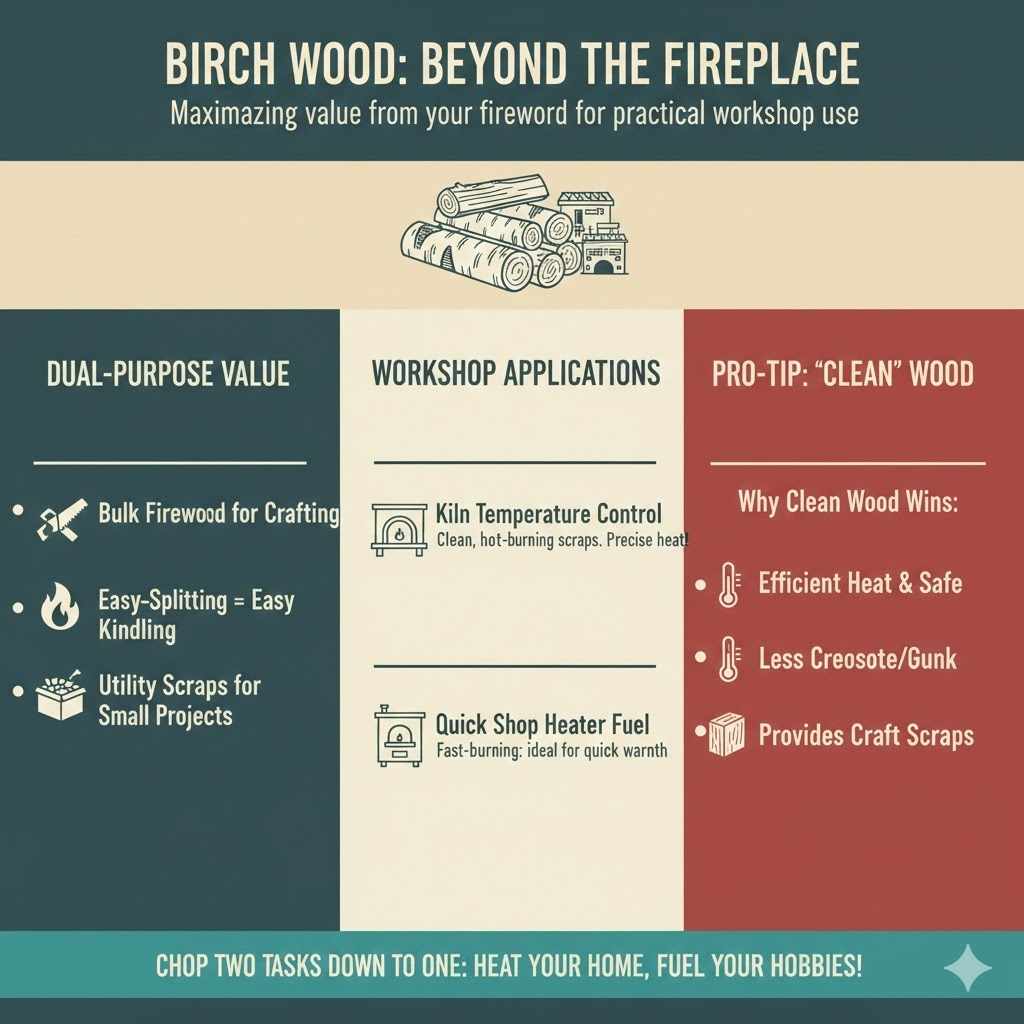
Practical Workshop Applications: Beyond the Fireplace
While understanding if wood burns well is generally linked to heat, your workshop hobby involves the wood too! Birch’s reputation isn’t exclusive to stoves, and that plays into purchasing considerations about usability that beginners might not link together.
If you are buying a chord: A bulk material meant for the fire that splits exceptionally easily today can feed future crafting projects for years to come. Dry Birch scraps burn flawlessly as kiln temperature adjusters or quick craft wood for shop heaters that you might run during early routing setup stages.
Recap Activity: Clean wood often burns cleaner throughout the ENTIRE process once dried. Don’t feel bad chopping two tasks down to one—a cord that heats and provides awesome kindling/utility pieces.
Frequently Asked Questions (FAQ) about Birch Fuel
Why does my birch explode or snap loudly when burned?
That popping or snapping comes from rapid, contained bursts of moisture turning to steam within internal, tight pockets of wood grain just under the surface bark or in highly dense knots. Well-seasoned birch drastically minimizes this, but excessive moisture will always guarantee louder steam expulsion noises.
Is Birch the official best wood to use in a new, high-efficiency wood stove?
Typically, high-efficiency stoves require dense woods (Oak, Maple, Fir). While birch is better than kindling, its medium density means sustained steady banking (heating a house through a 10-hour night cycle) usually requires mixing in loads of much denser product toward the end of the burning sequence to maintain safe ash structure in the refractory box.
How many types of birch tree are commercially sold as firewood?
Depending purely upon local milling/supplier region, buyers usually encounter two heavily marketed versions: Paper Birch, prized for kindling bark texture, and Yellow Birch, prized for denser heat output similar to Sugar Maple, though several other native species exist primarily in specialized hard-to-harvest mountain regions.) This aligns well with industry categorizations found by state cooperative organizations seeking consumer clarity concerning timber type harvesting for home use and firewood categorization.
Can you burn green birch if you monitor chimney creep closely?
No mentor guides recommend burning truly green birch (above 40% moisture). You generate significant smoke dilution and the efficiency loss means all that extra scrubbing you must do is poorly spent fuel money. Buy next year’s cooking or kindling wood now; rely only on 15–25% moisture wood for main system needs).
Does Red Birch light faster than Yellow Birch when everything is dry (approx 17% M.C.)?
Generally, a slight advantage goes to the leaner Yellow Birch (which may relate back to subtle variance between the ring structures found in many studies addressing proximate timber species variability). However, any difference at this low moisture content is nearly invisible to an experienced stoker user.
If I stack birch logs outside in a cylinder shape, do they dry quicker?
The solid log circumference shape will retard the drying process compared to standard fence-like perpendicular stacking! You want air moving across and through the face cuts—the end grain—as directly as possible while topping it with light shedding protection. Pure cylindrical structure usually forces the internal rot deeper by increasing water entrapment upon snow/rain pooling across multiple layers without adequate side vent.
A Final Word from Mentor: Building Firewood Confidence with Birch
My hopeful vision for you, the DIY firewood enthusiast or new home heat manager, involved removing that lingering doubt regarding “does birch wood burn well?” The confidence to use it comes not just from knowing it burns, but knowing how it burns and what conditions it demands.
Birch is dependable heating timber. If your birch fuel is sharp and seasoned, it will ignite enthusiastically, produce lively heat flames, turn over faster than true dense oak, and reward you with straightforward cleanup. This reliability makes it a perfect wood for building confidence in your wood fire routines.
Your Next Step: Focus relentlessly on drying your stock for twelve full months minimum. Do not simply cover the edges; allow the backside freedom. Test with that resonant ‘clink’ sound often. You already possess the core strategy in understanding moisture content management; now utilize your excellent intermediate ear and eye during inspection. Keep it dry, keep separating for side coverage, and you’ll have roaring fires all winter!
You have everything needed for efficient work, whether you’re heating your first homestead stove or arranging fuel for next year’s elaborate backyard bonfires. Happy burning!’;