Birch Plywood vs Oak Plywood (13-Ply vs 7-Ply Core Compared)
Birch plywood gives a smoother, more uniform paintable face than oak plywood — but oak plywood carries a real oak veneer for projects that need to match solid oak furniture or trim. The exception: not all birch plywood is equal, since true Baltic birch has a void-free, 13-ply core that a standard oak-veneer panel’s usual 5-to-7-ply core cannot match. This guide compares core construction, face appearance, strength, and real 2026 sheet prices for both.
Birch Plywood vs Oak Plywood: Core Construction Differences
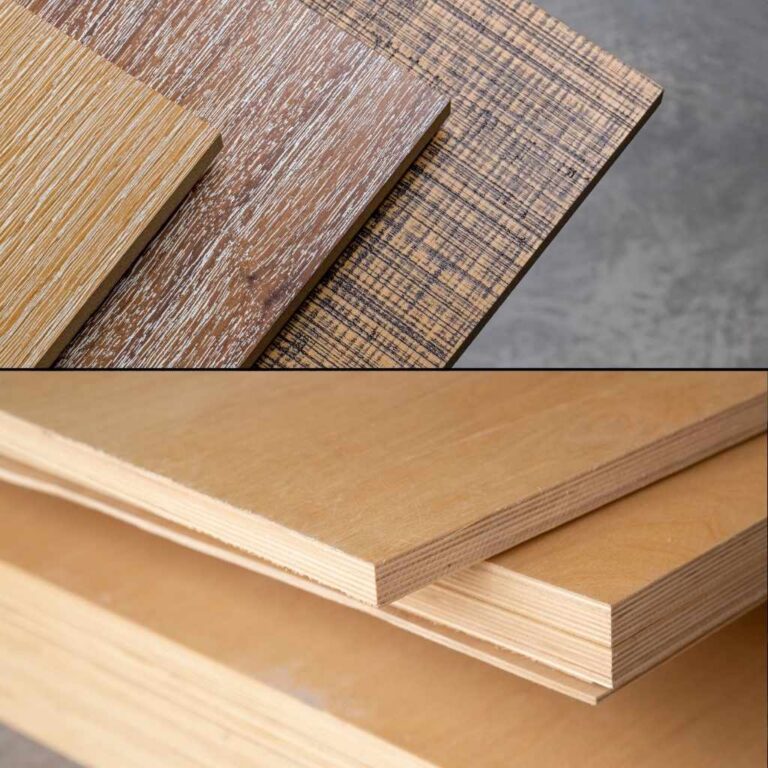
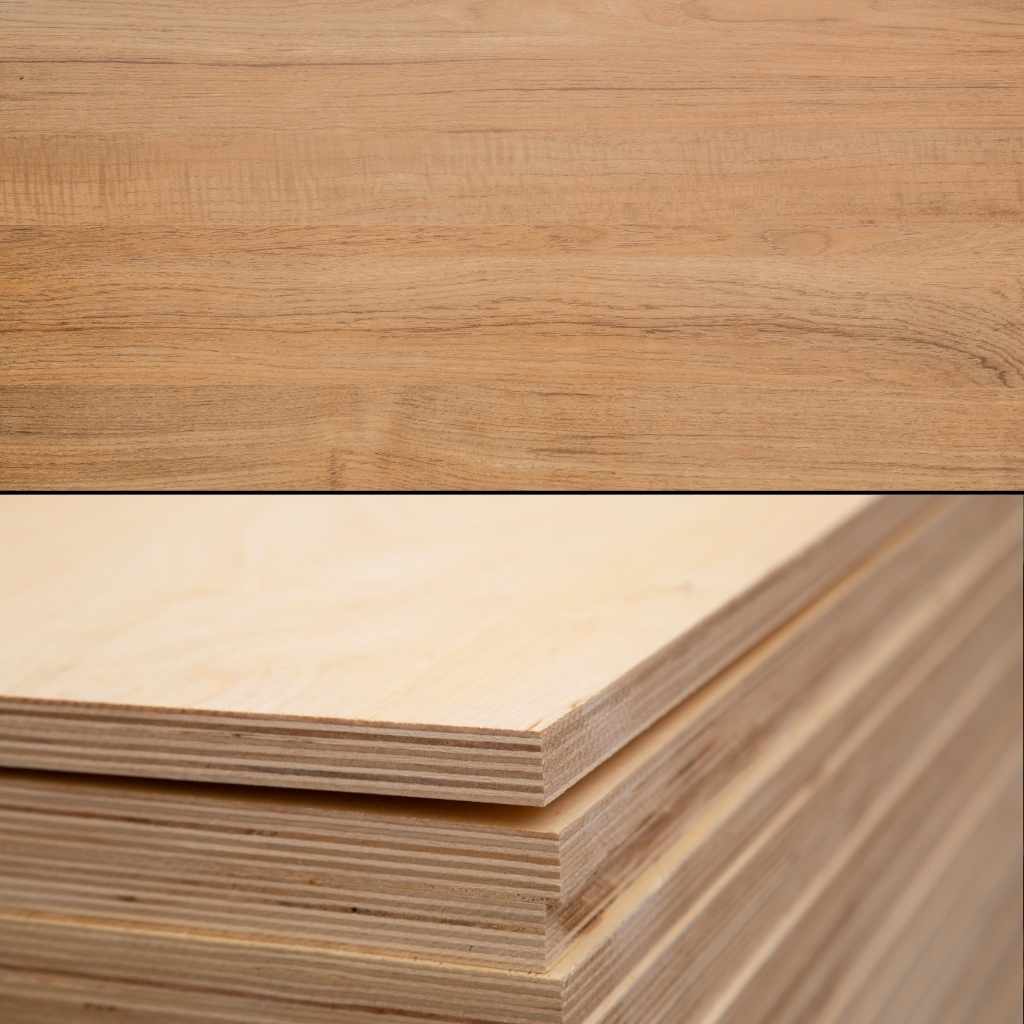
The two aren’t always an apples-to-apples comparison. “Oak plywood” almost always means a thin oak face veneer bonded over a separate core — usually poplar, a mixed-species combi core, or MDF — and that core is typically 5 to 7 plies at 3/4 inch. “Birch plywood” can mean the same layered construction throughout, and true Baltic birch takes it further: a void-free panel built from thin, cross-banded birch veneers all the way through, with no filler species and no gaps in the inner plies. See our wood types guide for how this compares to solid lumber.
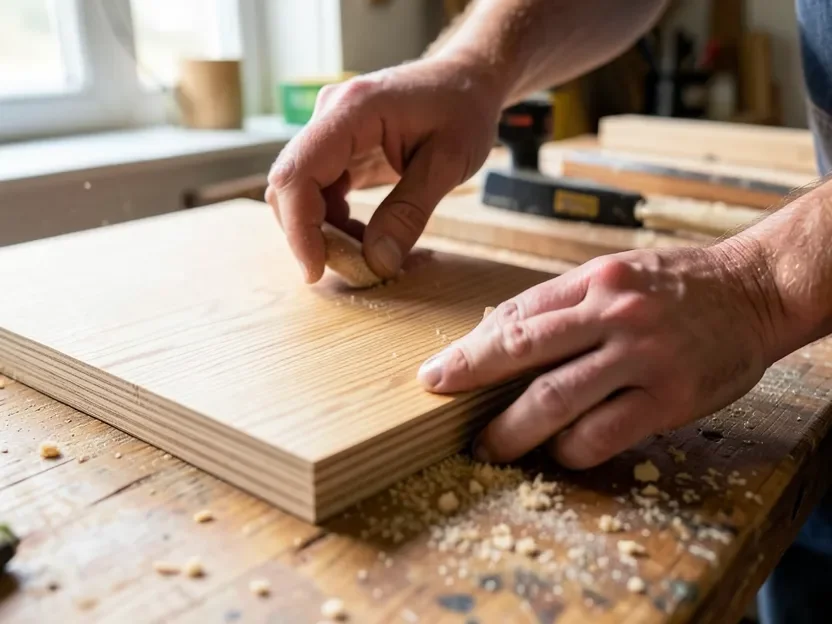
A 3/4″ (18mm) Baltic birch panel contains 13 plies, versus the 5 to 7 plies typical of a standard oak-veneer panel at the same thickness. More, thinner plies with alternating grain direction is what gives Baltic birch its reputation for stability and screw-holding — it isn’t just a face-veneer difference, it’s a different core structure entirely.
Best Baltic Birch Plywood Pick
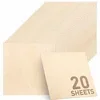 |
Baltic Birch Plywood, 20-Pack 11.8″ x 11.8″ – $33.99 A/A-grade, void-free birch plywood sheets in a size that fits the cabinet-door and drawer-box projects this guide covers — useful for testing paint adhesion or a small void-free panel before committing to a full 3/4″ Baltic birch sheet.
|
As an Amazon Associate we earn from qualifying purchases.
Face Veneer and Appearance: Smooth Birch vs Real Oak Grain
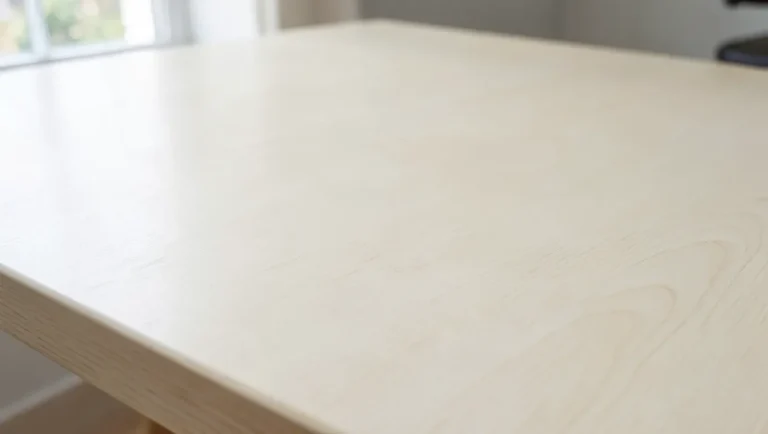
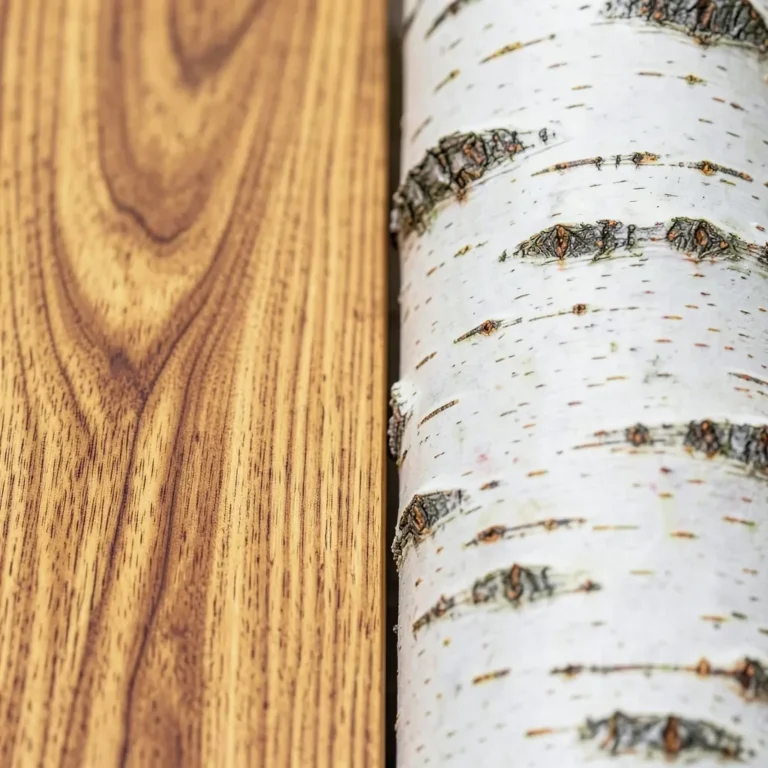
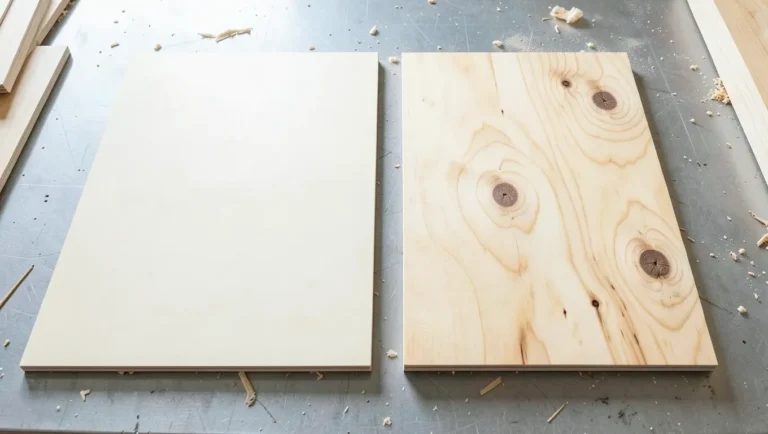
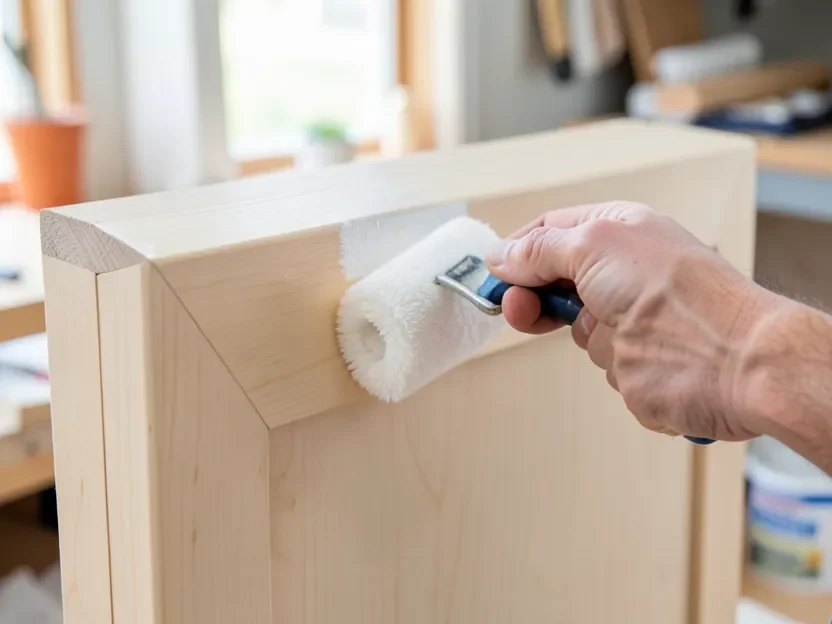
Birch plywood is a plywood panel whose face veneer shows a light, subtle, fairly uniform grain with minimal figure — it reads almost neutral once primed. Oak plywood is a plywood panel with a real oak face veneer, so it shows oak’s open, ring-porous grain pattern — the same visible pore structure you’d see on solid oak lumber, just sliced thin and glued to a core.
Which Looks Better for Painted Cabinets?
Birch. Its minimal grain and tight, void-free face don’t telegraph texture through paint the way oak’s open pores can — oak grain often needs a grain filler first or it shows through even a few coats of paint.
Which Matches Solid Oak Furniture or Trim?
Oak plywood. If you’re building a cabinet or shelf that needs to sit next to solid oak trim or furniture and read as one material, oak veneer plywood is the only one of the two that will grain-match under a clear finish. See our interior wood stain guide for how oak veneer takes stain compared to solid oak, or our guide to the best plywood for staining for why oak beats birch specifically for an even stained color.
Strength and Void Resistance: Is Baltic Birch Really Stronger?
Specifically for Baltic birch — yes. Its all-birch, cross-banded, void-free core resists screw stripping and edge chip-out better than a standard oak-veneer panel, because there are more, thinner plies bonded with marine-grade adhesive and no gaps for a screw to bite into empty space. A generic oak-veneer panel on a 5-to-7-ply core is not automatically weaker — but it is not built to the same void-free standard as Baltic birch, so panel-to-panel quality varies more.
Does Birch Plywood Always Mean Baltic Birch?
No. “Birch plywood” is sold at multiple quality tiers, and only panels labeled “Baltic birch” (or graded B/BB) are reliably void-free with the full 13-ply construction at 3/4 inch. A generic birch-veneer panel on a lower-grade core won’t give you the same strength this section describes — check the panel label, not just the species name.
📊 A 3/4″ (18mm) Baltic birch panel contains 13 plies, versus the 5-7 plies typical of a standard oak-veneer panel at the same thickness — Source: Kosmex Group plywood manufacturing guide, 2026
Moisture Resistance and Adhesive: What Actually Holds Each Together
Baltic birch is typically bonded with a marine-grade (often phenolic or exterior-rated) adhesive between every ply, which is part of why it resists delamination in humid shop or bathroom-adjacent conditions better than a budget interior-grade panel. Oak veneer plywood is usually bonded with an interior-grade adhesive unless it’s specifically sold as exterior or marine oak plywood, which is a separate, pricier product. Neither birch nor oak veneer plywood is naturally water-resistant on its own — the wood species barely matters here; the adhesive grade and edge-sealing do.
Does Oak’s Denser Grain Make It More Water-Resistant?
Marginally, at the surface level — oak’s tighter, denser grain structure sheds surface moisture slightly better than birch’s more open cellular structure. But this is a minor factor compared to adhesive grade and edge sealing, and it does not make standard interior oak-veneer plywood suitable for exterior or wet-location use.
Price Comparison: What Does Each Cost Per Sheet in 2026?
Baltic birch 3/4″ (4×8) sheets typically run $60 to $140, depending on grade and region. Oak-veneer 3/4″ sheets typically run $45 to $150, averaging closer to $60–$90 for standard cabinet-grade B veneer, with Grade A white oak veneer pushing toward the $90–$150 range. The ranges overlap because core material and grade move the price more than face species alone — a premium Baltic birch sheet can cost more than a lower-grade oak-veneer sheet on a thin MDF core, even though oak veneer itself carries a per-square-foot premium over birch veneer.
Does the Higher Price Actually Pay Off Long-Term?
For Baltic birch, usually yes, if the project needs the void-free core — you lose fewer sheets to internal voids showing up mid-cut, and CNC or router work is more predictable since there are no hidden gaps to tear out into. For oak veneer, the higher price only pays off when you need the visible grain match; if the panel is getting painted, you are paying oak’s veneer premium for a grain pattern no one will ever see.
| Attribute | Baltic Birch Plywood | Oak Veneer Plywood |
|---|---|---|
| Core plies at 3/4″ | 13, void-free | 5–7, typical veneer core |
| Face grain | Light, subtle, near-uniform | Open, ring-porous, visible |
| Typical 3/4″ 4×8 price | $60–$140 | $45–$150 (avg $60–$90 Grade B) |
| Best for | Painted cabinets, drawer boxes, CNC parts | Stained show faces matching solid oak |
Which Should You Buy: Painted Furniture or a Natural Oak Match?
Buy birch plywood — ideally true Baltic birch — for cabinet boxes, drawer boxes, and any panel getting painted; its void-free core and smooth face are built for exactly that. Buy oak veneer plywood only when the panel has to visually match solid oak trim, doors, or furniture under a clear or stained finish. See our plywood cut-to-size guide if you need either sheet cut down before it leaves the store.
“A 3/4″ (18mm) Baltic birch panel contains 13 plies.”
Frequently Asked Questions
Is birch plywood stronger than oak plywood?
Only true Baltic birch is reliably stronger, because of its void-free, 13-ply core at 3/4 inch. A generic oak-veneer panel isn’t automatically weaker, but it’s built on a standard 5-to-7-ply core that isn’t held to the same void-free standard, so quality varies more panel to panel.
Is oak plywood the same as solid oak?
No. Oak plywood is a thin oak face veneer bonded over a separate core, usually poplar, a mixed combi core, or MDF, not solid oak all the way through. Only the visible face and back layers are actual oak.
Which is cheaper, birch or oak plywood?
Neither is reliably cheaper. Baltic birch 3/4-inch sheets typically run $60-$140 and oak-veneer sheets run $45-$150, with standard Grade B oak often landing near $60-$90. Core material and grade affect price more than face species alone.
Can you paint oak plywood instead of birch?
You can, but oak’s open, ring-porous grain often telegraphs through paint unless you fill the grain first. Birch plywood’s smoother, more uniform face is the easier surface to get a clean painted finish on without extra prep.
Is Baltic birch plywood waterproof?
No. Baltic birch’s marine-grade adhesive between plies resists delamination better than interior-grade panels, but the birch veneer itself still absorbs moisture. It needs a real exterior finish or sealant for any outdoor or wet-location use, the same as oak veneer plywood.
Birch plywood, especially true Baltic birch, wins for painted cabinet boxes, drawer boxes, and anything getting a smooth painted finish. Oak plywood wins when a panel has to visually match solid oak furniture or trim under a clear or stained finish. Check the panel label for “Baltic birch” or a B/BB grade stamp before assuming a birch sheet has the void-free core this guide describes — not every birch-faced panel is built the same way.
Sponsored / affiliate links. As an Amazon Associate I earn from qualifying purchases. I may earn additional commission from eligible campaigns.
 Baltic Birch Plywood 1/8'' x 12'' x 18'', 6 Pack, B/BB Grade, Void-Free Core, Laser Cutting Ready, Flat Sheets for CNC, Engraving, DIY Crafts, Art Painting, Wood Burning, Staining
 Baltic Birch Plywood Sheets Box of 45 - Laser Engraving Cutting, Scroll Saw Nature Veneer Color, Stronger Than Basswood, A/A Grade,12 x 12 x 1/8”, 3mm Thickness Perfect for Wood Burning