Does MDF Dry Out? Discover Essential Maintenance Tips
When it comes to working with MDF, or medium-density fiberboard, you’ve probably wondered about its durability, especially when exposed to different environmental conditions. One common question is: does MDF dry out?
Understanding how MDF behaves can save you time, money, and frustration in your projects. Imagine investing in beautiful furniture or home fixtures, only to find them warped or damaged over time. You want reliable information that guides you in making smart decisions about your materials.
This article reveals the truth about MDF’s resilience, tackling myths and offering practical tips. Don’t miss out on essential insights that could transform the way you approach your next project.

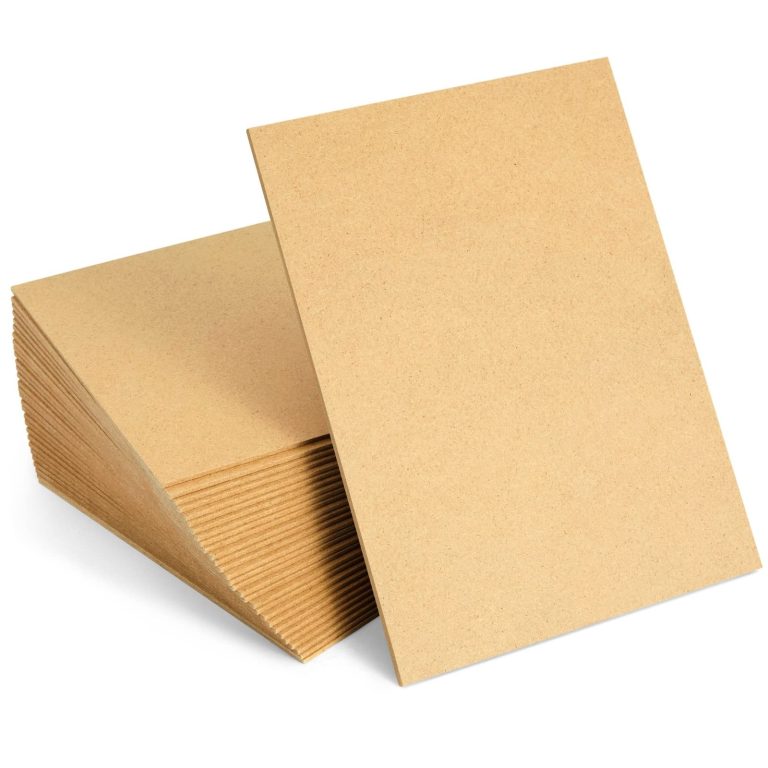
Credit: www.amazon.com
MDF Composition And Properties
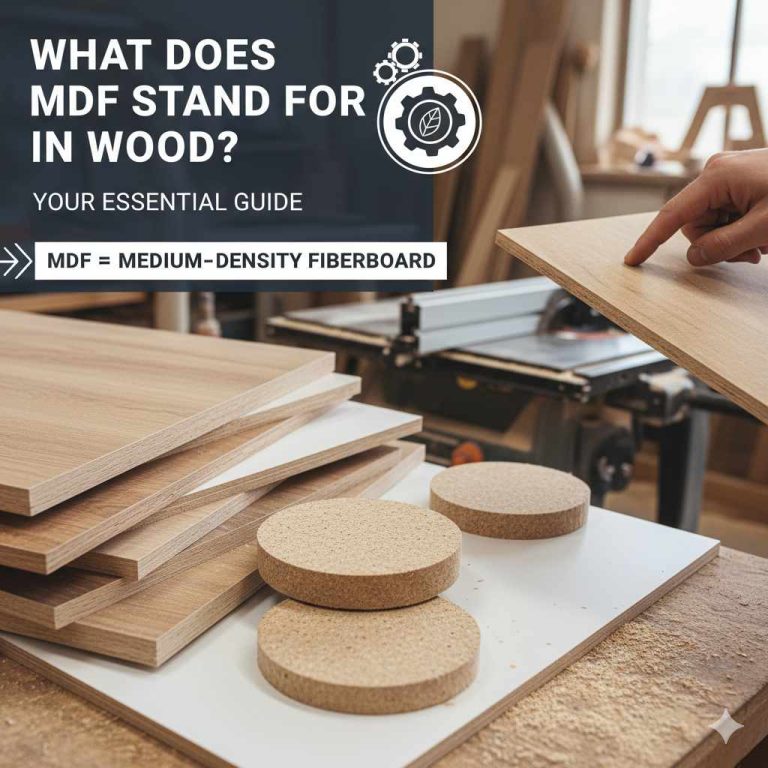
MDF stands for Medium Density Fiberboard. It is a type of wood product. Made from broken wood fibers, wax, and resin. These materials are pressed together. MDF is smooth and flat. Often used in furniture and building. It is cheaper than real wood. Great for painting and cutting. But, it can be heavy. So, it’s important to handle it with care.
MDF is dense and strong. It does not have knots like real wood. This makes it easy to shape. It is also very stable. No bending or warping. But, MDF does not like water. It can swell if wet. Always keep it dry. It is not good for outside use. MDF is also fire resistant to some extent. But be careful with edges. They can chip easily.
Causes Of Drying In MDF
MDF can dry out due to environmental factors. Air can take away moisture. This makes MDF dry.
Wind can also speed up drying. This is important to know when storing MDF.
Humidity levels affect MDF a lot. High humidity keeps MDF moist.
Low humidity makes it dry faster. This can cause the MDF to warp.
Always check humidity in rooms with MDF.
Temperature changes can dry MDF. Heat makes water leave the MDF. Cold can trap moisture.
Both can cause MDF to change shape. Keep temperature steady for best results.
Signs Of MDF Drying Out
MDF might show cracks and warping if it dries out. These changes can be seen easily. Small splits may appear on the surface. The board may bend or twist. These signs mean the MDF is losing moisture. It becomes less stable over time.
Dry MDF feels different. The surface gets rough. It may become brittle and break easily. Touching it feels uneven. The texture is not smooth anymore. You can notice these changes by feeling the board. Dry MDF can lose its strength and flexibility.
Preventive Measures For MDF
MDF can swell if it’s too wet. Keeping humidity low is key. Use a dehumidifier in rooms where MDF is used. Check humidity with a hygrometer. Keep levels between 30% and 50%. This helps MDF stay strong and last long. Avoid placing MDF near water sources.
Store MDF in a dry place. Ensure good airflow around the boards. Stack MDF on pallets or shelves. This keeps it off the floor. Cover with plastic sheets to protect from dust and moisture. Keep away from direct sunlight to prevent warping.
Maintenance Tips For MDF
Check MDF furniture and panels often. Look for any signs of damage or wear. Moisture can damage MDF quickly. If you see swelling or warping, take action. Keep an eye on the edges and corners. These areas are more prone to damage.
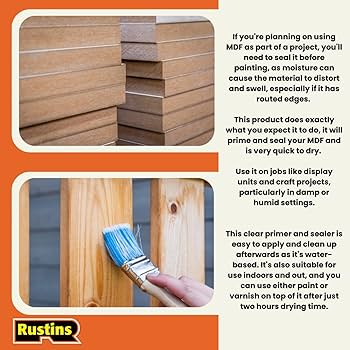
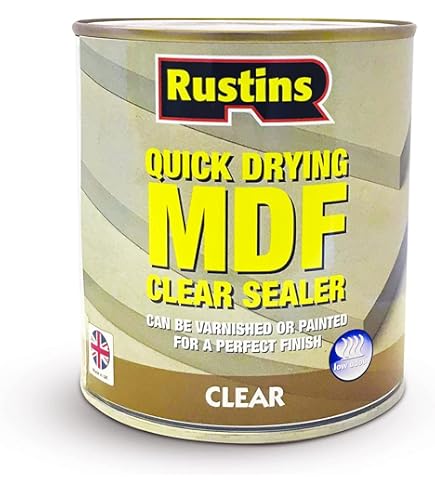
Use protective coatings to shield MDF from moisture. Apply paint or varnish to seal the surface. This helps keep water away. Be sure to use a product made for MDF. Sealants can make MDF last longer and look better.
Fix small scratches and dents right away. Use wood filler for minor repairs. Sand the area smooth after the filler dries. For bigger problems, you might need to replace the affected section. Keep MDF out of wet areas to avoid damage.
Choosing The Right MDF For Your Environment
MDF, or Medium Density Fiberboard, comes in different types. Each type has its own use. The most common type is standard MDF. It’s great for indoor furniture. Another type is moisture-resistant MDF. It is better for humid places. Fire-retardant MDF is also available. It’s safer for areas with fire risks. Each type of MDF has its own strength. Choose wisely based on your needs.
Moisture-resistant MDF is the best choice for wet areas. It does not swell easily. It stays strong in bathrooms and kitchens. Always seal the edges. This keeps water out. Use a good sealant. It helps protect the MDF. Moisture-resistant MDF is green in color. This helps you identify it easily. Always check the label before buying. Make sure it’s right for moist areas.
Benefits Of Proper MDF Care
MDF, or Medium-Density Fiberboard, lasts longer with good care. Proper care keeps it from breaking or bending. Moisture is a big enemy. Keeping it dry helps a lot. Regular cleaning is also important. Dirt can cause damage over time. A soft cloth works best. Avoid using too much water. It can seep in and harm the board. Sealing the edges helps too. It stops water from entering.
Good care keeps MDF looking new. Dusting it often makes a big difference. Use a soft, dry cloth for dusting. It keeps the surface smooth and clean. Avoid scratches by placing it carefully. Sharp objects can leave marks. Use coasters under cups to protect the surface. A coat of polish can add shine. It makes the MDF look fresh and bright. Keeping it out of direct sunlight helps. Sun can fade the color over time.
Credit: www.amazon.com
Frequently Asked Questions
Is MDF Ruined If It Gets Wet?
MDF swells and weakens when wet, often leading to permanent damage. Water exposure can cause warping and mold growth. Always protect MDF from moisture to ensure longevity and maintain its structural integrity. Using sealants or water-resistant coatings can help prevent water damage.
How Do You Seal MDF Against Moisture?
To seal MDF against moisture, apply a water-resistant primer. Follow with a high-quality acrylic or oil-based paint. Use edge banding or varnish for edges. Ensure even and thorough application for best protection. Always sand between coats for a smooth finish.
Does MDF Hold Up To Moisture?
MDF does not hold up well to moisture. It can swell, warp, or get damaged easily if exposed. Use it in dry indoor environments to ensure longevity. Consider sealing or painting for added protection against moisture.
Can You Use MDF In A Shower?
MDF is unsuitable for shower use due to moisture sensitivity. It absorbs water, leading to swelling and deterioration. Consider waterproof materials like tile or sealed wood for shower areas. Choose materials designed for wet environments to ensure durability and longevity.
Conclusion
MDF can dry out, but it takes time. Moisture impacts its durability. Proper sealing and care help maintain its quality. Avoid placing MDF in damp areas. Keep it dry to prevent swelling. Regular checks are essential for maintenance. Use sealants to protect against moisture.
This will extend its lifespan. Homeowners should be mindful of MDF’s needs. With care, MDF remains a reliable choice. Remember, prevention is better than repair. Keep these tips in mind for long-lasting MDF.