MDF Plywood: What the Term Actually Means (and Which One to Buy)
“MDF plywood” isn’t actually one material – it’s a search term people use to mean three different things, and mixing them up is why this topic gets confusing fast. Here’s the real breakdown: MDF (medium-density fiberboard) and plywood are two separate wood products with different construction and different weight per sheet, and there’s also a genuine hybrid called MDF-core plywood that combines both. This guide untangles all three so you buy the right one.
The Three Things People Actually Mean
Best Primer for Sealing MDF Edges
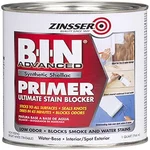 |
Zinsser B-I-N Shellac-Base Primer (Quart) – $25 MDF’s raw cut edge soaks up paint like a sponge – this locks it down in one coat instead of three.
|
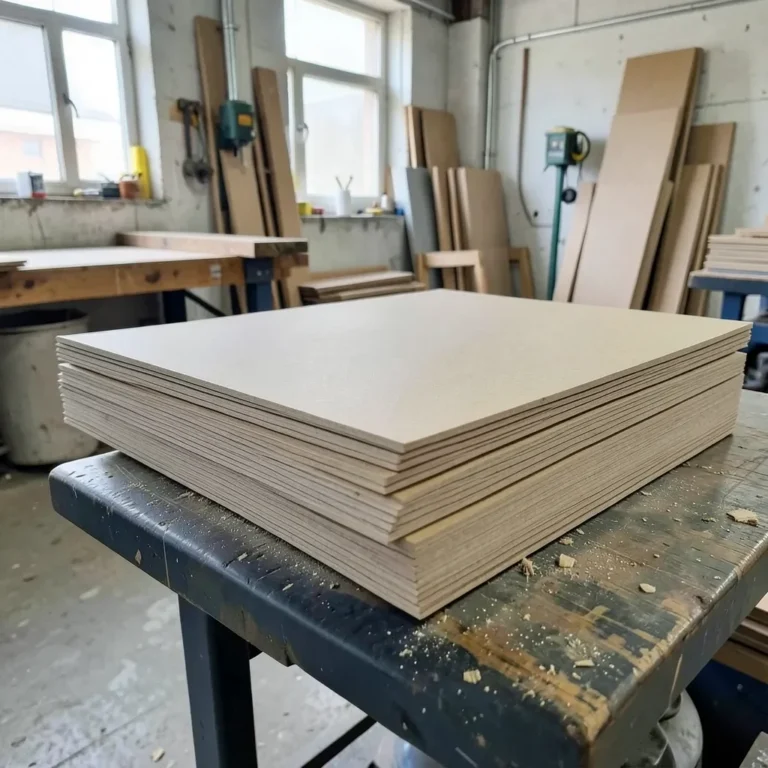
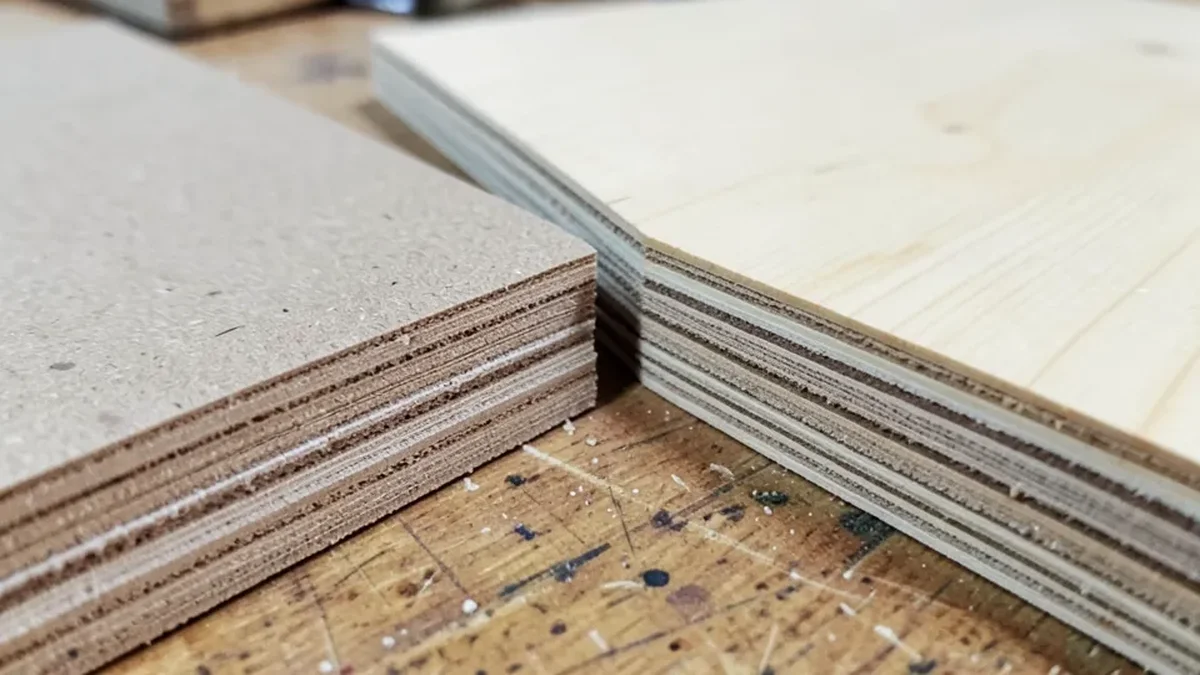
Plain MDF is made by breaking wood down into fine fibers, mixing them with wax and resin, then heat-pressing the mixture into a dense, uniform panel – no grain, no layers, no visible wood structure at all. It’s typically 45-50 lbs per cubic foot in density (roughly 750 kg/m³), which is denser than most solid wood and most plywood.
Plywood is built the opposite way: thin sheets of real wood veneer glued together with the grain of each layer running perpendicular to the one below it. A standard 3/4-inch sheet has 5-7 plies. That cross-grain construction is what gives plywood its strength and resistance to warping along its length.
MDF-core plywood (also sold as “MDF core panel” or “combo core”) is the actual hybrid product some people are searching for – a solid MDF center sandwiched between thin wood veneer face layers. You get MDF’s dead-flat, void-free core with a real wood veneer face you can stain instead of paint. Cabinet shops use it constantly for doors and panels where a painted MDF edge would look cheap but solid MDF’s stability is still wanted.
MDF vs. Plywood: The Numbers That Actually Matter
Skip the vague “MDF is smoother, plywood is stronger” comparisons and look at what actually changes your buying decision:
- Screw holding: plywood holds screws driven into its edge far better than MDF, whose edge is essentially compressed sawdust with no fiber to grip. Pre-drill and use MDF-specific screws, or better, avoid edge-screwing MDF where you can.
- Water resistance: neither is naturally waterproof, but MDF swells and delaminates faster and more permanently when wet – plywood’s individual plies can sometimes dry back out without total failure. Neither belongs outdoors or in a bathroom without a marine-grade sealer on every surface, including cut edges.
- Weight: a 4×8 sheet of 3/4-inch MDF runs about 97-100 lbs. The same size in 3/4-inch plywood is closer to 60-70 lbs, depending on species. That matters if you’re building anything you’ll need to lift or mount on a wall.
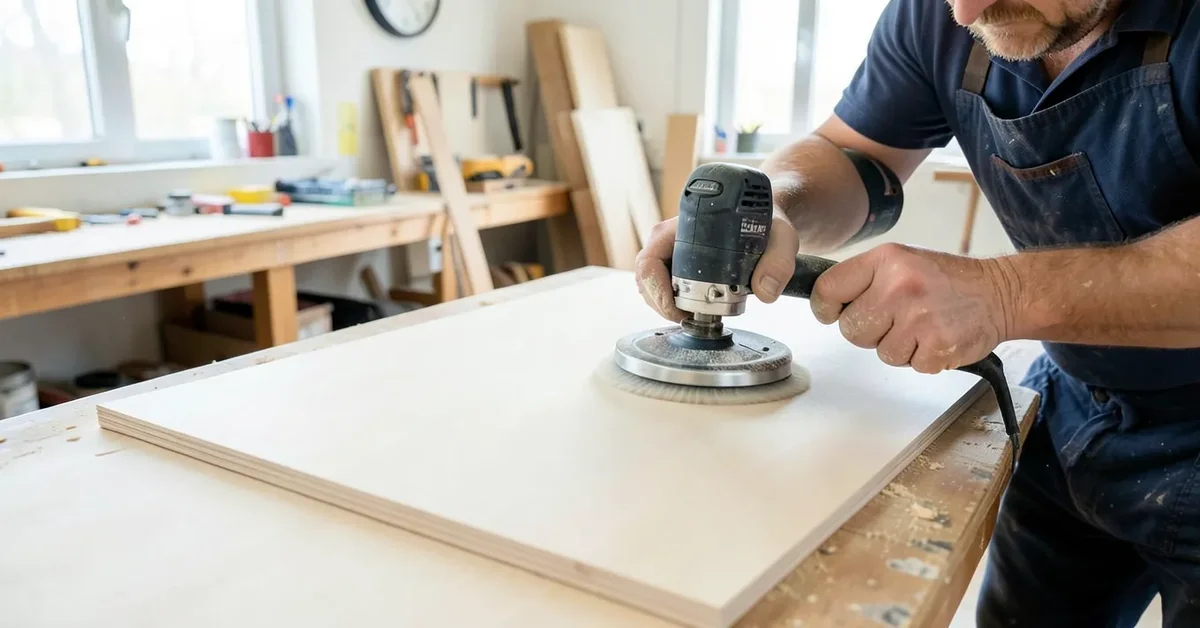
- Machining: MDF cuts and rounds over cleanly with no tear-out or splinters, which is why it’s the go-to for painted trim, router-carved signs, and speaker cabinets. Plywood can splinter on cross-cuts unless you’re using a sharp fine-tooth blade or scoring the cut line first.
- Cost: a 3/4-inch MDF sheet typically runs $35-50; cabinet-grade plywood in the same thickness runs $55-90 depending on the face veneer.
Where Each One Actually Belongs
Reach for plain MDF when you’re painting the final piece and want a glass-smooth, void-free surface – built-in shelving with a painted finish, router-carved signage, wainscoting, and speaker boxes where the dense, non-resonant material actually improves sound quality. Reach for plywood when the piece needs to carry real structural load, get exposed to any moisture at all, or show a natural wood grain under a stain or clear finish – cabinet boxes, shelving that spans any real distance, and subflooring. Reach for MDF-core plywood specifically when you want a stained (not painted) veneer face on something that has to stay dead flat, like a large cabinet door or a tabletop panel.
Working With MDF: The Details That Trip People Up
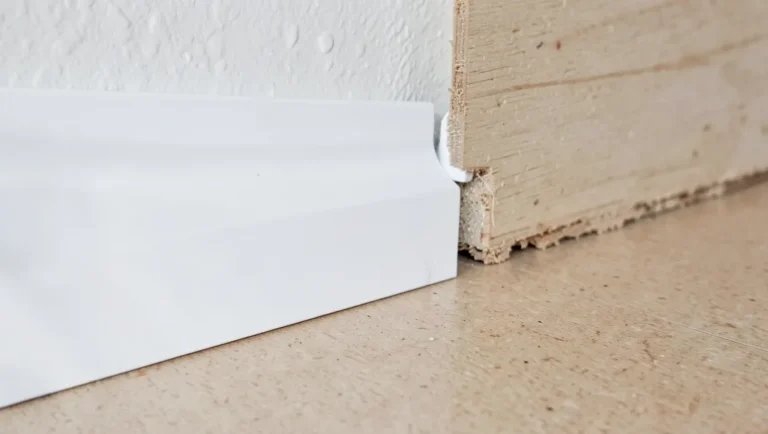
MDF dust is fine and contains the same urea-formaldehyde resin used to bind it – always cut it with dust collection running and wear a real N95 respirator, not just a paper dust mask. Because the cut edge is unsealed fiber, it will absorb paint like a sponge and look chalky unless you seal it first. A shellac-based primer is the standard fix – it locks down the fibers in one coat where a water-based primer often needs two or three to stop soaking in. Formaldehyde emissions have dropped significantly on modern MDF: most sold in the US today is CARB Phase 2 or TSCA Title VI compliant, which caps emissions well below older pre-2010 material, but it’s still worth priming and sealing indoor projects rather than leaving raw MDF exposed in a closed room.
Frequently Asked Questions
Is MDF better than plywood?
Neither is universally better. MDF wins for a smooth, paintable, void-free surface at a lower cost. Plywood wins for strength, screw-holding at the edge, and any project that will see moisture or a stained finish. The right choice depends entirely on the finish and load the project needs.
What are 3 disadvantages of MDF?
It holds screws poorly at the edge, it swells and doesn’t recover well if it gets wet, and its dust contains formaldehyde-based resin that requires real respiratory protection when cutting, even though modern CARB2-compliant MDF emits far less than older material.
What is MDF plywood used for?
If you mean plain MDF: painted furniture, cabinet doors, shelving, trim, and speaker enclosures. If you mean MDF-core plywood: stained cabinet doors and panels where you want a real wood veneer face over a perfectly flat, void-free core.
Is MDF plywood water resistant?
No, standard MDF is not water resistant and will swell permanently if it gets wet and stays wet. Moisture-resistant MDF exists (often green-tinted) for bathroom trim and similar uses, but it still needs a sealed, painted finish on every surface including cut edges to hold up.
Bottom Line
If the project gets painted and stays indoors and dry, MDF is the cheaper, smoother choice. If it needs to hold real weight, resist moisture, or show a natural wood grain, use plywood. If you want both a flat, stable core and a real wood face to stain, that’s what MDF-core plywood is actually for.
Sponsored / affiliate links. As an Amazon Associate I earn from qualifying purchases. I may earn additional commission from eligible campaigns.