Does MDF Have a Good Side? Discover Its Hidden Benefits
When you’re tackling a home project or a DIY task, choosing the right material is crucial. Medium Density Fiberboard, or MDF, often comes up as a popular option.
But does MDF have a good side? You might be wondering if there’s a specific side of MDF that you should be using for your project. Understanding this can make all the difference in the quality and appearance of your work.
We’ll unravel the mystery of MDF’s surfaces and give you the insights you need to make the most out of your material. Discover the hidden potential of MDF and ensure your projects shine with professionalism. Dive in to learn more about maximizing MDF’s capabilities for your next big idea.
What Is Mdf?
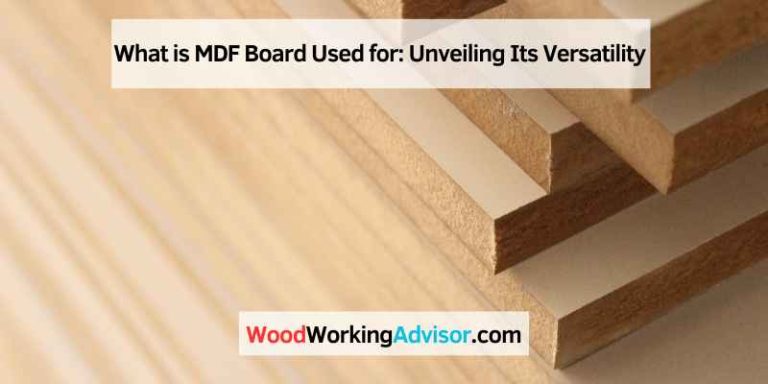
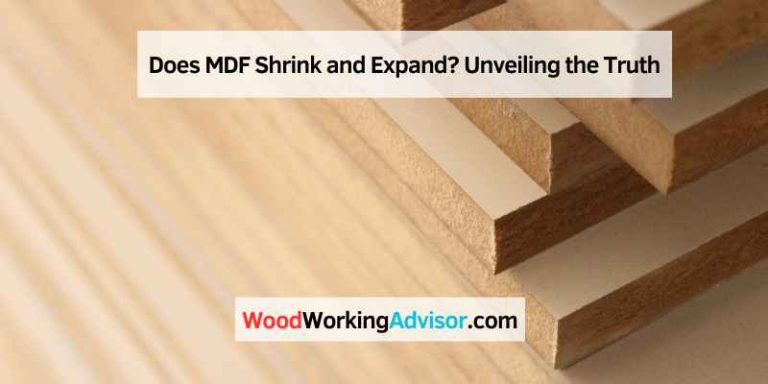
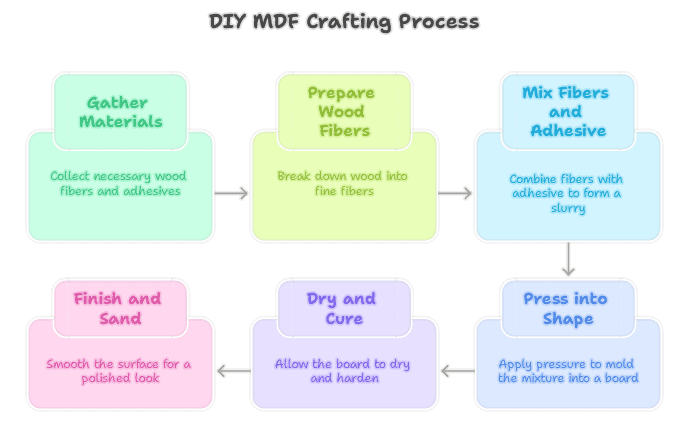
MDF stands for Medium Density Fiberboard. It is made from wood fibers. These fibers are mixed with glue. Then they are pressed into sheets. MDF is smooth and dense. It does not have knots or grain. This makes it easy to cut and shape. MDF is strong, but it can be heavy. It is less expensive than real wood.
MDF is used to make furniture. You can find it in cabinets, shelves, and tables. It is also used in construction. Builders use it for flooring, walls, and doors. MDF is painted or veneered to look like real wood. It is popular because it is affordable. But it must be kept dry. Wet MDF can get damaged.

Credit: www.ebay.com
Affordability And Accessibility
MDF is cheaper than many wood types. It helps save money. Many people choose MDF for projects. MDF is easy to find in stores. This makes it a good choice.
MDF is available in most places. Stores often have it in stock. It is popular for home projects. MDF comes in different sizes and shapes. This helps people find what they need.
Versatility In Design
MDF is known for its design flexibility. It fits many styles and needs. Builders love its adaptability. Designers can mold it easily. Customization is simple with MDF. It’s easy to cut and shape. This material accepts many finishes. Paint and veneer go well with MDF. It supports various textures too. Smooth or rough, MDF handles both. Users enjoy its versatility in projects. Whether furniture or decor, MDF works well. It’s a top choice for creative designs.
Creating unique pieces with MDF is straightforward. Shapes are simple to change. Crafting different designs is easy. Many tools work well with MDF. It’s friendly to drills and saws. Cutting MDF is a breeze. Artists like its adaptability. It allows for intricate carvings. Personalization is effortless with this material. Custom projects are achievable. From small crafts to large builds, MDF excels. Changing its look is easy and fun.
MDF offers a wide range of finishes. It accepts paint smoothly. It can be stained for a wood look. Applying veneer is simple. Many textures are possible with MDF. Smooth and polished or rough and rustic. Designers have many choices. It suits different styles and tastes. From modern to classic, MDF fits in. Its surface is perfect for decoration. Whatever the vision, MDF can achieve it. Users appreciate its finish options.
Environmental Considerations
MDF is made from wood fibers and resin. It uses wood that might be wasted. This helps in reducing waste. MDF is also recyclable. It can be reused to make new products. This is good for the environment.
MDF production uses less wood than solid wood. This can help in saving trees. Using small wood pieces means fewer trees are cut. It is a better choice for the planet. This helps in protecting forests.
Durability And Strength
MDF is known for its durability. It holds up well under pressure. Its strength comes from how it is made. Wood fibers are pressed together tightly. This gives MDF a solid feel.
MDF does not warp easily. This means it stays flat. It also resists cracking. Regular wood can crack when dry. MDF stays smooth in many conditions. This makes it a good choice for furniture.
MDF lasts a long time. It does well in different conditions. Dry or wet, it stays strong. This makes it reliable for projects. You can trust it to keep its shape. MDF is a smart choice for lasting materials.

Credit: www.amazon.com
Acoustic And Thermal Properties
MDF can block noise well. It helps keep rooms quiet. This is because it is dense.
Noise cannot pass through easily. This makes it great for homes and offices.
People use it for walls and floors. This makes rooms peaceful.
MDF works better than some other materials.
MDF helps keep rooms warm. It stops heat from leaving. This saves energy.
Buildings use less power for heating. This is good for cold places.
MDF can also help in hot areas. It stops heat from coming in.
People stay comfy inside. This means less air conditioning is needed.
Saving energy helps the planet.
Easy Maintenance
MDF is easy to keep clean. Use a soft cloth to dust. A damp cloth helps with sticky spots. Avoid too much water. Water can harm MDF. Dry it well after cleaning. This keeps it looking new. Use gentle cleaners. Harsh chemicals can damage it. Regular care keeps it shiny. Protect your MDF with these simple steps.
Small scratches can be fixed easily. Use a crayon to fill them. Match the color of the MDF. Press lightly over the scratch. This makes it less visible. For bigger damages, use wood filler. Sand the area smoothly. This helps in blending with the surface. A fresh coat of paint makes it look new. Always protect your MDF from moisture. This keeps it strong and durable.
Innovative Uses Of MDF
MDF, or medium-density fiberboard, is loved by many designers. It can be shaped into almost any form. This makes it perfect for custom furniture. You can find it in modern homes and offices. Its smooth surface allows for easy painting. This helps in achieving a sleek look. Designers use it for wall panels and decorative pieces. Its versatility is unmatched. Many prefer MDF for its cost-effectiveness. It brings style without breaking the bank.
MDF has come a long way with new technology. Improved techniques make it stronger and more durable. Now it can resist moisture better. This opens more possibilities for outdoor use. Innovations have reduced formaldehyde emissions. This makes MDF safer for home interiors. Enhanced cutting tools help in achieving precise designs. With technology, MDF’s potential keeps growing. It continues to surprise and inspire designers.
Frequently Asked Questions
What Are 3 Disadvantages Of Mdf?
MDF lacks moisture resistance and can swell when exposed to water. It is not as strong as solid wood, making it less durable. MDF releases formaldehyde, which can pose health risks if not properly sealed.
Is Mdf A Good Quality?
MDF is good quality for furniture and cabinetry. It’s durable, affordable, and easy to paint. MDF resists warping, making it ideal for indoor use. Its smooth surface allows for seamless finishes. However, it may not hold screws as well as solid wood.
Consider your project needs before choosing MDF.
Should I Avoid Mdf Furniture?
MDF furniture offers affordability and versatility. It’s less durable than solid wood and can emit formaldehyde. Choose high-quality MDF with low emissions. Consider your budget, style preferences, and indoor air quality when deciding.
Is Mdf Strong Enough To Sit On?
MDF is not ideal for sitting as it lacks the strength of solid wood. Over time, it may weaken or break under weight. Always check weight limits and use proper support for seating purposes. Consider sturdier materials like plywood or hardwood for better durability.
Conclusion
MDF, or Medium Density Fiberboard, offers both advantages and drawbacks. It doesn’t have a true “good side. ” Both sides are smooth and workable. This makes it versatile for many projects. Easy to paint and finish, it suits various needs.
Though not as strong as solid wood, it’s budget-friendly. It’s perfect for furniture and cabinetry. Consider your project’s requirements before choosing. MDF might just be the right choice for you. Always weigh cost, durability, and appearance. Make informed decisions to achieve the best results.
Happy crafting with MDF!